

{
  "authors": [
    "Jihad Mashamoun"
  ],
  "type": "commentary",
  "blog": "Sada",
  "centerAffiliationAll": "",
  "centers": [
    "Carnegie Endowment for International Peace"
  ],
  "collections": [],
  "englishNewsletterAll": "",
  "nonEnglishNewsletterAll": "",
  "primaryCenter": "Carnegie Endowment for International Peace",
  "programAffiliation": "",
  "programs": [],
  "projects": [],
  "regions": [],
  "topics": []
}
Source: Getty
The Domestic Implications of Sudan Normalizing Ties With Israel
Normalizing ties with Israel may facilitate Sudan’s removal from the US State Sponsors of Terrorism list, but risks strengthening military actors and former Bashir regime figures.
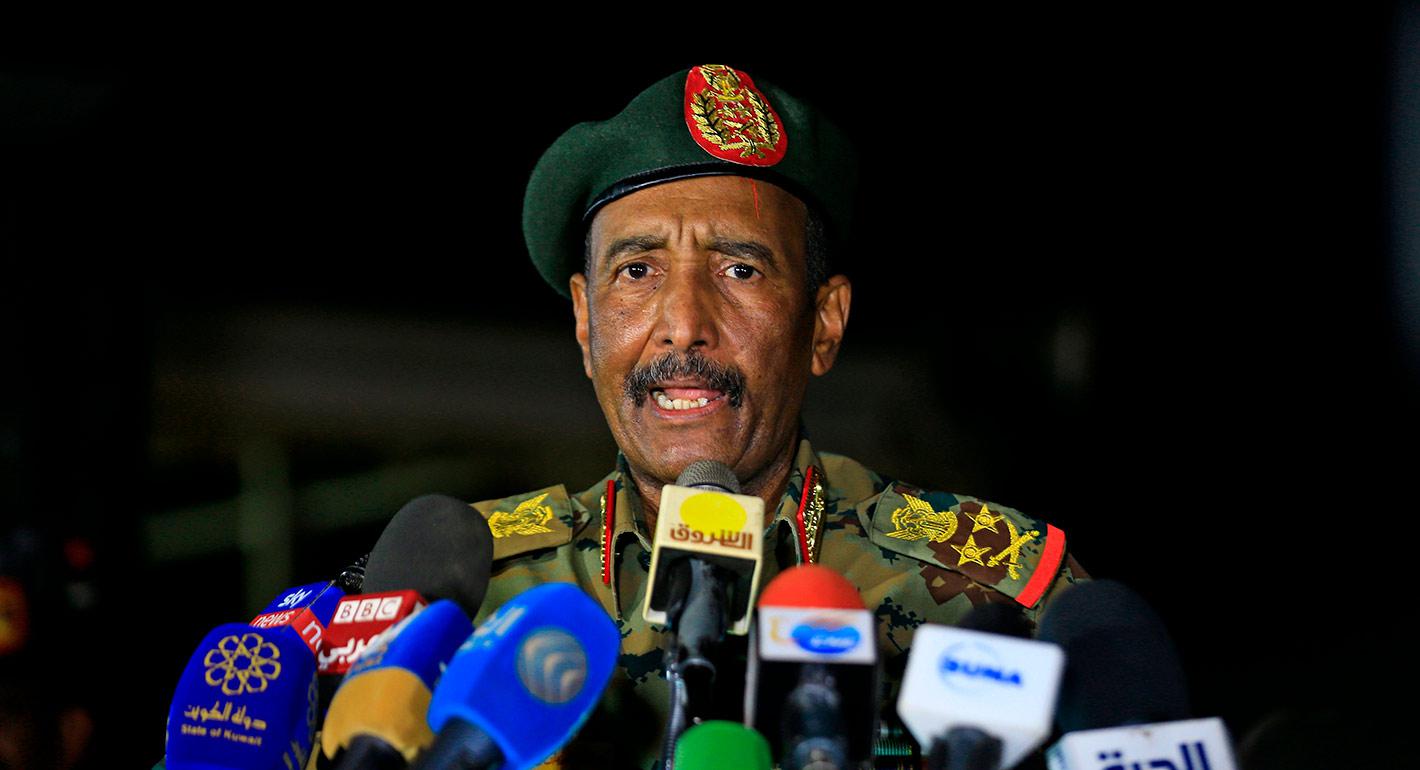
Sudan’s foreign ministry spokesperson, Haidar Sadig, announced on August 17 that Sudan “looks forward to a peace agreement with Israel," addressing speculation about whether Sudan will normalize its diplomatic relations with Israel. Conjecture began in February when Lieutenant General Abdel Fattah Al-Burhan—the chairman of Sovereign Council (SC), Sudan’s highest transitional body—met with Israeli Prime Minister Benjamin Netanyahu to discuss an aviation agreement. Normalizing ties with Israel will not only have significant implications for Sudan’s global standing, but could also strengthen military actors and former Bashir regime figures.
Lieutenant General Al-Burhan hoped to leverage his ties to Israel in order to remove Sudan from the US State Sponsors of Terrorism (STT) list, which would be a major political win, thus allowing him to secure the support of former Bashir regime supporters and business associates for a presidential run in the 2022 elections.
Since the 2019 coup that removed former President Omar Al-Bashir from power, Sudanese transitional authorities have worked to dismantle the former regime. These authorities have reclaimed former regime supporters’ assets and restricted their political participation by removing them from the country’s civil services. These initiatives run contrary to the former regime members’ participation in the coup. Many of them believed that they would return to power through civilian elections, pending Sudan’s removal from the US STT list—which had contributed to previous protests against the Bashir regime. Removal from the STT list would also allow former regime members to profit from business interests in Sudan that the list had previously hindered.[i]
Lieutenant General Al-Burhan is working to consolidate former regime members’ support in preparation for a candidacy in Sudan’s 2022 post-transition elections. The arrest and detention of the former president and other regime leaders has divided the former regime’s supporters into competing factions with no central leadership. Al-Burhan’s membership in the deposed president’s National Congress party’s parent organization, the Sudanese Islamists Movement (SIM), which nearly twenty percent[ii] of the Sudanese population supports, makes him a likely figure to fill this power vacuum. Moreover, expanding his political support is imperative for Lieutenant General Al-Burhan, given opposition members’ claims that the former regime selected him, Lieutenant General Yasir Al-Atta, and other military figures to replace Al-Bashir in the event of the his removal from office.[iii]
Among Lieutenant General Al-Burhan’s motivations to run in the 2022 elections is his drive to obtain presidential immunity, given his alleged involvement in the Darfur genocide. Many Sudanese claim that through his role as commander of the military forces in Central Darfur, Al-Burhan was responsible for arming the Border Guards—the government-affiliated Arab militias who were responsible for the genocide and other crimes in Darfur from 2003 to 2016.
Lieutenant General Al-Burhan’s current chairmanship of the SC grants him immunity and protects him from prosecution. However, after he steps down in February 2021, Al-Burhan’s involvement in Darfur may come under review from the yet-to-be formed legislative council and/or constitutional court. The SC’s newly appointed attorney-general, Taj Al-Sir Al-Hibr, has already opened an investigation into crimes committed by former Bashir regime officials during the Darfur genocide. These efforts to ensure justice and the rule of law also address protesters’ demands to put former regime officials on trial. Given these developments, Lieutenant General Al-Burhan’s only guarantee to retain immunity is through securing the office of the presidency, which would protect him from prosecution.
In addition to being driven by personal political ambitions to normalize Sudan’s relations with Israel, Lieutenant General Al-Burhan has also been influenced by the United Arab Emirates. According to a senior Sudanese military official, the United Arab Emirates encouraged Al-Burhan to improve diplomatic relations with Israel in exchange for Israeli support in lobbying the US to remove Sudan from the STT list. Despite the secrecy of this meeting, Lieutenant General Al-Burhan admitted to reporters in Khartoum on February 4 that the meeting’s objective was to secure Israel’s assistance to accelerate removing Sudan from the STT list.
Before Al-Burhan’s intervention, during a six-day visit to the United States in December 2019, Sudanese Prime Minister Abdalla Hamdok attempted to convince the US to swiftly remove Sudan from the STT list. However, this process requires a US congressional approval followed by a six-month review by the US State Department. The US demands that Sudan pay reparations for attacks carried out by operatives of Osama Bin Laden—who was harbored by the Bashir regime in the 1990s—on US embassies in Kenya and Tanzania in 1998 and on the USS Cole in Yemen in 2000. This has further prolonged congressional approval.
After Prime Minister Hamdok’s failure to remove Sudan from the list, Lieutenant General Al-Burhan independently met with Israeli Prime Minister Netanyahu. By neglecting to consult the transitional government or its partner, the Forces of Freedom and Change (FFC), prior to this meeting, Al-Burhan undermined the government, the FFC, and the Prime Minister’s credibility while shoring up his own support base. In response, some FFC leaders have attempted to ally with Lieutenant General Mohamed Hamdan Dagalo “Hemetti”—the SC’s vice chairman and leader of the Rapid Support Forces (RSF)—to counter Al-Burhan’s increasing influence within the military and to ensure the fulfilment of the revolution’s demands. However, an alliance with this divisive figure would undermine the government’s credibility. Lieutenant General Hemetti’s involvement in the RSF’s Khartoum Massacre on June 3, 2019 irreparably tarnished his public image. His perceived obedience to and funding from the UAE and Saudi Arabia in sending his troops into Libya and Yemen when they demand it of him has further exacerbated the public’s negative impression. This alliance also may not last long, given the FFC’s representation of protestors who demand a civilian government and who would not accept another military leader as the ruler of Sudan.
With the US elections around the corner, it is likely that removing Sudan from the US STT list will be shelved, further delaying Sudan’s eligibility for economic debt reliefs from international financial institutions. Thus, by normalizing Sudan’s ties with Israel, Lieutenant General Abdel Fattah Al-Burhan has exposed the Hamdok government, FCC, and the military to unnecessary new challenges, which their supporters inside Sudan expect them to meet, thereby further complicating the transition process. Rather than relying solely on external relief, the government should work with the international community to institute an economic agenda that is innovative and suitable for Sudan’s economic context.
[i] Author’s interview with Nazar Abdel Azziz, a leader of the Sudanese National Broad Front, which was part of the FFC [phone interviews [May-November 2019].
[ii] Author’s interview with a Sudanese member of the opposition who clarified the number of supporters of the former Bashir regime [phone interviews January-May 2020].
[iii] Author’s interview with a Sudanese member of the opposition who was arrested and interrogated by the former Bashir regime [July 2019 and phone interview].
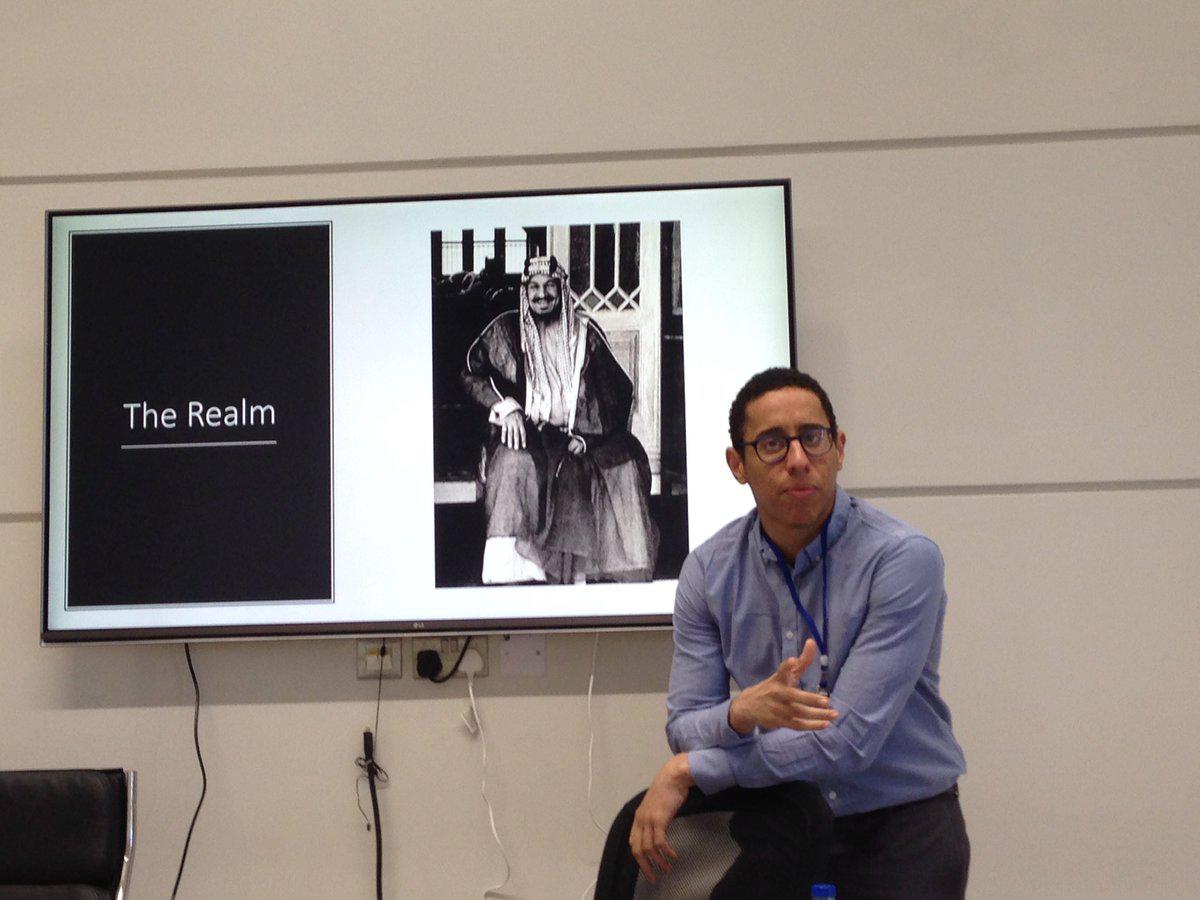
Jihad Mashamoun is a PhD candidate in Middle East Politics at the Institute of Arab and Islamic Studies, University of Exeter. He has authored and co-authored numerous articles on the Sudanese uprisings and Sudanese affairs. Follow him on Twitter @ComradeJihad.
About the Author
Jihad Mashamoun
University of Exeter
Jihad Mashamoun is a PhD candidate in Middle East Politics at the Institute of Arab and Islamic Studies, University of Exeter. He has authored and co-authored numerous articles on the Sudanese uprisings and Sudanese affairs.
Carnegie does not take institutional positions on public policy issues; the views represented herein are those of the author(s) and do not necessarily reflect the views of Carnegie, its staff, or its trustees.