

{
  "authors": [
    "Randa Diab-Bahman",
    "Dalal A. Marafie"
  ],
  "type": "commentary",
  "blog": "Sada",
  "centerAffiliationAll": "dc",
  "centers": [
    "Carnegie Endowment for International Peace"
  ],
  "collections": [],
  "englishNewsletterAll": "menaTransitions",
  "nonEnglishNewsletterAll": "",
  "primaryCenter": "Carnegie Endowment for International Peace",
  "programAffiliation": "MEP",
  "programs": [
    "Middle East"
  ],
  "projects": [],
  "regions": [],
  "topics": []
}
Source: Getty
Sustainable Development in Kuwait: Between Rhetoric and Action
New research reveals a wide gap between Kuwaitis’ own views about sustainability and government plans.
In the latest round of parliamentary elections in June, sustainable action plans were suspiciously absent from the Kuwaiti political arena. While candidates were busy demanding political and economic reforms and taking jabs at local officials, most remained silent about their strategic plans towards Sustainable Development Goals (SDGs).
The United Nations adopted seventeen SDGs in 2015, aiming to provide guidance on such matters as ending poverty, climate change, and gender equality as a global initiative. By integrating SDGs into government policy, states can prioritize key social, economic, and environmental challenges. Furthermore, developing SDG plans allow governments to involve multiple stakeholders, including civil society and marginalized communities, which can help foster a culture of greater inclusivity and accountability in high-level policymaking.
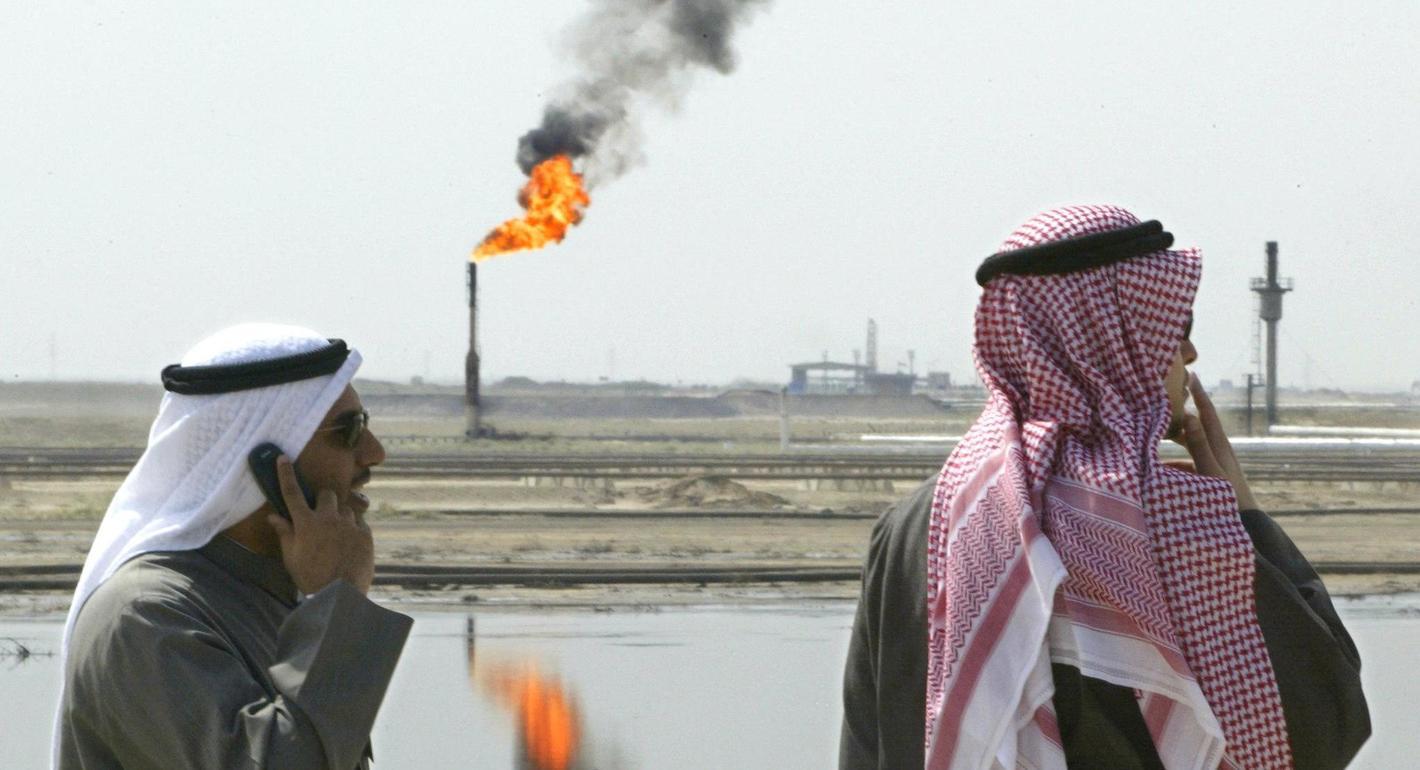
Kuwaiti policymakers consistently claim progress when probed about the subject of sustainability. In the latest report to the UN, Kuwaiti politicians boasted about its donations to support SDGs in other countries, and revealed future plans for sustainable cities, clean water initiatives, and eliminating hunger, among others. Yet while neighbors such as Saudi Arabia and the UAE have adopted net-zero emissions goals and invested billions of dollars in renewable energy, Kuwait’s national plans continue to push for mass oil production, seemingly unaware of the prolonged consequences.
The collective data on gender equality, healthcare, and education—other areas where Kuwait significantly lags behinds its Gulf neighbors—also reveals the government’s lack of progress towards achieving SDGs. Unlike industrial energy policy, however, these social aspects of sustainability barely register on the Kuwaiti government’s agenda. In the UN report, healthcare, education, and gender equality were only given an honorary mention: the report briefly highlighted low Covid-19 mortality rates, increased government spending on education, and constitutional rights for women. To make matters worse, the country is plagued by a reputation for being absent from international SDGs discussions.
Though limited plans for reforms may exist, there is a need for greater cohesion between all stakeholders involved to achieve these collective goals. In Kuwait, the call for action on SDGs is fragmented, primarily coming from a few independent voices and NGOs. They promote awareness and advocate for change on a variety of sustainability issues, including climate action, much-needed education reforms, and gender equality—all of which have been on a bearish trend. While climate activists try to build green parks and extend recycling efforts, women groups are heavily engaged on social media to promote women’s rights and combat gender-based violence education reforms. Recently, pro-women groups staged a walk-out as parliament passed a bill to further complicate the constitutional voting rights of women.
These efforts are critically necessary, especially given the fact that the majority of Kuwaitis lack awareness about SDGs and their implementation—a phenomenon captured by our recent research. By probing the public, we found a significant gap between Kuwaitis’ expectations and awareness of SDGs, and the proclaimed governmental plans for action. Our findings showed that the majority survey participants had little to no previous knowledge about SDGs, despite the fact most of them held higher education degrees or above and were expected to have some exposure to such topics. Moreover, once introduced to the concept of SDGs, participants prioritized its social elements—including education reforms and gender equality—over the industrial and financial sustainability goals that the government has focused on. Lastly, we found that almost 90% of respondents believed that parliamentary representatives should take SDGs into account when creating their national agendas, contradicting the behavior of the candidates seen in the last round of elections.
Our research findings highlight the need for the Kuwaiti government to identify and bridge gaps between their plans and Kuwaitis’ own SDG priorities. Since sustainable actions are interconnected and multifaceted in nature, progress becomes unattainable if stakeholders continuously operate in isolation. And with the upcoming SDG Summit in New York, marking the UN’s renewed efforts to achieve international cooperation on sustainability, Kuwait has no time to waste.
Dr. Randa Diab-Bahman is a Senior Lecturer at Kuwait Technical College with a research focus in applied psychology and social policy. She received a doctorate from the Paris School of Business, and has authored four books and writes a newspaper column on the need for change towards sustainable development. Follow her on X @dr_randa_db.
Dalal A. Marafie holds an MA in Middle East Studies from the University of Exeter. Throughout her career with the World Bank Group, she has been directly involved in implementing reforms and measures to improve private sector policies in the GCC. Follow her on X @Dalal_Marafie.
About the Authors
Randa Diab-Bahman
Dalal A. Marafie
Carnegie does not take institutional positions on public policy issues; the views represented herein are those of the author(s) and do not necessarily reflect the views of Carnegie, its staff, or its trustees.