

{
  "authors": [
    "محمد علي ثامر"
  ],
  "type": "commentary",
  "blog": "صدى",
  "centerAffiliationAll": "dc",
  "centers": [
    "Carnegie Endowment for International Peace"
  ],
  "collections": [],
  "englishNewsletterAll": "menaTransitions",
  "nonEnglishNewsletterAll": "",
  "primaryCenter": "Carnegie Endowment for International Peace",
  "programAffiliation": "MEP",
  "programs": [
    "Middle East"
  ],
  "projects": [],
  "regions": [],
  "topics": []
}
المصدر: Getty
الآثار اليمنية الـمهربة بضاعة رائجة في الـمزادات العالـمية
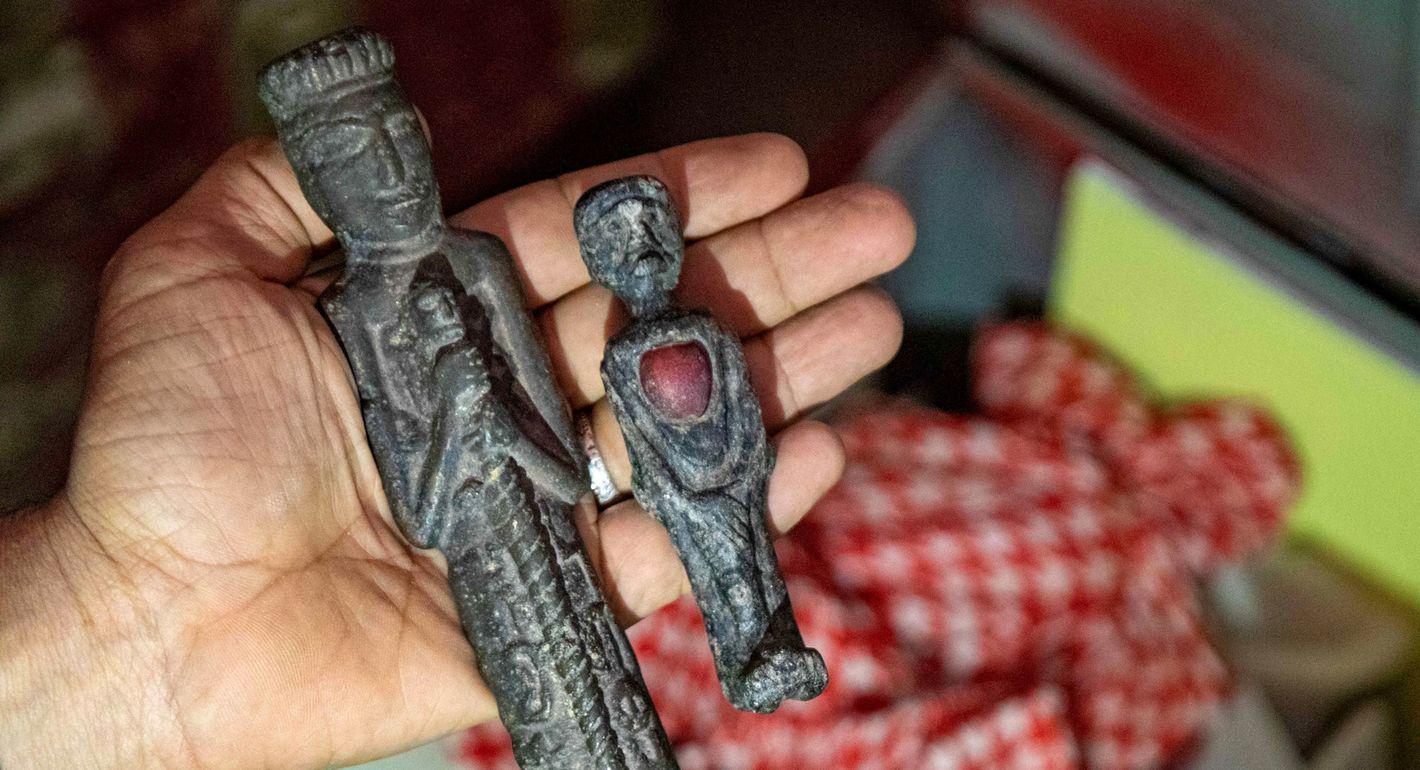
زادت خلال الحرب في اليمن وتيرة بيع وتهريب الآثار. توجد أكثر من ألفي قطعة مهربة في الولايات المتحدة قيمتها 12 مليون دولار، وتضم متاحف عالمية ما يزيد عن ألف قطعة أثرية يمنية مُهربة.
تداولت وسائل الإعلام مؤخراً توقيع سفير اليمن في واشنطن اتفاقية حماية التراث وحظر بيع الآثار اليمنية المسـروقة في المزادات الأمريكية، سبق ذلك قرارٌ أمريكي يحظر استيراد ونقل الممتلكات والآثار الثقافية اليمنية إليها، لتعيد إلى الأذهان سلسلة من التقارير والوقائع التي وثَّقت نهب وتخريب وتهريب الآثار اليمنية إلى الخارج.
قصة التهريب
تعرضت الآثار اليمنية لموجاتٍ أو سلسلةٍ من عمليات التهريب إلى خارج الوطن، يحدث هذا نتيجة أمرين هامين، هما: الحملات شبه المنظمة كحملات المستشـرقين في قرونٍ سابقة، أو عمليات التهريب التي تقوم بها عصابات اﻵثار، والتي ازدهرت واشتهرت مؤخراً بسبب الأوضاع الأمنية المتدهورة والحرب اﻷهلية، التي تدور رحاها منذ تسعة أعوام، لتصبح تلك الآثار سلعاً معروضةً في مزاداتٍ عالمية، حيث نظمت مزاداتٍ لشـراء تـمثالٍ سبئي، أو رأس حيوانٍ حميري، أو لوحةٍ حجرية كُتِبَتْ بالخط المسماري (المُسند).
ولعل تقريراً أصدره مركز الهدهد للدراسات الأثرية تحت عنوان: (ذاكرة اليمن الأثرية بين التهريب والتغريب)؛ قد كشف الحقيقة التي تعانيها آثار اليمن وقصة سـرقتها من الداخل وتهريبها إلى الخارج، حيث رصد التقرير عدد الآثار اليمنية التي عرضت في أبرز صالات المزادات العالمية خلال الفترة 1991 – 2022 وبيع خلالها نحو 4,265 قطعة أثريةً يمنية في 6 دول غربية، عن طريق 16 مزاداً عالمياً أمريكياً وأوروبياً، كما وضَّح التقرير عملية ازدياد نشاط وتيرة بيع الآثار اليمنية خلال فترة الحرب، حيث بلغت 2,610 قطعة، منها 2,167 قطعة في الولايات المتحدة لوحدها، تجاوزت قيمتها (12) مليون دولار، ولم يقف الأمر عند هذا الحد بل وضَّح التقرير احتواء 7 متاحف عالمية على 1,384 قطعةً أثريةً يمنيةً مهربةً ومسـروقة.
من المسؤول؟
نجد من خلال متابعة وسائل الإعلام والتي تركز على موضوع سـرقة وبيع الآثار اليمنية بأن العديد من الباحثين والصحافيين يحملون أطراف الصـراع في اليمن؛ سواءً الأطراف اليمنية، أو القوى الإقليمية، كـ(السعودية، والإمارات، وقطر)، وغيرها، مسؤولية تهريب وسـرقة ومن ثم بيع الآثار اليمنية في تلك المزادات العالمية؛ الأمر الذي تحاول تلك الأطراف والقوى التهرب منه عن طريق تبادل الاتهامات وتحميل المسؤولية للطرف الآخر. وصل الأمر إلى استغلال بعض منظمات المجتمع المدني التي تقع في مناطق سيطرة هذه القوى، وإلى إعداد التقارير التلفزيونية في القنوات المحلية، والقنوات العربية والغربية، كالقناة الفرنسية الثانية، وقناة الجزيرة القطرية، وقناة العربية السعودية، وقناة سكاي نيوز الإماراتية، وقناة DW الألمانية، بهدف تغييب الحقائق واتهام الأطراف الأخرى بضلوعها في سـرقة الآثار اليمنية وتهريبها وبيعها في المزادات العالمية، ولم يتوقف الأمر عند هذا الحد، بل أصبحت المواقع الإخبارية والمتخصصة بالآثار والعلوم وأبرزها موقع لايف ساينس الأمريكي، تعجُّ بمئات الأخبار بشأن هذا الأمر، ليتساءل اليمنيون والمهتمون بالتاريخ والحضارة اليمنية عن دور الحكومة والمنظمات الدولية في حماية الآثار اليمنية، ولماذا لم أو لا يتم تجريم الجهة أو الجهات التي تقوم بهذا العمل الذي يسلب اليمن حقوقه الثقافية والتاريخية، إذ يعتبر اليمنيون سـرقة تاريخ شعبٍ يُعادل تـماماً سـرقة حاضـره ومستقبله.
مطالب بحماية الآثار
يذهب ناشطون وباحثون إلى لوم الحكومة اليمنية بشأن استمرار عمليات تهريب الآثار وسرقتها، على رأس هؤلاء الباحث الآثاري عبدالله محسن، والذي تعج صفحاته في التواصل الاجتماعي بأخبار بيع الآثار اليمنية في المزادات العالمية، والصحفي أحمد عاشور، الذي أعدَّ تحقيقاً استقصائياً بعنوان: (أثرٌ بعد عين) وثَّق سـرقة قطع أثرية ثمينة من اليمن وتهريبها عبر الحدود وبيعها عبر مواقع تسويق الآثار وفي مزاداتٍ أوروبية، كانت الحكومة اليمنية طيلة فترة الحرب الطويلة مغيبةً تـماماً عن موضوع الآثار؛ ربما بمحض إرادتها أو بفعل تدخل قوى خارجية مؤثرة عليها، إذ تبادر إلى اتخاذ إجراءاتٍ حازمة في هذا الشأن، إلا بعد حملة شعبية لمطالبتها بالتدخل العاجل لإنقاذ الآثار اليمنية واتخاذ خطواتٍ أكثر حسماً لمنع تهريبها، وبفرض العقوبات على مرتكب هذه الجرائم. حينها بادرت الحكومة اليمنية إلى دعوة الدول الأوروبية إلى وقف إجراءات بيع الآثار اليمنية، كما رحبت بالقرار الأمريكي الآنف الذكر، وأعلنت استعادتها 77 قطعة أثرية ومخطوطة قرآنية مهربة من أمريكا، ليتوج ذلك توقيع الاتفاقية مؤخراً مع الولايات المتحدة الأمريكية. في هذا السياق، يأمل اليمنيون بأن مثل هذه الإجراءات وغيرها قد تؤتي أُكلها في المستقبل القريب وتُعاد معظم القطع والآثار اليمنية المهربة إلى وطنها.
محمد علي ثامر، كاتب وباحث وصحفي نشر في صحف يمنية وعربية ودولية، وأدار مجلتي (الثقافة، واليمنية). ألَّف كتبا وموسوعات أبرزها (الأطلس الأثري اليمني)، وهو أول أطلس من نوعه في اليمن.
عن المؤلف
محمد علي ثامر
لا تتخذ كارنيغي مواقف مؤسسية بشأن قضايا السياسة العامة؛ الآراء المعبر عنها هنا هي آراء المؤلف(ين) ولا تعكس بالضرورة آراء كارنيغي أو موظفيها أو أمنائها.