Report
- +4
Ms. Sandra Polaski, Joaquim Bento de Souza Ferreir, Janine Berg, …
{
  "authors": [
    "Sandra Polaski"
  ],
  "type": "other",
  "centerAffiliationAll": "",
  "centers": [
    "Carnegie Endowment for International Peace"
  ],
  "collections": [],
  "englishNewsletterAll": "",
  "nonEnglishNewsletterAll": "",
  "primaryCenter": "Carnegie Endowment for International Peace",
  "programAffiliation": "",
  "programs": [],
  "projects": [],
  "regions": [
    "United States"
  ],
  "topics": [
    "Trade"
  ]
}
REQUIRED IMAGE
Source: Carnegie
These are not normal times. Two changes in the past decade have produced a huge global oversupply of labor and intense competition for an expanding array of jobs. First, the Cold War’s end threw millions of workers, who formerly produced only for the socialist bloc, onto the global labor market. And second, that market has become integrated by technological change that now permits outsourcing of service as well as manufacturing jobs. The current economic recovery will not solve the resulting global mismatch of supply and demand, and it cannot be addressed by the United States alone. Many current policies aggravate the problem. This paper proposes that the Unites States revise its policies and devote a concerted effort to get the major countries to work together to expand employment at that global level.
Click here for the full text of this Policy Brief.
Click here to read this Policy Brief in Chinese.
Some free print copies are available.
Request a copy
About the Author
Sandra Polaski directs the Trade, Equity and Development Project at the Carnegie Endowment for International Peace. She served as the U.S. Secretary of State’s special representative for international labor affairs from 1999–2002, playing a leading role in the development of U.S. government policy on international labor issues. Polaski’s research has included the impact of NAFTA on employment, wages and household incomes, published in the report NAFTA’s Promise and Reality: Lessons from Mexico for the Hemisphere (Carnegie Endowment, 2003). She has also written extensively on trade, development and labor policy in essays including Trade and Labor Standards: A Strategy for Developing Countries (Carnegie Endowment, 2003) and How to Build a Better Trade Pact with Central America (Carnegie Endowment, July 2003).

Former Senior Associate, Director, Trade, Equity and Development Program
Until April 2002, Polaski served as the U.S. Secretary of State’s Special Representative for International Labor Affairs, the senior State Department official dealing with such matters.
Recent Work
Ms. Sandra Polaski, Joaquim Bento de Souza Ferreir, Janine Berg, …
Ms. Sandra Polaski
Carnegie does not take institutional positions on public policy issues; the views represented herein are those of the author(s) and do not necessarily reflect the views of Carnegie, its staff, or its trustees.

Its reinstatement should be celebrated, but it retains some major shortcomings.

Leonardo Martinez-Diaz

Four Middle East experts analyze the region’s reactions and next steps.



Amr Hamzawy, Andrew Leber, Eric Lob, …
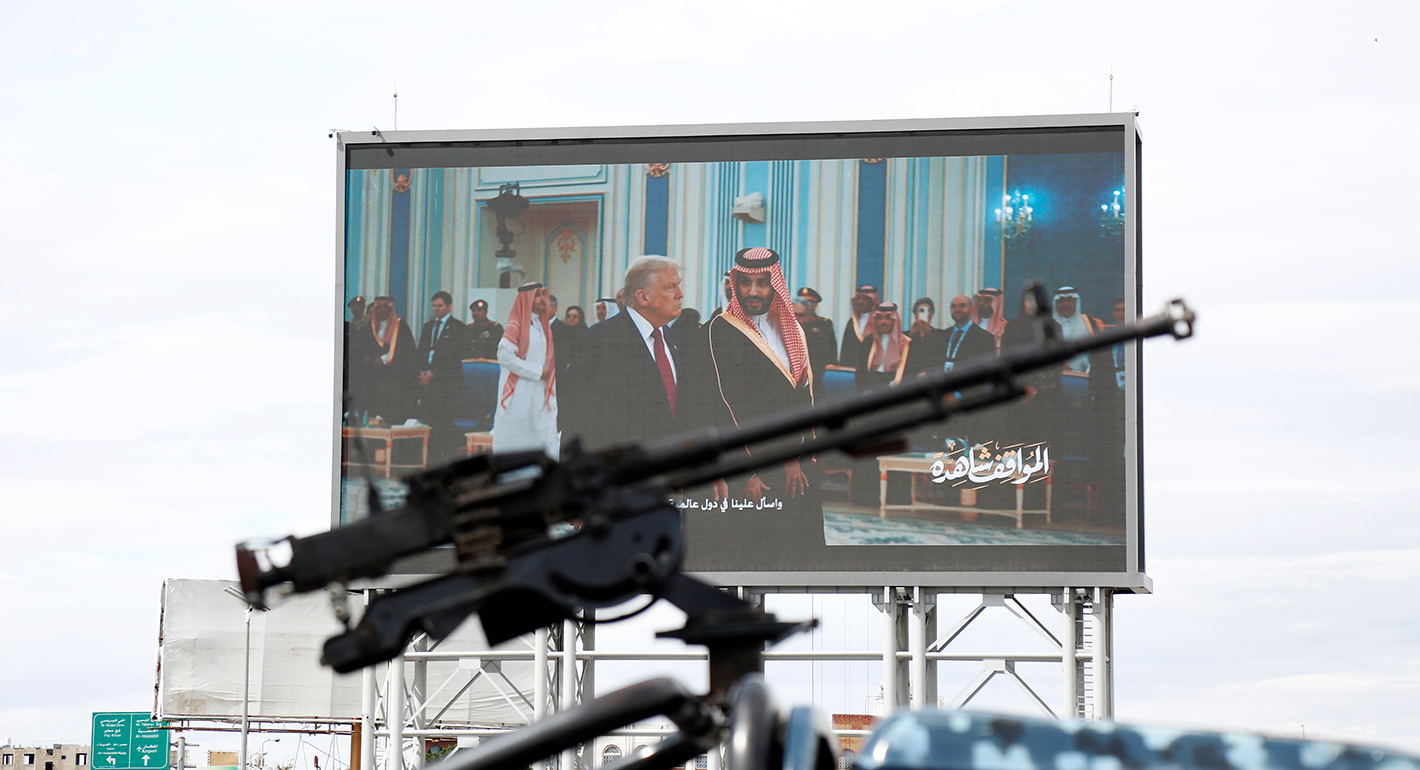
As the war between the United States, Israel, and Iran continues, Carnegie scholars contribute cutting-edge analysis on the events of the war and their wide-reaching implications. From the impact on Iran and its immediate neighbors to the responses from Gulf states to fuel and fertilizer shortages caused by the effective shutdown of the Strait of Hormuz, the war is reshaping Middle East alliances and creating shockwaves around the world. Carnegie experts analyze it all.
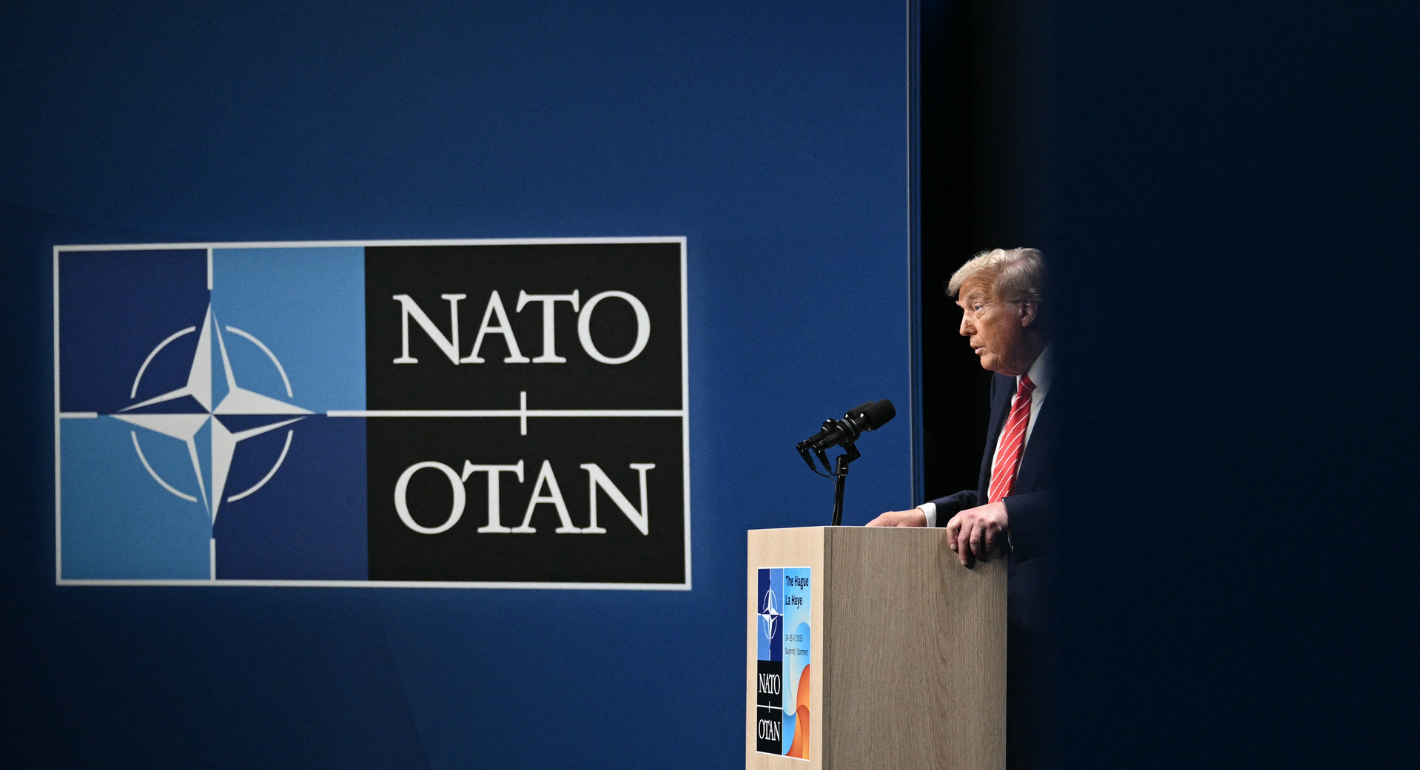
Donald Trump has repeatedly bashed NATO and European allies, threatening to annex Canada and Greenland and deploring their lack of enthusiasm for his war of choice in Iran. Is this latest round of abuse the final straw?

Rym Momtaz, ed.

The future looks bleak for independent media worldwide, but there is a robust infrastructure of knowledge, organizations, and people to build upon.


Daniel Sabet, Susan Abbott