

Feature
The Disaster Dollar Database is a tool that tracks the major sources of federal funding for disaster recovery in the United States.
{
  "authors": [
    "Leonardo Martinez-Diaz"
  ],
  "type": "questionAnswer",
  "blog": "Emissary",
  "centerAffiliationAll": "dc",
  "centers": [
    "Carnegie Endowment for International Peace"
  ],
  "englishNewsletterAll": "ctw",
  "nonEnglishNewsletterAll": "",
  "primaryCenter": "Carnegie Endowment for International Peace",
  "programAffiliation": "SCP",
  "programs": [
    "Sustainability, Climate, and Geopolitics"
  ],
  "regions": [
    "United States"
  ],
  "topics": [
    "Climate Change",
    "Security",
    "Domestic Politics"
  ]
}
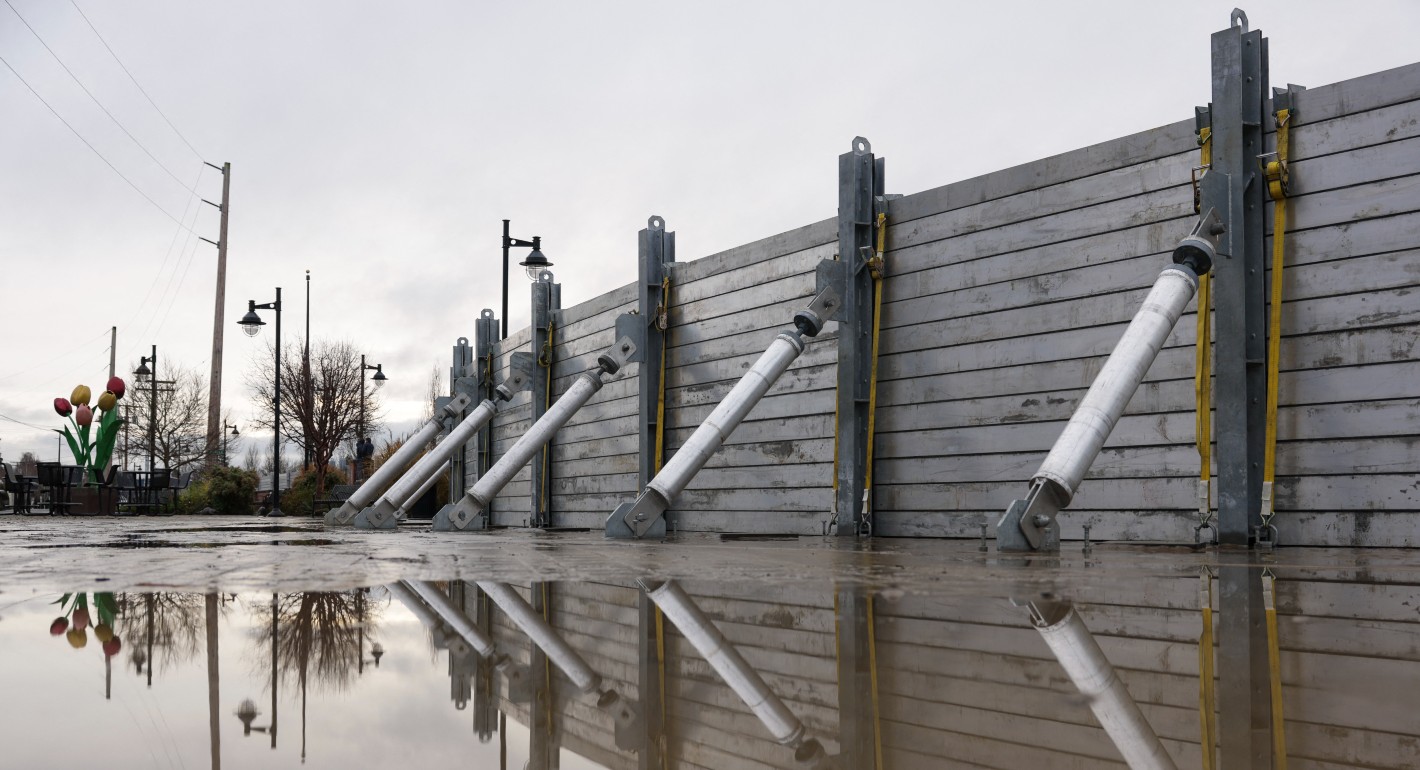
A flood wall holds back the Skagit River in Mount Vernon, Washington, on December 12, 2025. (Photo by Jason Redmond / AFP via Getty Images)
Its reinstatement should be celebrated, but it retains some major shortcomings.
Last month, the Federal Emergency Management Agency (FEMA) reinstated a major disaster resilience effort: the Building Resilient Infrastructure and Communities (BRIC) program.* BRIC was created under President Donald Trump’s first administration but abruptly canceled by his second in April 2025, and it remained in legal limbo until March 2026. Its return represents a major step forward in disaster resilience efforts.
Below, senior fellow and director of the Sustainability, Climate, and Geopolitics Program Leonardo Martinez-Diaz explains why BRIC’s reinstatement is so important, particularly for national security.
Why did FEMA start BRIC during the first Trump administration, and what was it hoping to get out of it?
BRIC was part of the Disaster Recovery Reform Act, which Congress passed with an overwhelming bipartisan majority and signed by Trump in 2018. In its first round of competitive funding, announced while Trump was still in office, BRIC made available $500 million for “mitigation activities designed to strengthen the nation’s efforts to build a culture of preparedness.”
The goal of BRIC was to help U.S. states, local governments, tribes, and territories to build resilience against natural disasters. You can call it “disaster preparedness” or “hazard mitigation,” but the main objective when the program was launched was clear: to reduce economic and human losses when disaster strikes.
Why did the administration reverse course?
Twenty states sued the administration for suddenly and illegally shutting down BRIC. Those states prevailed in court, and last month, a judge ordered the administration to restore the program and reopen the door to grant proposals. The administration did so within the twenty-one days specified by the order.
Politically, reversal was a smart thing to do. The states suing the administration to restore the program included deep-blue states such as California and Maryland, but also key swing states, including Arizona, Pennsylvania, Wisconsin, and North Carolina. And among the top ten states with unobligated BRIC projects—grants that had been awarded, but no legally binding agreement had been made—were deep-red states, including Florida, Utah, and Louisiana.
How do you think about a program like BRIC in terms of American national security?
In 2024, Americans (both the private and public sectors combined) spent an estimated $1 trillion on disaster recovery and insurance, including post-disaster repair, federal spending, and disruptions such as power cuts. That’s 3 percent of GDP, and the number is likely a conservative estimate. Building resilience—everything from better planning and early warning systems to defensive infrastructure and coastal protection—can help control these spiraling costs. BRIC grants were designed to help the United States do just that.
At the end of the day, keeping people safe in an emergency is a fundamental function that citizens expect their government to deliver. It’s a new kind of national security challenge that’s getting more urgent as the climate gets hotter. And with an administration that increasingly wants to make bold foreign interventions, it’s going to have to make the case that the U.S. government is ready to take care of people at home.
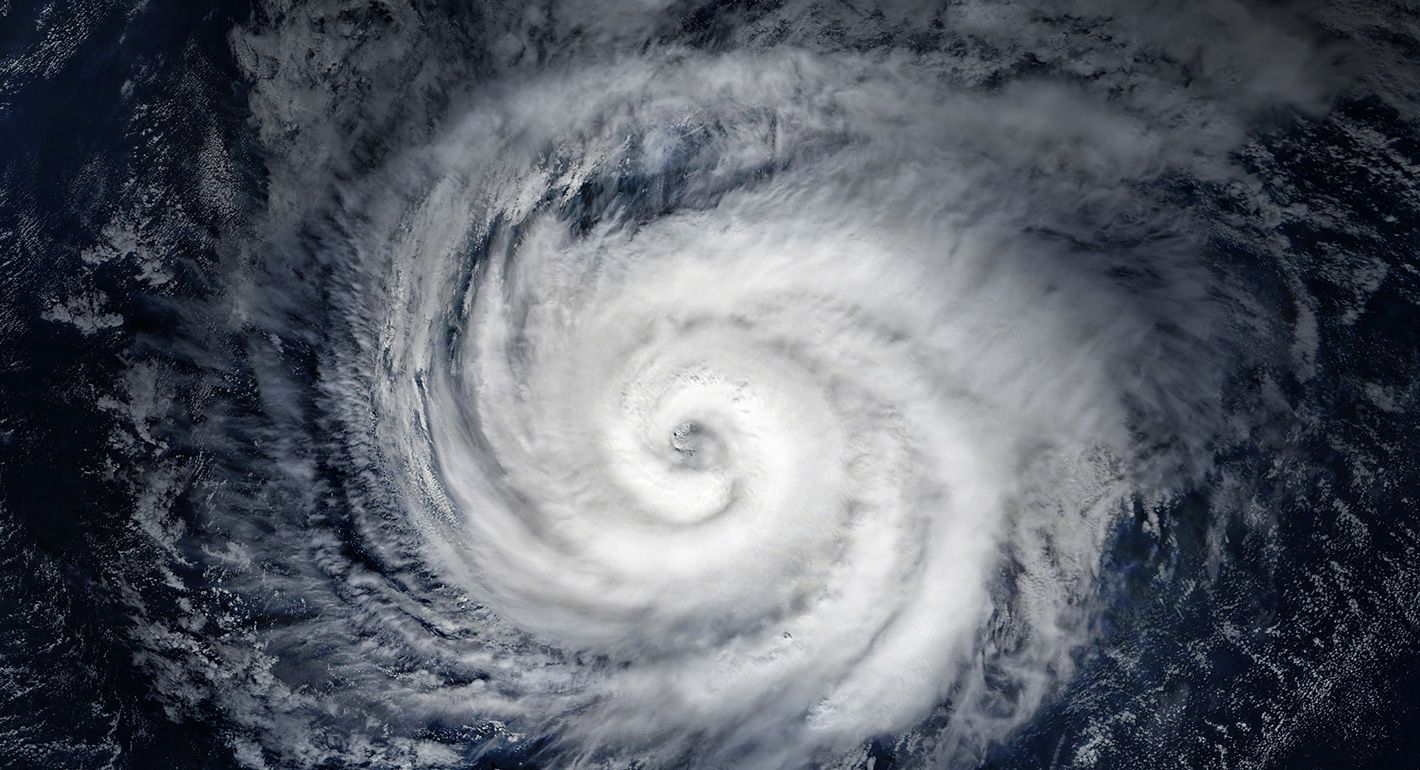
The Disaster Dollar Database is a tool that tracks the major sources of federal funding for disaster recovery in the United States.
Was BRIC a climate program?
No. Natural disasters would be happening with or without climate change, and communities need protection from these impacts. Climate change just makes the challenge bigger and more urgent.
BRIC had several successes and failures in its first five years. What did we learn about resilience funding through BRIC prior to 2025?
On the positive side, we learned that a federal program is crucial to incentivize and enable states and local governments to invest in disaster resilience. Without the federal push, these efforts would not happen on their own. The local focus of BRIC was also a positive—money moved to at-risk places with good ideas, not exclusively to states (as is often the case with federal programs).
But the program also got things wrong. The biggest shortcoming is that it was too small. Before the freeze, the program made available about $4.5 billion over multiple years. That’s a fraction of what is needed in a country that should be investing something on the order of $100 billion a year in disaster resilience.
The other major shortcoming is that the money moved fastest to places with existing technical know-how and financial resources. The cost-share formula needed to be more inclusive for places that couldn’t afford to match federal funds at the 25 percent or even at the 10 percent level. BRIC does have a technical assistance initiative to help jurisdictions with assessing their needs and preparing funding proposals, but it remains too small and supports too few places to make a meaningful difference.
Now that the program is restarted and there’s a new announcement of funding, what’s your hope for the future of the program?
On one hand, I’m relieved to see the Notice of Funding Opportunity (NOFO) that the administration posted in March. We can’t afford to lose any more time in restarting resilience programs. I was also happy to see that the defense of BRIC was a bipartisan effort throughout the past year. Resilience is popular—it’s a common sense response to the growing need to respond to natural disasters.
But the NOFO falls short in addressing the biggest challenges with BRIC: It again prioritizes “shovel ready” projects in the highest-capacity places. Communities that are most vulnerable to climate disasters often don’t have the highest capacity to produce project plans and risk analyses, or have the fiscal capacity to meet the 25 percent match requirements. This NOFO is a start, but we’re going to need much more funding and for that funding to reach more places if we really want to make progress on American resilience to disasters.
*Correction, April 13, 2026: This post originally misstated Building Resilient Infrastructure and Communities as Building Resilience Infrastructure and Communities.

Senior Fellow and Director, Sustainability, Climate, and Geopolitics Program
Leonardo Martinez-Diaz is senior fellow and director of the Sustainability, Climate, and Geopolitics Program at the Carnegie Endowment for International Peace. His fields of expertise include climate politics and diplomacy, climate finance, and mitigating and managing the risks of climate change to economies and communities.
Recent Work
Leonardo Martinez-Diaz

James M. Acton, Saskia Brechenmacher, Cecily Brewer, …
Carnegie does not take institutional positions on public policy issues; the views represented herein are those of the author(s) and do not necessarily reflect the views of Carnegie, its staff, or its trustees.

Despite its flop at the box office, the film raises important questions for the climate community to answer.
Leonardo Martinez-Diaz
They face an uphill climb, but they could draw on a strategy that other diplomats have used in the past.


Shana Tabak, Alejandro Martin Rodriguez
By focusing only on hard security, the Shield ignores the conditions that fuel cartel power.

Alejandro Martin Rodriguez, Kayly Ober
That statistic about a bottle of water may not live up to scrutiny.


Jon Bateman, Andy Masley
The groundbreaking legislation faces an uphill battle, but it creates a framework for others to follow—especially as the effects of climate change intensify.

Liliana Gamboa, Kayly Ober