

Q&A
- +1
Amr Hamzawy, Andrew Leber, Eric Lob, …
{
  "authors": [
    "Amr Hamzawy"
  ],
  "type": "legacyinthemedia",
  "centerAffiliationAll": "dc",
  "centers": [
    "Carnegie Endowment for International Peace"
  ],
  "collections": [],
  "englishNewsletterAll": "menaTransitions",
  "nonEnglishNewsletterAll": "",
  "primaryCenter": "Carnegie Endowment for International Peace",
  "programAffiliation": "MEP",
  "programs": [
    "Middle East"
  ],
  "projects": [],
  "regions": [
    "Middle East"
  ],
  "topics": [
    "Economy"
  ]
}
Source: Getty
Source: Al-Ahram Weekly

The success or failure of human societies has become contingent upon their ability to harness knowledge. It is unnecessary here to delve into the available definitions of the concept, and will suffice to note the three primary ingredients of any robust knowledge society: it must be capable of transforming knowledge into the chief driving force of contemporary life; it must enable the individual to make the transition from the demands of classical modernity, in which the acquisition of knowledge was relatively finite, generally confined to the modern school system, to an era in which the ongoing acquisition of knowledge has become a necessity of modern life; and it must be capable of taking new and innovative approaches to the management of society in light of the rapid emergence and accumulation of social, economic and political developments attendant upon the transition to a modern knowledge society and the greater prospects for progress and sustained development that it opens up, as well as radical shifts in the values of freedom and justice it entails.
These three components should make it clear that to reduce the challenge of developing a contemporary knowledge society to the modernisation of education and scientific research is a futile exercise. The challenge is far greater. It involves restructuring the lives of individuals and society so that they mirror the centrality of science and technology and its practical applications. This, in turn, necessitates an institutionalised link between the principles of the freedom of access to information and transparency and the prioritisation of a process of self-development based on self-criticism, responsibility and accountability. In short, it requires a transition to democratic modernity, a need of which most of the projects and initiatives recently unveiled by Arab governments and knowledge centres reflect at least some awareness.
The question, then, is to identify the best means to gradually propel Arab societies towards the kind of comprehensive modernity necessary if they are to interact positively with the development of a knowledge society as a way of life that extends beyond universities and research centres to embrace politics and the economy, the media and public services. How do we work systematically to shape a consensual will to modernise without harming the psychological well-being of the individual who desires the constant replenishment of knowledge in order to succeed and without severely jeopardising social stability or raising fears among ruling elites of change and loss of control?
On the other hand, we should be wary of regarding the modern knowledge society as a panacea. The potential for progress and development that we see embodied in the civilisations of the North and East so amazes us that we yearn to identify with other aspects of that development, though these often reflect a rush of crises variously connected with the values of freedom and justice and the ways of organising the pursuit of these values socially. The instruments of modern science and technology offer an ever-widening scope of freedom to individuals in the way they choose to live and manage their affairs. At the same time they have diminished the credibility and functionality of the religious and moral value systems that in the past set limits on the exercise of individual freedom leaving human societies with the dual dilemma of modernising existing value systems while gradually developing alternative ones, tasks that are fraught with difficulties that touch on existential issues such as the right to life. Whereas the globalisation of knowledge should logically promote greater justice and equality as scientific and technological advances break through class and gender barriers, in reality the picture is less rosy given the actual workings and repercussions of the global capitalist order just at the moment that the transition to a knowledge society is being made. As demonstrated in numerous recent comparative studies the gap between rich and poor in terms of their share of knowledge has expanded horizontally at the global level, and vertically within individual societies. What we are seeing is the emergence of two distinct and separate worlds, one of winners, the other of losers, each of which perpetuates itself: it is because the moment of transition to a knowledge society can exist alongside the exacerbation of injustices that we must contend with such major questions as how to regulate social disparities and imbalances in a way that guarantees a minimal level of rights and opportunities to the disadvantaged in the South, and the poor the world over, in a way that reasserts and reproduces the patterns and substance of solidarity.
Although the Arab world has begun to address issues of freedom and justice in this context, our theoretical discussions and practical thinking are still mired in a simplified view of the knowledge society as a utopia to which others have preceded us and to which we aspire in the hope of bringing a boundless progress firmly within our grasp. As a result, we have yet to come to grips with the dialectic relationship between opportunity and social and moral crises, and with the need to think systematically and practically of ways to handle both. How are we dealing with questions posed to our societies, with their religious and moral heritage, such as the right of the terminally ill to choose euthanasia, or the morality of cloning animals and, perhaps not so far in the future, human beings? What practical steps are we taking in the face of the growing disparity between the Arab rich and poor in terms of their access to, and ability to enjoy, the benefits of science and technology?
Raising such questions is not an attempt to put a damper on current efforts. Rather, it is to stimulate a spirit of objective criticism of the precise nature of what it is we are embarking on in the hope it will allow initiatives and projects to be channelled more precisely.
* The writer is a senior associate at the Carnegie Endowment for International Peace.

Director, Middle East Program
Amr Hamzawy is a senior fellow and the director of the Carnegie Middle East Program. His research and writings focus on Egypt’s and other middle powers’ involvement in regional security in the Middle East, particularly through collective diplomacy and multilateral conflict resolution
Recent Work


Amr Hamzawy, Andrew Leber, Eric Lob, …
Sarah Yerkes, Amr Hamzawy
Carnegie does not take institutional positions on public policy issues; the views represented herein are those of the author(s) and do not necessarily reflect the views of Carnegie, its staff, or its trustees.
Five problems—and solutions—to make it actually work as a tool of great power competition.
Afreen Akhter
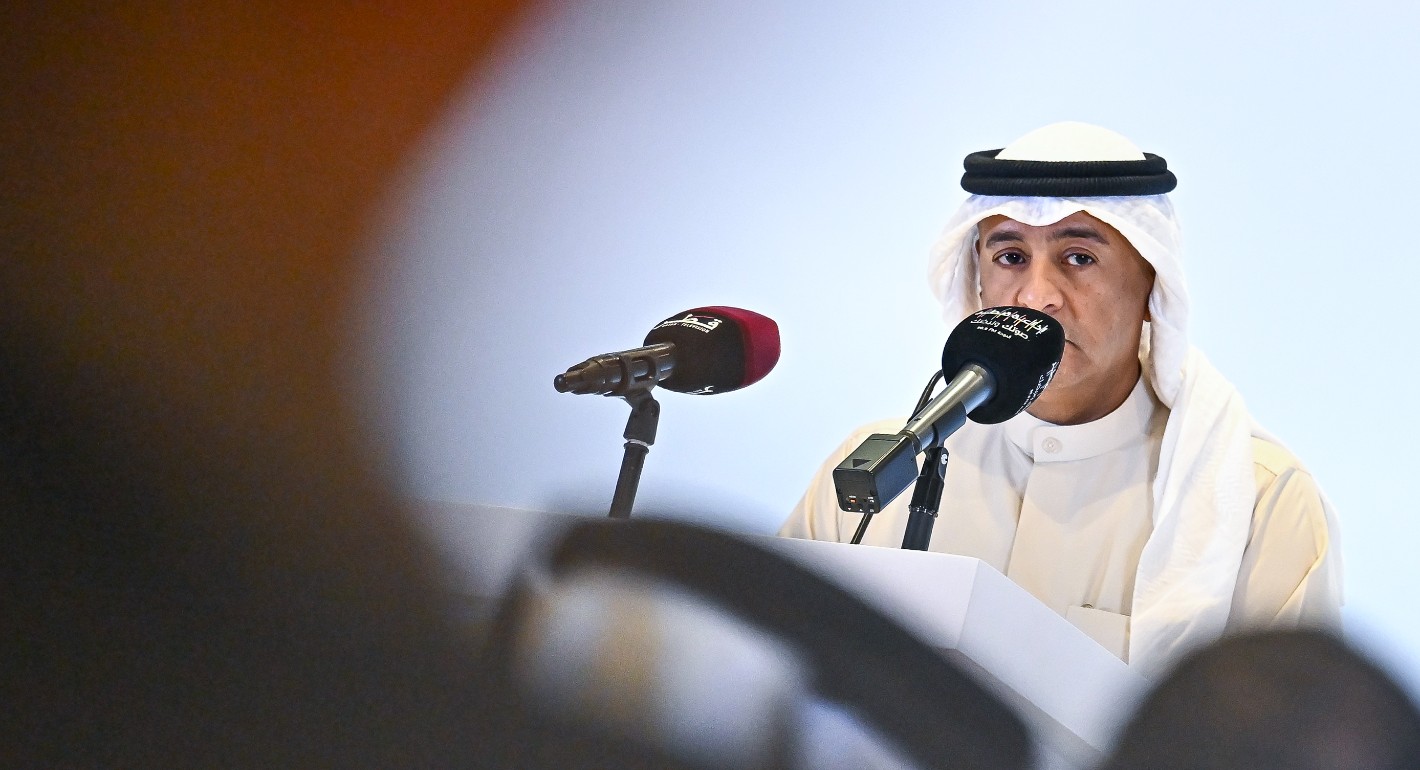
One is hopeful. One is realistic. One is cautionary.
Andrew Leber, Sam Worby
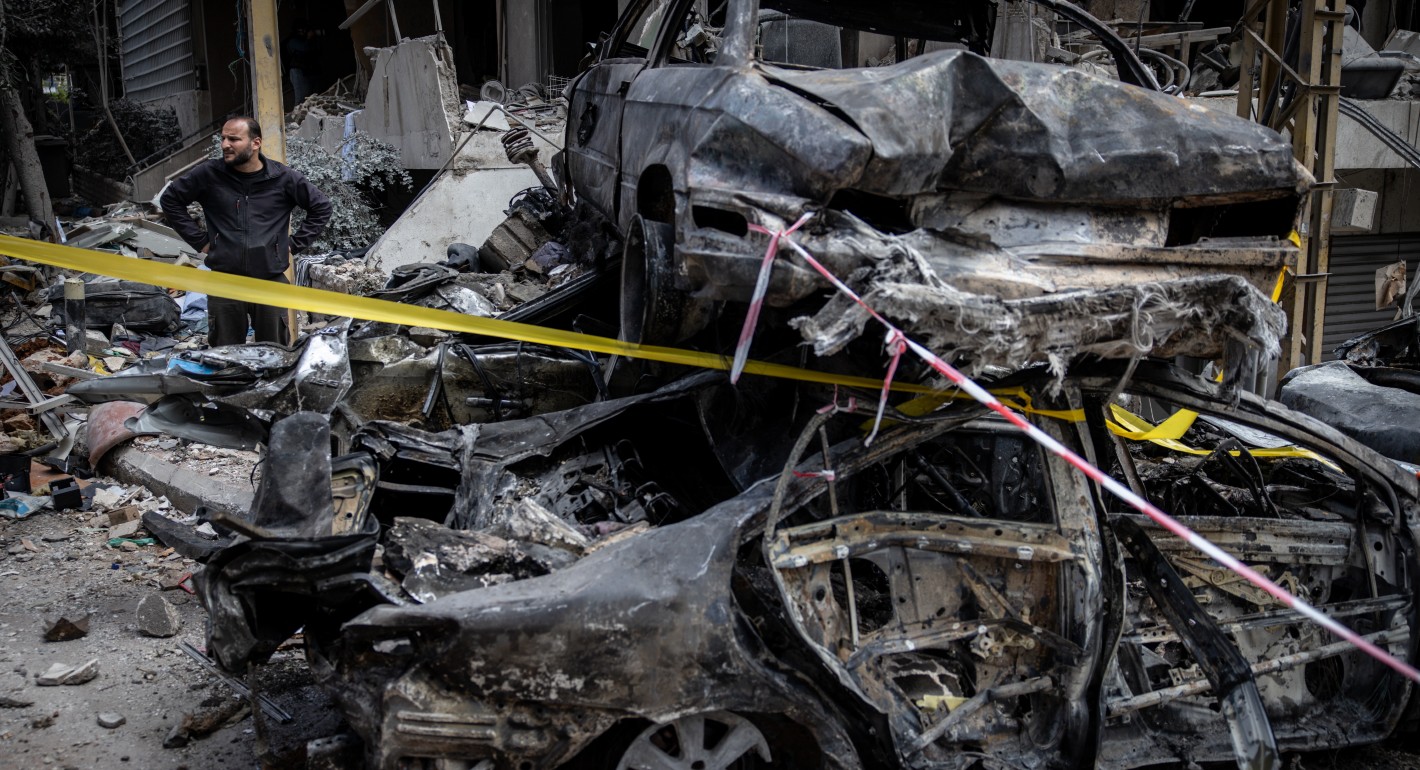
Four Middle East experts analyze the region’s reactions and next steps.
Amr Hamzawy, Andrew Leber, Eric Lob, …
As the war between the United States, Israel, and Iran continues, Carnegie scholars contribute cutting-edge analysis on the events of the war and their wide-reaching implications. From the impact on Iran and its immediate neighbors to the responses from Gulf states to fuel and fertilizer shortages caused by the effective shutdown of the Strait of Hormuz, the war is reshaping Middle East alliances and creating shockwaves around the world. Carnegie experts analyze it all.
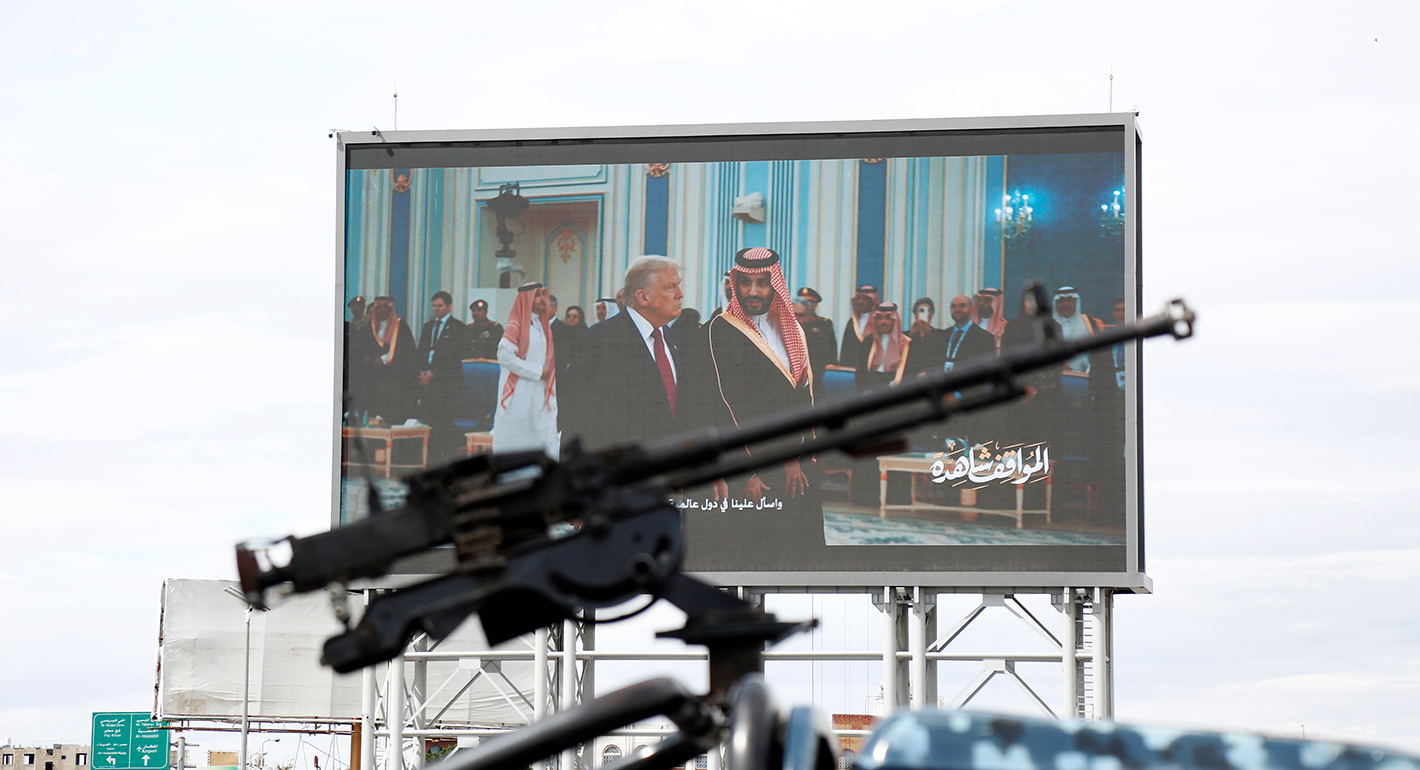
The return of war as the organizing factor in Middle Eastern politics has predictable consequences: governments are prioritizing regime stability and becoming averse to political and social reform.
Sarah Yerkes, Amr Hamzawy