

Article
Japan’s prime minister, Takaichi Sanae, may kickstart a discussion on Japan’s non-nuclear principles.
Shizuka Kuramitsu
{
  "authors": [],
  "type": "pressRelease",
  "centerAffiliationAll": "",
  "centers": [
    "Carnegie Endowment for International Peace"
  ],
  "collections": [],
  "englishNewsletterAll": "",
  "nonEnglishNewsletterAll": "",
  "primaryCenter": "Carnegie Endowment for International Peace",
  "programAffiliation": "",
  "programs": [],
  "projects": [],
  "regions": [],
  "topics": [
    "Nuclear Policy"
  ]
}
REQUIRED IMAGE
Representing 40 non-government organizations at today’s UN conference, Jessica Mathews, president of the Carnegie Endowment, urged key governments to ratify the Comprehensive Nuclear Test Ban Treaty.
WASHINGTON, Sept 25—Representing 40 non-government organizations at today’s UN conference, Jessica Mathews, president of the Carnegie Endowment, urged key governments to ratify the Comprehensive Nuclear Test Ban Treaty.
The NGO statement, on behalf of a diverse set of nuclear nonproliferation and disarmament leaders, former public officials, and diplomats, said:
“CTBT entry into force is within reach. The next two years may represent the best opportunity to secure the future of this long-awaited and much-needed treaty. We strongly urge that like-minded pro-CTBT states work together to develop and execute a common diplomatic strategy to persuade the remaining states to sign and/or ratify the treaty before the next [CTBT] Conference two years from now.”
Speaking on the importance of the Treaty, Mathews said:
“Entry of the CTBT into force is vital and it is urgent. Nuclear proliferation is the biggest security threat of the 21st century and entry into force is an absolute prerequisite to the steps that have to be taken to plug the dangerous holes in the nonproliferation regime.”
To date, 181 states have signed the Treaty (including China and the United States) and 150 have ratified. Nine more states including—China, the DPRK, Egypt, India, Indonesia, Israel, Iran, Pakistan, and the United States—must ratify before the CTBT can formally enter into force.
###
Notes:
Carnegie does not take institutional positions on public policy issues; the views represented herein are those of the author(s) and do not necessarily reflect the views of Carnegie, its staff, or its trustees.
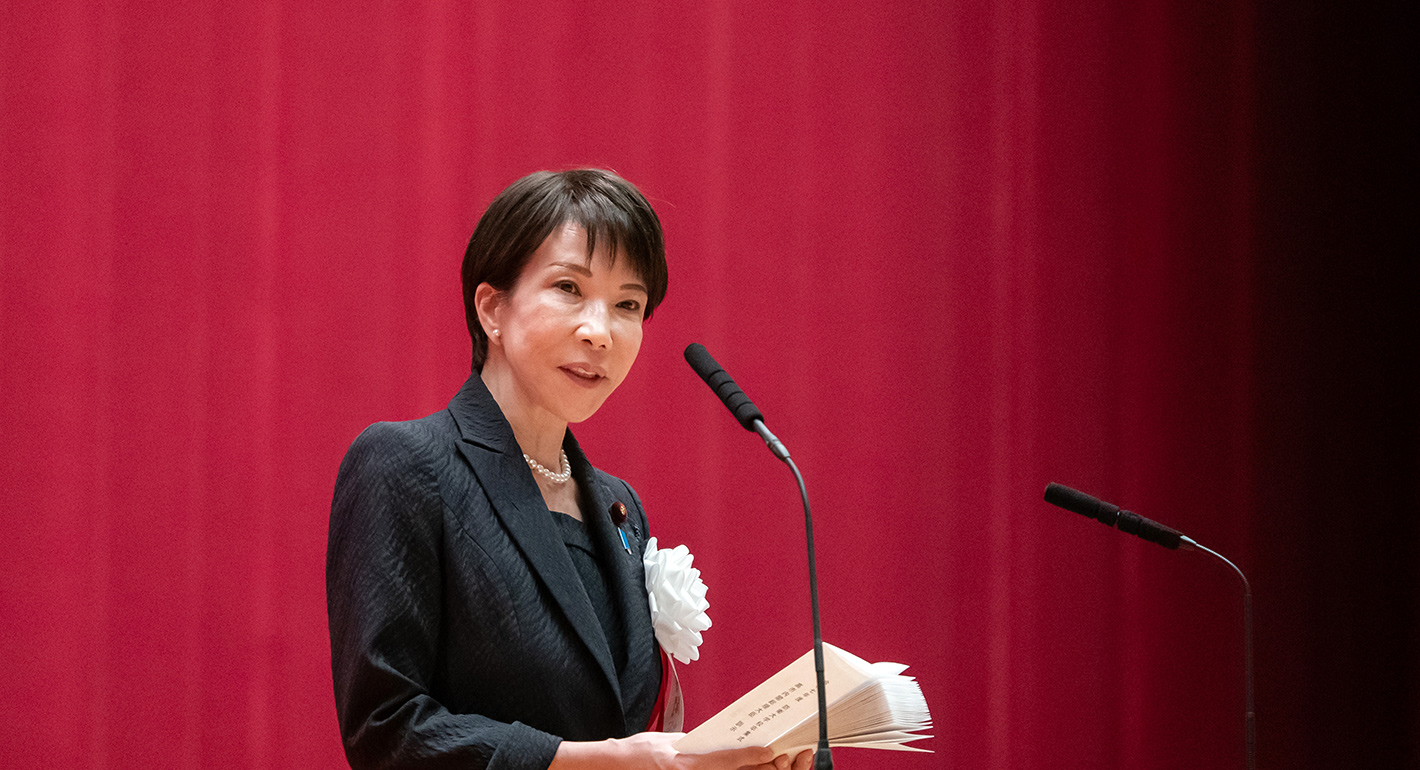
Japan’s prime minister, Takaichi Sanae, may kickstart a discussion on Japan’s non-nuclear principles.
Shizuka Kuramitsu
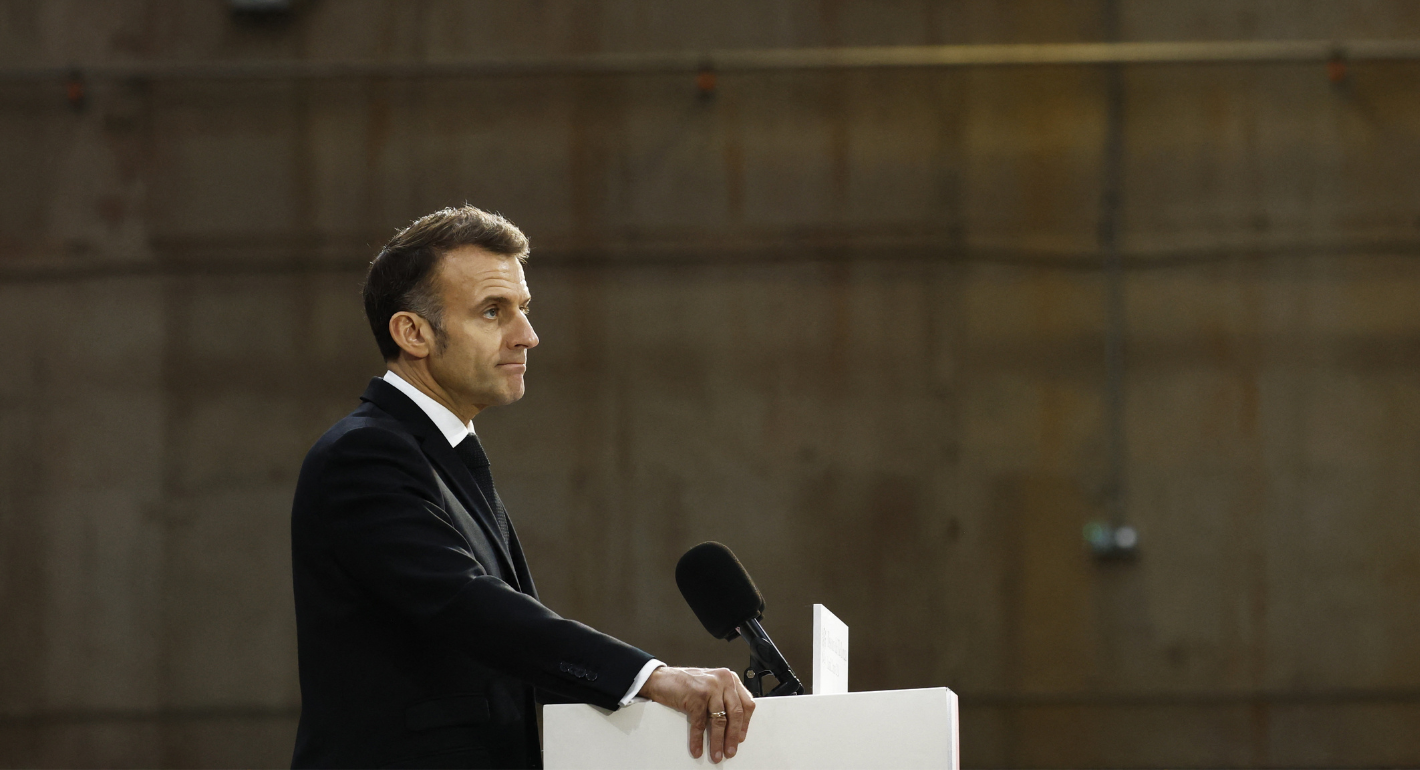
French President Emmanuel Macron has unveiled his country’s new nuclear doctrine. Are the changes he has made enough to reassure France’s European partners in the current geopolitical context?

Rym Momtaz, ed.

Europe’s reaction to the war in Iran has been disunited and meek, a far cry from its previously leading role in diplomacy with Tehran. To avoid being condemned to the sidelines while escalation continues, Brussels needs to stand up for international law.

Pierre Vimont

Germany's sometimes ambiguous nuclear policy advocates nuclear weapons for deterrence purposes but at the same time adheres to non-proliferation. This dichotomy can turn into a formidable dilemma and increase proliferation pressures in Berlin once no nuclear protector is around anymore, a scenario that has become more realistic in recent years.

Ulrich Kühn
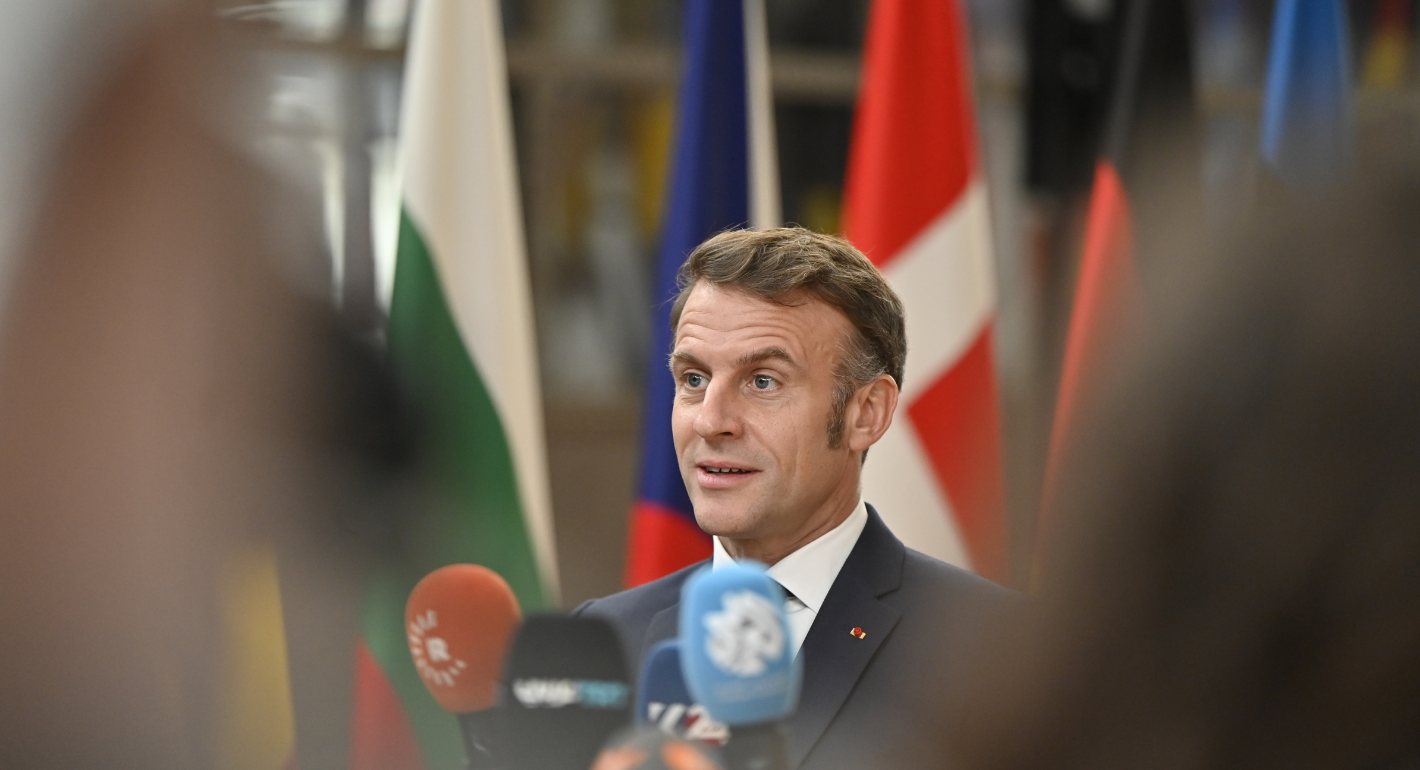
France has stopped clinging to notions of being a great power and is embracing the middle power moment. But Emmanuel Macron has his work cut out if he is to secure his country’s global standing before his term in office ends.
Rym Momtaz