• Research
  • Emissary
  • About
  • Experts
Carnegie Global logoCarnegie lettermark logo
DemocracyIran
  • Donate
{
  "authors": [],
  "type": "pressRelease",
  "centerAffiliationAll": "",
  "centers": [
    "Carnegie Endowment for International Peace"
  ],
  "collections": [],
  "englishNewsletterAll": "",
  "nonEnglishNewsletterAll": "",
  "primaryCenter": "Carnegie Endowment for International Peace",
  "programAffiliation": "",
  "programs": [],
  "projects": [],
  "regions": [
    "East Asia",
    "South Korea"
  ],
  "topics": [
    "Nuclear Policy"
  ]
}
REQUIRED IMAGE

REQUIRED IMAGE

Press Release

North Korea’s Latest Nuclear Test

With North Korea recently conducting its third nuclear test, Carnegie experts assess Pyongyang’s nuclear capability and the security, geopolitical, and technological implications of this latest provocation.

Link Copied
Published on Feb 12, 2013

With North Korea recently conducting its third nuclear test, Carnegie experts are available to assess Pyongyang’s nuclear capability and the security, geopolitical, and technological implications of this latest provocation. 

To request an interview, please contact Charita Law at claw@ceip.org or +1 202 939 2233.

Here are rapid reactions from Carnegie's global experts: 

"North Korea's third test appears to be larger than its first two, but not dramatically so. In the coming hours and day, watch to see better yield estimates, whether the weapon was made from plutonium or uranium, and whether there will be a second test."

—James M. Acton

"At a time when the United States is poised to cut defense spending further, and the new defense secretary nominee has advocated in the past for reducing the U.S. nuclear arsenal, questions in Tokyo and Seoul about the long-term sustainability of the U.S. nuclear umbrella will arise anew. The fact is that the United States still has the capability to reassure its allies on this front, but it will require constant bilateral attention and the development of even closer defense relationships to maintain deterrence in this new nuclear age. Now is not the time for allies to think they need to go it alone." 

—James L. Schoff

"In the past North Korea had no choice but to deplete its small and finite inventory of plutonium to test nuclear weapons. Today and in the future, an unchecked and growing enrichment capability in North Korea is a game changer because it will allow Pyongyang to indefinitely stockpile highly enriched uranium fuel for an ever-larger nuclear weapons arsenal."

—Mark Hibbs

"In terms of what the nuclear test says about the behavior of the new North Korean government, does the test consolidate Kim Jong Un's power and allow him to pursue new six-party negotiations? Or does it foretell a hardening of security policy and therefore mean more provocations in the near future? It's too soon to tell."

—Toby Dalton

"The test shows that the North Korean government has strong and blind faith in the coercive influence of its nuclear-weapons capability. This is the wrong approach for its country and people."

—Li Bin

"North Korea's effort to impress its potential clients with its nuclear and missile prowess has reached new heights with the recent long-range missile test and the current nuclear test."

—Ariel Levite

"The test will likely cause certain voices in Japan to ramp up calls for the development of a next-generation ballistic missile defense system with the United States. A new system could trigger the expansion of armaments of both North Korea and China, which could cause instability in East Asia. It is highly recommended that the United States stays calm and encourages Japan not to overreact to North Korea's nuclear test." 

—Tomoko Kurokawa

Nuclear PolicyEast AsiaSouth Korea

Carnegie does not take institutional positions on public policy issues; the views represented herein are those of the author(s) and do not necessarily reflect the views of Carnegie, its staff, or its trustees.

More Work from Carnegie Endowment for International Peace

  • Article
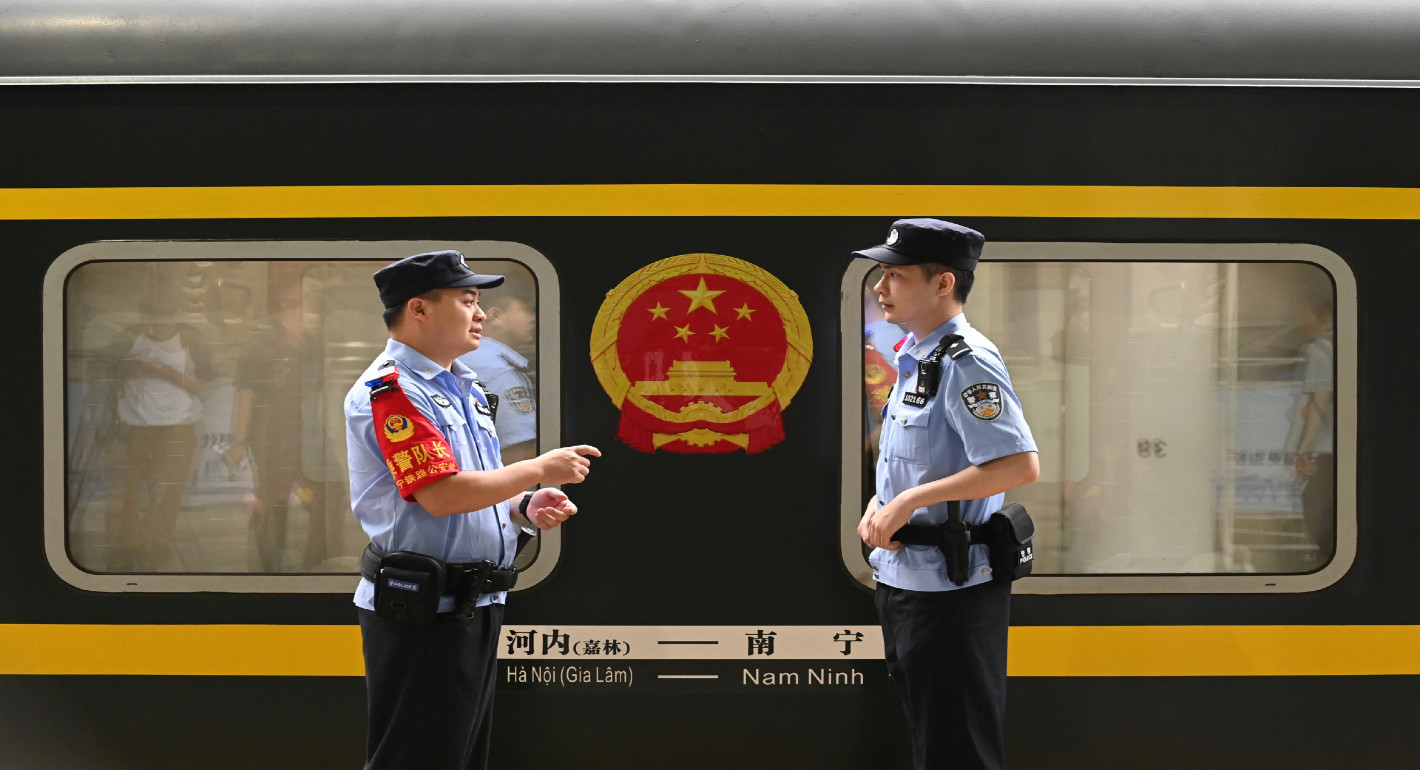
    Leveraging Internal Security Cooperation with Vietnam Offers a Glimpse of Future Chinese Diplomacy with Southeast Asia

    Despite long-standing differences, China and Vietnam are reinforcing common ground for collaboration, especially in public security. This internal security–centered diplomacy offers a strengthened road map for how China moves forward with Southeast Asia.

      Sophie Zhuang

  • Commentary
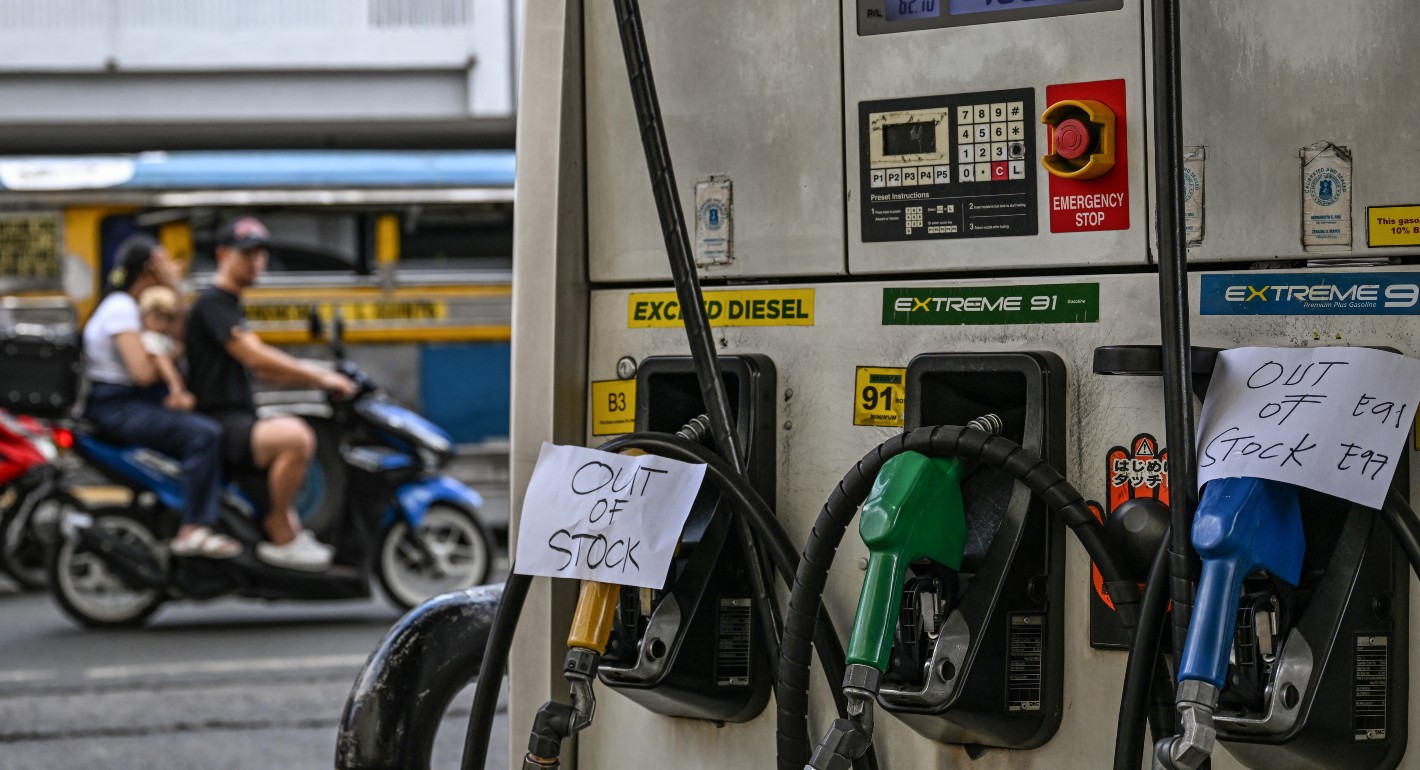
    China’s Energy Security Doesn’t Run Through Hormuz but Through the Electrification of Everything

    Across Asia, China is better positioned to withstand energy shocks from the fallout of the Iran war. Its abundant coal capacity can ensure stability in the near term. Yet at the same time, the country’s energy transition away from coal will make it even less vulnerable during the next shock.


      • Damien Ma

      Damien Ma

  • Commentary
    Emissary
    In Its Iran War Debate, Washington Has Lost the Plot in Asia

    The United States ignores the region’s lived experience—and the tough political and social trade-offs the war has produced—at its peril.

      Evan A. Feigenbaum

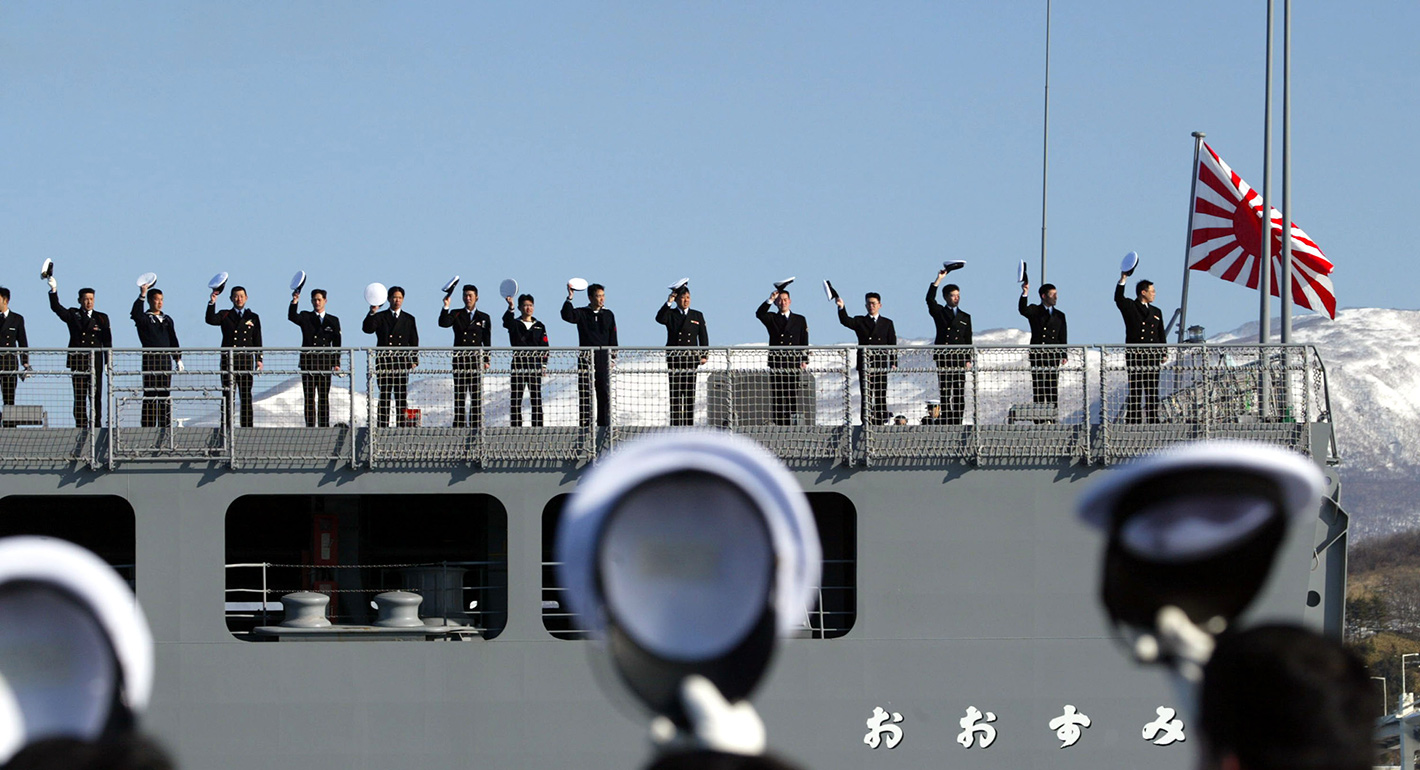
  • apan's 8,900-ton Maritime Self-Defense Force supply ship Oosumi leaves Muroran port escorted by the 4,550-ton destroyer Murasame bound for Kuwait February 20, 2004 in Muroran, Japan.
    Article
    Japan’s Security Policy Is Still Caught Between the Alliance and Domestic Reality

    Japan’s response to U.S. pressure over Hormuz highlights a broader dilemma: How to preserve the alliance while remaining bound by legal limits, public opinion, and an Asia-centered security agenda. Tokyo gained diplomatic space through an alliance-embracing strategy, but only under conditions that may not endure.

      • Ryo Sahashi

      Ryo Sahashi

  • Implementing the Biden Administration’s China Strategy
    Report
    Implementing the Biden Administration’s China Strategy

    At the heart of Biden’s approach to China was the consolidation of a framework for strategic competition with an eye toward coexistence.

      • Senkai Hsia

      Christopher S. Chivvis, Senkai Hsia

Get more news and analysis from
Carnegie Endowment for International Peace
Carnegie global logo, stacked
1779 Massachusetts Avenue NWWashington, DC, 20036-2103Phone: 202 483 7600Fax: 202 483 1840
  • Research
  • Emissary
  • About
  • Experts
  • Donate
  • Programs
  • Events
  • Blogs
  • Podcasts
  • Contact
  • Annual Reports
  • Careers
  • Privacy
  • For Media
  • Government Resources
Get more news and analysis from
Carnegie Endowment for International Peace
© 2026 Carnegie Endowment for International Peace. All rights reserved.