Commentary
Four Middle East experts analyze the region’s reactions and next steps.
- +1
Amr Hamzawy, Andrew Leber, Eric Lob, …
{
  "authors": [],
  "type": "pressRelease",
  "centerAffiliationAll": "dc",
  "centers": [
    "Carnegie Endowment for International Peace",
    "Carnegie Europe"
  ],
  "collections": [],
  "englishNewsletterAll": "ctw",
  "nonEnglishNewsletterAll": "",
  "primaryCenter": "Carnegie Endowment for International Peace",
  "programAffiliation": "EP",
  "programs": [
    "Europe"
  ],
  "projects": [],
  "regions": [
    "Iran"
  ],
  "topics": []
}
REQUIRED IMAGE
Sinan Ülgen, visiting scholar at Carnegie Europe, has been invited by NATO Secretary General Anders Fogh Rasmussen to participate in a policy experts group.
BRUSSELS—Sinan Ülgen, visiting scholar at Carnegie Europe, has been invited by NATO Secretary General Anders Fogh Rasmussen to participate in a policy experts group tasked with providing new ideas on how to strengthen the alliance’s transatlantic ties.
Ülgen, a former Turkish diplomat whose research focuses on the implications of Turkish foreign policy for Europe and the United States, is director of the Istanbul-based Center for Economics and Foreign Policy Studies (EDAM.) He and nine other think tank heads from across Europe and North America will join the NATO Parliamentary Assembly and a group of young leaders to find ways to strengthen the transatlantic bond.
The groups’ recommendations will be reviewed at a conference in Brussels in June and will feed into the September NATO Summit in Wales.
“I am honored to have been invited to join this expert group, which is meeting at a critical juncture in the history of the alliance,” Ülgen said. “We shall endeavor to identify a set of concrete proposals that can be taken on board by NATO leaders.”
Press Contact: Christine Lynch | +32 2 209 29 93 | clynch@ceip.org
Carnegie Europe is the Brussels-based center of the Carnegie Endowment for International Peace. Through publications, articles, seminars, and private consultations, Carnegie Europe aims to foster new thinking on the daunting international challenges shaping Europe’s role in the world.
Carnegie does not take institutional positions on public policy issues; the views represented herein are those of the author(s) and do not necessarily reflect the views of Carnegie, its staff, or its trustees.
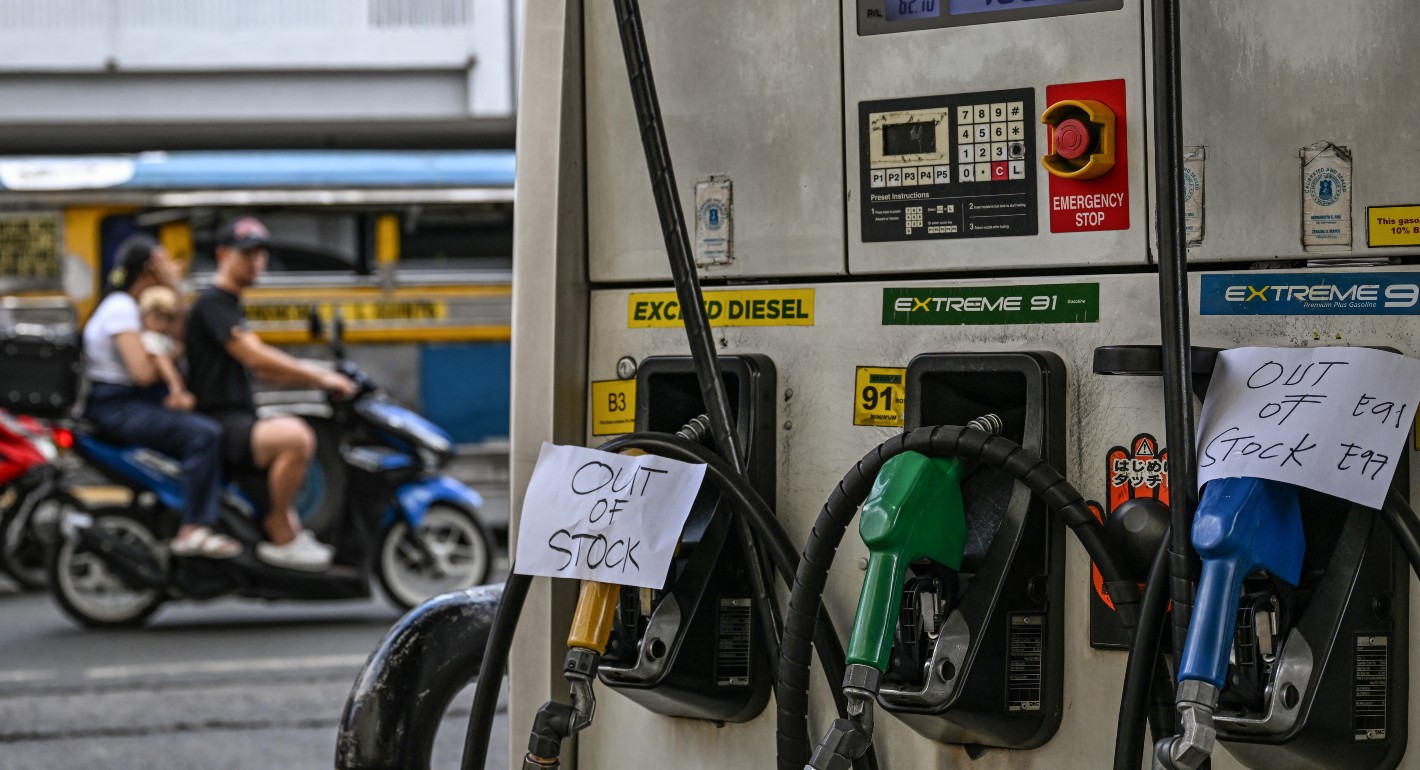
Four Middle East experts analyze the region’s reactions and next steps.



Amr Hamzawy, Andrew Leber, Eric Lob, …
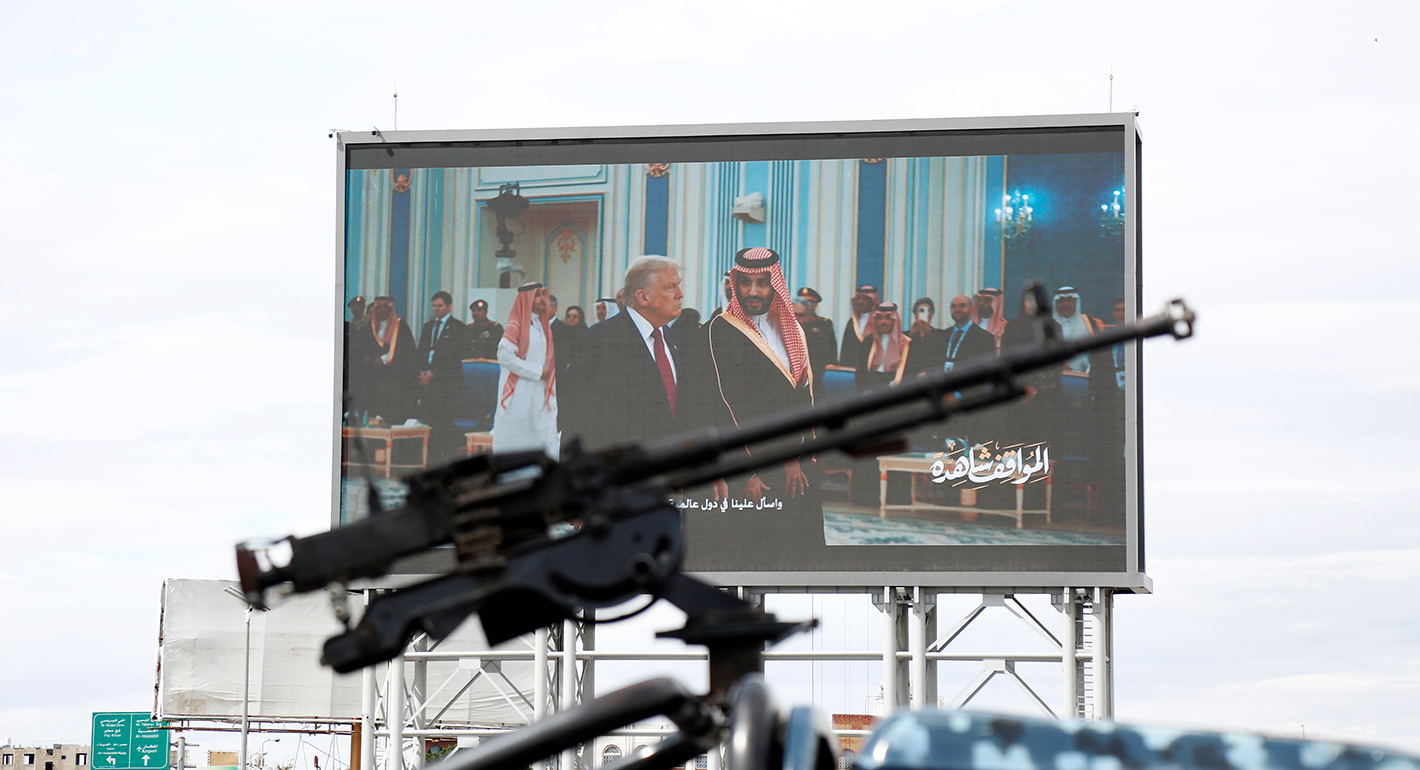
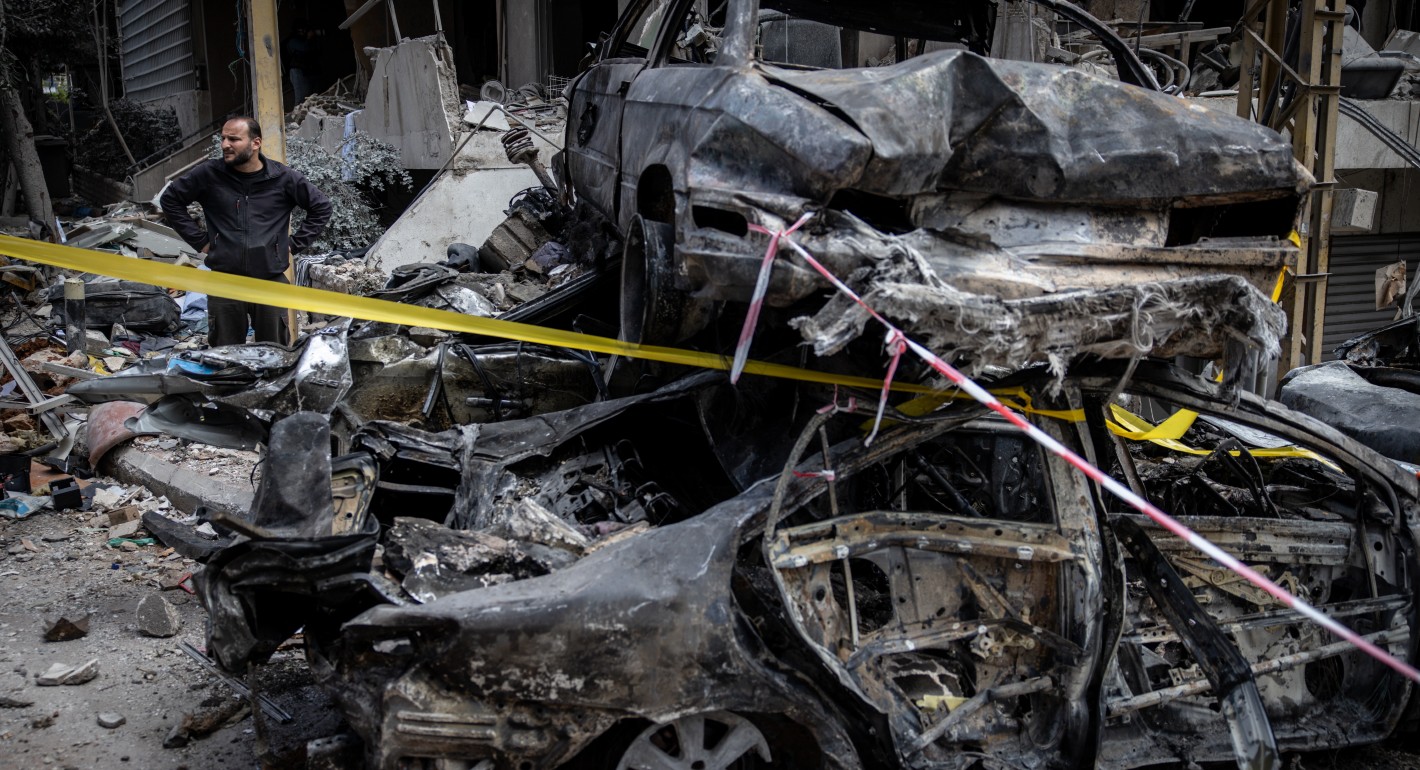
As the war between the United States, Israel, and Iran continues, Carnegie scholars contribute cutting-edge analysis on the events of the war and their wide-reaching implications. From the impact on Iran and its immediate neighbors to the responses from Gulf states to fuel and fertilizer shortages caused by the effective shutdown of the Strait of Hormuz, the war is reshaping Middle East alliances and creating shockwaves around the world. Carnegie experts analyze it all.
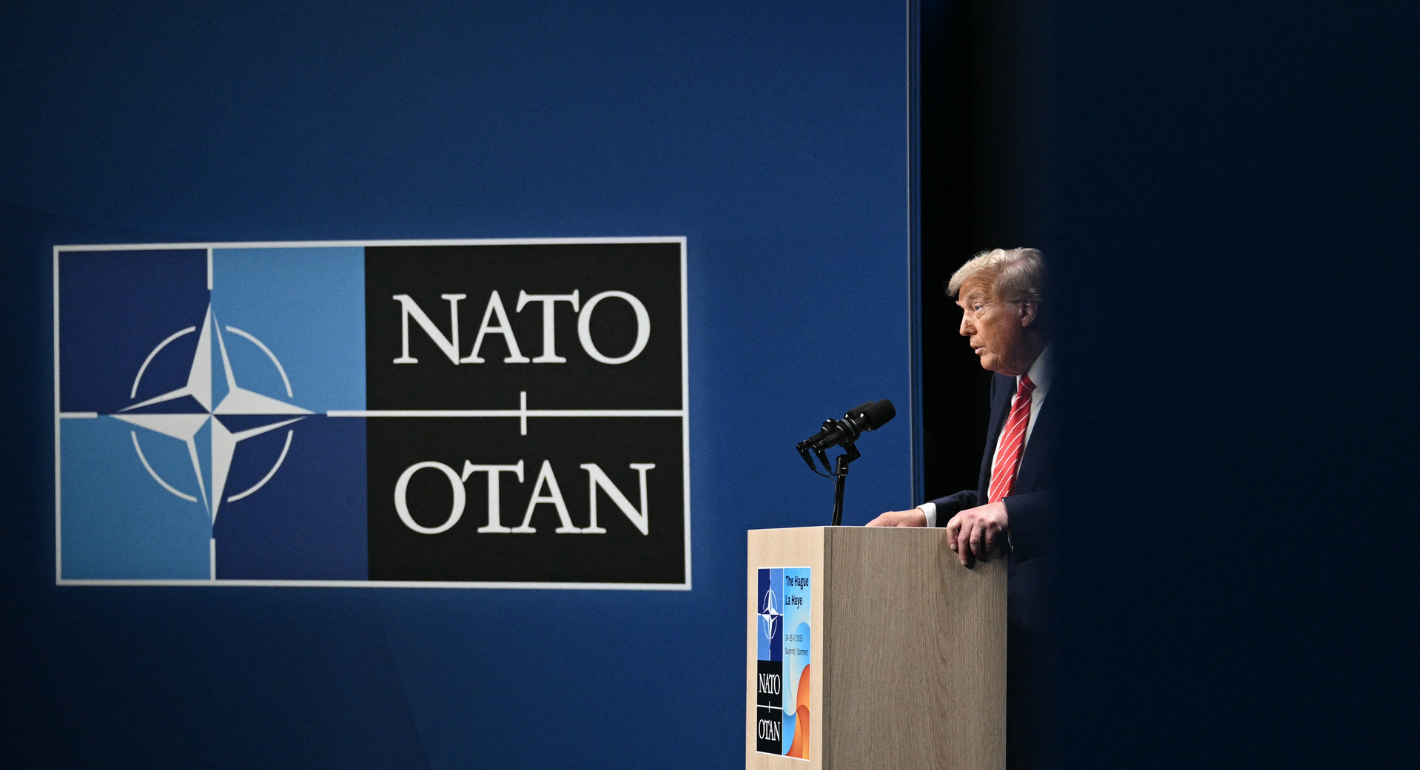
Donald Trump has repeatedly bashed NATO and European allies, threatening to annex Canada and Greenland and deploring their lack of enthusiasm for his war of choice in Iran. Is this latest round of abuse the final straw?

Rym Momtaz, ed.
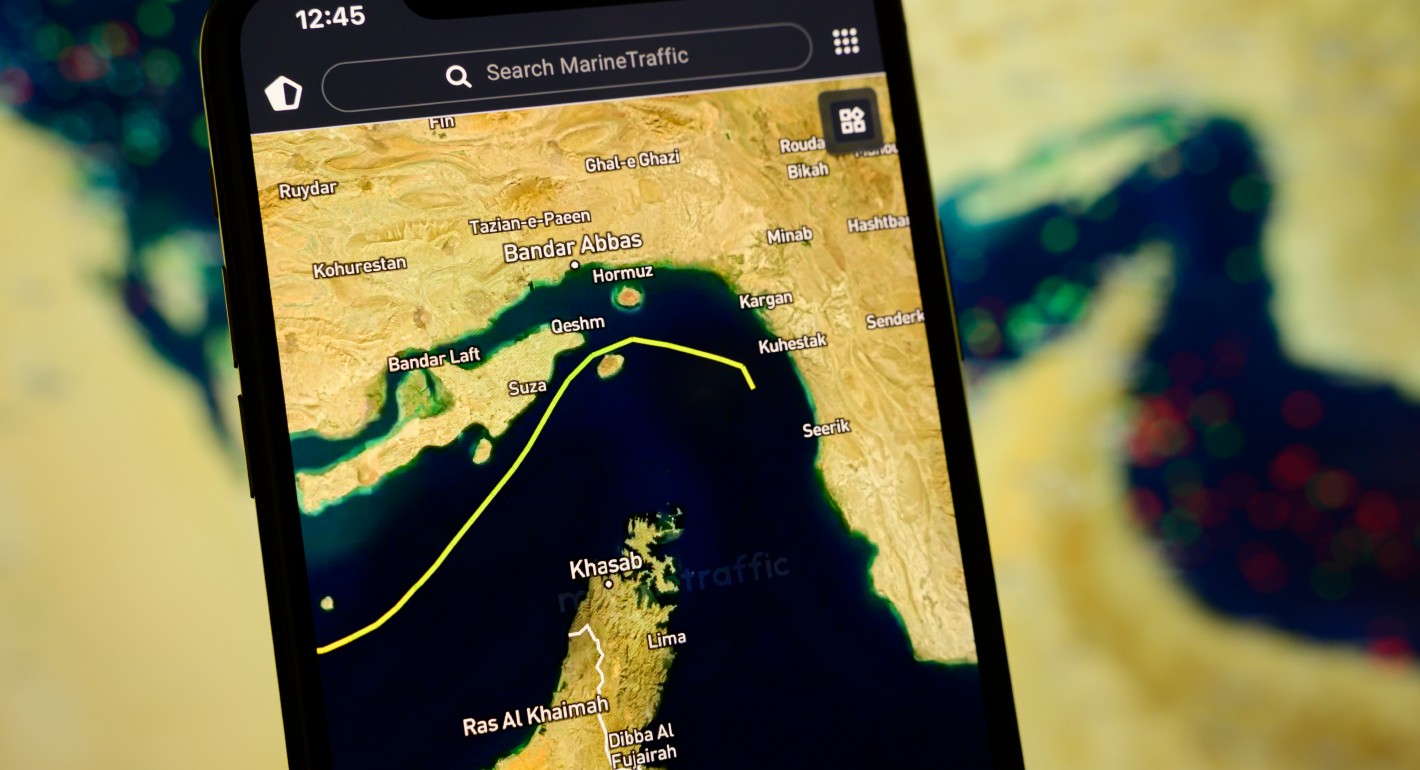
Why the Iran ceasefire isn’t a quick fix to the Strait of Hormuz energy crisis.

Helima Croft, Aaron David Miller
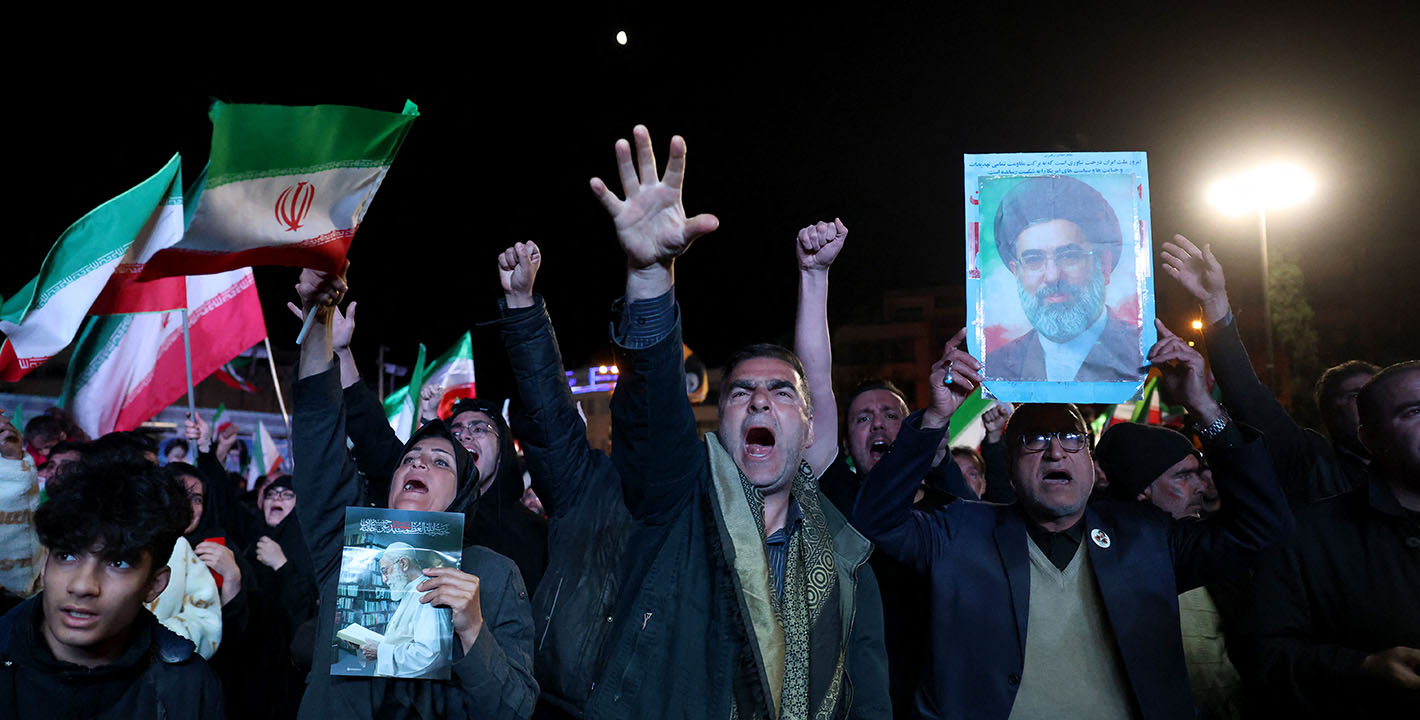
Spot analysis from Carnegie scholars on events relating to the Middle East and North Africa.

Michael Young