

In The Media
Vikram Nehru
{
  "authors": [
    "Vikram Nehru"
  ],
  "type": "other",
  "centerAffiliationAll": "",
  "centers": [
    "Carnegie Endowment for International Peace"
  ],
  "collections": [],
  "englishNewsletterAll": "",
  "nonEnglishNewsletterAll": "",
  "primaryCenter": "Carnegie Endowment for International Peace",
  "programAffiliation": "",
  "programs": [],
  "projects": [],
  "regions": [
    "Southeast Asia",
    "Myanmar"
  ],
  "topics": []
}
Source: Getty
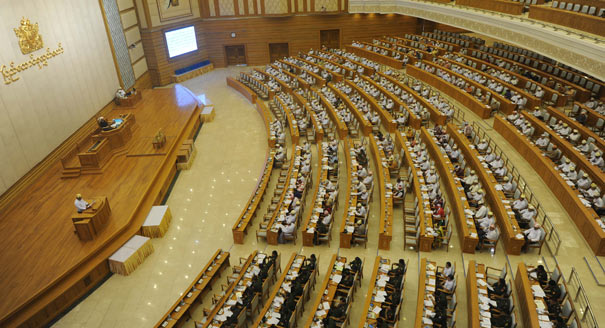
A guide to some of the basic information surrounding Myanmar’s upcoming elections and why they matter.
What: Myanmar’s general election
Seats on the Line:
Voters will select representatives for the national parliament’s upper and lower houses as well as for the 14 regions/states.
The lower house has 330 directly elected seats and 110 military appointees, for a total of 440 seats. The upper house includes 12 members of parliament elected from each state/region (for a total of 168) and 56 military appointees for a total of 224 seats.
When: November 8, 2015 (see timeline for more)

Number of Parties Registered: 83
How It Works:
Under the current setup, the winner in each election will be selected using the first-past-the-post system. But parliament recently approved a bill to introduce proportional representation in the upper house elections that is pending review by the Constitutional Tribunal.
The country’s election commission announced it will invite domestic and international monitors to observe the elections.
Because votes will be counted manually, it could take up to two weeks after Election Day for the final results to be announced.
Choosing a President and Cabinet:
After the vote, a Presidential Electoral College (PEC) will be formed from three groups—the lower and upper houses of the new parliament and the defense services. Each group will nominate one presidential candidate.
All members of the PEC will vote for the candidate of their choice. The candidate with the majority of votes becomes president, while the others become vice presidents.
Cabinet ministers will be chosen from among elected members of parliament, who must then vacate their parliamentary seats. These vacant seats will be filled through a by-election.
Presidential Candidates:
Aung San Suu Kyi—the country’s most popular politician—cannot be nominated for the presidency because of a constitutional provision that prevents anyone whose spouse or children are foreign nationals from holding the office of president or vice president (her children are British).
The front-runners are:
Last Updated: July 23, 2015
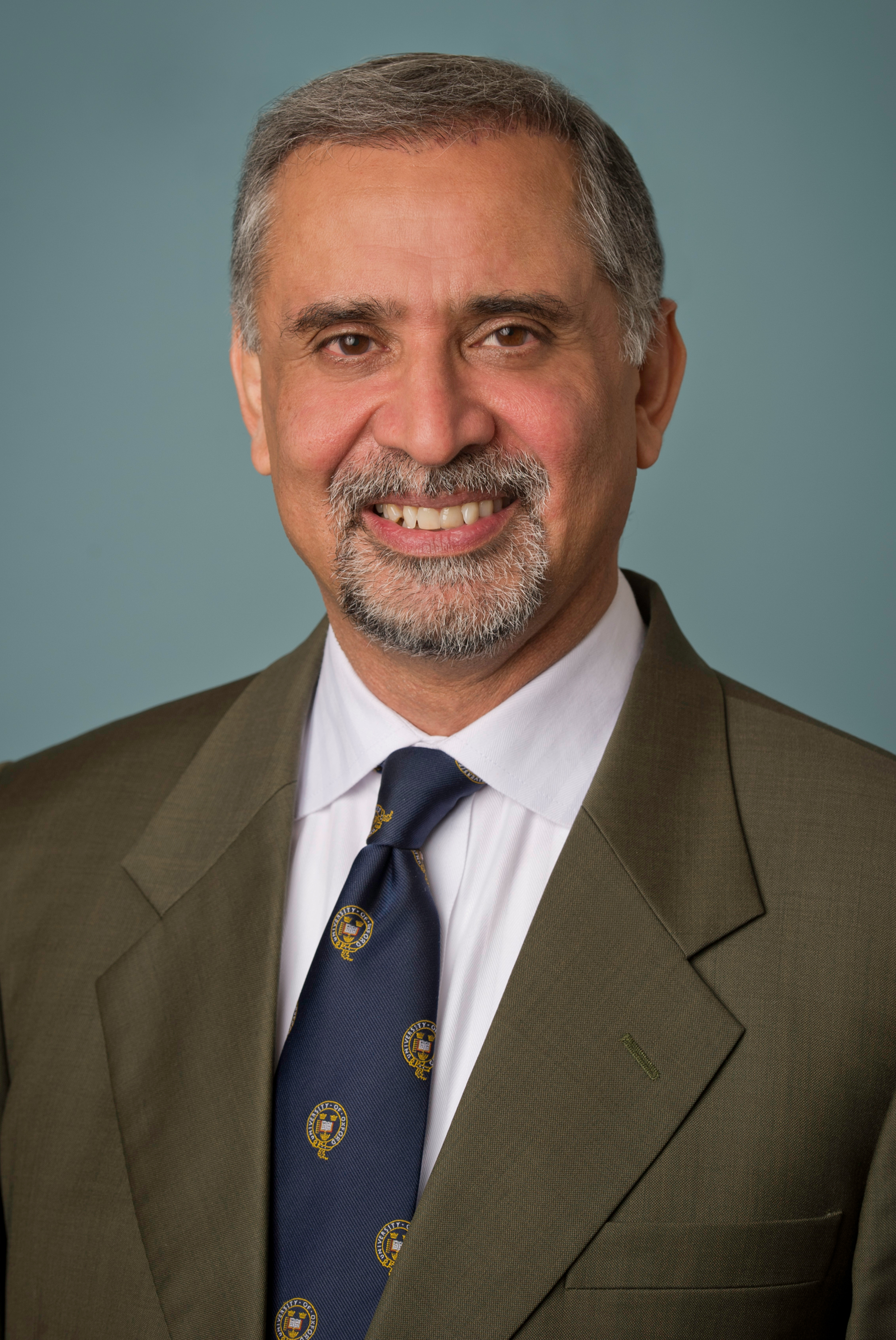
Former Nonresident Senior Fellow, Asia Program
Nehru was a nonresident senior fellow in the Carnegie Asia Program. An expert on development economics, growth, poverty reduction, debt sustainability, governance, and the performance and prospects of East Asia, his research focuses on the economic, political, and strategic issues confronting Asia, particularly Southeast Asia.
Recent Work
Vikram Nehru
Vikram Nehru
Carnegie does not take institutional positions on public policy issues; the views represented herein are those of the author(s) and do not necessarily reflect the views of Carnegie, its staff, or its trustees.
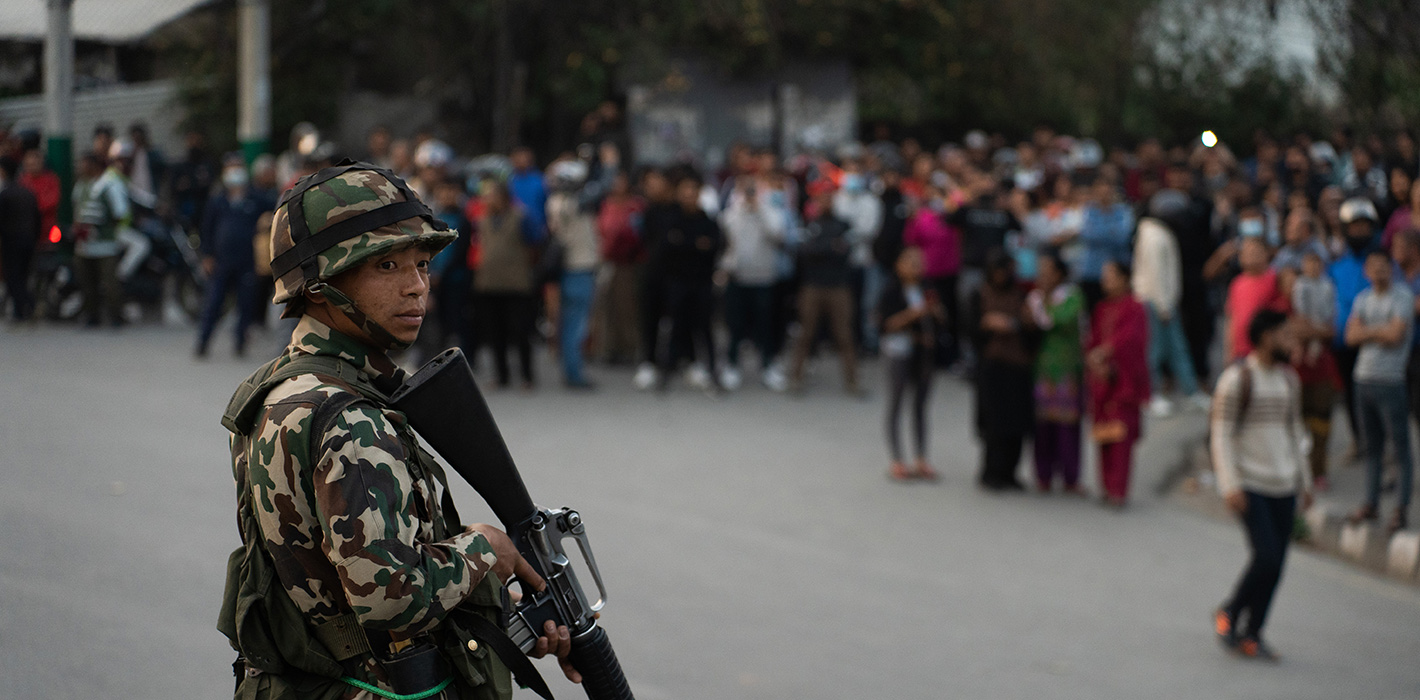
Military rule is now a defining political factor in South Asia. Here’s how analysts can understand and account for it.

Paul Staniland
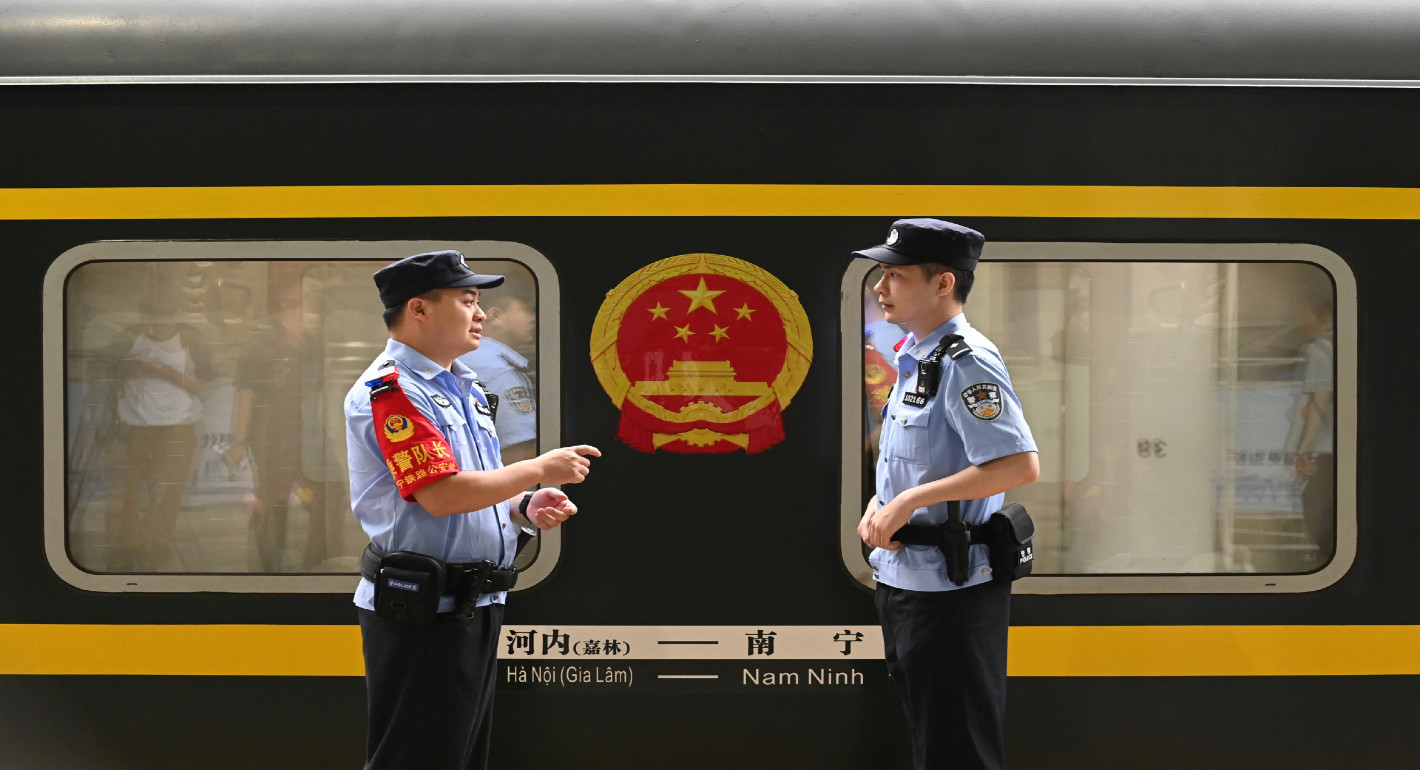
Despite long-standing differences, China and Vietnam are reinforcing common ground for collaboration, especially in public security. This internal security–centered diplomacy offers a strengthened road map for how China moves forward with Southeast Asia.
Sophie Zhuang
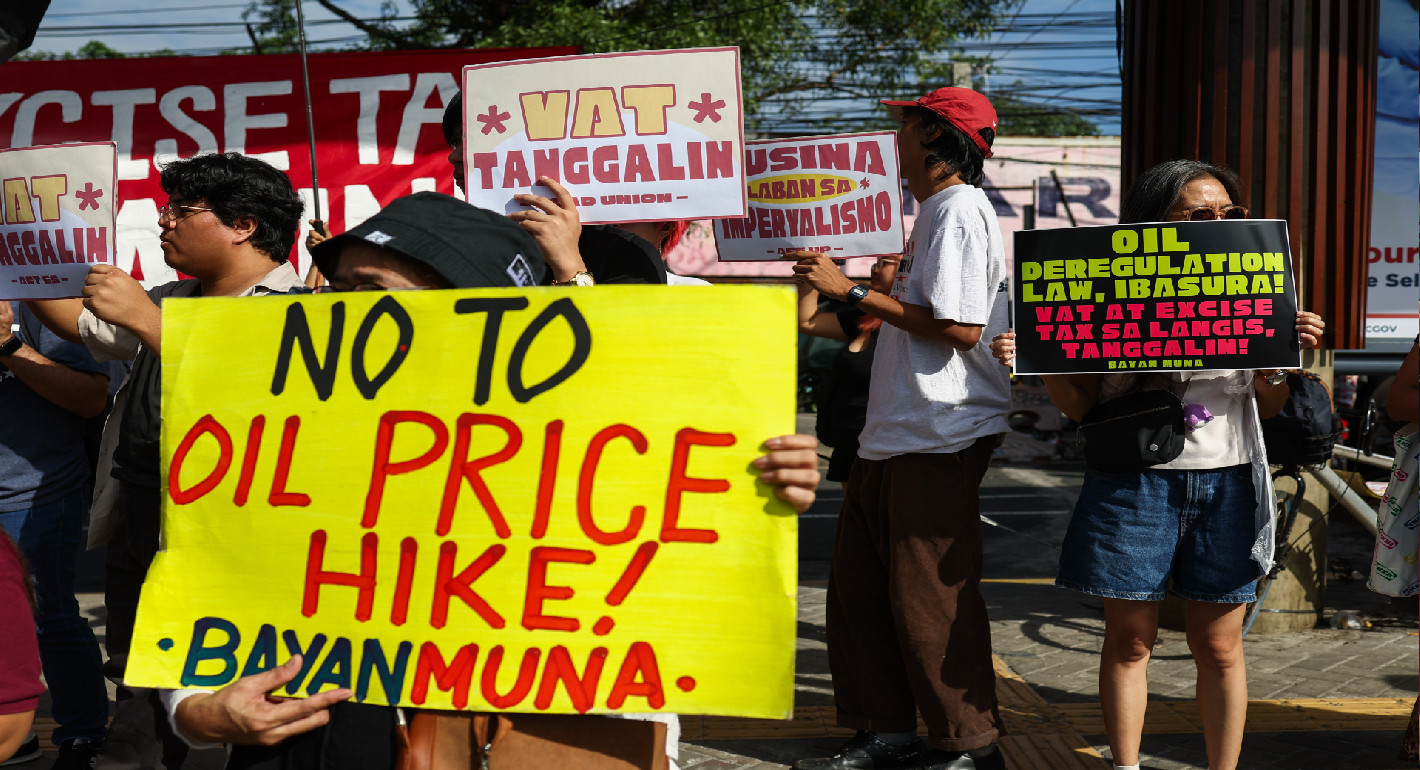
There is no better time for the countries of Southeast Asia to reconsider their energy security than during this latest crisis.
Gita Wirjawan
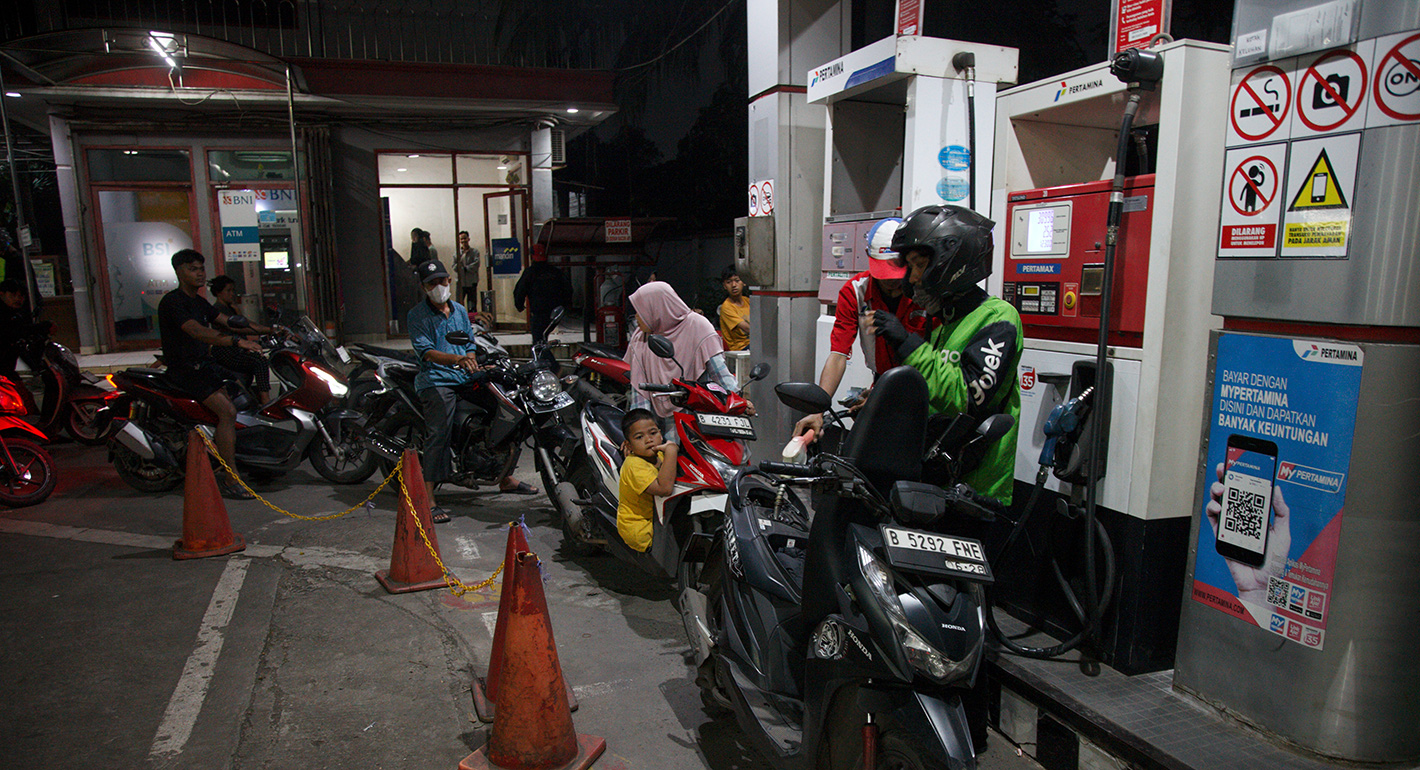
As conflict in the Middle East drives up fuel costs across Asia, Indonesia faces difficult policy trade-offs over subsidies, inflation, and fiscal credibility. President Prabowo’s personalized governance style may make these hard choices even harder to navigate.

Sana Jaffrey
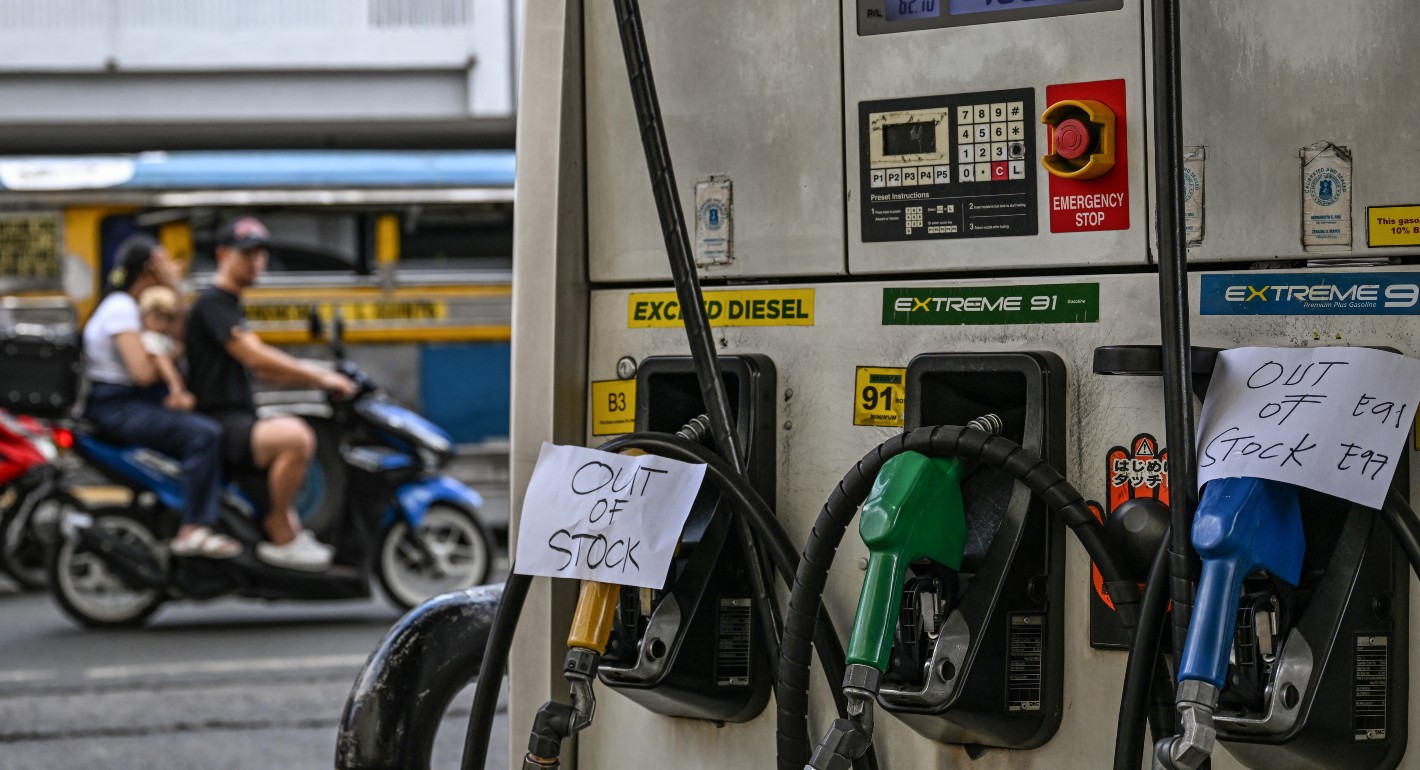
The United States ignores the region’s lived experience—and the tough political and social trade-offs the war has produced—at its peril.

Evan A. Feigenbaum