

Paper
In the Philippines, Duterte-era discourse emphasizing sovereignty, anti-Western skepticism, and strongman diplomacy mirrors tenets of populist foreign policy around the world.
Aries A. Arugay
{
  "authors": [],
  "type": "legacyinthemedia",
  "centerAffiliationAll": "dc",
  "centers": [
    "Carnegie Endowment for International Peace"
  ],
  "collections": [],
  "englishNewsletterAll": "asia",
  "nonEnglishNewsletterAll": "",
  "primaryCenter": "Carnegie Endowment for International Peace",
  "programAffiliation": "AP",
  "programs": [
    "Asia"
  ],
  "projects": [],
  "regions": [
    "East Asia",
    "Southeast Asia"
  ],
  "topics": []
}
Source: Getty
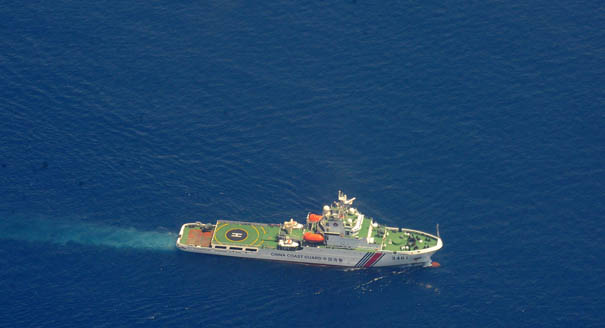
Following the Permanent Court of Arbitration’s ruling in favor of the Philippines on the South China Sea issue and its rejection of any legal basis for Beijing to claim historical rights to the nine-dash line, Chinese leadership must be wrestling with the question of whether to transform its disavowal of the decision into more than words
Source: Australian Broadcasting Corporation
Following the Permanent Court of Arbitration's ruling in favor of the Philippines on the South China Sea issue and its rejection of any legal basis for Beijing to claim historical rights to the nine-dash line, Douglas Paal discusses potential Chinese responses to the ruling with ABC's Fran Kelly. He states that the Chinese leadership must be wrestling with the same questions of whether to transform its disavowal of the court's decision into more than words, and addresses the potential effects of further Chinese militarization in the South China Sea.
Carnegie does not take institutional positions on public policy issues; the views represented herein are those of the author(s) and do not necessarily reflect the views of Carnegie, its staff, or its trustees.
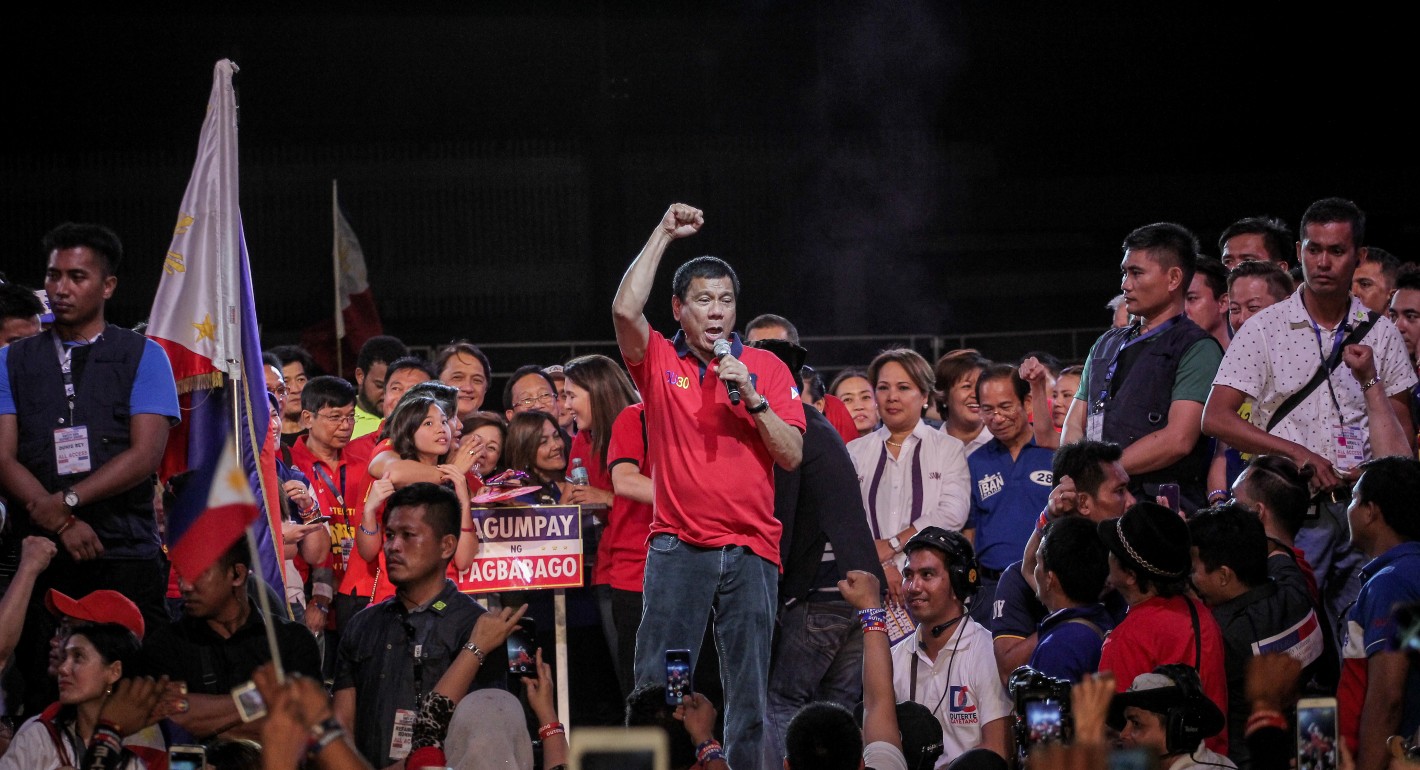
In the Philippines, Duterte-era discourse emphasizing sovereignty, anti-Western skepticism, and strongman diplomacy mirrors tenets of populist foreign policy around the world.
Aries A. Arugay
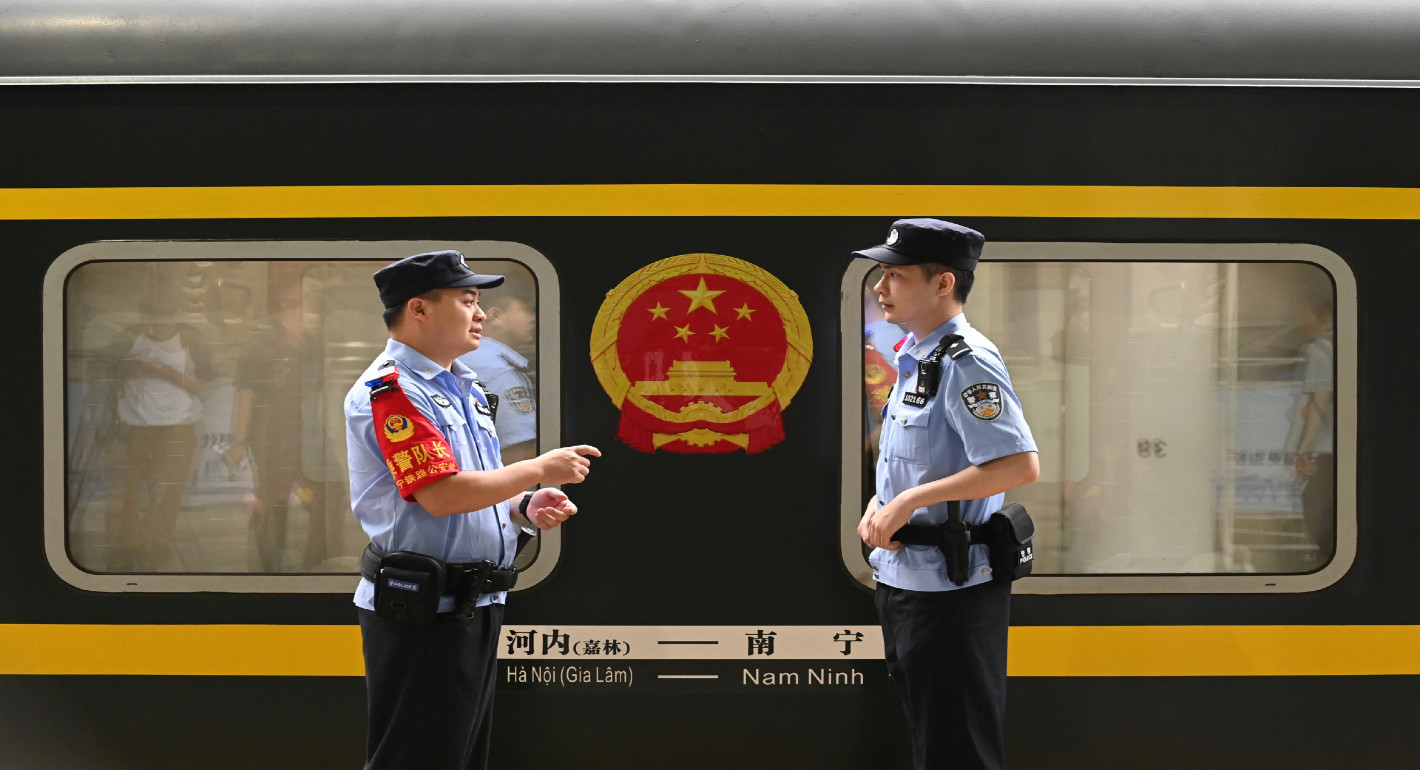
Despite long-standing differences, China and Vietnam are reinforcing common ground for collaboration, especially in public security. This internal security–centered diplomacy offers a strengthened road map for how China moves forward with Southeast Asia.
Sophie Zhuang
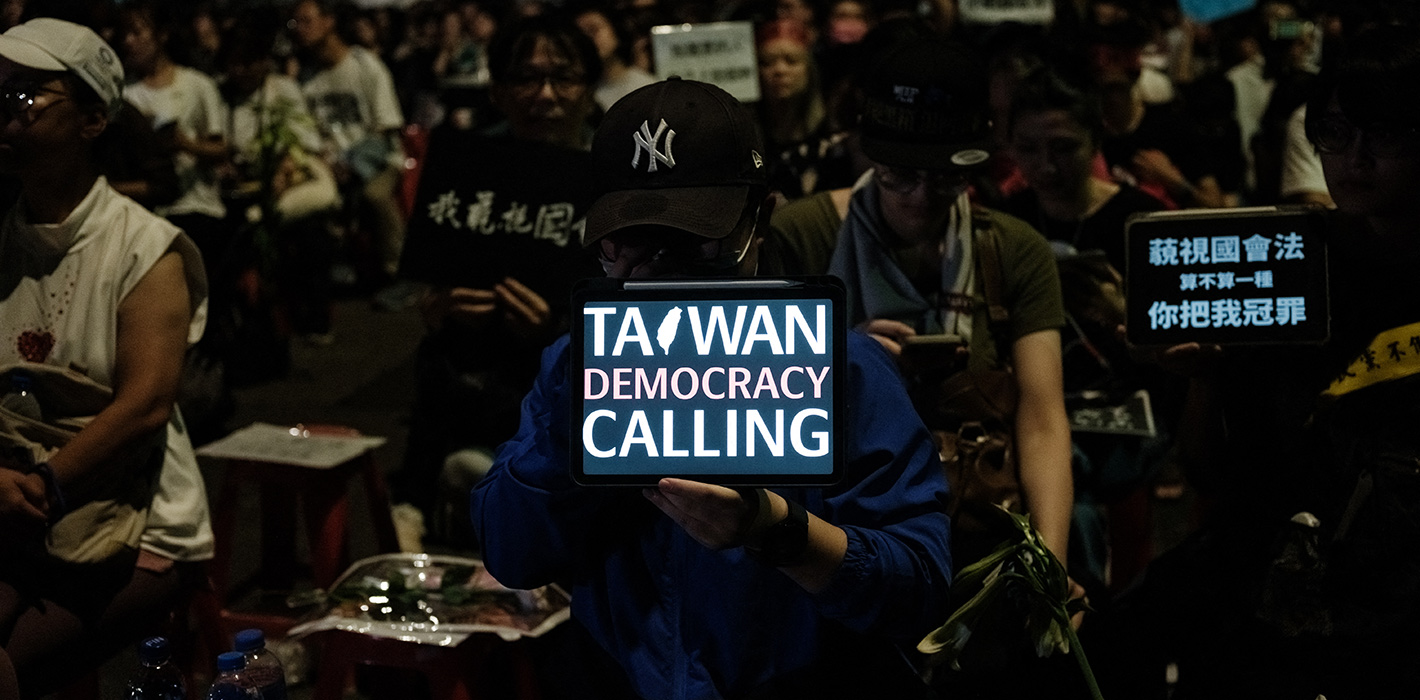
Governments now deploy online platforms to shape public opinion and influence collective cognition. This is acutely apparent between China and Taiwan.
Frank Cheng-Shan Liu

Across Asia, China is better positioned to withstand energy shocks from the fallout of the Iran war. Its abundant coal capacity can ensure stability in the near term. Yet at the same time, the country’s energy transition away from coal will make it even less vulnerable during the next shock.

Damien Ma
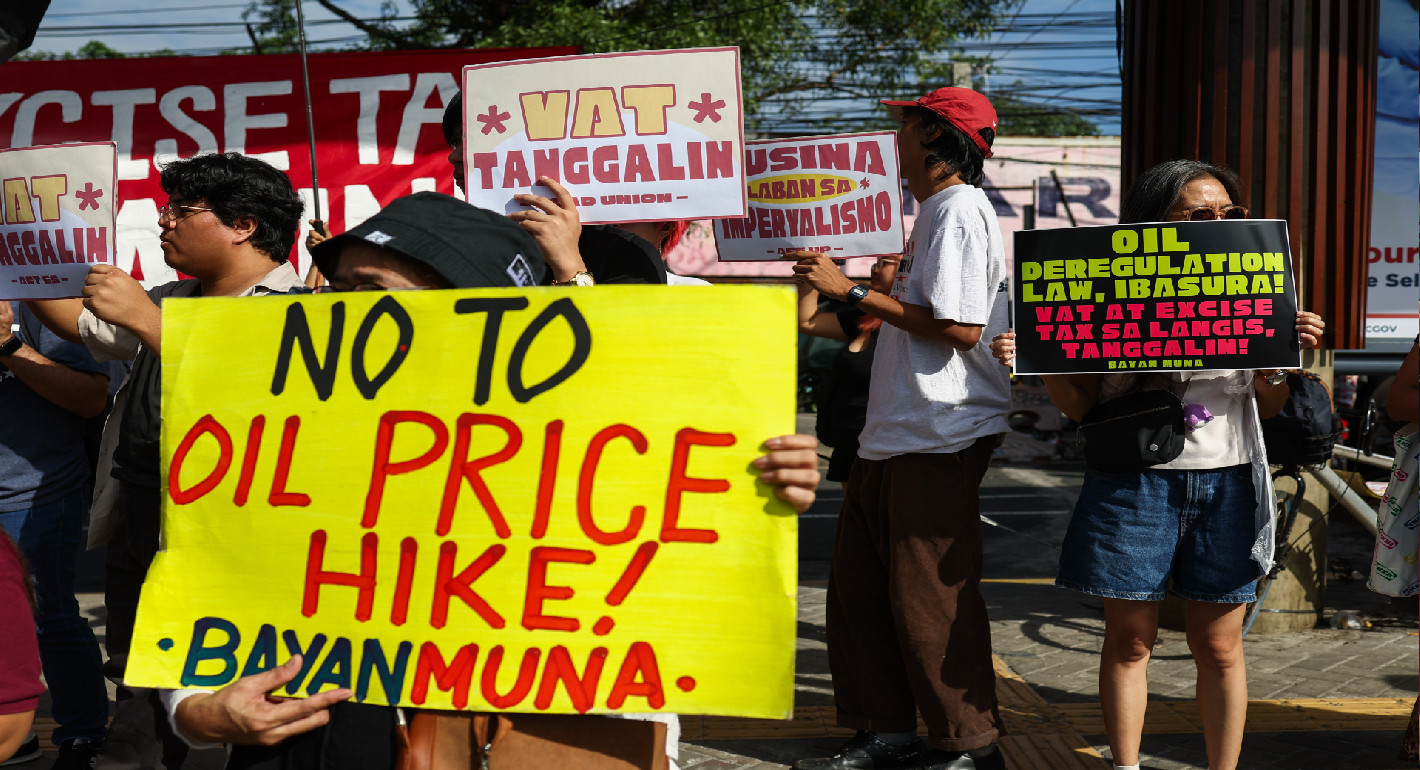
There is no better time for the countries of Southeast Asia to reconsider their energy security than during this latest crisis.
Gita Wirjawan