

Article
Frederic Wehrey, Charles H. Johnson
{
  "authors": [
    "Frederic Wehrey"
  ],
  "type": "other",
  "centerAffiliationAll": "",
  "centers": [
    "Carnegie Endowment for International Peace"
  ],
  "collections": [],
  "englishNewsletterAll": "",
  "nonEnglishNewsletterAll": "",
  "primaryCenter": "Carnegie Endowment for International Peace",
  "programAffiliation": "",
  "programs": [],
  "projects": [],
  "regions": [
    "North Africa",
    "Libya"
  ],
  "topics": [
    "Religion"
  ]
}
Source: Getty
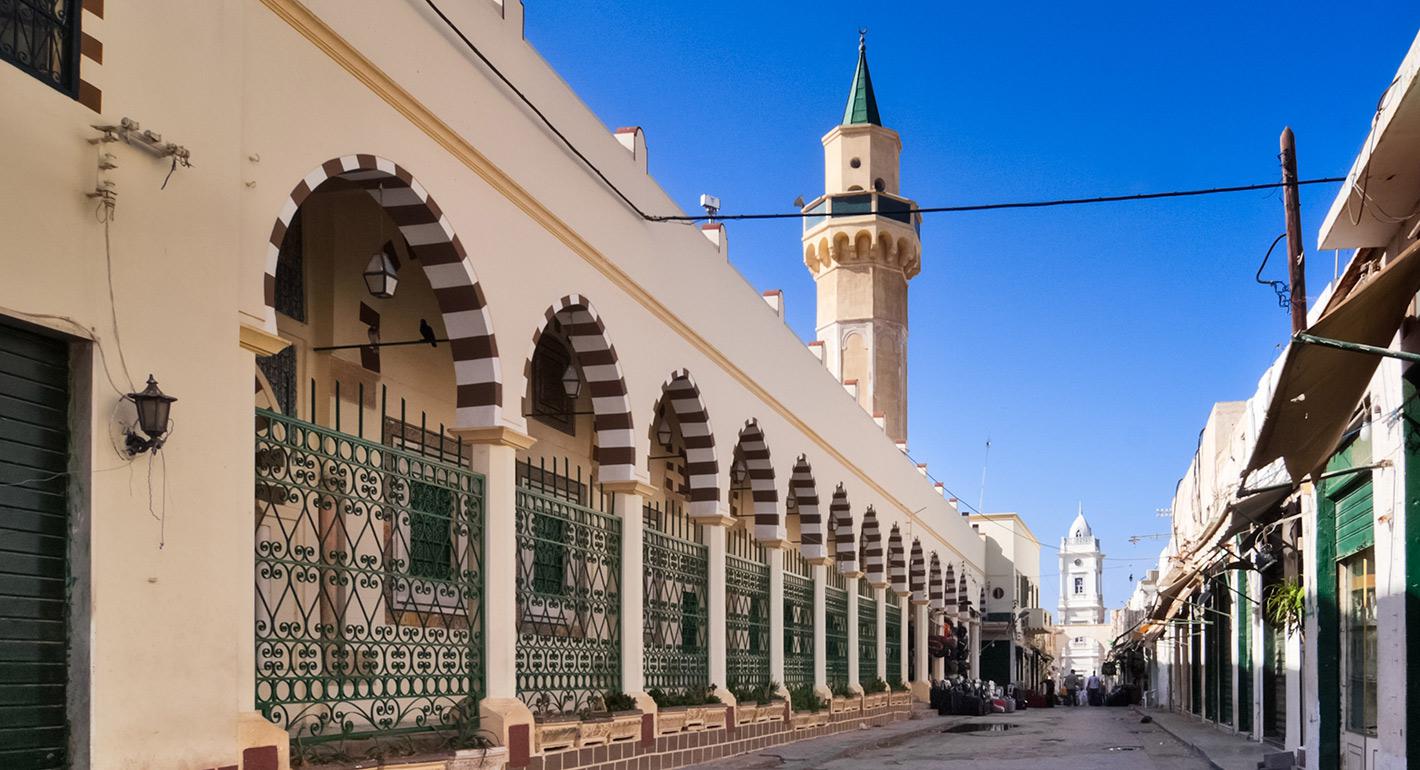
Adherents of the current of Salafism known as “Madkhalism” have emerged as a major social, religious, political, and military force across Libya. But the so-called Madkhalis remain poorly understood and are often treated as a monolithic bloc or as proxies for Saudi Arabia.
Source: Salafism in the Maghreb: Politics, Piety, and Militancy
Adherents of the current of Salafism known as “Madkhalism” have emerged as a major social, religious, political, and military force across Libya. But the so-called Madkhalis remain poorly understood and are often treated as a monolithic bloc or as proxies for Saudi Arabia. Drawing on fieldwork across the country, a book chapter explores the history of Madkhalism during and after the Qadhafi regime, its interactions with other forms of communal and political identity, its doctrinal splits, and its relationship to Saudi clerical authorities.
Senior Fellow, Middle East Program
Frederic Wehrey is a senior fellow in the Middle East Program at the Carnegie Endowment for International Peace, where his research focuses on governance, conflict, and security in Libya, North Africa, and the Persian Gulf.
Recent Work
Frederic Wehrey, Charles H. Johnson
Frederic Wehrey, Charles H. Johnson
Carnegie does not take institutional positions on public policy issues; the views represented herein are those of the author(s) and do not necessarily reflect the views of Carnegie, its staff, or its trustees.
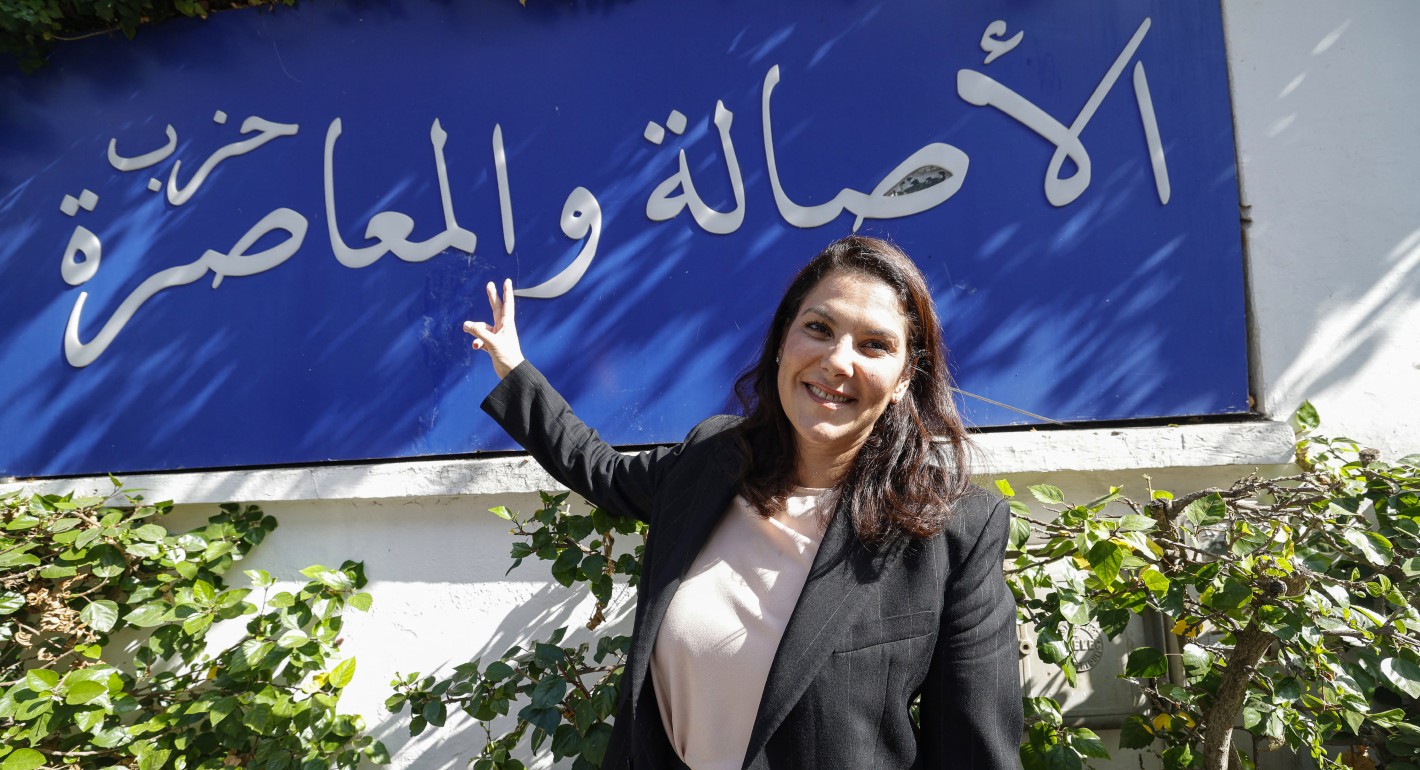
Fatima El Mansouri is the country’s first female prime minister. She’s also a privileged insider in a largely ceremonial position.

Sarah Yerkes
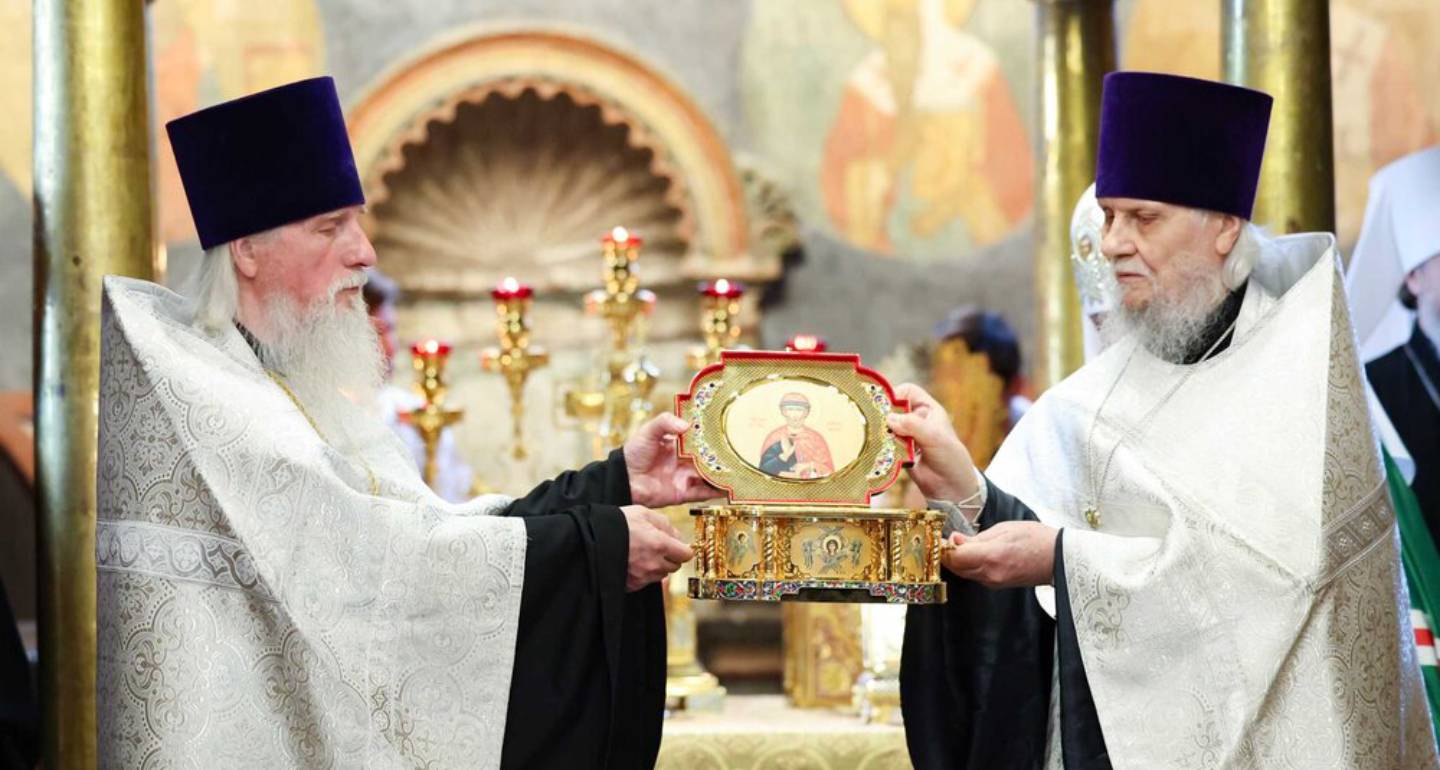
The recent uncovering of Dmitry Donskoy’s relics in the Cathedral of the Archangel is yet another attempt by the Russian Orthodox Church to help the state solve its problems. However, parroting the state’s version of Russian history leaves the Church with no message except “patriotism.”
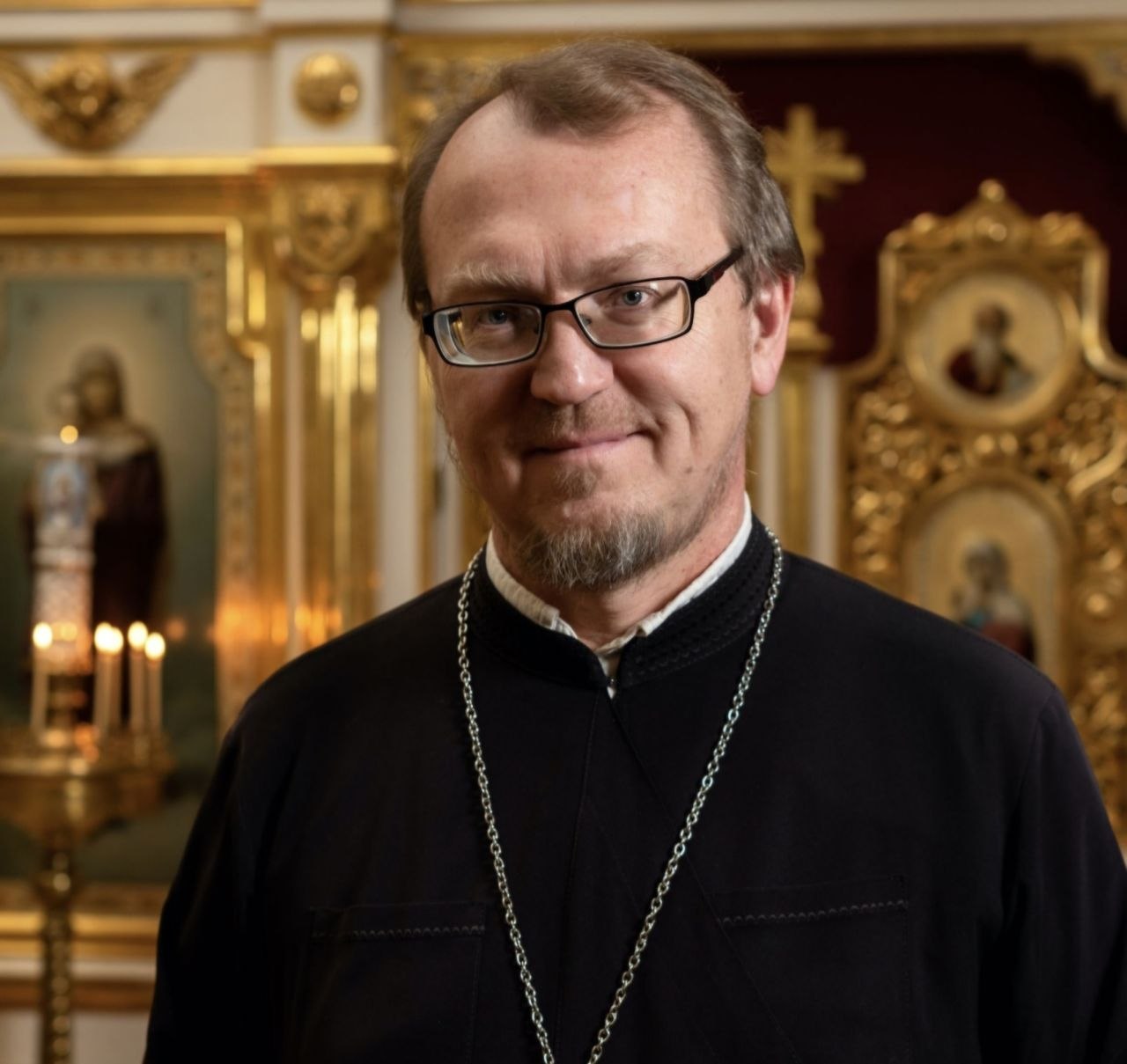
Alexander Zanemonets
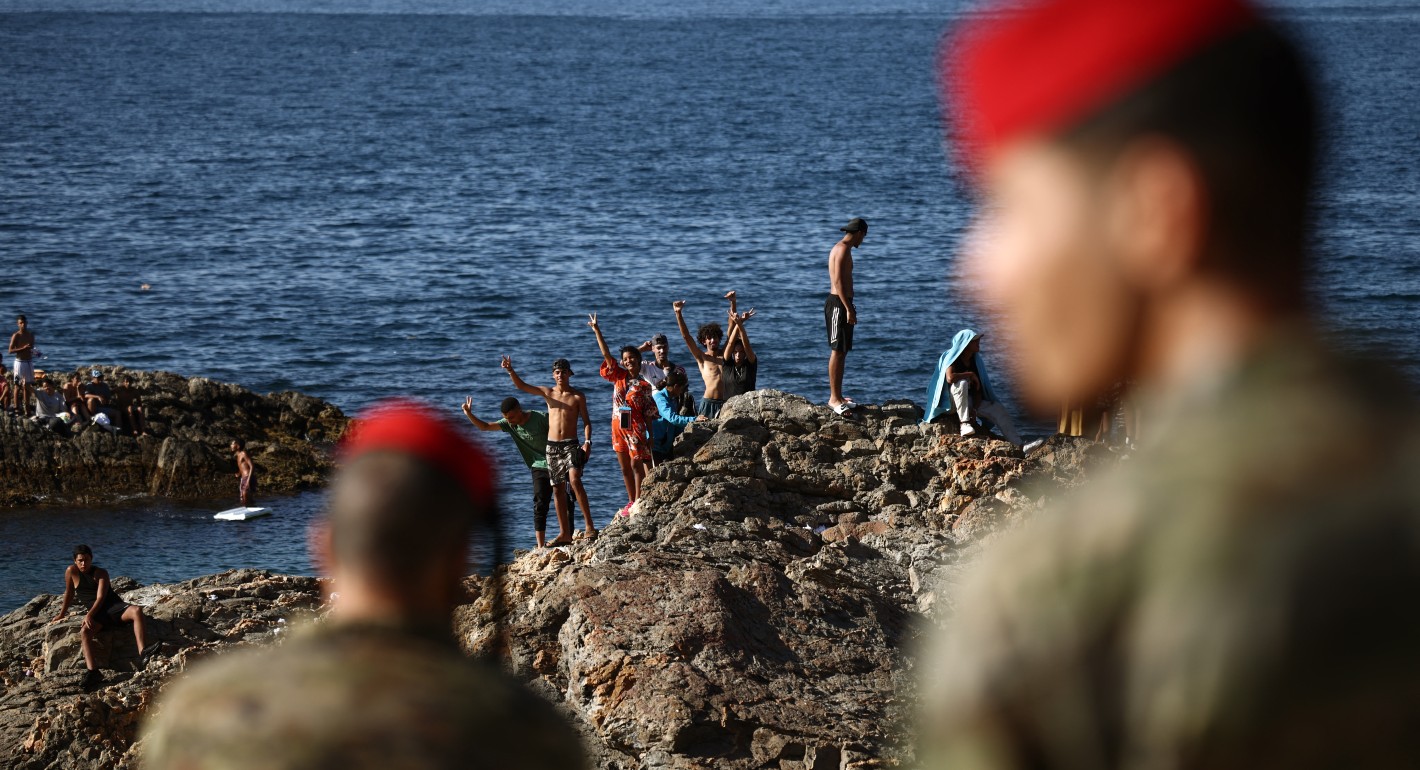
Most migrants may have left Ceuta, but the effects may linger.

Alejandro Martin Rodriguez, Sarah Yerkes
Saied’s main accomplishment has been to destroy a decade’s worth of democratic progress.
Sarah Yerkes

The armed forces champion a form of capitalism that is generating revenue, but its reliance on rent faces diminishing returns, leaving the country with massive sunk costs and deferred returns, deepening dependency on external borrowing.

Yezid Sayigh