• Research
  • Emissary
  • About
  • Experts
Carnegie Global logoCarnegie lettermark logo
DemocracyIran
  • Donate
{
  "authors": [
    "Sheena Chestnut Greitens"
  ],
  "type": "commentary",
  "blog": "Emissary",
  "centerAffiliationAll": "",
  "centers": [
    "Carnegie Endowment for International Peace"
  ],
  "collections": [],
  "englishNewsletterAll": "",
  "nonEnglishNewsletterAll": "",
  "primaryCenter": "Carnegie Endowment for International Peace",
  "programAffiliation": "",
  "programs": [],
  "projects": [],
  "regions": [
    "East Asia",
    "China",
    "Taiwan"
  ],
  "topics": [
    "Democracy"
  ]
}
Attribution logo
REQUIRED IMAGE

REQUIRED IMAGE

Commentary
Emissary

2024 Election to Watch: Taiwan

The first entry in Carnegie’s yearlong series.

Link Copied
By Sheena Chestnut Greitens
Published on Jan 17, 2024
Emissary

Blog

Emissary

Emissary harnesses Carnegie’s global scholarship to deliver incisive, nuanced analysis on the most pressing international affairs challenges.

Learn More

On Saturday, Taiwanese voters elected Lai Ching-te of the incumbent Democratic Progressive Party to a four-year presidential term. The contest was closely watched on both sides of the Taiwan Strait and around the world, especially amid rising U.S.-China tensions and increased military activities near the island.

Below, in the first video of Carnegie’s 2024 Elections to Watch series, nonresident scholar Sheena Greitens explains what was at stake and why the outcome will have a global impact.

See the introduction to the series.

About the Author

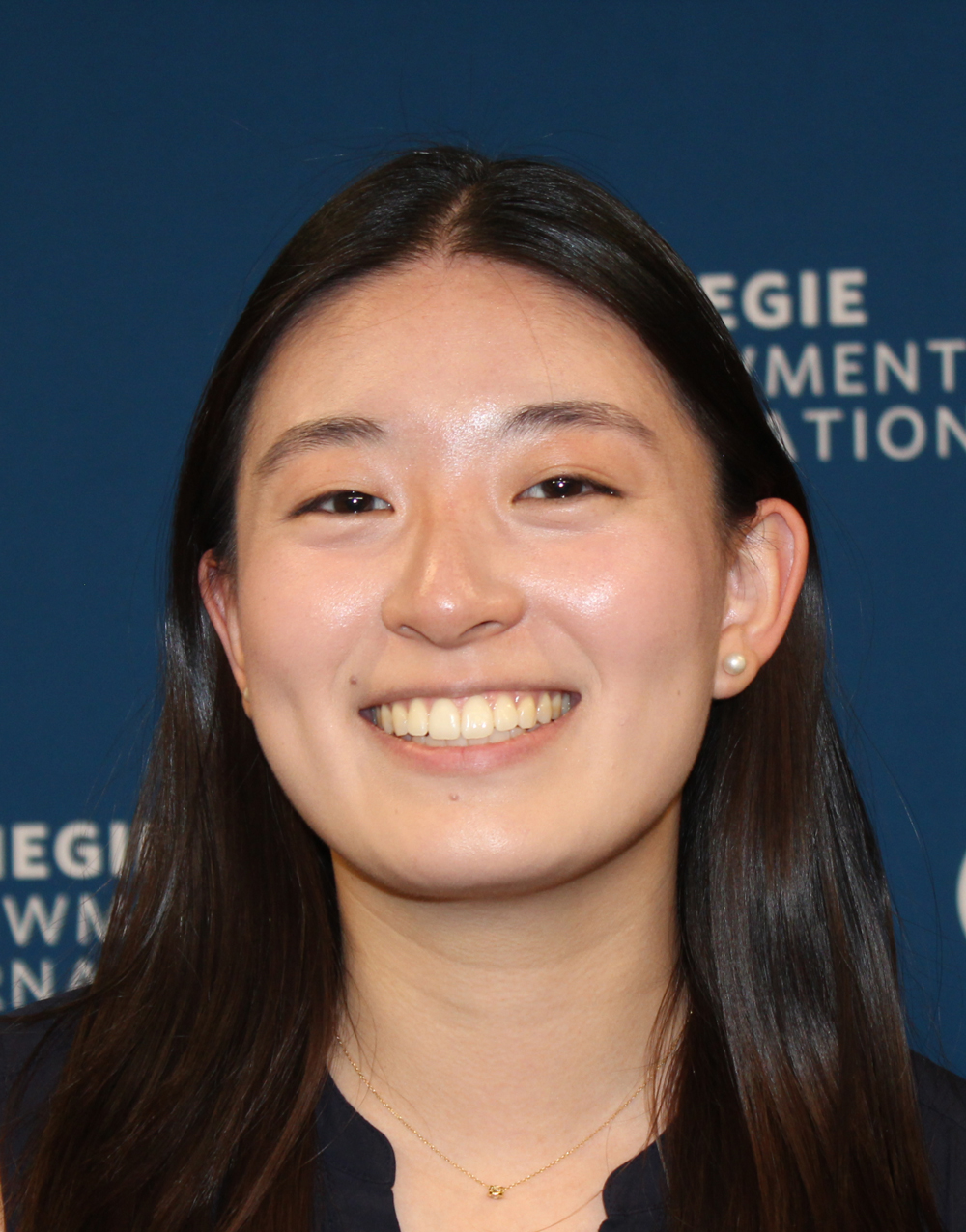
Sheena Chestnut Greitens

Nonresident Scholar, Asia Program

Sheena Chestnut Greitens is a nonresident scholar at the Carnegie Endowment for International Peace.

    Recent Work

  • Paper
    China’s Foreign Police Training: A Global Footprint
      • Sheena Chestnut Greitens

      Sheena Chestnut Greitens, Isaac B. Kardon, Cameron Waltz

  • Paper
    A New World Cop on the Beat? China’s Internal Security Outreach Under the Global Security Initiative
      • Sheena Chestnut Greitens

      Sheena Chestnut Greitens, Isaac B. Kardon, Cameron Waltz

Sheena Chestnut Greitens
Nonresident Scholar, Asia Program
Sheena Chestnut Greitens
DemocracyEast AsiaChinaTaiwan

Carnegie does not take institutional positions on public policy issues; the views represented herein are those of the author(s) and do not necessarily reflect the views of Carnegie, its staff, or its trustees.

More Work from Emissary

  • The tops of people's heads. Raised above their heads are "No Kings" signs, an upside-down American flag, and a rainbow flag.
    Commentary
    Emissary
    Protests Like No Kings Can Only Go So Far to Stem Authoritarianism

    Lessons from other backsliding democracies show that mass mobilization needs to feed into an electoral strategy. 

      Saskia Brechenmacher, Shreya Joshi

  • Commentary
    Emissary
    In Its Iran War Debate, Washington Has Lost the Plot in Asia

    The United States ignores the region’s lived experience—and the tough political and social trade-offs the war has produced—at its peril.

      Evan A. Feigenbaum

  • Xi walking into a room with people standing and applauding around him
    Commentary
    Emissary
    The Xi Doctrine Zeros in on “High-Quality Development” for China’s Economic Future

    In the latest Five-Year Plan, the Chinese president cements the shift to an innovation-driven economy over a consumption-driven one.

      • Damien Ma

      Damien Ma

  • Heavily armed security personnel standing atop an armored vehicle
    Commentary
    Emissary
    When Do Mass Protests Topple Autocrats?

    The recent record of citizen uprisings in autocracies spells caution for the hope that a new wave of Iranian protests may break the regime’s hold on power.

      • McKenzie Carrier

      Thomas Carothers, McKenzie Carrier

  • Forbidden City on a cloudy day
    Commentary
    Emissary
    Beijing Doesn’t Think Like Washington—and the Iran Conflict Shows Why

    Arguing that Chinese policy is hung on alliances—with imputations of obligation—misses the point. 

      Evan A. Feigenbaum

Get more news and analysis from
Carnegie Endowment for International Peace
Carnegie global logo, stacked
1779 Massachusetts Avenue NWWashington, DC, 20036-2103Phone: 202 483 7600Fax: 202 483 1840
  • Research
  • Emissary
  • About
  • Experts
  • Donate
  • Programs
  • Events
  • Blogs
  • Podcasts
  • Contact
  • Annual Reports
  • Careers
  • Privacy
  • For Media
  • Government Resources
Get more news and analysis from
Carnegie Endowment for International Peace
© 2026 Carnegie Endowment for International Peace. All rights reserved.