

Q&A
- +1
Sheena Chestnut Greitens, Oriana Skylar Mastro, Yukon Huang, …
{
  "authors": [
    "Sheena Chestnut Greitens"
  ],
  "type": "commentary",
  "blog": "Emissary",
  "centerAffiliationAll": "",
  "centers": [
    "Carnegie Endowment for International Peace"
  ],
  "collections": [],
  "englishNewsletterAll": "",
  "nonEnglishNewsletterAll": "",
  "primaryCenter": "Carnegie Endowment for International Peace",
  "programAffiliation": "",
  "programs": [],
  "projects": [],
  "regions": [
    "East Asia",
    "China",
    "Taiwan"
  ],
  "topics": [
    "Democracy"
  ]
}

REQUIRED IMAGE
The first entry in Carnegie’s yearlong series.
On Saturday, Taiwanese voters elected Lai Ching-te of the incumbent Democratic Progressive Party to a four-year presidential term. The contest was closely watched on both sides of the Taiwan Strait and around the world, especially amid rising U.S.-China tensions and increased military activities near the island.
Below, in the first video of Carnegie’s 2024 Elections to Watch series, nonresident scholar Sheena Greitens explains what was at stake and why the outcome will have a global impact.

Nonresident Scholar, Asia Program
Sheena Chestnut Greitens is a nonresident scholar at the Carnegie Endowment for International Peace.
Recent Work


Sheena Chestnut Greitens, Oriana Skylar Mastro, Yukon Huang, …

Sophie Zhuang, Sheena Chestnut Greitens, Cameron Waltz
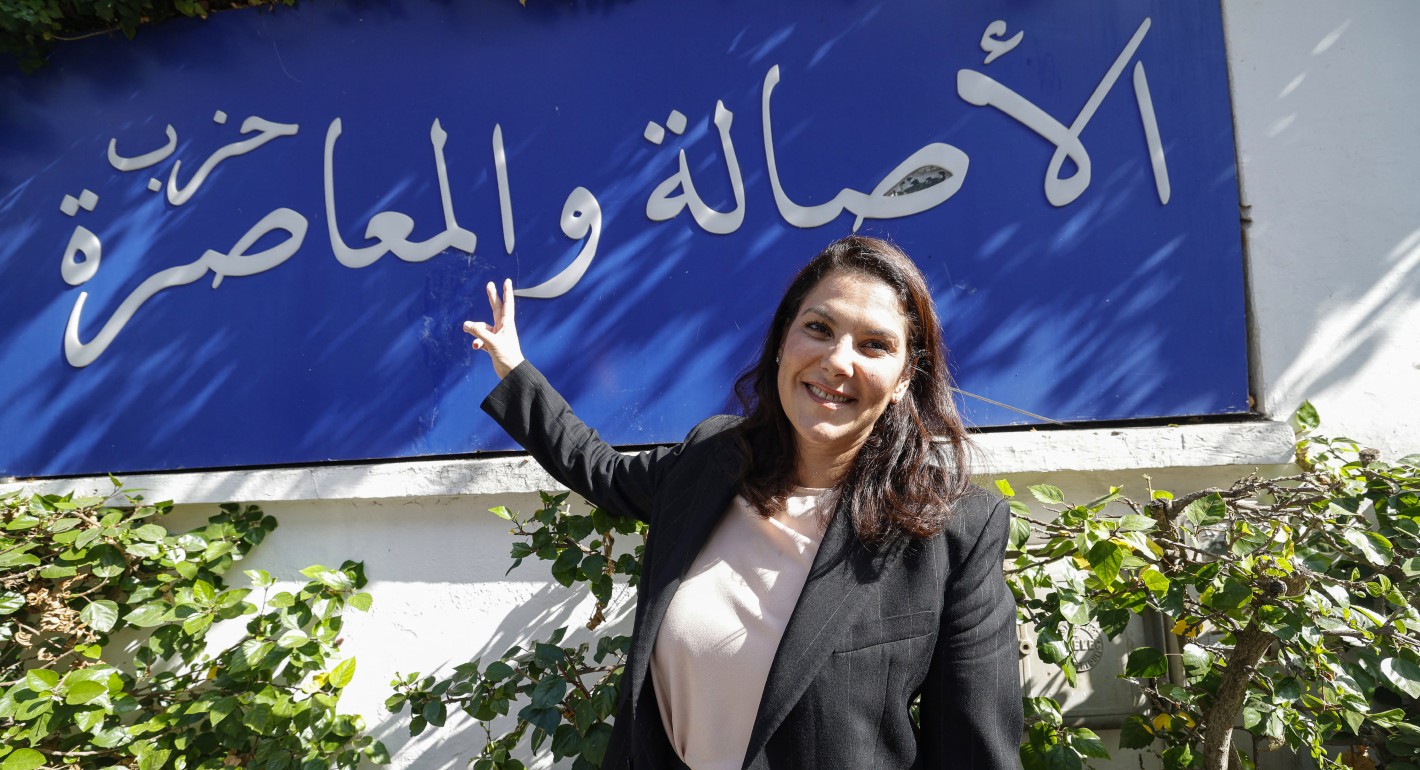
Fatima El Mansouri is the country’s first female prime minister. She’s also a privileged insider in a largely ceremonial position.

Sarah Yerkes

The acknowledgment has sparked fears of a new arms race with China and Russia.

Chris O’Meara
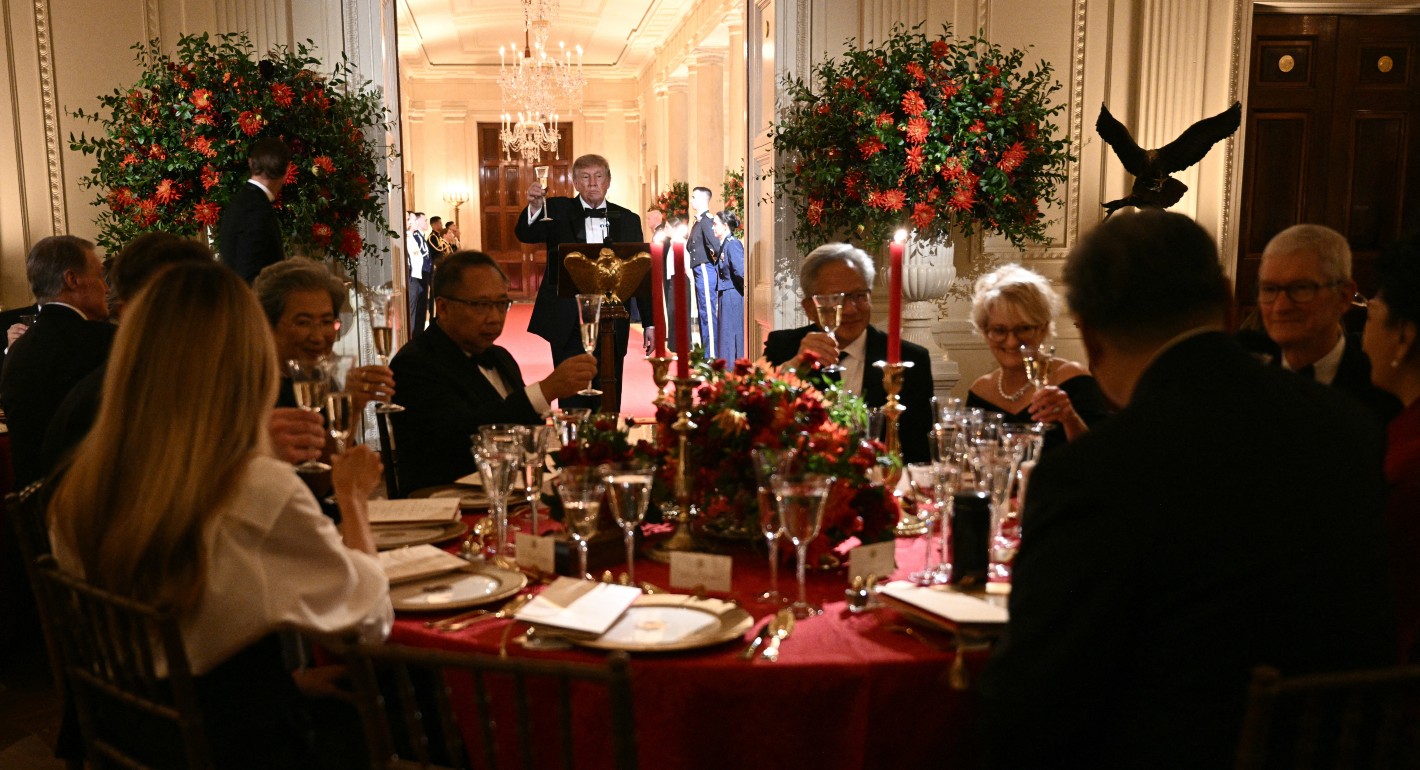
The summit may be remembered as a fatal blunder, when Washington, Beijing, and the AI industry collectively chose ceremony over action.
Jeffrey Prescott

The real test may come after the leaders leave the room.
Sheena Chestnut Greitens, Oriana Skylar Mastro, Yukon Huang, …

Why governance of rapidly evolving technology will be distributed and complex.


Stewart Patrick, Scott Singer