

Commentary
The financial stakes alone are enormous.
Devesh Kapur, Milan Vaishnav
{
  "authors": [
    "Milan Vaishnav"
  ],
  "type": "commentary",
  "blog": "Emissary",
  "centerAffiliationAll": "",
  "centers": [
    "Carnegie Endowment for International Peace"
  ],
  "englishNewsletterAll": "",
  "nonEnglishNewsletterAll": "",
  "primaryCenter": "Carnegie Endowment for International Peace",
  "programAffiliation": "",
  "programs": [
    "South Asia"
  ],
  "projects": [],
  "regions": [
    "India"
  ],
  "topics": []
}

Photo illustration by Carnegie Endowment
This year’s selections span biography, history, and political economy—but they share a common thread.
Each December, I look back at the conversations we’ve hosted on Grand Tamasha—Carnegie’s flagship podcast on Indian politics and policy—during the course of the year and select a handful of books that stayed with me long after our recording wrapped. This year’s selections span biography, history, and political economy—but they share a common thread: Each offers a bold reinterpretation of India at a moment of profound political and social churn.
For readers who prefer their content in audio format, you can download the latest episode of the show, where I talk more about the three books below, with clips from my conversations with the authors.
A Sixth of Humanity: Independent India’s Development Odyssey
By Devesh Kapur and Arvind Subramanian. Published by HarperCollins India.
Caveat up front: I am not impartial about this pick. I’ve known the authors for many years, consider them close friends and mentors, and regularly co-author with one of them (Kapur). But that caveat notwithstanding, I can say without hesitation that this is a landmark work. Kapur and Subramanian have spent the past five years reviewing nearly eight decades of Indian history, politics, economics, and even literature to produce a work that is as wide-ranging as it is meticulously researched. I described this on the podcast as the political economy analogue to Ramachandra Guha’s magisterial India After Gandhi.
In A Sixth of Humanity, the authors take on the audacious task of explaining how independent India attempted four simultaneous transformations—state-building, economic development, social change, and nation-formation—under conditions of universal suffrage. There are nuggets to digest on almost every page. For those considering a social science PhD on India, look no further than this book for a surfeit of dissertation ideas. This is the kind of book readers will return to for years to come.
Believer’s Dilemma: Vajpayee and the Hindu Right’s Path to Power, 1977–2018
By Abhishek Choudhary. Published by Pan Macmillan India.
I am cheating a bit with this pick because it is really an endorsement of not one book but two. Believer’s Dilemma is the second volume of Choudhary’s biography of former prime minister Atal Bihari Vajpayee. The first volume, Vajpayee: The Ascent of the Hindu Right, 1924–1977, was published in 2023. Taken together, they tell the story of one of India’s most enigmatic political leaders, tracing his journey from his early life in Uttar Pradesh to his ascent to the highest office in the land.
Through meticulous research and textured storytelling, Choudhary illuminates Vajpayee’s ideological convictions, his complex partnerships, and the choices that shaped the Bharatiya Janata Party (BJP), the Hindu nationalist party he co-founded. The book provides an honest, sometimes unsparing look at Vajpayee and his many colors and contradictions. If you want to understand how the BJP’s electoral juggernaut of today got its start and found its footing, these are two books worth consulting.
Shattered Lands: Five Partitions and the Making of Modern Asia
By Sam Dalrymple. Published by HarperCollins India.
There have been countless books written about the 1947 Partition of India, but Dalrymple’s work covers territory that even the most seasoned historian would find daunting—he tells the tale of not one but five partitions that unspooled across the subcontinent in the twentieth century. In addition to the familiar story of India and Pakistan, he exquisitely captures the carving out of Britain’s Gulf outposts, the forgotten separation of Burma, the unification of India’s princely states, and the independence of Bangladesh. This is a sprawling, colorful, and eminently readable history that reveals how the borders we take for granted were forged in moments of improvisation, conflict, and chance—a lesson with real resonance for a region still wrestling with the legacies of empire.
Taken together, these books showcase the breadth of scholarship animating debates on India and South Asia today. They remind us that the region’s past remains contested, its present deeply complex, and its future still uncertain. I hope you find these conversations as stimulating and inspiring as I did.
See Grand Tamasha’s best books from 2022, 2023, and 2024, and listen to the episode on the 2025 best books below.
Carnegie does not take institutional positions on public policy issues; the views represented herein are those of the author(s) and do not necessarily reflect the views of Carnegie, its staff, or its trustees.
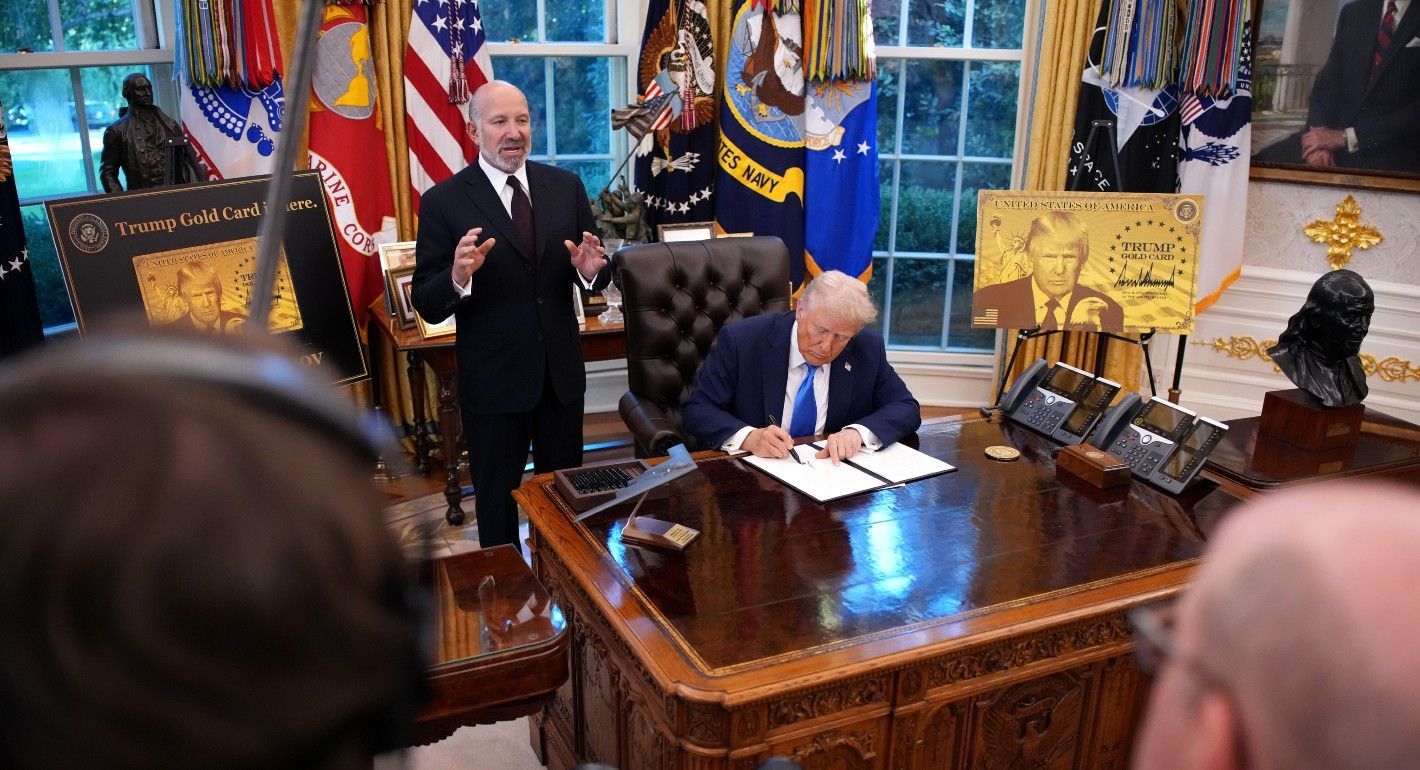
The financial stakes alone are enormous.
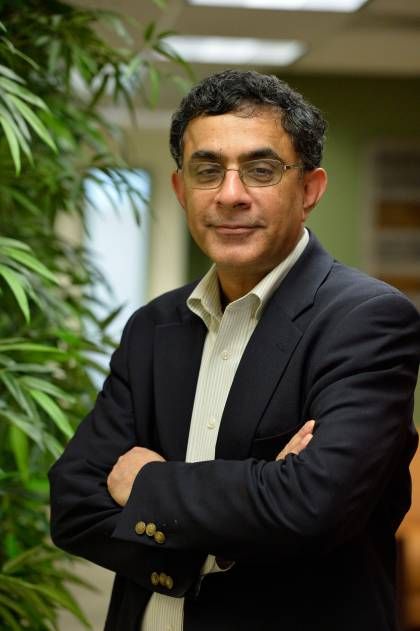

Devesh Kapur, Milan Vaishnav
The repoliticization of bilateral relations is a slow-motion catastrophe.

Evan A. Feigenbaum
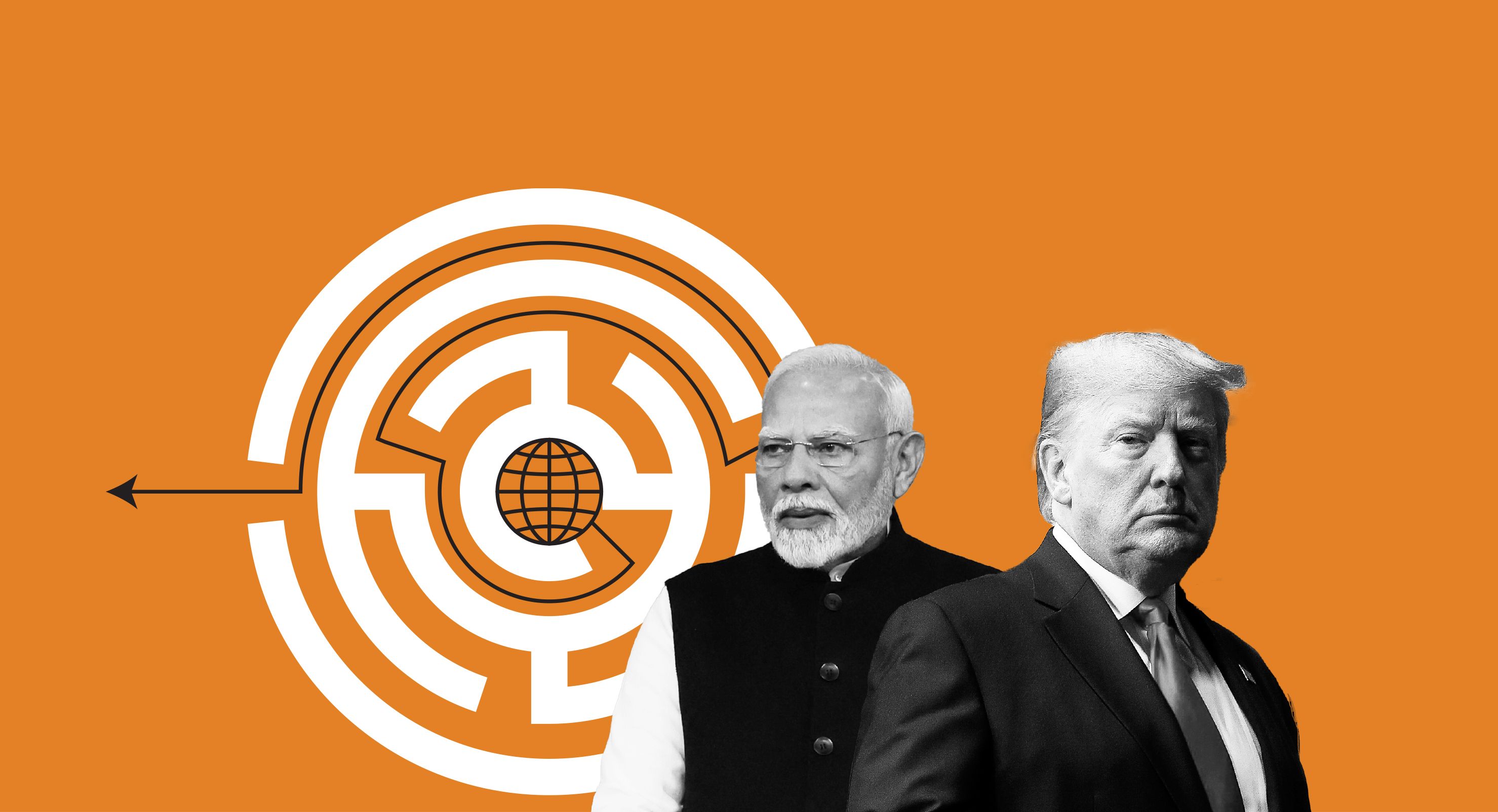
Even if New Delhi secures tactical gains, the strategic losses could be enduring.
Ashley J. Tellis

The host of Carnegie’s podcast on Indian politics shares his three favorite reads from the year.
Milan Vaishnav
The country’s future has many open questions and few answers after the collapse of the Hasina government.

Paul Staniland