

Commentary
As European leadership prepares for the sixteenth EU-India Summit, both sides must reckon with trade-offs in order to secure a mutually beneficial Free Trade Agreement.
Dinakar Peri
{
  "authors": [
    "Anatol Lieven"
  ],
  "type": "other",
  "centerAffiliationAll": "",
  "centers": [
    "Carnegie Endowment for International Peace"
  ],
  "collections": [],
  "englishNewsletterAll": "",
  "nonEnglishNewsletterAll": "",
  "primaryCenter": "Carnegie Endowment for International Peace",
  "programAffiliation": "",
  "programs": [
    "Russia and Eurasia"
  ],
  "projects": [],
  "regions": [],
  "topics": [
    "Security",
    "Foreign Policy"
  ]
}
REQUIRED IMAGE
In its war in Afghanistan the US may gain some limited short-term tactical advantages while losing the long-term support of key Muslim states.
Source: Carnegie
On the Afghan War
“The US bombardment is obviously intended as softening up, leading to the toppling of the Taliban regime or at least make it cease to function in the main centers. Then the US and British special forces can go in to hunt down the top Taliban leadership and the Arabs?
It seems that Americans still value their lives much more than Afghans do, and so they are not prepared to go in without this massive prior bombardment. This is a pity, because the bombing and the killing of civilians is having a very bad effect in the Muslim world, and I am not sure most of it is even militarily effective. I was an engineer with armoured formations in the wars of 1965 and 1971. I know what bombardment is. Unless it's very close and sustained, after the initial shock you get acclimatized, and it doesn't affect you very much. And after all, the Afghans have known bombardment for 20 years now. It's not new to them.
So I fear that the US may gain some limited short-term tactical advantages while losing the long-term support of key Muslim states. Because there is no doubt that while our minds are telling us that we have no choice to support America in this war, our hearts are being pushed in another direction.
So far, unrest in Pakistan is manageable. But if it goes on, other groups who have social, economic, ethnic and other complaints with nothing to do with the war will join in. Thanks to the state of our economy, there are huge numbers of unemployed young men in this country with a very strong propensity to violence. Nonetheless, for a long time the Army will be able to cope with this. The Pakistan Army is a highly disciplined force, and the changes that Musharraf has made in the High Command have consolidated his authority.
What's more, there has never been much real love lost for the Taliban in most of the High Command, especially after they rejected our advice and embarrassed us so badly over the past year, as in the case of the destruction of the statues. I myself have always hated them and their allies here. They represent the absolute antithesis of the Quaid-e-Azam's [honorific title given to Mohammed Ali Jinnah, founder of Pakistan] vision of a modern secular state in which religion would provide only personal ethical values.
All the same, there is a very strong latent anti-Americanism here, and so there is always a danger of it coming to the surface. Even among those who loathe the Taliban, there is a certain sympathy for them as the underdog, standing up to the American bully with his overwhelming firepower?”
On Kashmir
“One possible good result of the 11th September could be some kind of a solution to the Kashmir issue. If Palestine can be defused, Kashmir would be next on the international and US radar screens. The solution won't be one which satisfies Pakistan, but all the same this may be a good moment for us. If we survive this crisis, we may have some real prestige and leverage in the West.
We have to start from the premise that to date the policies of both India and Pakistan have failed utterly in Kashmir over the decades, and the Kashmiri people have suffered terribly as a result?
The top Indian leadership seems unable to tolerate a Muslim-majority Indian state truly running itself as it wishes. Kashmir has a different culture from most of India. Frankly, it should indeed have become part of Pakistan in 1947. But since it didn't, it could have been made a successful example of autonomy in India. Instead, it has become a terrible example of tyranny over a minority by a democratic majority. This has meant that Kashmiris have gone on looking to Pakistan despite all our bad failures over the decades.
But Pakistan also has to recognize reality. India is far stronger and more economically successful than us. It is simply impossible for us to achieve a military solution. We thought we could wear India down by sending Mujahedin to support the Kashmiri uprising—but this has proved a very mistaken strategy.
Instead, I think we should work for a solution along the following lines: Really free and fair elections with the presence of foreign observers, both in Indian-controlled Kashmir and Azad [Pakistani] Kashmir; the existing territorial division should be frozen, with special autonomy for both Kashmirs; the borders should be opened, and both territories should be partially demilitarized; and this order should be kept in place for five to ten years so as to give a chance for peace and trust to develop.
It is true that the Pakistan Army has always been very attached to the Kashmiri struggle. But this may now be changing. Since Musharraf took power, for the first time the Army is taking a real interest in economics. They have finally realized that you can't have a strong Army without a strong economy, and you can't have a strong economy with hostile neighbours, insecure borders, regional instability, and armed jihadis running around inside Pakistan. So there is the beginning of new thought on Kashmir.
But of course there is also a feeling that India too needs to take some step, show some flexibility. The problem is that Indian behaviour after September 11th has fuelled distrust here. Instead of looking on this new situation as an opportunity to defuse tension and seek co-operation, they have just treated it as a golden opportunity to engage the US in striking at Pakistan. How helpful is this really to India, let alone to peace? I have a great personal respect for Vajpayee [Atal Bihari Vajpayee, Indian Prime Minister] and company, but the fact is that they have never been able to nerve themselves to take any actual step over Kashmir.
They as well as we need to take real steps if there is to be peace. I'm convinced that most people on both sides now want this. They are fed up of all this hostility and instability. They desperately want progress, economic prosperity and stability, and instead this conflict is continually breeding radicalism, terrorism and disorder in both countries.”
Carnegie does not take institutional positions on public policy issues; the views represented herein are those of the author(s) and do not necessarily reflect the views of Carnegie, its staff, or its trustees.
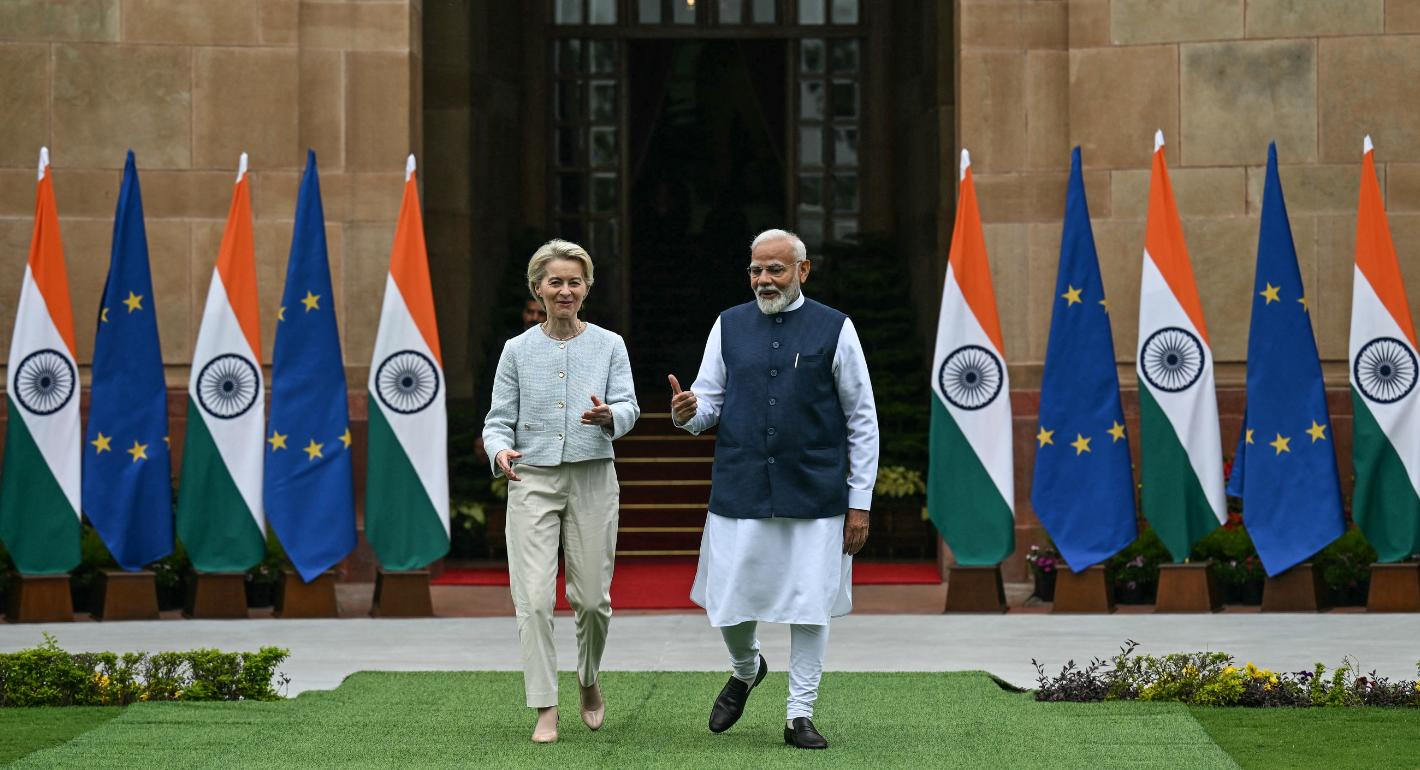
As European leadership prepares for the sixteenth EU-India Summit, both sides must reckon with trade-offs in order to secure a mutually beneficial Free Trade Agreement.

Dinakar Peri
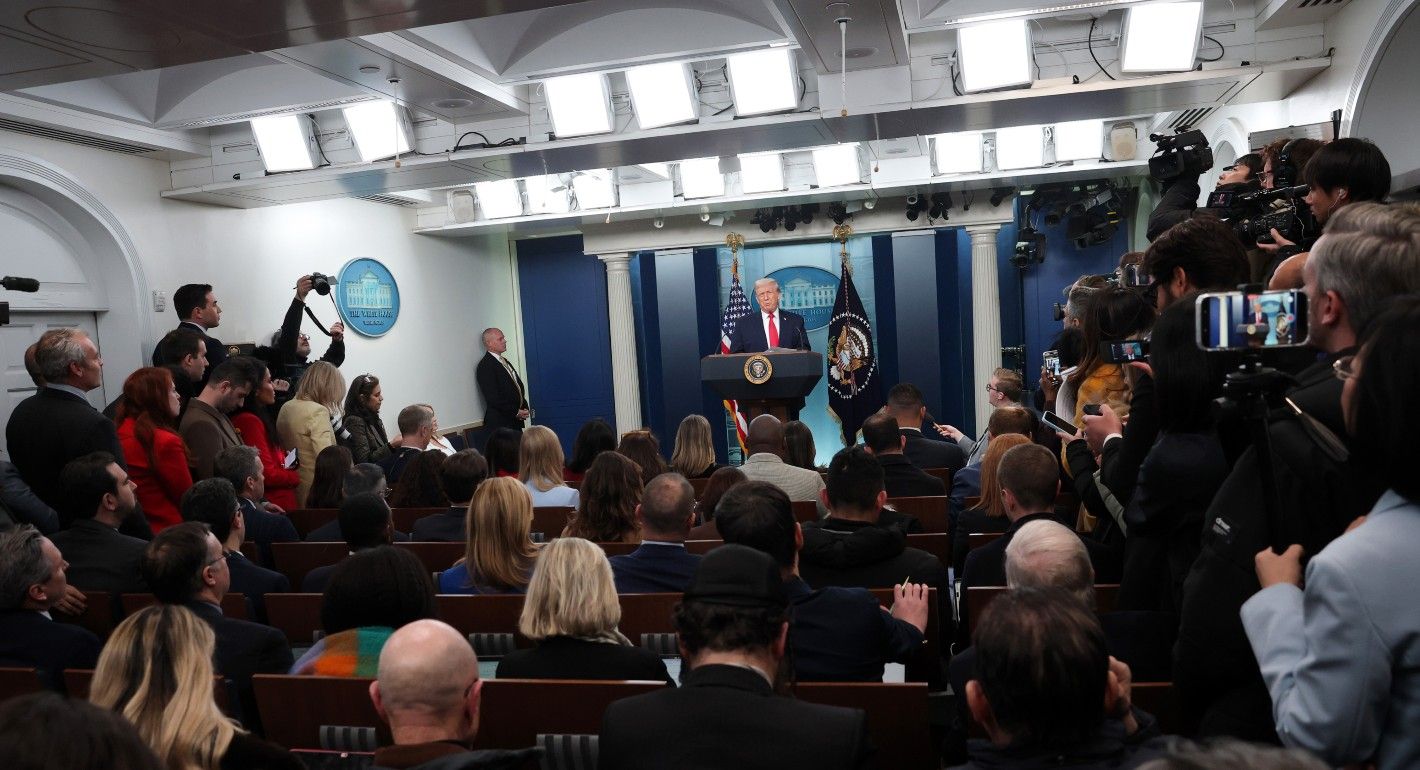
Carnegie scholars examine the crucial elements of a document that’s radically different than its predecessors.



James M. Acton, Saskia Brechenmacher, Cecily Brewer, …
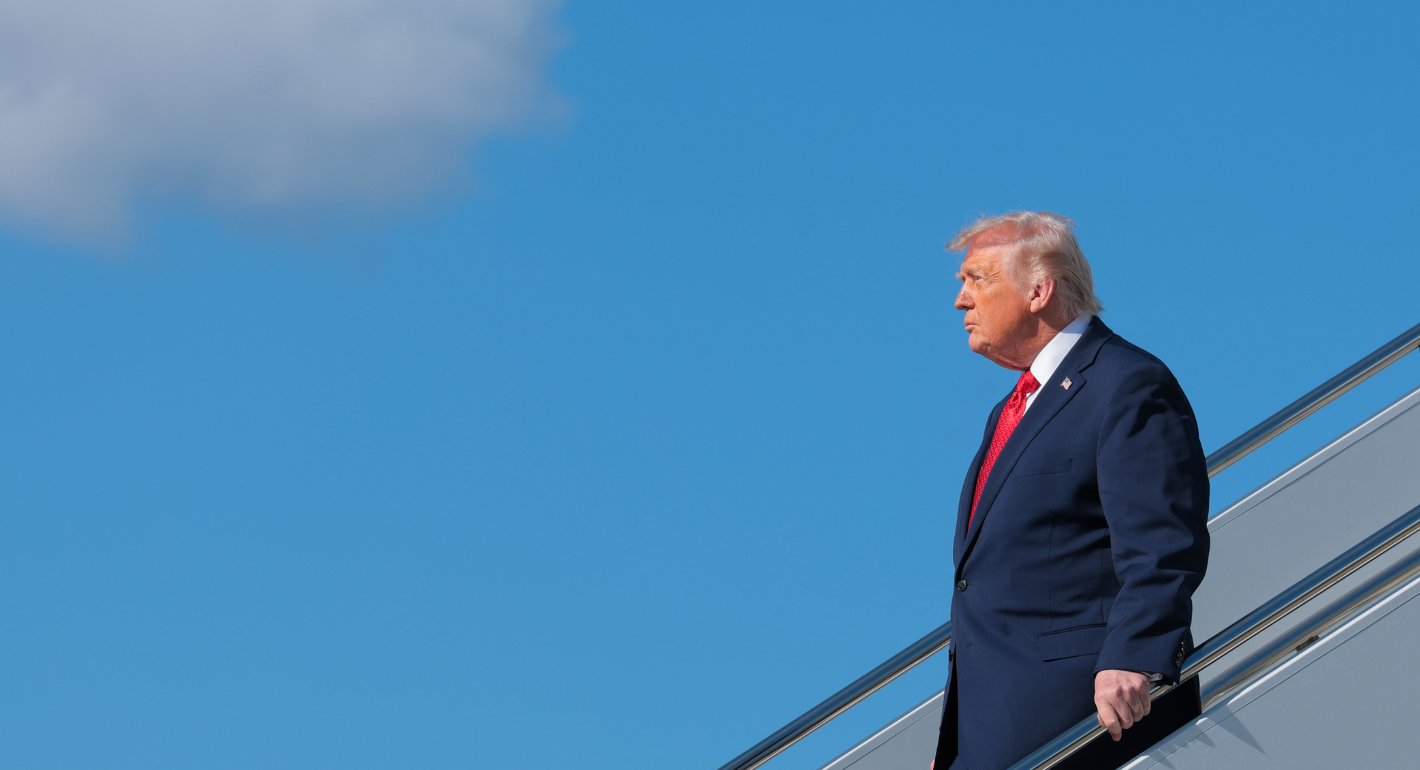
The hyper-personalized new version of global sphere-of-influence politics that Donald Trump wants will fail, as it did for Russia. In the meantime, Europe must still deal with a disruptive former ally determined to break the rules.

Thomas de Waal
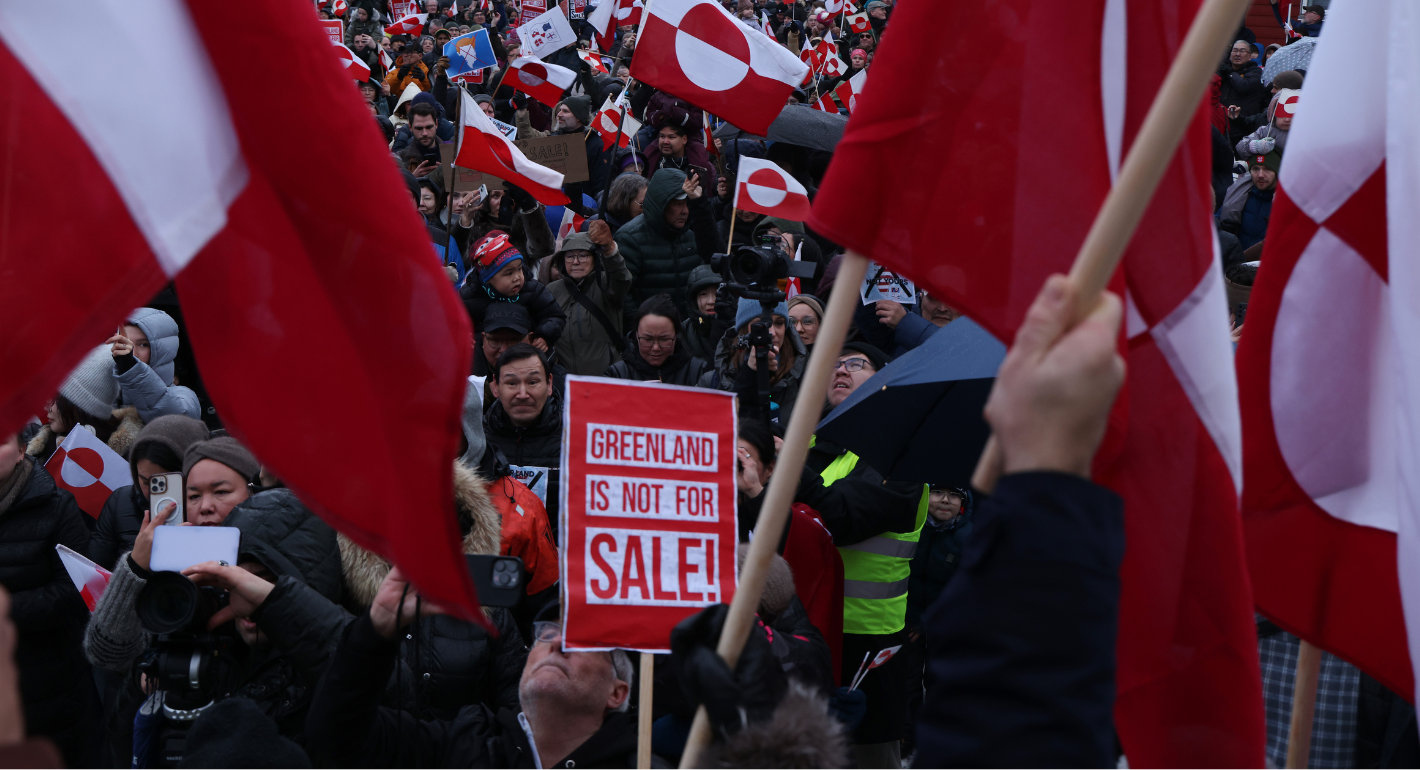
Between Greenland and U.S. interference in Europe’s democracies, transatlantic relations risk rising to an unprecedented level of crisis. Amid continued arguments on how Brussels should react, tough times lie ahead for European leaders.

Marc Pierini
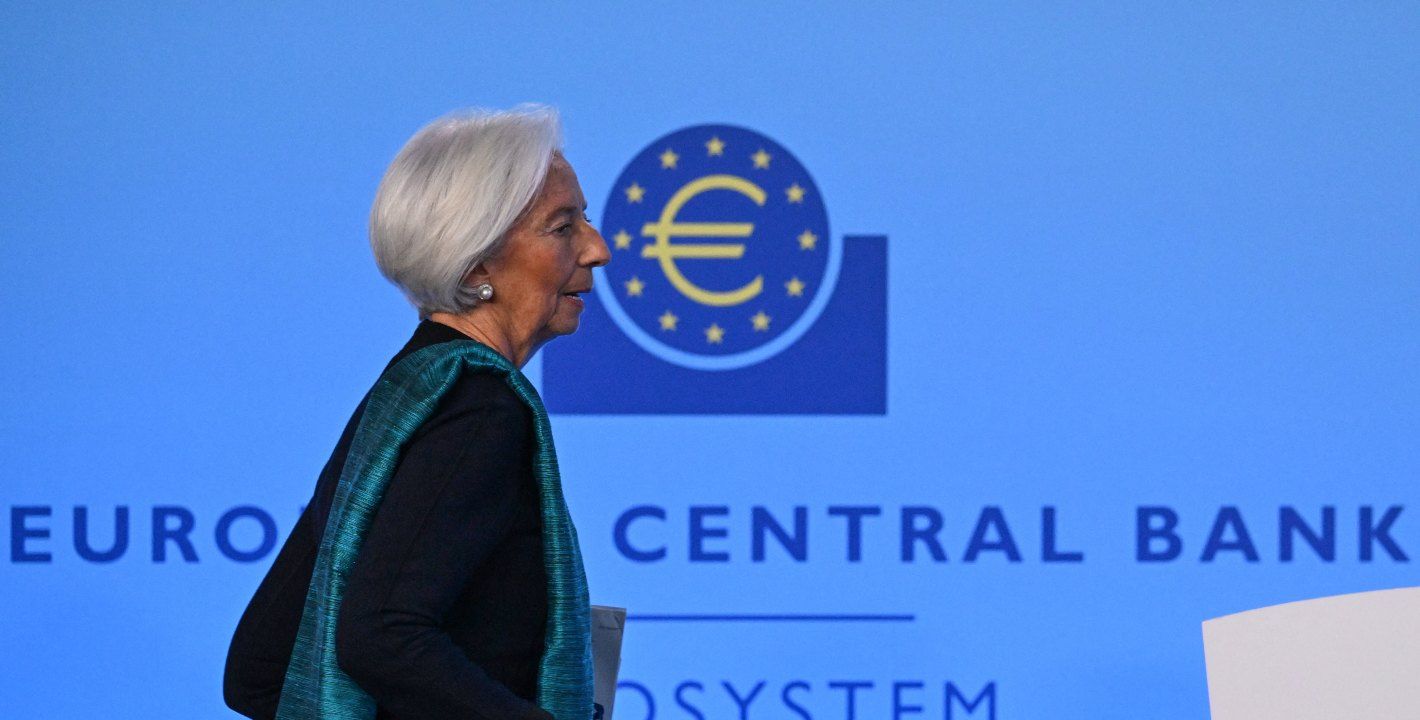
2026 has started in crisis, as the actions of unpredictable leaders shape an increasingly volatile global environment. To shift from crisis response to strategic foresight, what under-the-radar issues should the EU prepare for in the coming year?
Thomas de Waal