

Commentary
As European leadership prepares for the sixteenth EU-India Summit, both sides must reckon with trade-offs in order to secure a mutually beneficial Free Trade Agreement.
Dinakar Peri
{
  "authors": [
    "Josh Kurlantzick"
  ],
  "type": "legacyinthemedia",
  "centerAffiliationAll": "",
  "centers": [
    "Carnegie Endowment for International Peace"
  ],
  "collections": [],
  "englishNewsletterAll": "",
  "nonEnglishNewsletterAll": "",
  "primaryCenter": "Carnegie Endowment for International Peace",
  "programAffiliation": "",
  "programs": [
    "South Asia",
    "Middle East"
  ],
  "projects": [],
  "regions": [
    "Middle East",
    "Israel",
    "India",
    "Pakistan"
  ],
  "topics": [
    "Security"
  ]
}
The Indian government has not backed away from its dialogue with Pakistan over the future of disputed Kashmir and other issues despite declared that groups in Pakistan--including, potentially, Pakistan's intelligence service--supported the Mumbai bombers. Just one week after the Mumbai bombings, Indian and Pakistani officials met at a border checkpoint to discuss critical security issues.
Source: The New Republic Online

Mumbai remains on everyone's mind. All around me, Indians are discussing the bombings, and how India should respond to the blasts, which killed more than two hundred people. Businessmen in sleek suits bury their heads in the Sunday editions of major Indian newspapers, most of which feature endless editorials offering counterterrorism advice to India's politicians, as well as matrimonial ads. Families standing outside a coffee shop argue about why Mumbai has been attacked so many times--in 1993, terrorists blew up the city's stock exchange. On India's endless Sunday talk shows, the Delhi punditocracy debate whether Delhi has been soft.
Some writers in the West have praised the Indian government for not taking the fight to Pakistan, which India believes is linked to the Mumbai bombers; they have contrasted India's response with Israel's tough tactics against Hizbollah. As Sebastian Mallaby wrote in The Washington Post, "Israel's iron-fist approach is partly a poor bet"; by comparison, Mallaby noted, "India's response? No reprisals, no bombings." Yet Indians themselves do not seem so thrilled by their government's actions. At heart, many wish for the same response as Israel.
People in Delhi cannot help but consider the India-Israel comparison--and for many, Israel looks good. Just as Israel has called out Hezbollah for its brutal rocket attacks and then denounced Iranian and Syrian support for the Shia militia, India's prime minister has declared that groups in Pakistan--including, potentially, Pakistan's intelligence service--supported the Mumbai bombers.
Yet the Indian government has not backed away from its dialogue with Pakistan over the future of disputed Kashmir and other issues. Just one week after the Mumbai bombings, Indian and Pakistani officials met at a border checkpoint to discuss critical security issues. Though Delhi has postponed high-level talks between the two nations' foreign secretaries, it pointedly has not canceled the talks. What's more, The Hindu, a leading Indian newspaper, reported that Indian Foreign Secretary Shyam Saran denied "any desire to have Pakistan labelled as a guilty party in any terrorism-related statement that [was] issued at the G-8 summit."
On India's vibrant opinion pages and blogosphere, writers are blasting Delhi. One Indian blogger, in a piece called "Lessons from Israel," wrote, "The unanimity, determination and the promptness involved in their arriving at the decision to root out Hizbollah ... deserves accolades!! [It is the] sharpest of contrasts to the callousness of Indian polity [sic]." The post attracted pages of responses, including many comparing Indian politicians unfavorably to Israelis. Similarly, editorialists in The Pioneer, one of India's newspapers, argued that Delhi should heed Israel and bomb Pakistan to show that it cannot escape blame for its surrogates' actions.
Meanwhile, according to Asia Times, India's major opposition party, the BJP, has pressured the government to embrace a strategy in which, like Israel, it would chase terrorists back into Pakistan and, presumably, punish them there. Even some Indian moderates have joined in. C. Raja Mohan, a leading analyst and intellectual, told Asia Times that if Pakistani leader Pervez Musharraf "is not willing or is unable to deliver an end to cross-border terrorism, the [Indian] government can only conclude that it is no longer possible to do business with him."
But just as they want a tougher response, many Indians also realize that their own military balance makes it impossible. Unlike Lebanon or Syria, which can hurt Israel but remain weaker militarily than Israel, Pakistan possesses nuclear weapons, and could decimate Indian cities. "We are talking about two countries with nuclear capabilities," one Indian military strategist told The Times of India. Pakistan also has proven willing to take the nuclear option to the brink. In 1999, Clinton administration officials later told The Washington Post, the two countries came perilously close to all-out war after skirmishing over Kashmir--war that could easily have spiraled into a nuclear exchange. Indian commentators realize this. As one writer in The Hindu noted, under previous governments, India did use limited strikes against Pakistan, yet failed to stop terrorist attacks in India.
Other factors make a comparison with Israel difficult. India and Pakistan do enjoy some semblance of a genuine dialogue, one in which both sides have made significant concessions. For all his other faults, Musharraf has shelved long-standing Pakistani demands for a referendum in Kashmir on whether the territory should become part of India or part of Pakistan. He also has at least tried to cut down on Pakistani militant groups sending terrorists into India. These are bold moves, given that Musharraf has used popular pride over Pakistan's claims to Kashmir to rally the public around him, even as he strips away political freedoms. And the Indian government is responding, keeping its powder dry for now. But that doesn't mean average Indians will be happy about it.
Joshua Kurlantzick is a special correspondent for The New Republic.
This article originally appeared in The New Republic Online, and is available here.
Carnegie does not take institutional positions on public policy issues; the views represented herein are those of the author(s) and do not necessarily reflect the views of Carnegie, its staff, or its trustees.
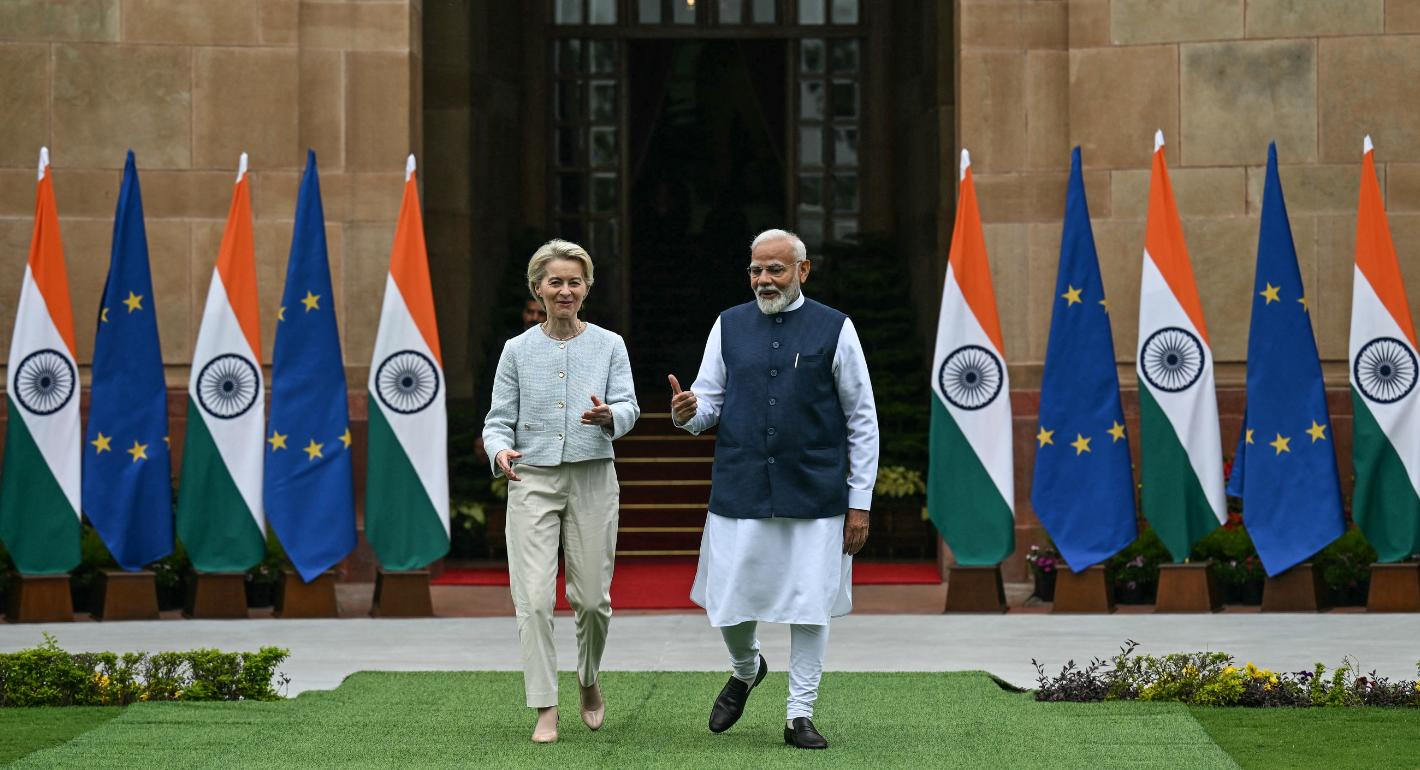
As European leadership prepares for the sixteenth EU-India Summit, both sides must reckon with trade-offs in order to secure a mutually beneficial Free Trade Agreement.

Dinakar Peri
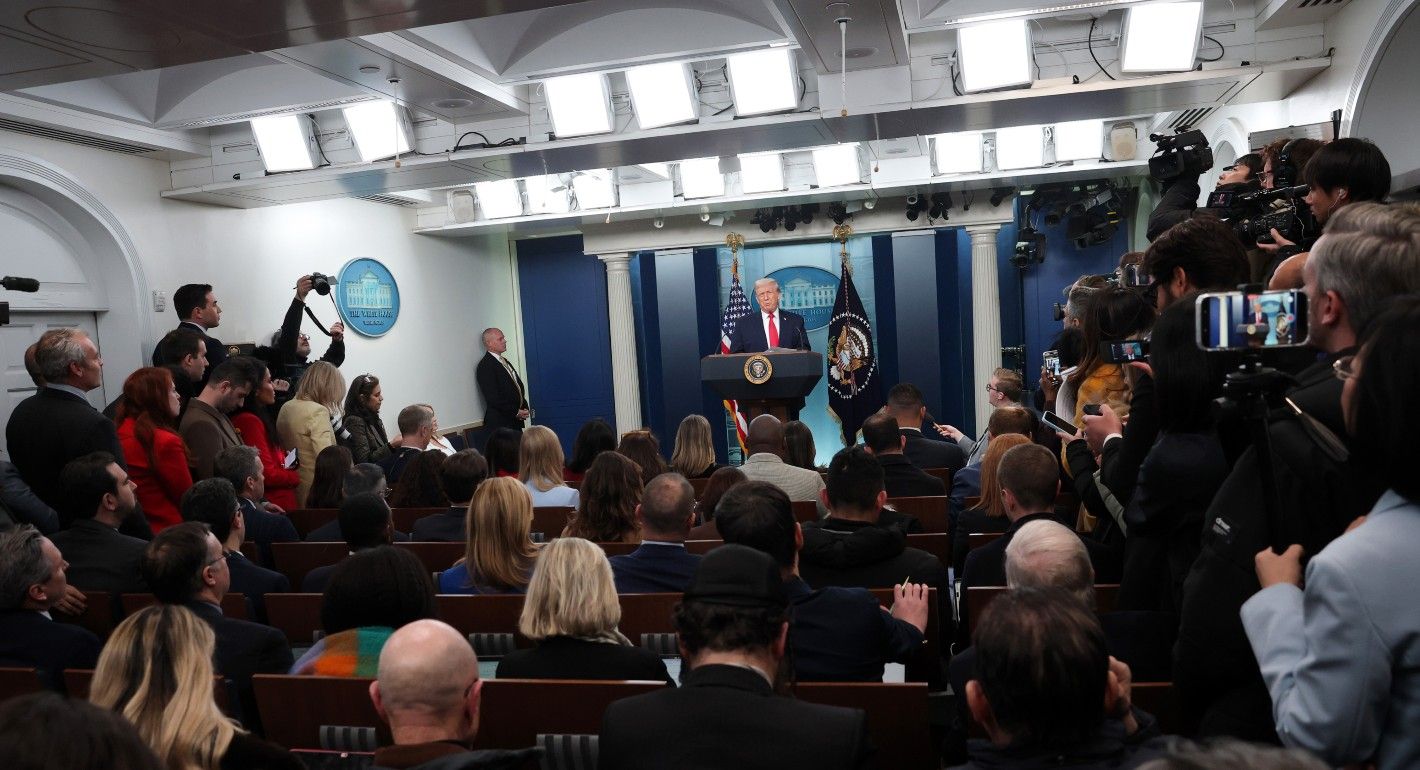
Carnegie scholars examine the crucial elements of a document that’s radically different than its predecessors.



James M. Acton, Saskia Brechenmacher, Cecily Brewer, …
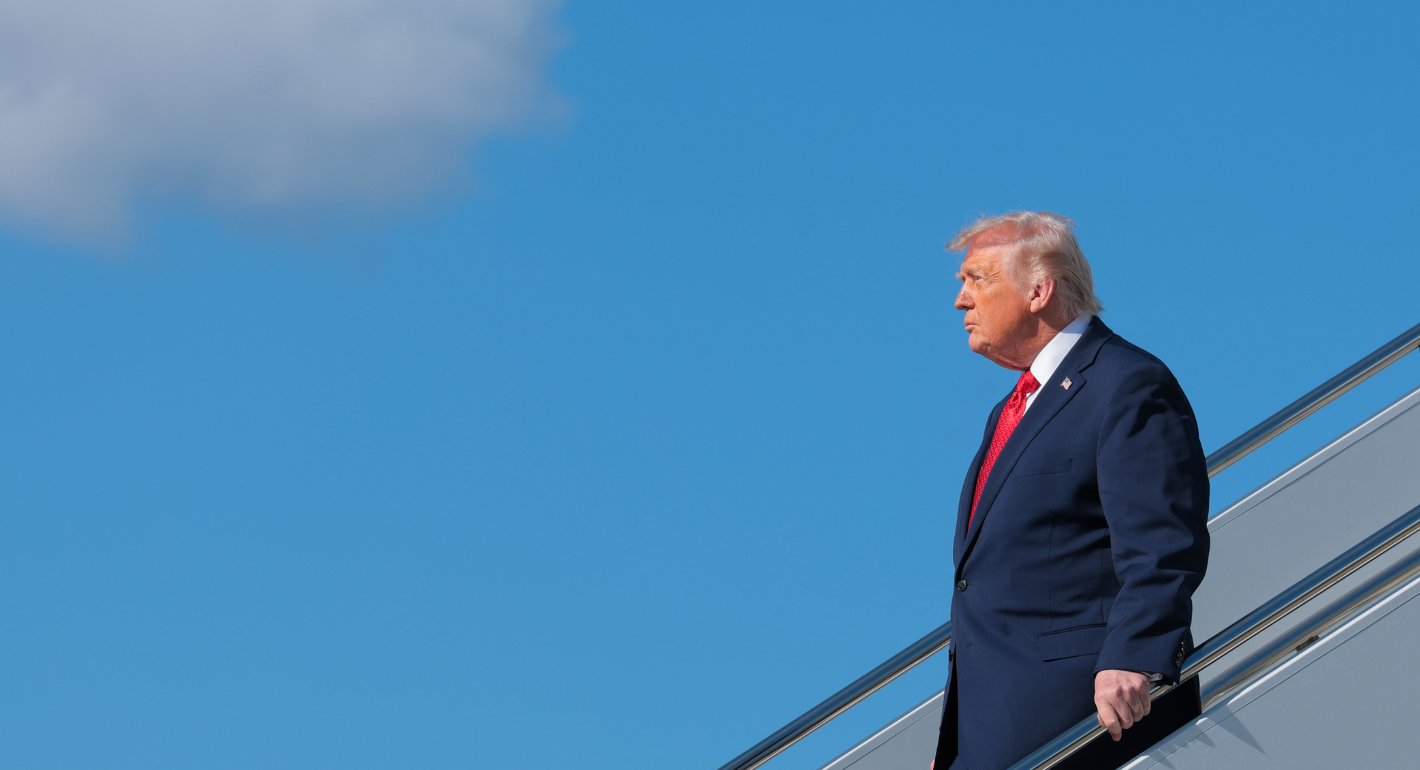
The hyper-personalized new version of global sphere-of-influence politics that Donald Trump wants will fail, as it did for Russia. In the meantime, Europe must still deal with a disruptive former ally determined to break the rules.

Thomas de Waal
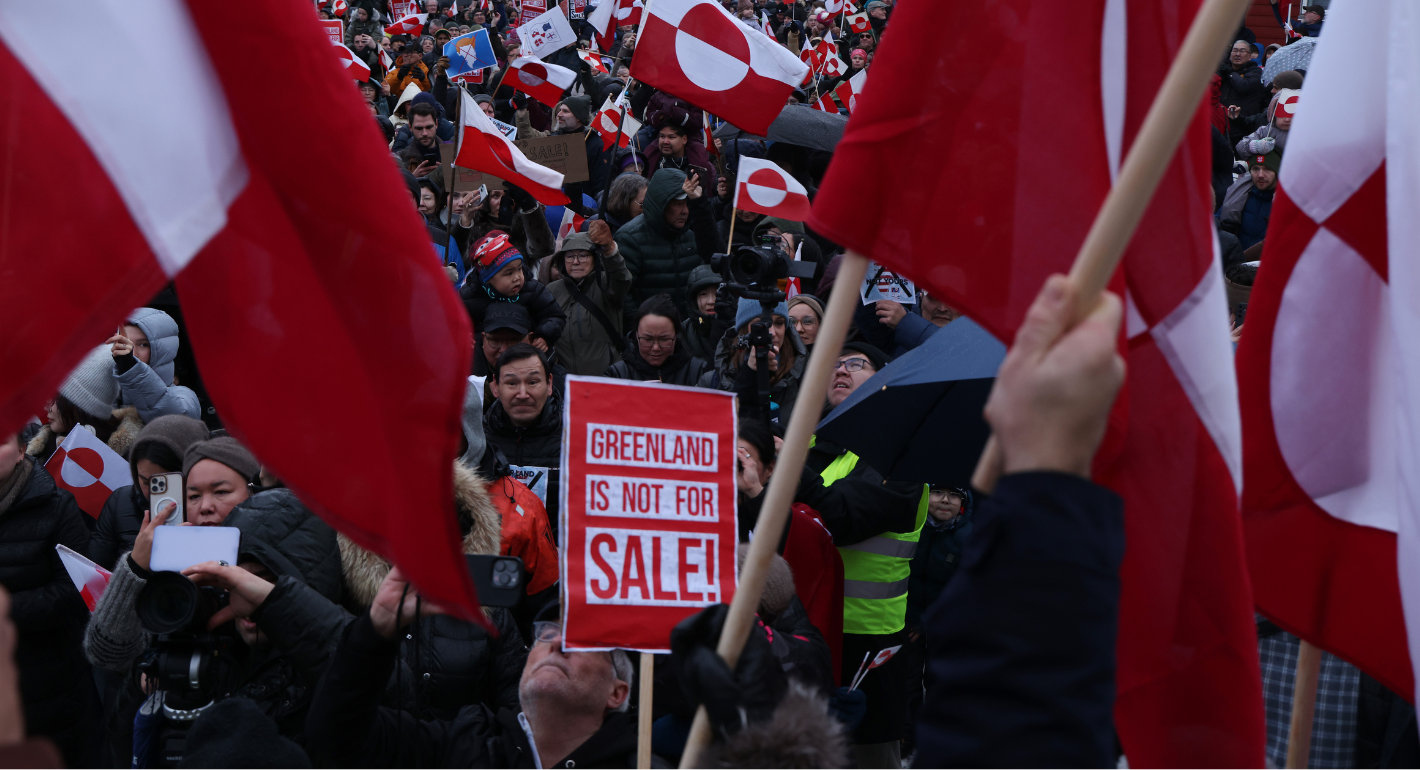
Between Greenland and U.S. interference in Europe’s democracies, transatlantic relations risk rising to an unprecedented level of crisis. Amid continued arguments on how Brussels should react, tough times lie ahead for European leaders.

Marc Pierini
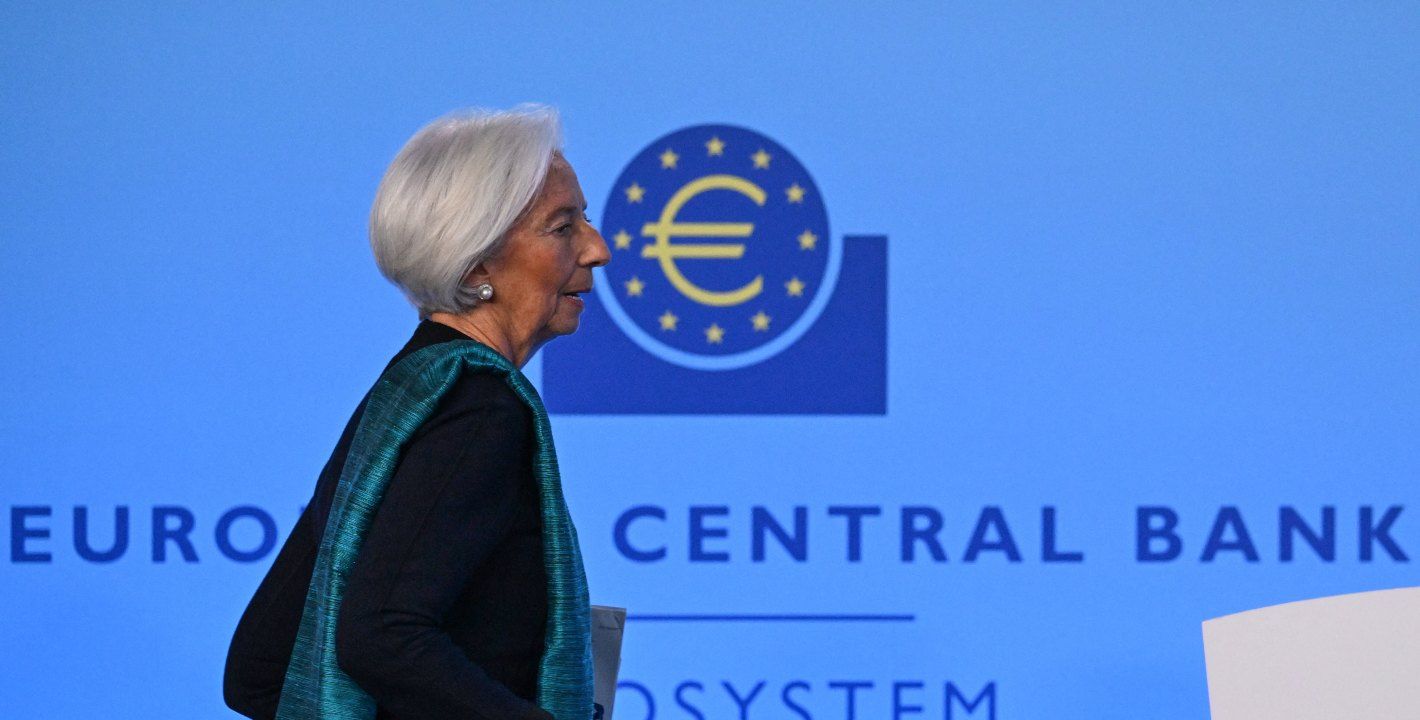
2026 has started in crisis, as the actions of unpredictable leaders shape an increasingly volatile global environment. To shift from crisis response to strategic foresight, what under-the-radar issues should the EU prepare for in the coming year?
Thomas de Waal