

Commentary
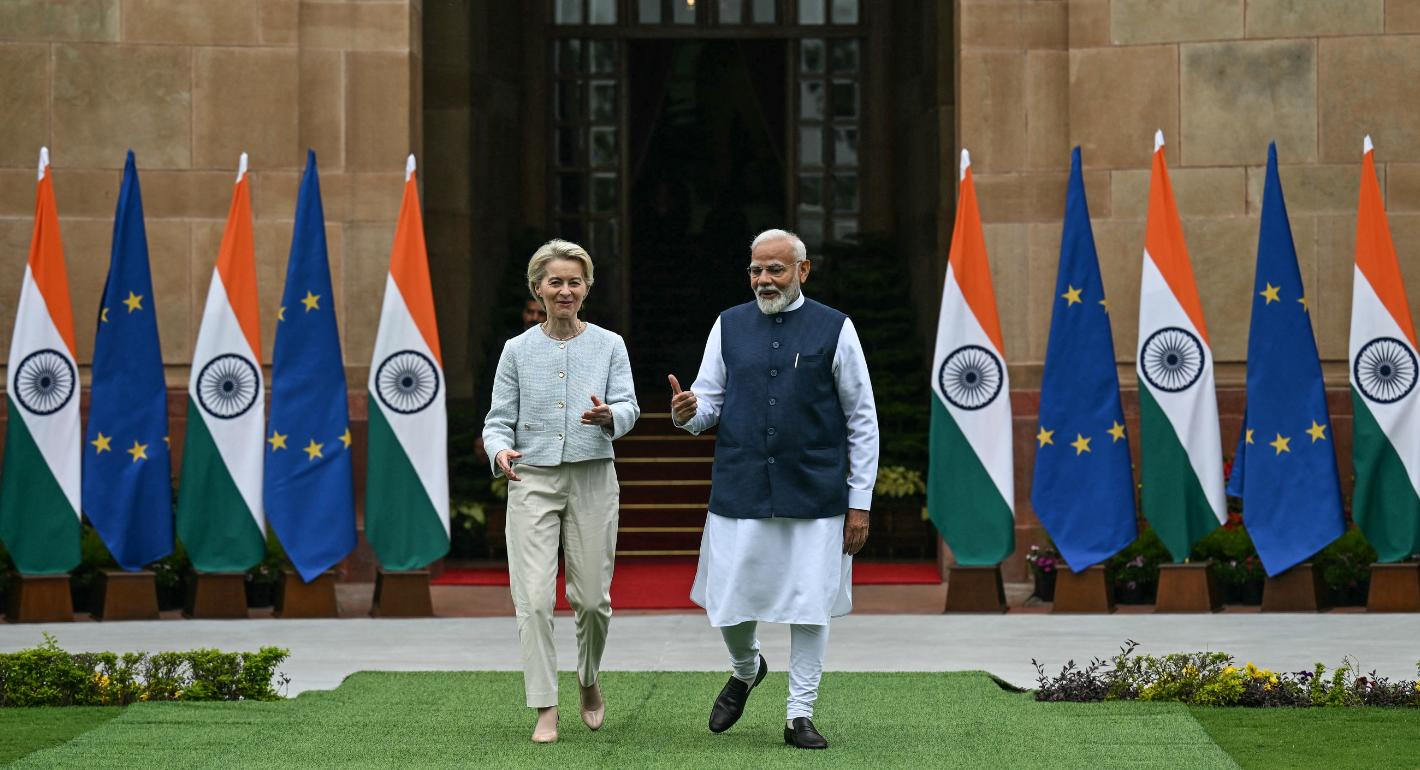
As European leadership prepares for the sixteenth EU-India Summit, both sides must reckon with trade-offs in order to secure a mutually beneficial Free Trade Agreement.
Dinakar Peri
{
  "authors": [
    "Ashley J. Tellis"
  ],
  "type": "legacyinthemedia",
  "centerAffiliationAll": "",
  "centers": [
    "Carnegie Endowment for International Peace"
  ],
  "collections": [],
  "englishNewsletterAll": "",
  "nonEnglishNewsletterAll": "",
  "primaryCenter": "Carnegie Endowment for International Peace",
  "programAffiliation": "",
  "programs": [
    "Asia"
  ],
  "projects": [],
  "regions": [
    "North America",
    "United States",
    "East Asia",
    "China",
    "Taiwan"
  ],
  "topics": [
    "Military",
    "Foreign Policy"
  ]
}
Despite President Bush’s 2001 commitment to supply Taiwan with U.S. military equipment for its self defense, the administration froze the final part of the arms deal last week. The deal should move forward, not only to support a democratic ally whose leader is committed to improving cross-straits relations, but also as a pragmatic step toward balancing China’s military build-up.
Source: Wall Street Journal

On Wednesday, Adm. Timothy Keating, commander of the U.S. Pacific Command, confirmed that the administration has frozen arms sales to the island nation, acknowledging Beijing's displeasure by way of explanation. "The Chinese have made clear to me their concern over any arms sales to Taiwan," he said at a Heritage Foundation forum in Washington. However, the decision to freeze arms sales is mistaken and dangerous.
The People's Republic of China has been expanding its military capabilities at a rapid pace. Included in this impressive buildup are weapons directly intended for use against Taiwan: hundreds of short-range ballistic missiles, scores of new fighter bombers and several types of attack submarines. In accordance with the 1979 Taiwan Relations Act, the Bush administration originally proposed an arms package designed to improve Taiwan's capacity for self-defense. Included were Patriot 3 missile-defense systems, P3C antisubmarine warfare aircraft, Apache helicopters, Kidd-class destroyers, diesel submarines and a modern command, control and communications system.
While defense experts in Taipei and Washington debated the utility of some of these systems for Taiwan's defense, as a package they constituted a powerful signal of America's long-standing commitment to Taiwan's defense and contained important elements of a stronger Taiwanese deterrent against potential Chinese aggression. The offer made good on Mr. Bush's promise that the U.S. would "do whatever it takes" to defend Taiwan.
In addition to the arms package, Mr. Bush also altered policy to normalize security relations with Taiwan, permitting it to request additional weapons systems as its military identified new requirements. Taiwan subsequently asked for 66 F-16 aircraft to replace its aging fighter fleet.
Unfortunately, Taiwan's domestic politics prevented speedy action on elements of the original U.S. offer. While it purchased the Kidd-class destroyers, the P3C aircraft, some elements of a missile defense system and a new command and control system, much of the American package became hostage to partisan bickering in Taipei. After significant delay, last year Taiwan's legislature finally acted, appropriating the money required to purchase most of the rest of the items offered by the U.S. in 2001.
The Bush administration now appears unwilling to follow through on its side of the bargain.
Why the volte-face? Following its initial offer of assistance, the Bush administration came to regard former Taiwanese President Chen Shui-bian as a reckless provocateur, determined to push his self-governing island toward formal independence from Beijing despite the risk of war. Fearful that selling Mr. Chen arms would only embolden him, some administration officials were quietly thankful for the continuing turmoil and indecision in Taipei.
Whatever the validity of these concerns, they no longer apply. In May 2008, the Taiwanese people elected opposition leader Ma Ying-jeou to the presidency. Mr. Ma is dedicated to improving cross-straits ties and eschews Mr. Chen's inflammatory rhetoric. But, like his predecessor, he is committed to strengthening Taiwan's self-defense capabilities.
Since Sept. 11, 2001, the Bush administration has been anxious to avoid antagonizing Beijing and eager to win its support on a variety of issues, especially its continuing efforts to denuclearize North Korea. Though the extent to which China has actually been helpful is debatable, the administration has increasingly subordinated many aspects of its Asia policy to the overarching aim of not offending Beijing.
The policy of not offending China, no matter what the costs, does not serve U.S. interests in the Taiwan Straits. First, it undermines Mr. Ma's ability to deal with Beijing from a position of strength, and to that extent it undermines the common objective of peaceful reunification, should the Taiwanese desire it.
Denying Taiwan the minimal capabilities required to cope with China's massive military buildup also increases the burdens on U.S. forces if they should ever intervene in a future cross-straits confrontation.
Moreover, the administration overstates the damage arms sales to Taiwan will do to cross-strait relations and to the overall relationship between the U.S. and China, important as that is. Beijing presumes Washington would move forward with arms it promised to sell to Taiwan some seven years ago. And, after adding several hundred advanced fighters to its own fleet, Beijing has no military reason to complain about the sale of 66 F-16s to Taiwan. None of the elements in the U.S. arms package in any case seriously increases Taiwan's offensive capabilities -- which are inconsequential to begin with.
Meanwhile, time is running out. The funds Taipei has appropriated to buy arms from the U.S. will lapse by the end of the 2008 and become unavailable. The process of Congressional notification necessary to conclude the sale too is lengthy and requires immediate administration action.
The administration should therefore move urgently to supply Taiwan with the capabilities promised in defense against China's growing ballistic missile, air and naval threats. Leaving office without approving these sales would be a strategic failure with far-reaching implications.
At stake is not only the defense of a democratic friend, but the credibility of the Ma government. Also at stake are America's commitment to protect its long-term interests throughout the Asia-Pacific, and Mr. Bush's determination to defend freedom. Failure to act would also set a dangerous precedent. For the first time since its opening to China, the U.S. government would have sidestepped its obligation to assist Taiwan in hopes of appeasing Beijing. Now is the time to change policy and move forward: both principle and pragmatism demand it.
Carnegie does not take institutional positions on public policy issues; the views represented herein are those of the author(s) and do not necessarily reflect the views of Carnegie, its staff, or its trustees.
As European leadership prepares for the sixteenth EU-India Summit, both sides must reckon with trade-offs in order to secure a mutually beneficial Free Trade Agreement.

Dinakar Peri
Carnegie scholars examine the crucial elements of a document that’s radically different than its predecessors.



James M. Acton, Saskia Brechenmacher, Cecily Brewer, …
The hyper-personalized new version of global sphere-of-influence politics that Donald Trump wants will fail, as it did for Russia. In the meantime, Europe must still deal with a disruptive former ally determined to break the rules.

Thomas de Waal
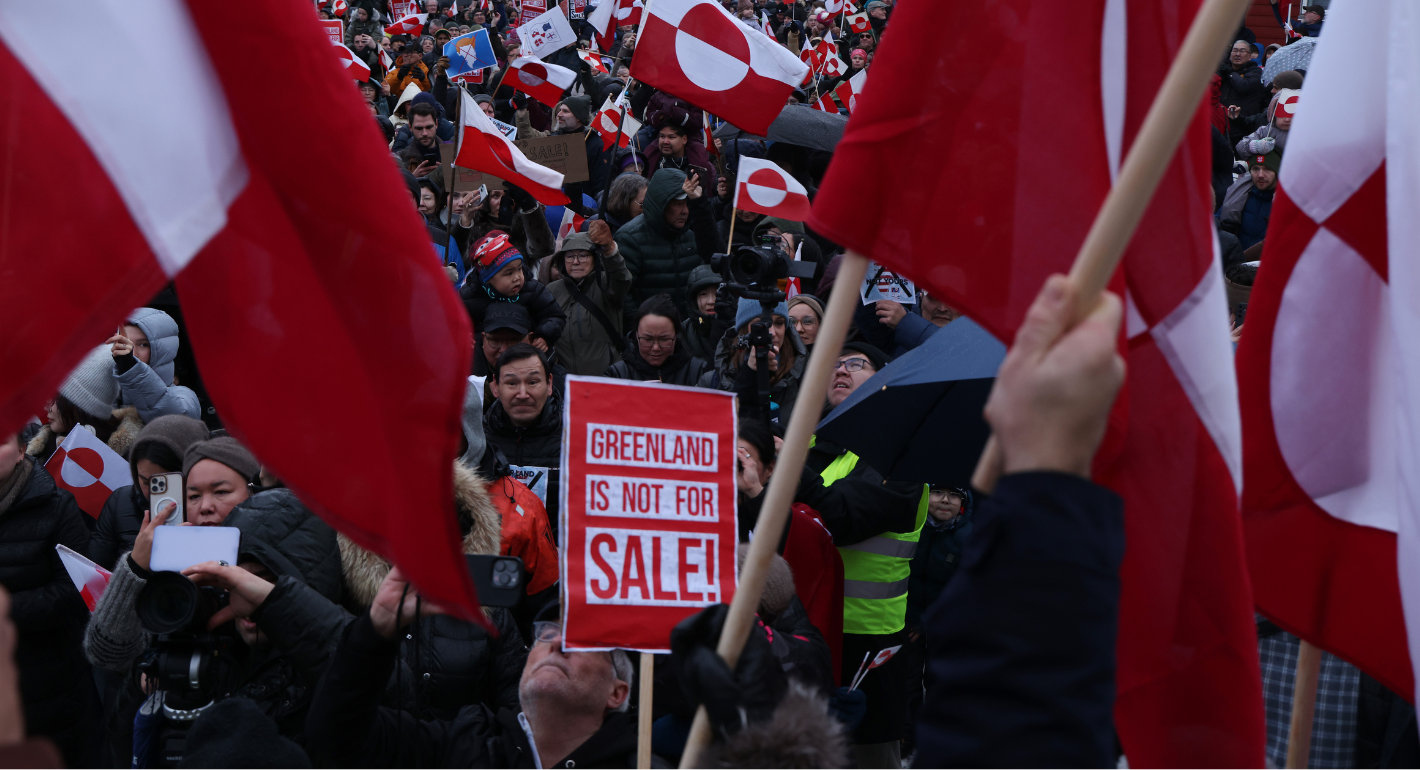
Between Greenland and U.S. interference in Europe’s democracies, transatlantic relations risk rising to an unprecedented level of crisis. Amid continued arguments on how Brussels should react, tough times lie ahead for European leaders.

Marc Pierini
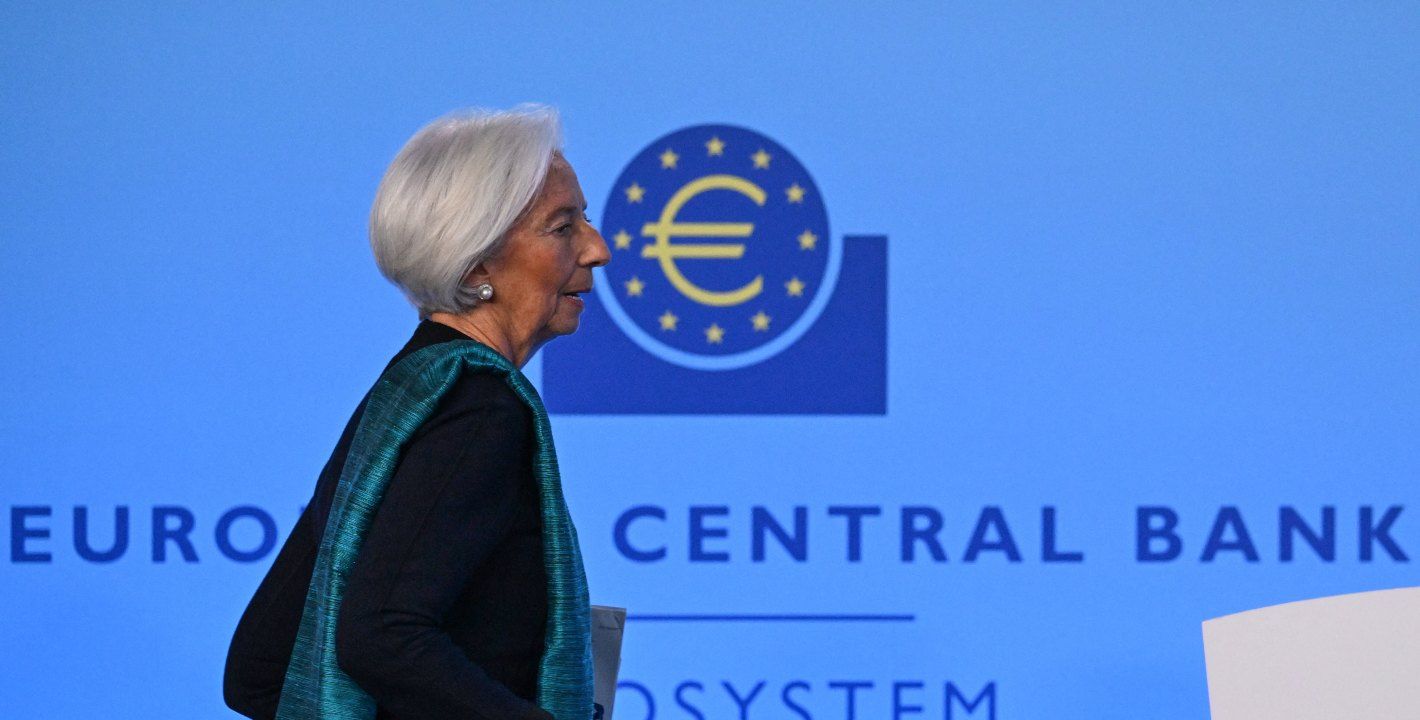
2026 has started in crisis, as the actions of unpredictable leaders shape an increasingly volatile global environment. To shift from crisis response to strategic foresight, what under-the-radar issues should the EU prepare for in the coming year?
Thomas de Waal