• Research
  • Strategic Europe
  • About
  • Experts
Carnegie Europe logoCarnegie lettermark logo
EUUkraine
  • Donate
{
  "authors": [
    "Ashley J. Tellis"
  ],
  "type": "legacyinthemedia",
  "centerAffiliationAll": "",
  "centers": [
    "Carnegie Endowment for International Peace"
  ],
  "collections": [],
  "englishNewsletterAll": "",
  "nonEnglishNewsletterAll": "",
  "primaryCenter": "Carnegie Endowment for International Peace",
  "programAffiliation": "",
  "programs": [
    "South Asia"
  ],
  "projects": [],
  "regions": [
    "North America",
    "United States",
    "South Asia",
    "India"
  ],
  "topics": [
    "Foreign Policy",
    "Nuclear Policy",
    "Nuclear Energy"
  ]
}
In The Media

De facto, not de jure - India is World's Sixth Nuclear Power

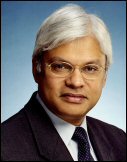
The U.S.-India Civil Nuclear Agreement is a recognition of India’s rise as a global player, and its strategic importance to the United States. This is part of a transforming world order, which the U.S. wants to shape to its advantage, says Ashley J. Tellis in an interview with Mint - Wall Street Journal.

Link Copied
By Ashley J. Tellis
Published on Sep 30, 2008

Source: Mint - Wall Street Journal

What’s the worst case and the best case scenario for the Indo-US nuclear deal?

I think at the US end there’s only good news. The House is expected to vote on the Bill sometime today (Friday) in the US and I expect once that happens it will be reported to the Senate. I think we will cross that hurdle before Congress adjourns. So I am very optimistic about it.

So we are going to have a 123 agreement?
Absolutely.

What does the Indo-US nuclear agreement really mean for India?
I would say it means three things. (One) It is a changing of a very powerful set of global rules to accommodate India; it is a recognition of India’s responsibility and its rising capabilities; and the importance of the US-India partnership. Two, it gives India access to something it has never had for the last 30-odd years, and that is nuclear energy cooperation with a whole range of countries, which is going to be vital if India is going to meet its developmental goals. The third is more symbolic, in that it means the end of the nuclear apartheid regime to use (former external affairs minister) Jaswant Singh’s famous phrase, that kept India out of the group of elite countries. I think it is truly a transformative event and when historians write about in the coming decades, I have absolutely no doubt in my mind that this will have been one of those turning points in India’s march towards becoming a great power.


This new world order that you are outlining — what is in it for the US?
That is a hard question to answer satisfactorily, because the honest answer is that in part, it depended greatly on the President’s (George W. Bush) own instincts. It’s an unsatisfying answer because it’s a complex policy
question. But the President had an instinct about India and a desire to make this relationship work, to put it on new foundations and he drove this initiative really as an act of will… It starts actually not in 2005, but goes back to his first term...

Read the full interview here

Ashley J. Tellis
Former Senior Fellow
Foreign PolicyNuclear PolicyNuclear EnergyNorth AmericaUnited StatesSouth AsiaIndia

Carnegie does not take institutional positions on public policy issues; the views represented herein are those of the author(s) and do not necessarily reflect the views of Carnegie, its staff, or its trustees.

More Work from Carnegie Europe

  • Commentary
    Strategic Europe
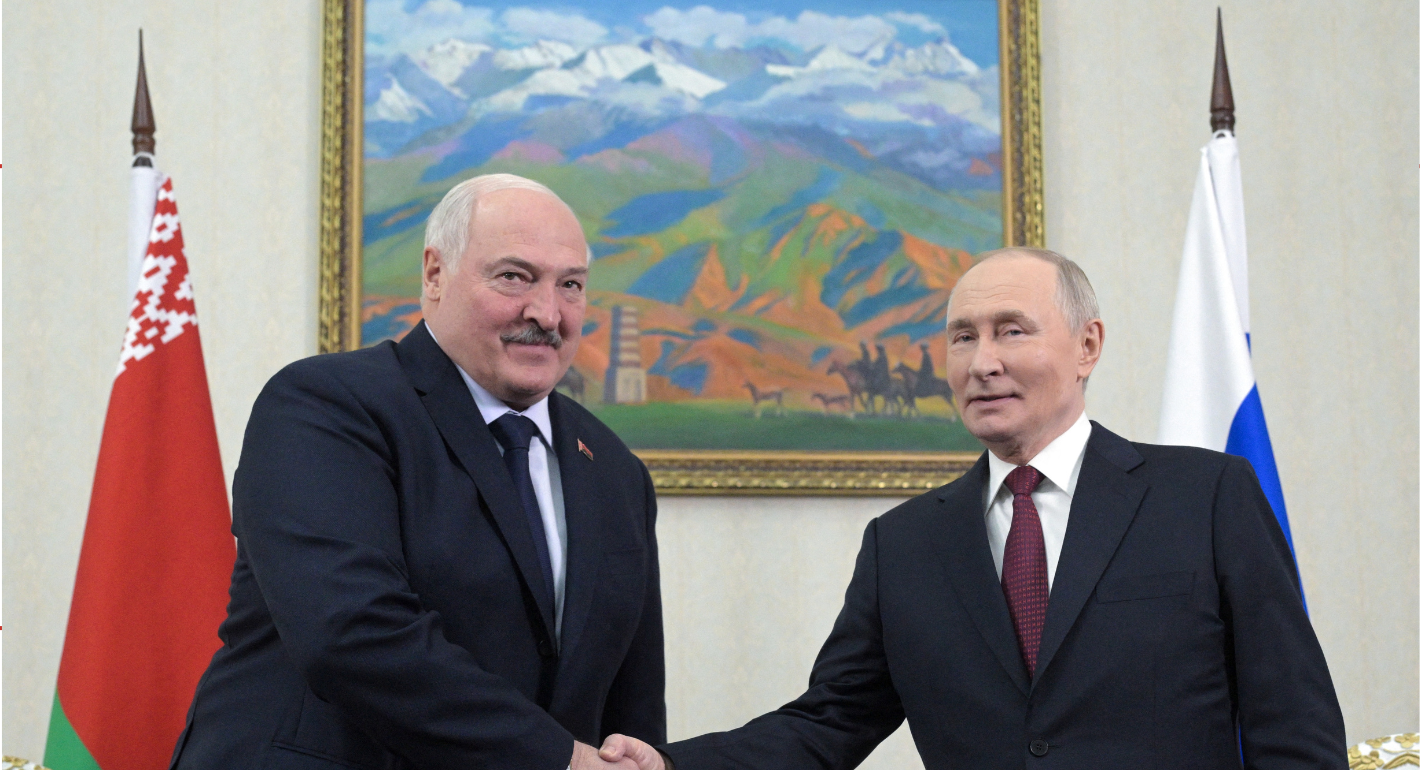
    Taking the Pulse: Is It Time for Europe to Reengage With Belarus?

    In return for a trade deal and the release of political prisoners, the United States has lifted sanctions on Belarus, breaking the previous Western policy consensus. Should Europeans follow suit, using their leverage to extract concessions from Lukashenko, or continue to isolate a key Kremlin ally?

      Thomas de Waal, ed.
  • Commentary
    Strategic Europe
    The EU and India in Tandem

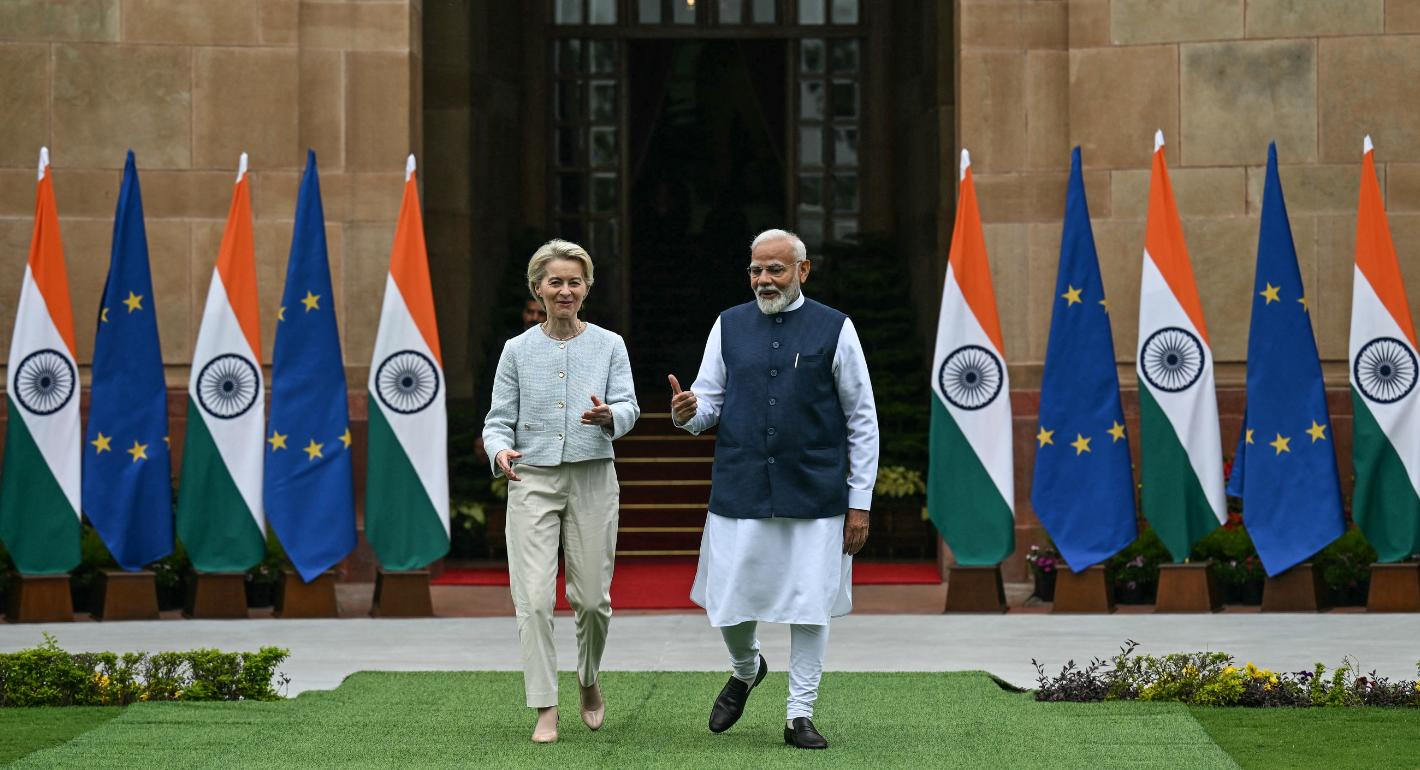
    As European leadership prepares for the sixteenth EU-India Summit, both sides must reckon with trade-offs in order to secure a mutually beneficial Free Trade Agreement.

      Dinakar Peri

  • Trump speaking to a room of reporters
    Commentary
    Emissary
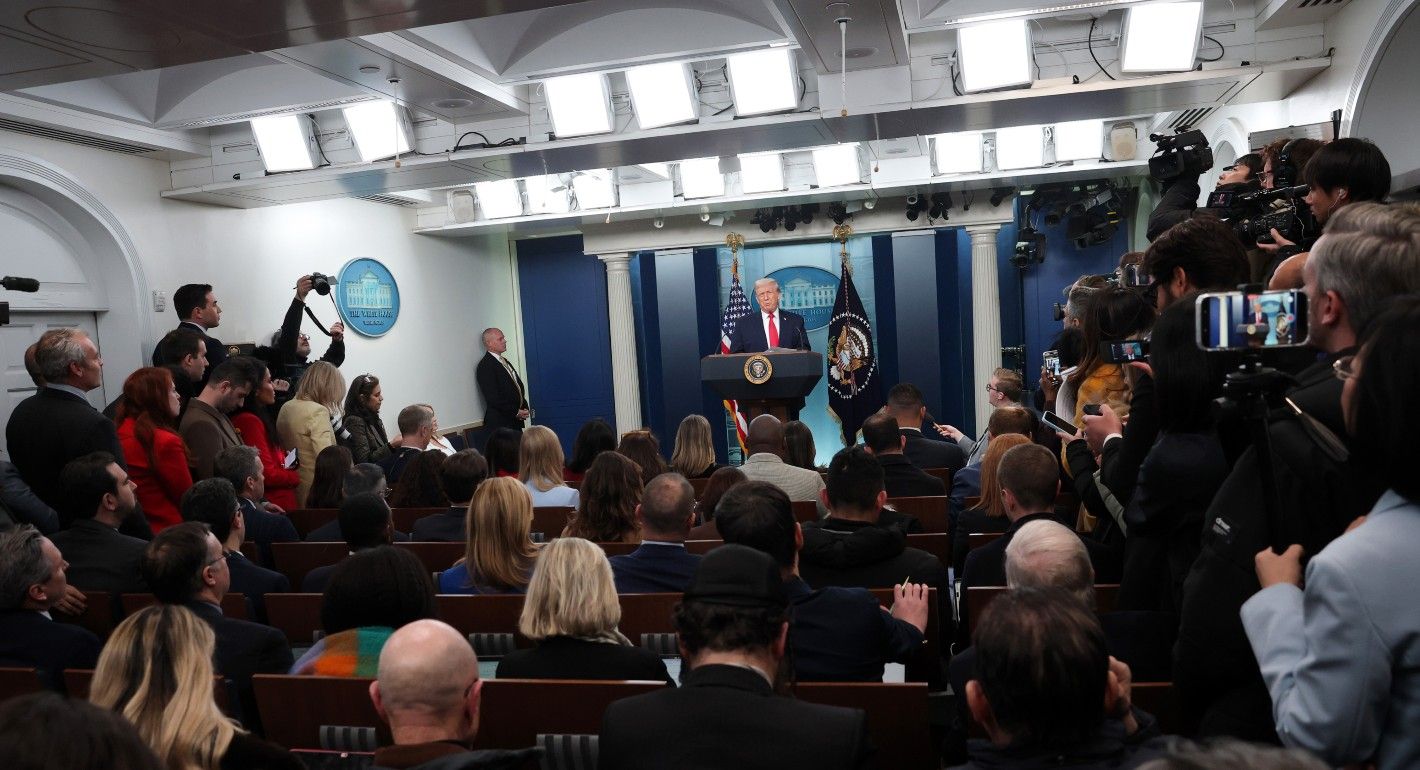
    Unpacking Trump’s National Security Strategy

    Carnegie scholars examine the crucial elements of a document that’s radically different than its predecessors.

      • Cecily Brewer
      • +18

      James M. Acton, Saskia Brechenmacher, Cecily Brewer, …

  • Commentary
    Strategic Europe
    Europe Faces the Gone-Rogue Doctrine

    The hyper-personalized new version of global sphere-of-influence politics that Donald Trump wants will fail, as it did for Russia. In the meantime, Europe must still deal with a disruptive former ally determined to break the rules.

      Thomas de Waal

  • Commentary
    Europe’s American Predicament

    Between Greenland and U.S. interference in Europe’s democracies, transatlantic relations risk rising to an unprecedented level of crisis. Amid continued arguments on how Brussels should react, tough times lie ahead for European leaders.

      Marc Pierini

Get more news and analysis from
Carnegie Europe
Carnegie Europe logo, white
Rue du Congrès, 151000 Brussels, Belgium
  • Research
  • Strategic Europe
  • About
  • Experts
  • Projects
  • Events
  • Contact
  • Careers
  • Privacy
  • For Media
  • Gender Equality Plan
Get more news and analysis from
Carnegie Europe
© 2026 Carnegie Endowment for International Peace. All rights reserved.