

Commentary
As European leadership prepares for the sixteenth EU-India Summit, both sides must reckon with trade-offs in order to secure a mutually beneficial Free Trade Agreement.
Dinakar Peri
{
  "authors": [
    "Martha Brill Olcott"
  ],
  "type": "legacyinthemedia",
  "centerAffiliationAll": "",
  "centers": [
    "Carnegie Endowment for International Peace",
    "Carnegie Russia Eurasia Center"
  ],
  "collections": [],
  "englishNewsletterAll": "",
  "nonEnglishNewsletterAll": "",
  "primaryCenter": "Carnegie Russia Eurasia Center",
  "programAffiliation": "",
  "programs": [
    "Russia and Eurasia"
  ],
  "projects": [
    "Eurasia in Transition"
  ],
  "regions": [
    "Central Asia",
    "Kazakhstan",
    "Russia",
    "Eastern Europe",
    "Ukraine",
    "Caucasus"
  ],
  "topics": [
    "Security",
    "Foreign Policy",
    "Global Governance"
  ]
}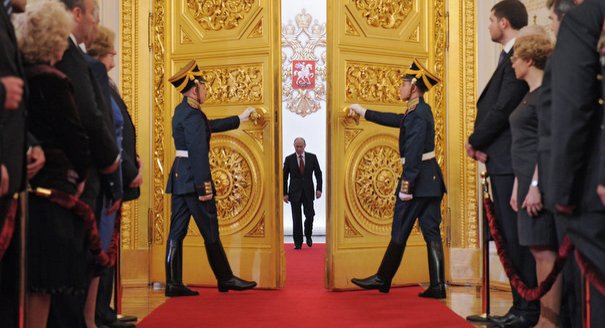
The international focus must be on checking Putin’s provocation in Ukraine and preventing him from taking another step—in Kazakhstan or anywhere else—in his reintegration project.
Source: La Vanguardia
If unchecked, Russia’s seizure of key objects in Crimea will be the first step in changing the map of Eurasia. Vladimir Putin’s assertion of a need to use military force to protect Russian citizens and the entire “Russian-speaking population” is ominous. It should be read as a warning that Russia’s president wants to reverse what he says are two of the great catastrophes of the twentieth century: the collapse of the Russian Empire and the breakup of the Soviet Union.
Seeing himself as the “protector” of all Russians, Putin had good reason to be upset by the unfolding developments in Ukraine. The disgraced ally, Viktor Yanukovych, and the revelations of his lavish lifestyle in the global media were embarrassing and raise questions about how other Russian-backed autocrats are spending state funds.And the new inchoate government in Kyiv played its part in inciting Putin’s anger. Not content to simply turn toward the EU, United States, and IMF for solutions, the interim government decided to scrap the 2012 law that legalized the use of the Russian language—this was like waving a red flag in front of a bull.
Putin could have behaved like an international statesman, expressing shock and ignorance of Yanukovych’s corruption and ensuring Russia influenced any IMF bailout efforts. To make them truly international he could have pressed to include Ukraine’s debts to both Russia and China in the dealings and proffered his own bailout as well.
But Putin’s actions speak to other motives—the Russian leader’s real goal is to achieve what he terms an “integration project” of the territories of the former U.S.S.R. that is designed to reinvigorate and restore Russia’s civilization to what he sees as its rightful place. Putin has taken this as his mission and believes that if he’s successful it will earn him an enduring place in Russian history.
Every nation and great culture strives for a renaissance, but this can’t be done through the use or threat of force, or at the cost of other nations and peoples seeking to define and achieve their own national dreams. Yet this is precisely what Putin seeks to do by taking advantage of the political confusion in Ukraine to reassert Russian nationalist claims on Crimea and potentially on the eastern and southern regions of the country.
Are other regions in the former Soviet Union facing the same risk as Ukraine?
Presumably Kazakhstan could come next. Kazakhstan also has a large Russian minority population and the Russian language is set to be gradually phased out from public life. Previewing Moscow’s response, Vladimir Zhironovskii, the Russian nationalist leader and convenient buffoon, called for the creation of a Central Asian Federal Region with a capital in Verny (the Russian imperial name for Almaty) in February.
Russia vowed to respect Kazakhstan’s territorial integrity (just as it did with Ukraine) in 1994, when the country relinquished control of its share of the U.S.S.R.’s nuclear weapons. But Kazakhstan has still been careful in its response to events in Ukraine.
The Kazakh leadership remained silent about the crisis until March 3, preferring to concentrate on the fifteenth anniversary of the formation of Nur Otan, the ruling party, while official media reported developments in Ukraine in a straightforward fashion.
When Kazakhstan’s Ministry of Foreign Affairs finally issued a statement it was careful to distance the country both from Russia’s actions and from the various G-7 member calls for sanctions. It urged all sides to find a resolution through negotiations and respect for the fundamental principles of international law.
For the leadership in Astana nothing good can come from Russia’s actions in Crimea. President Nursultan Nazarbayev has publicly endorsed “deep integration” with Russia on numerous occasions (despite growing public dissatisfaction over its economic costs), but the future is unclear.
What will happen when the nearly 74-year-old leader passes from the scene? Will the Kremlin be content with a successor who is also pro-integration with Russia? Or will various behind-the-scenes dealers try to stimulate the dissatisfactions of Kazakhstan’s ethnic Russians and Russian-speaking minorities to get them to exercise their “right” of national self-determination and rejoin the “Russian motherland”? This would be totally unacceptable to the rest of Kazakhstan’s increasingly patriotic population, who like the people in much of Ukraine would not want to submit quietly.
Putin will not ensure his historic legacy through the acquisition of Crimea alone. His vision requires some form of a greater Russia either territorially or extraterritorially constituted. But this is not a vision that can be peacefully achieved or long sustained. There are simply too many people in Ukraine, Kazakhstan, and elsewhere in the former Soviet territory (including in Russia itself) that will not tolerate it. Instead, they will choose migration, stagnation, or violence in response.
Russia’s moves also threaten the future security of Europe and the United States. It doesn’t mean, however, that NATO military action is the answer. If diplomacy continues to fail, then U.S. and EU leaders have to be prepared to introduce meaningful economic sanctions. Of course the economic security of some European states will be temporarily at risk if Russia cuts off oil and gas flows in response. But paying an economic price today could help ensure the security of Europe and the United States in the future.
Focus must be on checking Putin’s provocation in Ukraine and preventing him from taking another step—in Kazakhstan or anywhere else—in his reintegration project.
This article was originally published in Spanish in La Vanguardia.
Carnegie does not take institutional positions on public policy issues; the views represented herein are those of the author(s) and do not necessarily reflect the views of Carnegie, its staff, or its trustees.
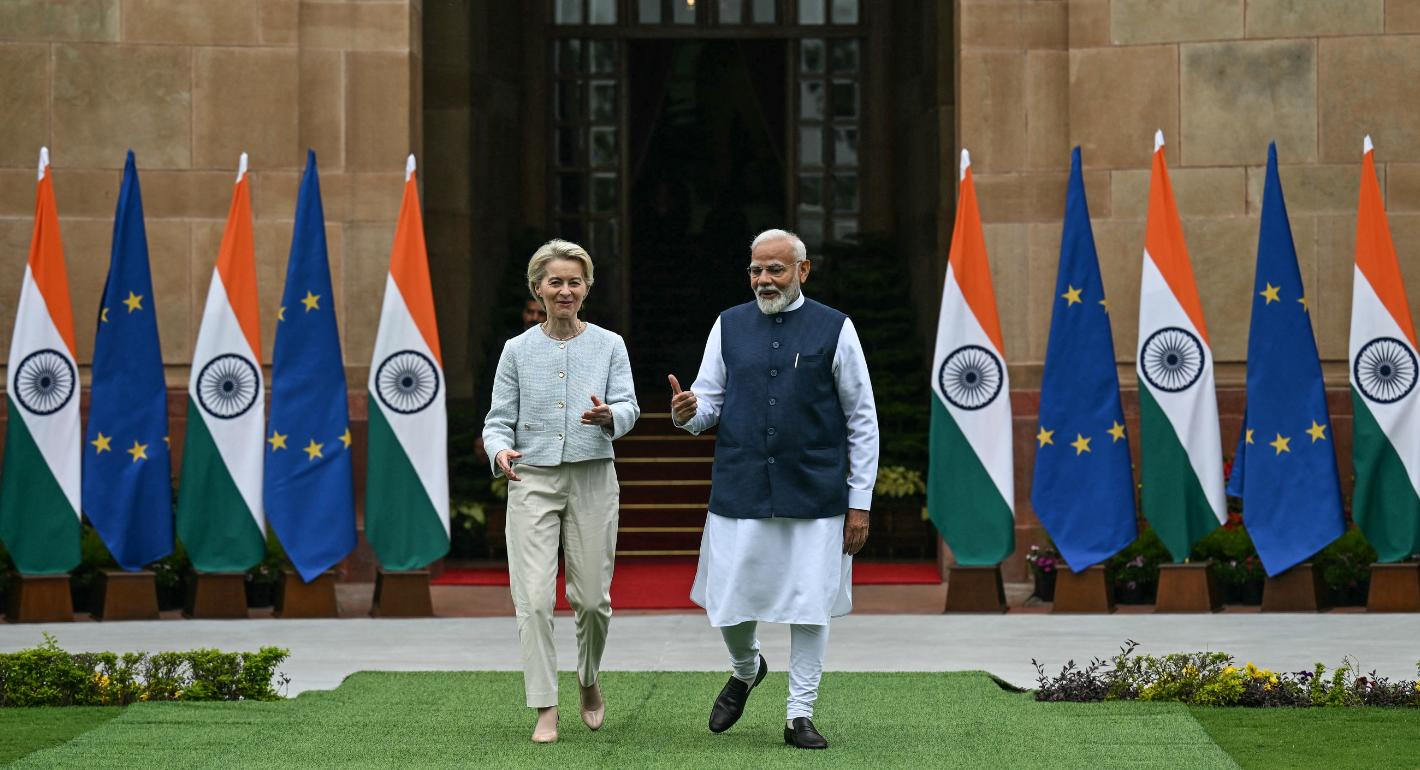
As European leadership prepares for the sixteenth EU-India Summit, both sides must reckon with trade-offs in order to secure a mutually beneficial Free Trade Agreement.
Dinakar Peri
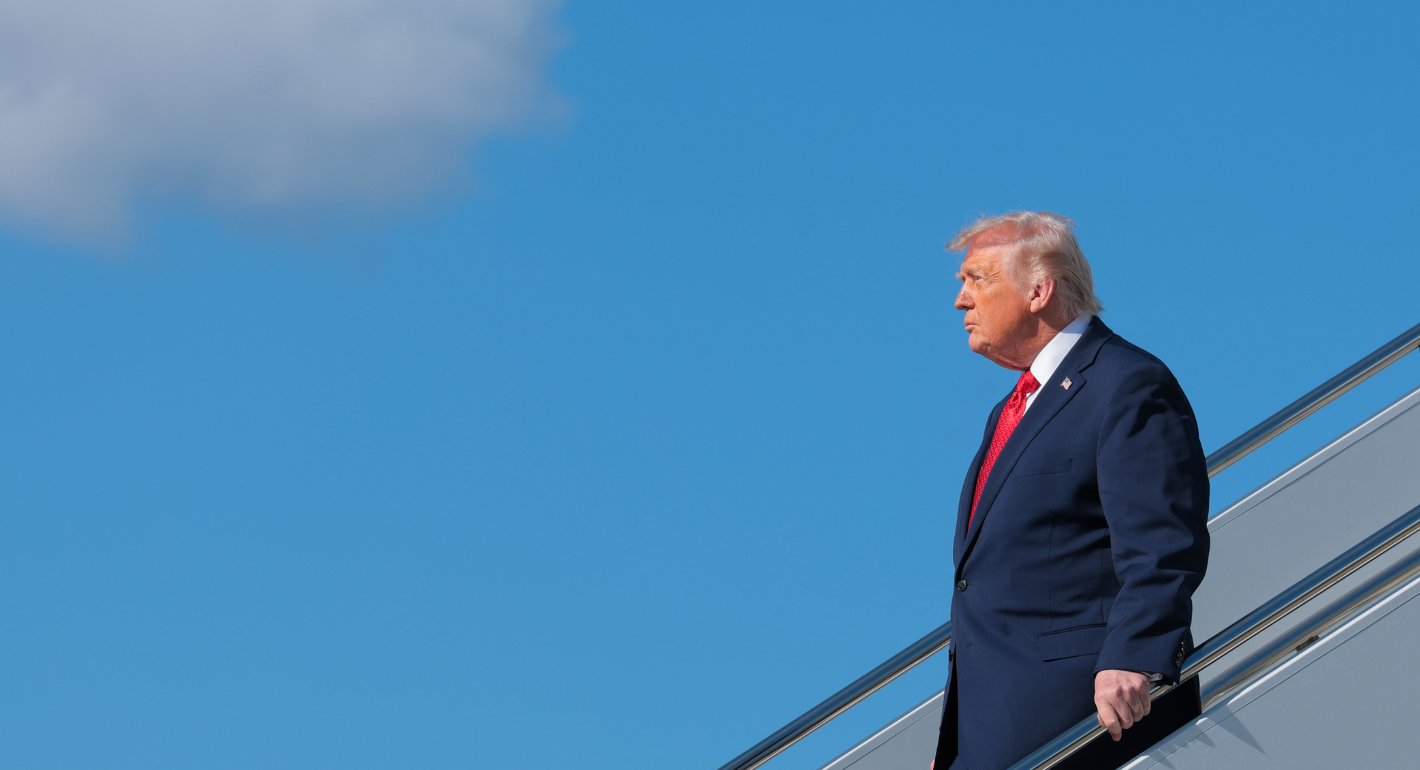
The hyper-personalized new version of global sphere-of-influence politics that Donald Trump wants will fail, as it did for Russia. In the meantime, Europe must still deal with a disruptive former ally determined to break the rules.
Thomas de Waal
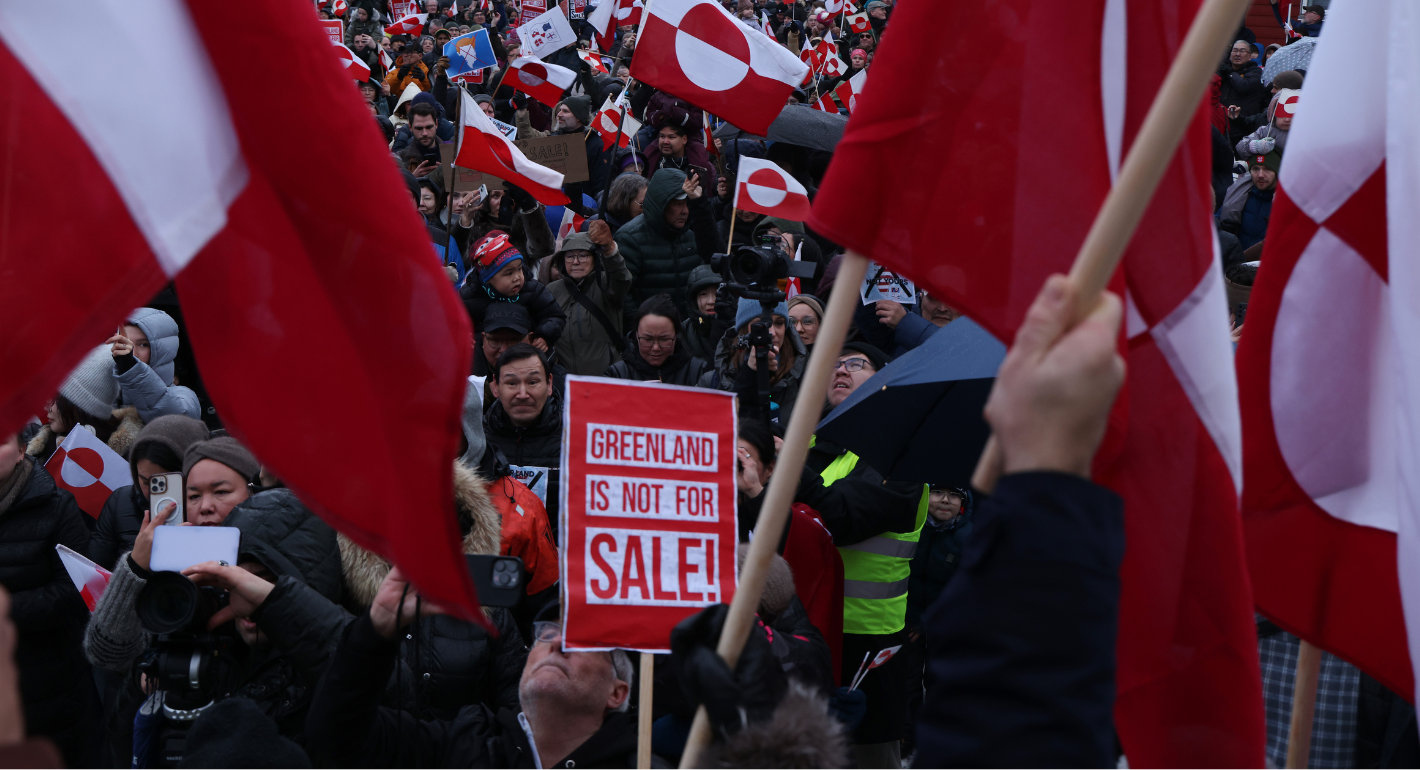
Between Greenland and U.S. interference in Europe’s democracies, transatlantic relations risk rising to an unprecedented level of crisis. Amid continued arguments on how Brussels should react, tough times lie ahead for European leaders.
Marc Pierini
2026 has started in crisis, as the actions of unpredictable leaders shape an increasingly volatile global environment. To shift from crisis response to strategic foresight, what under-the-radar issues should the EU prepare for in the coming year?
Thomas de Waal
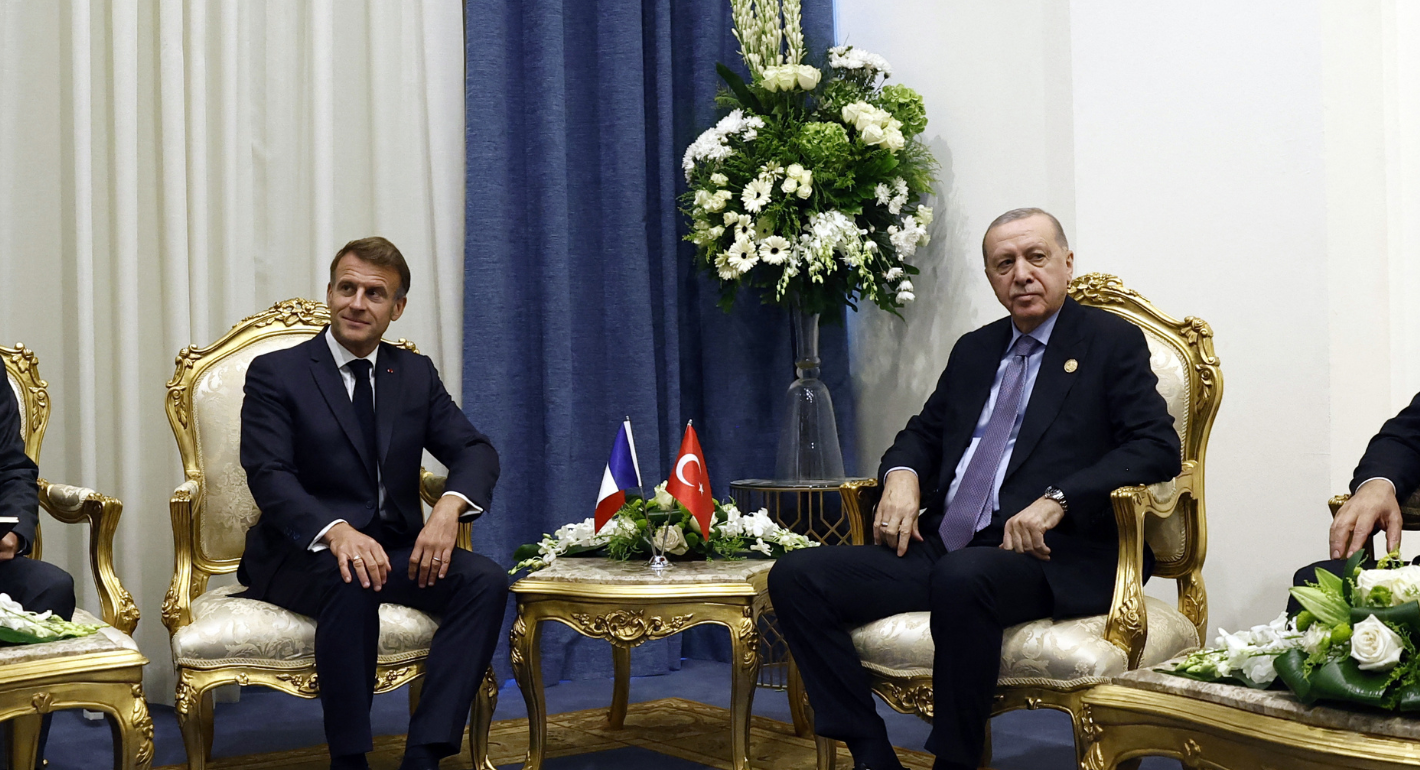
A renewal of relations between France and Turkey is vital to strengthen European strategic autonomy. To make this détente a reality, Paris and Ankara should move beyond personal friction and jointly engage with questions of Black Sea security.
Romain Le Quiniou