• Research
  • Strategic Europe
  • About
  • Experts
Carnegie Europe logoCarnegie lettermark logo
EUUkraine
  • Donate
{
  "authors": [
    "Dmitri Trenin"
  ],
  "type": "legacyinthemedia",
  "centerAffiliationAll": "",
  "centers": [
    "Carnegie Endowment for International Peace",
    "Carnegie Russia Eurasia Center"
  ],
  "collections": [],
  "englishNewsletterAll": "",
  "nonEnglishNewsletterAll": "",
  "primaryCenter": "Carnegie Russia Eurasia Center",
  "programAffiliation": "",
  "programs": [],
  "projects": [],
  "regions": [
    "Russia",
    "Eastern Europe",
    "Ukraine"
  ],
  "topics": [
    "Foreign Policy"
  ]
}
In The Media
Carnegie Russia Eurasia Center

Russia: Where Next After Crimea?

Putin sees himself as repairing the damage done a quarter century ago by Gorbachev and Yeltsin. He is challenging not only the 1991 geopolitical arrangements but an entire world order in which only the United States has the right to decide what is right and what is wrong.

Link Copied
By Dmitri Trenin
Published on Mar 19, 2014

Source: Al Jazeera America

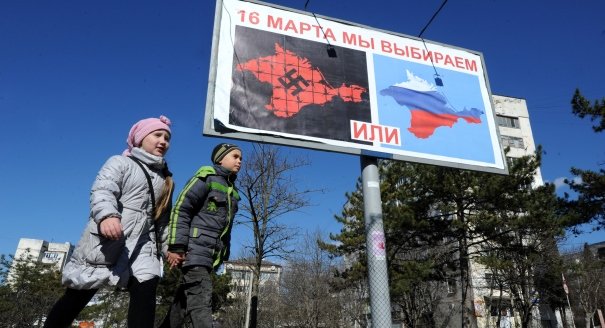
In his speech to the Russian parliament on Tuesday, Vladimir Putin moved to include Crimea in the Russian Federation. At the same time, he said Moscow had no intention to move into southeastern Ukraine or to support a “Crimea scenario” there. The situation, however, is fast unfolding, and the crisis that led to the toppling on Feb. 21–22 of Ukrainian President Viktor Yanukovich is far from over.

Over the past four weeks, Russia’s foreign policy and its relations with the United States and the European Union have been fundamentally transformed. Even if historical analogies are often tricky, Russia and the West have entered something that can be described as a new cold war.

Neither side has thus far developed a strategy for dealing with the other in this new scenario. The Russian approach, however, is basically clear. Putin, who in a 2006 address to the Russian parliament famously described the breakup of the Soviet Union as a major catastrophe, sees himself as repairing the damage done a quarter century ago by the last Soviet leader, Mikhail Gorbachev, and the first Russian president, Boris Yeltsin.

To Putin, eastern Slavs — Belarusians, Ukrainians and Russians — are part of an Orthodox Christian civilization closely tied by the bonds of ethnicity, language, culture and shared history. To the Russian leader, they are all one people.

During the Ukraine crisis, however, Putin has for the first time publicly described ethnic Russians as a divided nation — a description previously avoided so as not to alarm neighboring countries whose borders with Russia create those divisions. Putin used the idea of reuniting Russians to rationalize incorporating Crimea within the Russian Federation. He also noted that southeastern Ukraine, from Odessa to Kharkiv, was originally southern Russia and is still home to millions of ethnic Russians. ...

Read the full text of this article on Al Jazeera America.

Dmitri Trenin
Former Director, Carnegie Moscow Center
Foreign PolicyRussiaEastern EuropeUkraine

Carnegie does not take institutional positions on public policy issues; the views represented herein are those of the author(s) and do not necessarily reflect the views of Carnegie, its staff, or its trustees.

More Work from Carnegie Europe

  • Commentary
    Strategic Europe
    Taking the Pulse: Is It Time for Europe to Reengage With Belarus?

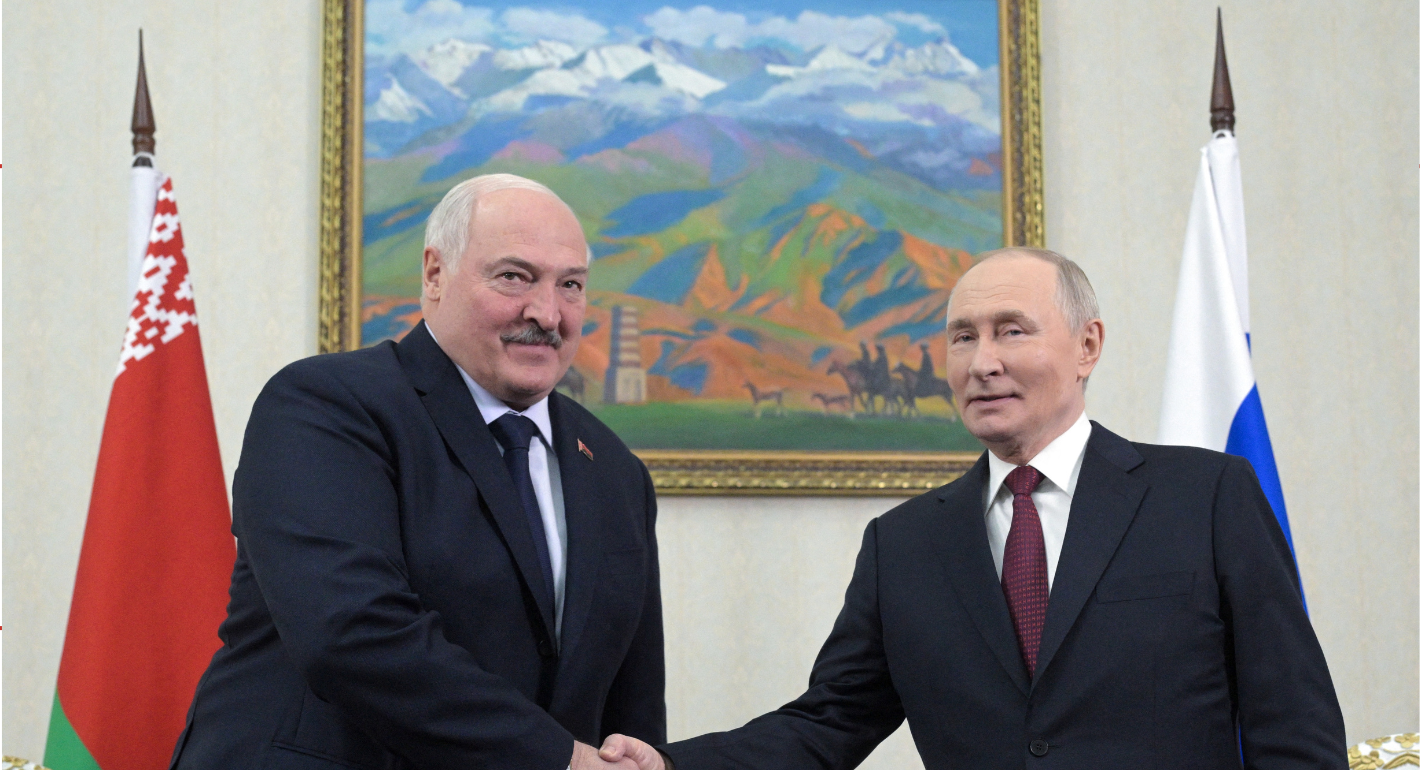
    In return for a trade deal and the release of political prisoners, the United States has lifted sanctions on Belarus, breaking the previous Western policy consensus. Should Europeans follow suit, using their leverage to extract concessions from Lukashenko, or continue to isolate a key Kremlin ally?

      Thomas de Waal, ed.

  • Commentary
    Strategic Europe
    The EU and India in Tandem

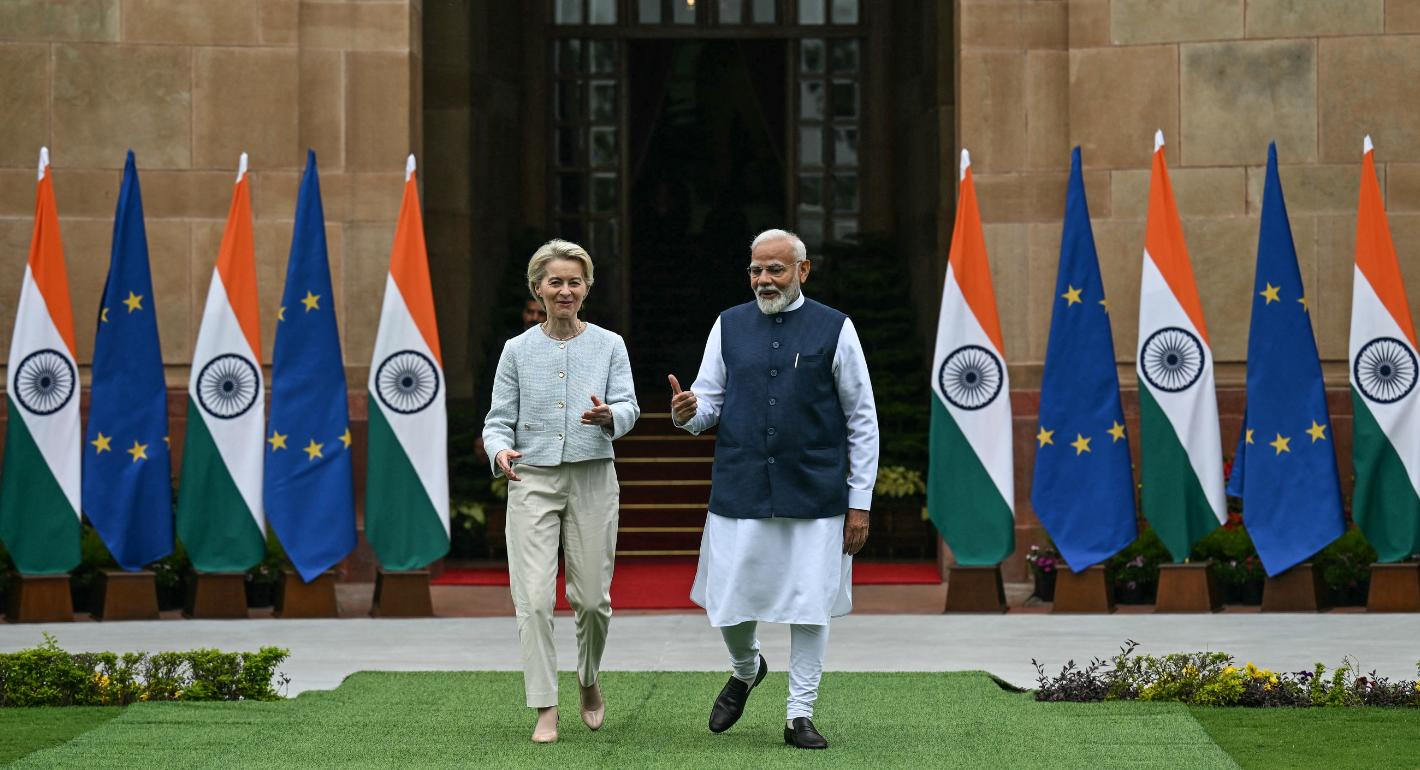
    As European leadership prepares for the sixteenth EU-India Summit, both sides must reckon with trade-offs in order to secure a mutually beneficial Free Trade Agreement.

      Dinakar Peri

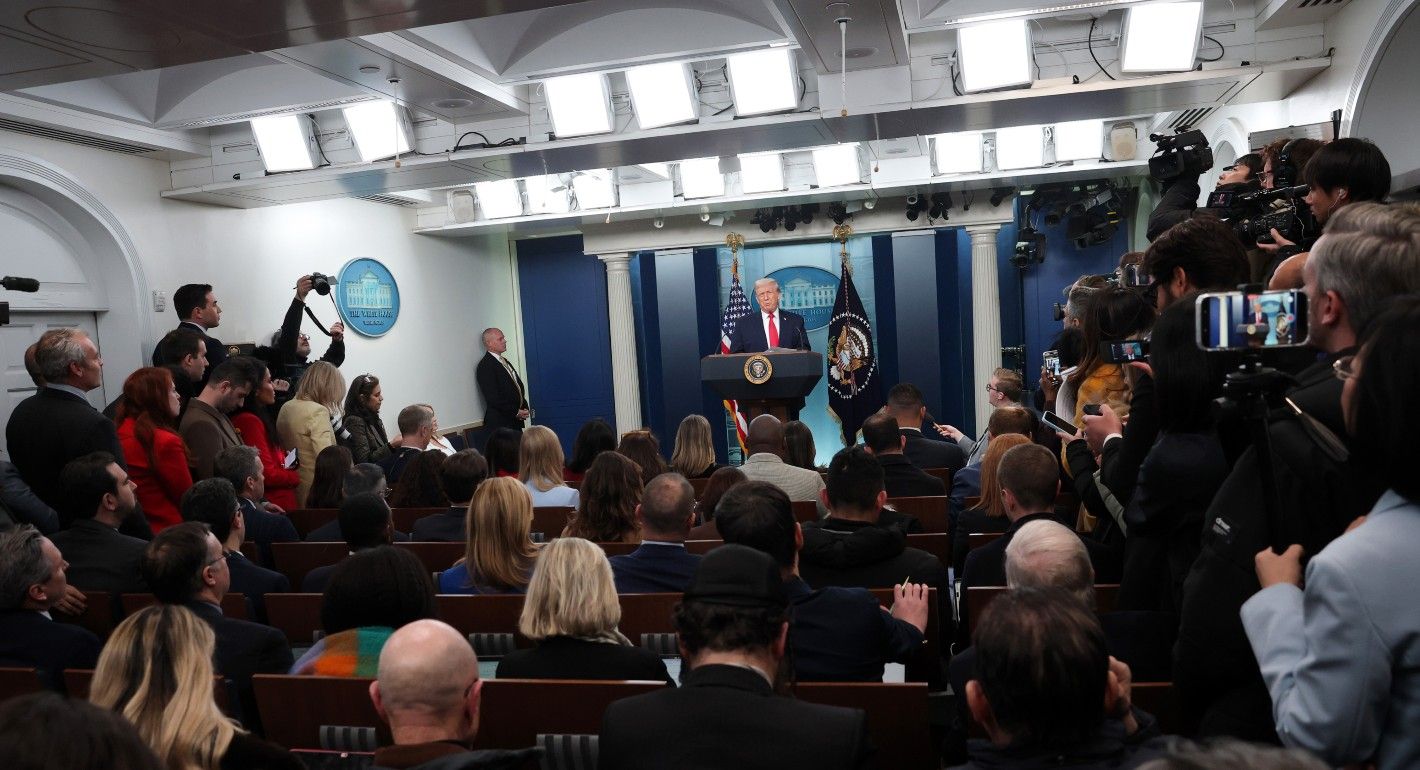
  • Trump speaking to a room of reporters
    Commentary
    Emissary
    Unpacking Trump’s National Security Strategy

    Carnegie scholars examine the crucial elements of a document that’s radically different than its predecessors.

      • Cecily Brewer
      • +18

      James M. Acton, Saskia Brechenmacher, Cecily Brewer, …

  • Commentary
    Strategic Europe
    Europe Faces the Gone-Rogue Doctrine

    The hyper-personalized new version of global sphere-of-influence politics that Donald Trump wants will fail, as it did for Russia. In the meantime, Europe must still deal with a disruptive former ally determined to break the rules.

      Thomas de Waal

  • Commentary
    Strategic Europe
    Taking the Pulse: What Issue Is Europe Ignoring at Its Peril in 2026?

    2026 has started in crisis, as the actions of unpredictable leaders shape an increasingly volatile global environment. To shift from crisis response to strategic foresight, what under-the-radar issues should the EU prepare for in the coming year?

      Thomas de Waal

Get more news and analysis from
Carnegie Europe
Carnegie Europe logo, white
Rue du Congrès, 151000 Brussels, Belgium
  • Research
  • Strategic Europe
  • About
  • Experts
  • Projects
  • Events
  • Contact
  • Careers
  • Privacy
  • For Media
  • Gender Equality Plan
Get more news and analysis from
Carnegie Europe
© 2026 Carnegie Endowment for International Peace. All rights reserved.