

Commentary
As European leadership prepares for the sixteenth EU-India Summit, both sides must reckon with trade-offs in order to secure a mutually beneficial Free Trade Agreement.
Dinakar Peri
{
  "authors": [
    "Uri Dadush"
  ],
  "type": "other",
  "centerAffiliationAll": "",
  "centers": [
    "Carnegie Endowment for International Peace"
  ],
  "collections": [],
  "englishNewsletterAll": "",
  "nonEnglishNewsletterAll": "",
  "primaryCenter": "Carnegie Endowment for International Peace",
  "programAffiliation": "",
  "programs": [],
  "projects": [],
  "regions": [
    "North America",
    "United States",
    "Middle East",
    "North Africa",
    "Western Europe"
  ],
  "topics": [
    "Economy"
  ]
}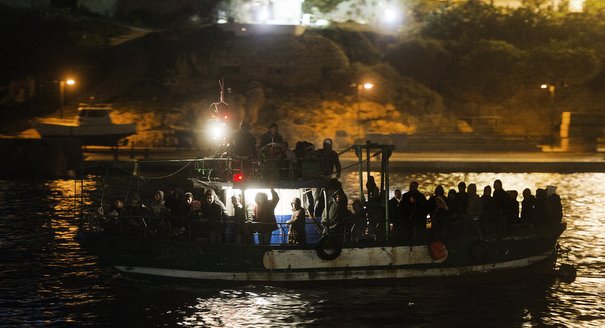
Migration of low-skilled workers into advanced countries remains a highly contentious issue, despite high demand for such workers to carry out a range of essential tasks, especially services.
Source: Knomad Working Paper
Migration of low-skilled workers into advanced countries remains a highly contentious issue, despite high demand for such workers to carry out a range of essential tasks, especially services. This systematic survey of the empirical literature on the effect of low-skilled migration on host countries suggests that fears of an adverse impact on the wages, unemployment and living standards of native low-skilled workers are largely misplaced, while the positive effects on the broad economy are significant and typically underestimated. The empirical literature is underpinned by a robust theoretical framework which suggests that migration will spur investment, induce task specialization of natives and, under certain plausible conditions, ultimately raise the demand for all workers. Host countries should recognize that they need low-skilled migrants and adjust their policies accordingly. Because migrants respond to demand, opening up new avenues for legal migration of low-skilled workers need not necessarily result in increased total immigration provided they are combined with enforcement of labor regulations among employers.This paper was originally published by the World Bank-led Knomad partnership on migration.
Carnegie does not take institutional positions on public policy issues; the views represented herein are those of the author(s) and do not necessarily reflect the views of Carnegie, its staff, or its trustees.
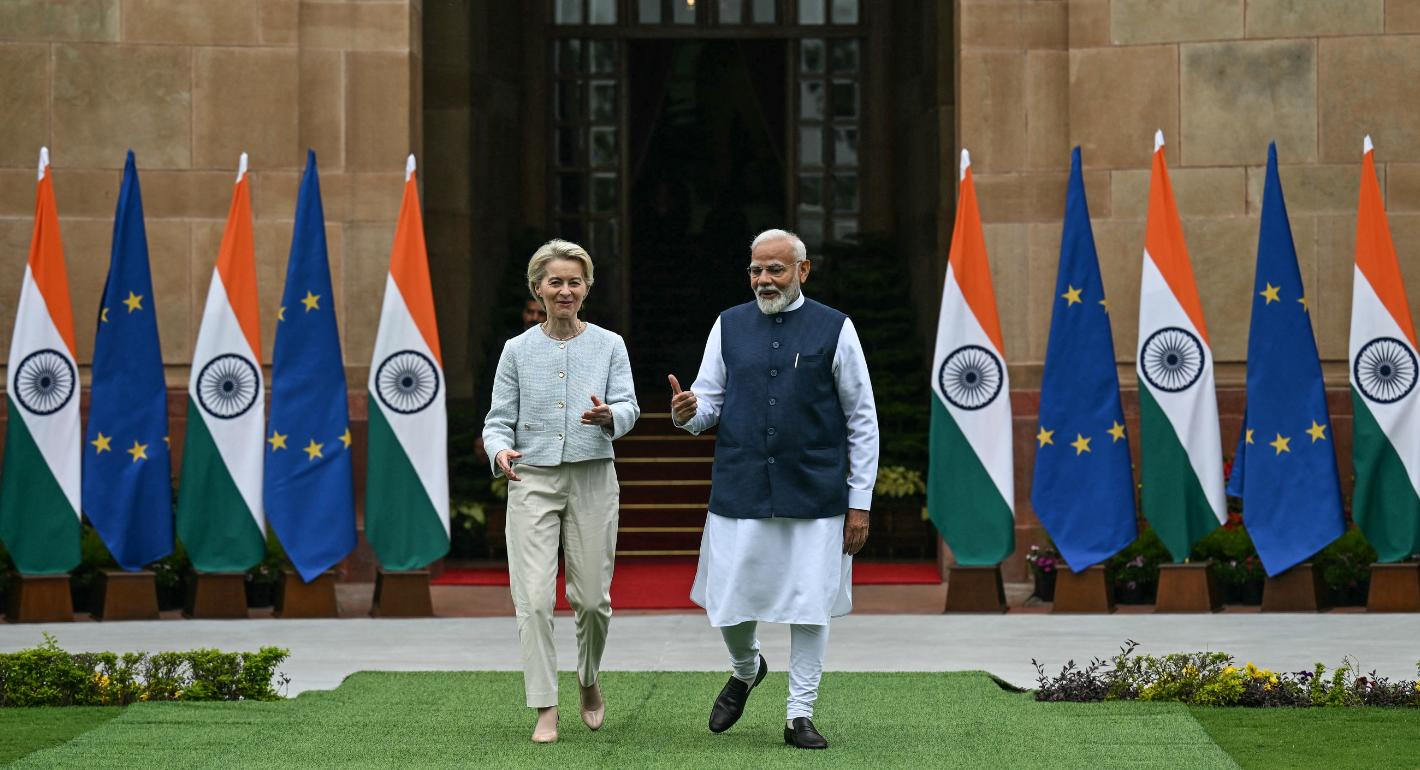
As European leadership prepares for the sixteenth EU-India Summit, both sides must reckon with trade-offs in order to secure a mutually beneficial Free Trade Agreement.

Dinakar Peri
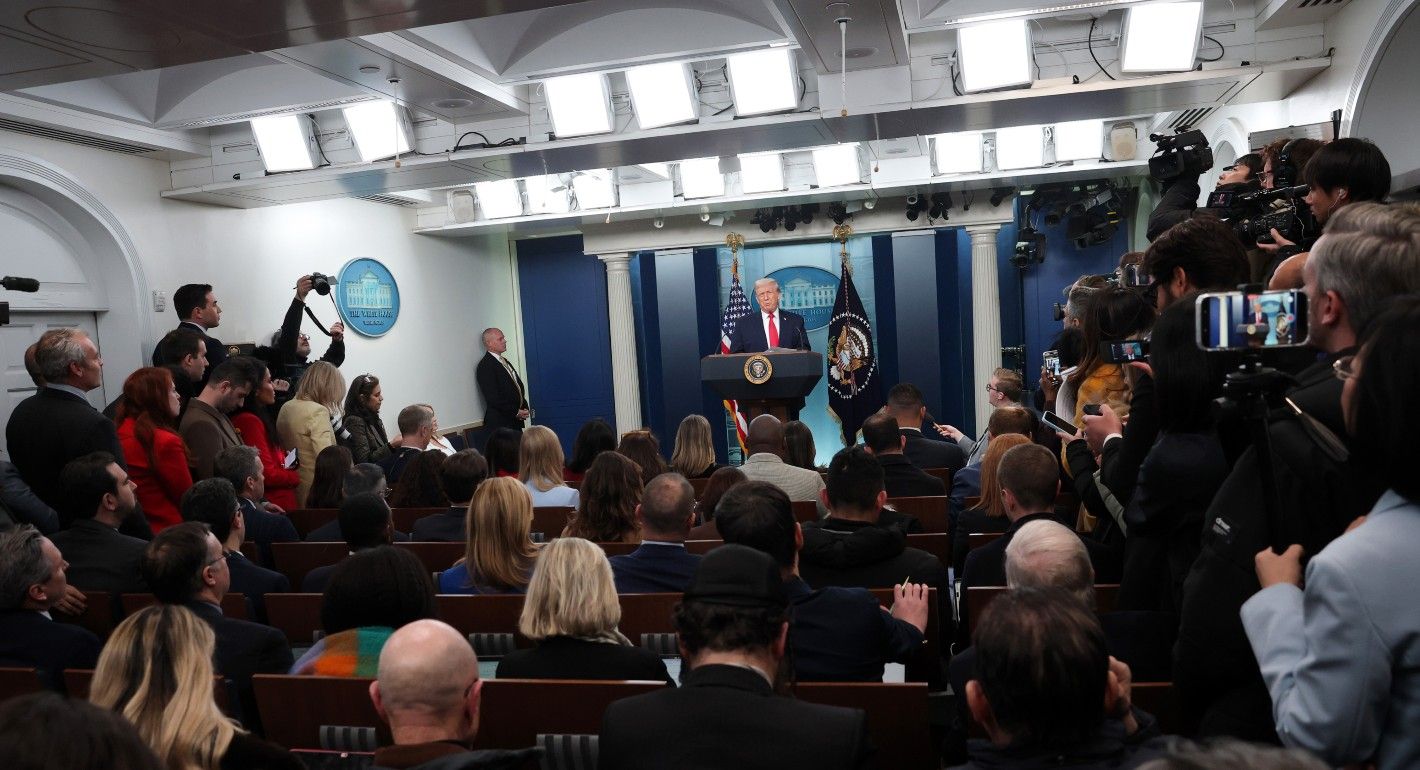
Carnegie scholars examine the crucial elements of a document that’s radically different than its predecessors.



James M. Acton, Saskia Brechenmacher, Cecily Brewer, …
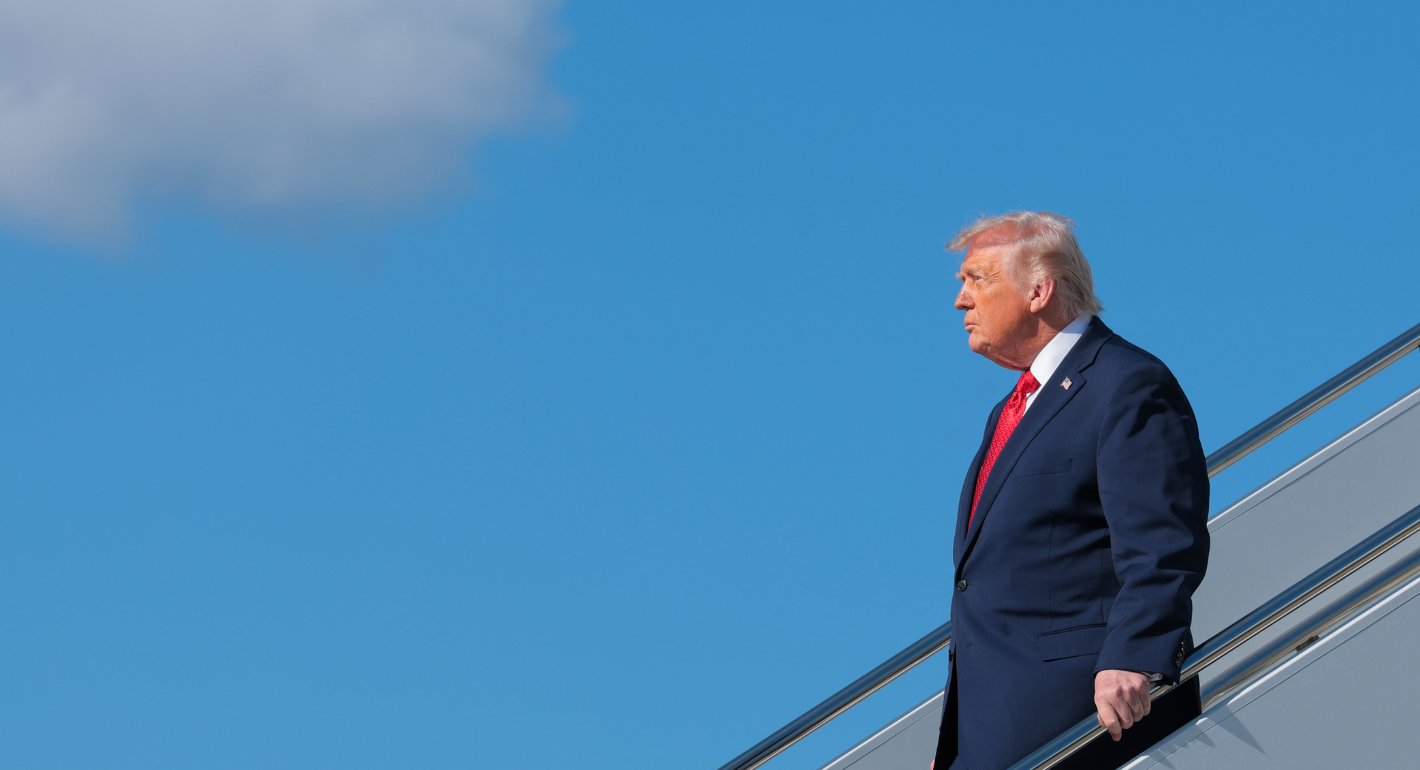
The hyper-personalized new version of global sphere-of-influence politics that Donald Trump wants will fail, as it did for Russia. In the meantime, Europe must still deal with a disruptive former ally determined to break the rules.

Thomas de Waal
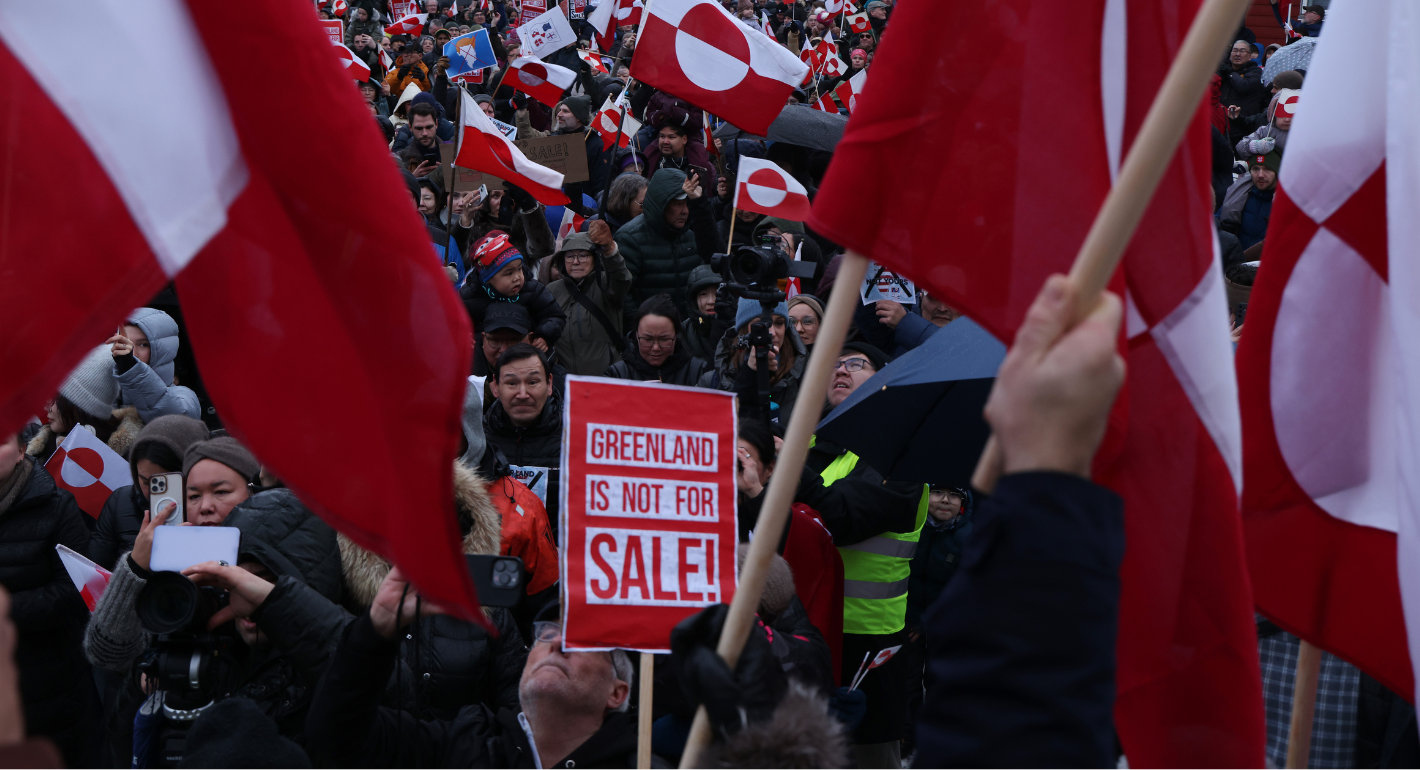
Between Greenland and U.S. interference in Europe’s democracies, transatlantic relations risk rising to an unprecedented level of crisis. Amid continued arguments on how Brussels should react, tough times lie ahead for European leaders.

Marc Pierini
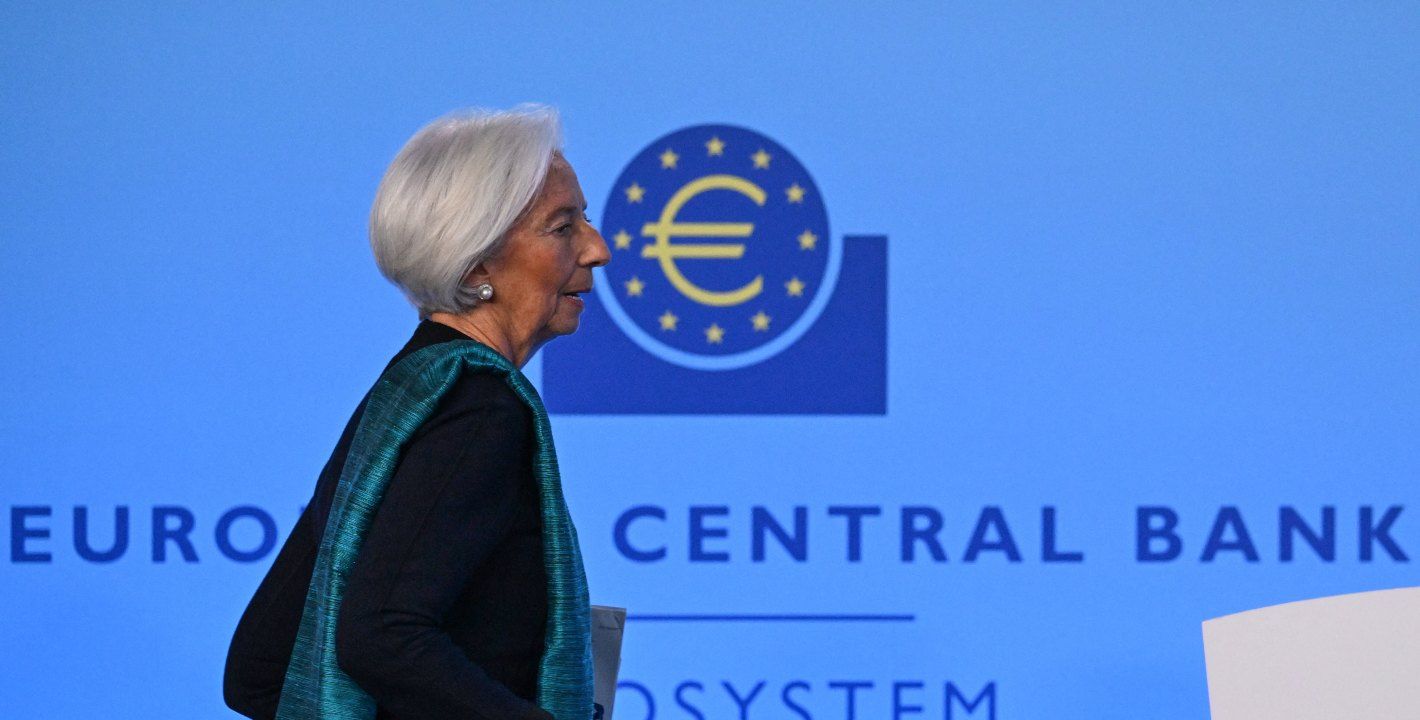
2026 has started in crisis, as the actions of unpredictable leaders shape an increasingly volatile global environment. To shift from crisis response to strategic foresight, what under-the-radar issues should the EU prepare for in the coming year?
Thomas de Waal