

Commentary
As European leadership prepares for the sixteenth EU-India Summit, both sides must reckon with trade-offs in order to secure a mutually beneficial Free Trade Agreement.
Dinakar Peri
{
  "authors": [
    "Kalypso Nicolaïdis",
    "Richard Youngs"
  ],
  "type": "legacyinthemedia",
  "centerAffiliationAll": "",
  "centers": [
    "Carnegie Endowment for International Peace",
    "Carnegie Europe"
  ],
  "collections": [
    "EU Integration and Enlargement",
    "Democracy and Governance"
  ],
  "englishNewsletterAll": "",
  "nonEnglishNewsletterAll": "",
  "primaryCenter": "Carnegie Europe",
  "programAffiliation": "",
  "programs": [
    "Democracy, Conflict, and Governance",
    "Europe"
  ],
  "projects": [],
  "regions": [
    "Europe",
    "Western Europe",
    "Iran"
  ],
  "topics": [
    "EU",
    "Democracy"
  ]
}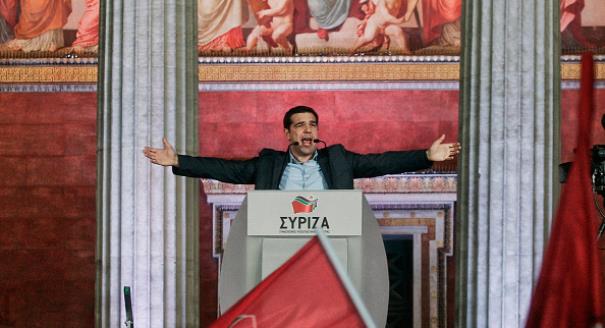
After Syriza’s electoral success in Greece, the EU needs to go back to basics and fashion a better strategy to deal with rising antisystem parties.
Source: El País
After Syriza’s electoral success in Greece, the EU needs to go back to basics and fashion a better strategy to deal with rising antisystem parties.
In Syriza’s first weeks in office, the main focus has been on the renegotiation of Greece’s debt repayments and structural reforms. However, the political challenges the EU now faces go well beyond the success or failure of talks on the Greek bailout.
Syriza’s victory in Greece confirms that the rise of antisystem parties is set to dominate European politics. The root causes of the euro crisis have not been solved, and antisystem parties—whether far left, populist, or Euroskeptic—are on the rise in countries as diverse as Sweden, Spain, and the UK.There is an indisputable danger ahead. Now that a deal is likely to be reached on new bailout terms for Greece, the EU political elite will breathe a sigh of relief—and not feel the need to reexamine the broader foundations of European integration.
While a more generous deal on Greek debt would be enormously welcome, it can only be a palliative. A more fundamental and substantive debate is needed on what citizens really want from the European project.
If mainstream parties begin banding together to defend the status quo, this will reinforce the very elitism that caused the current crisis. It is an instinct that sidelines the legitimate frustration that citizens feel with the political elite’s self-serving fecklessness, corruption, and inability to deal with Europe’s ongoing recession and institutional torpor.
One of the most important lessons to draw from Syriza’s victory is that the EU needs a far more participative process of decisionmaking. The EU’s democratic legitimacy is now extremely fragile. Governments cannot forever ask voters to accept sacrifices in the name of a European idealism that they alone have defined. And they cannot deflect complaints about the EU’s democratic deficit by claiming that the union delivers on sustainable growth and distributive fairness. It doesn’t.
It often seems as if Europe today faces an either-or dilemma: either we have deeper European cooperation or we have better local-level democracy. While mainstream elites see European cooperation as necessary to achieve economic recovery, antisystem parties now seem to have the better narrative on regaining democratic control over EU decisionmaking.
European politicians need to show that deeper EU cooperation and deeper democracy can go together. And for this they will need more than tactical mainstream alliances designed to preserve existing ways of doing EU politics.
Support for EU policies and cooperation must be built patiently from the bottom up. The lesson that other European countries should draw from the Greek elections is that this cannot be done by excluding populist parties.
This is not to suggest that parties labeled as antisystem or populist have well-worked solutions. Their programs contain glaring inconsistencies. But some of them do have valid proposals for empowering national parliaments, for increasing the use of direct democracy, and for limiting what Brussels policymakers can dictate to member states.
The rise of antisystem parties in Europe is more than an ephemeral blip to be turned back with new bailouts or a few policy tweaks. It rests on deep class-based and sociological changes that have left many sectors of the population feeling unrepresented in the current political spectrum.
Europe now needs to take some judicious steps back and do what should have been done before the cogs of the EU’s intricate project of integration were set in motion. Political leaders must create space for an inclusive, open-ended, and fundamental debate about the core principles of European cooperation.
Populism is a notoriously imprecise concept. It is not entirely pathological: policies that reflect popular preferences are, after all, the essence of responsive democracy. Populism is dangerous when it slips into authoritarianism and illiberalism. The priority must be to revitalize European democracy and not a priori to contain outsider parties or to talk of defeating populism.
Syriza’s victory and the broader discontent with mainstream parties show that if Europe is to remain true to the values of pluralism and liberal tolerance, it needs a political process that is broad, open, and all-inclusive. The EU needs to lay firmer foundations for its future integration. These foundations must lie in a spirit of voluntary, not enforced, solidarity—expressing an enlightened long-term self-interest on the part of all in Europe.
Carnegie does not take institutional positions on public policy issues; the views represented herein are those of the author(s) and do not necessarily reflect the views of Carnegie, its staff, or its trustees.
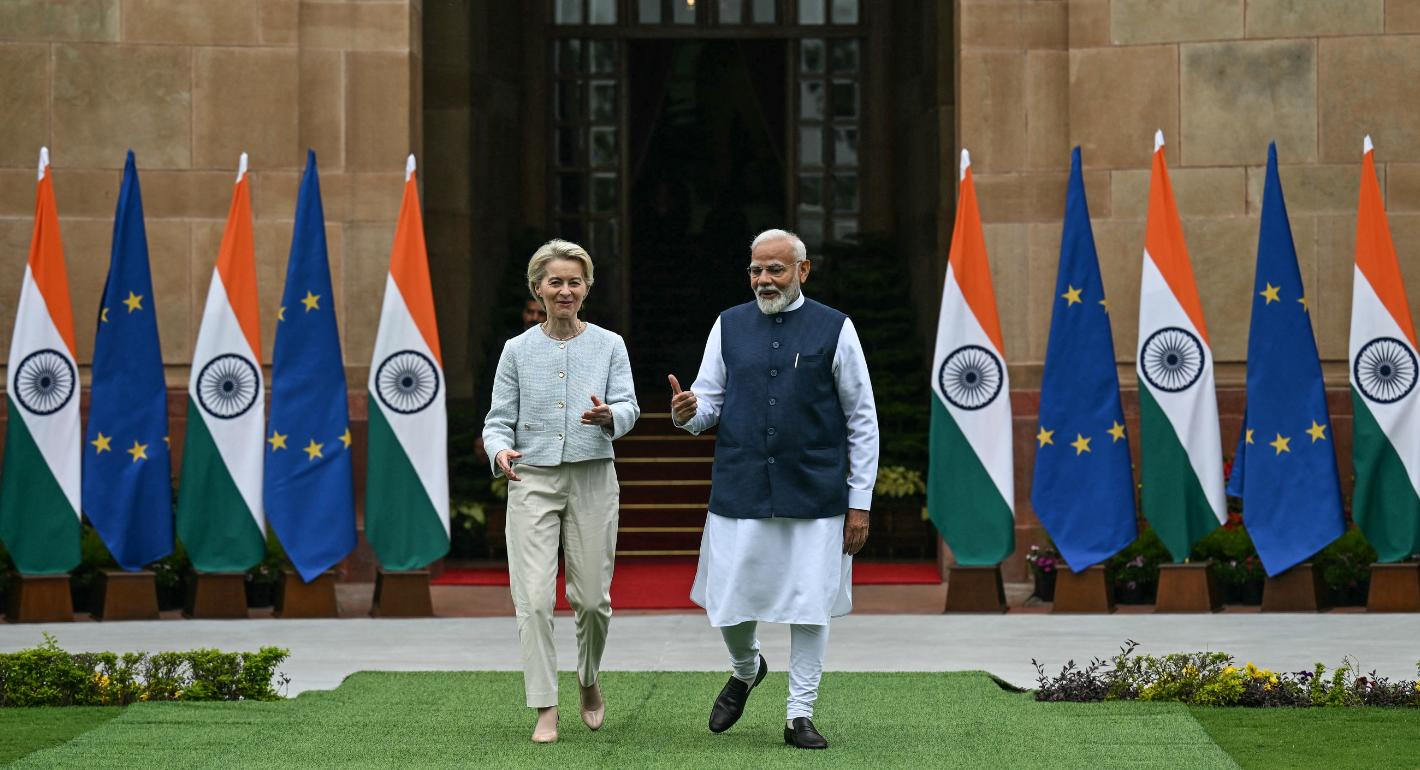
As European leadership prepares for the sixteenth EU-India Summit, both sides must reckon with trade-offs in order to secure a mutually beneficial Free Trade Agreement.

Dinakar Peri

The hyper-personalized new version of global sphere-of-influence politics that Donald Trump wants will fail, as it did for Russia. In the meantime, Europe must still deal with a disruptive former ally determined to break the rules.

Thomas de Waal
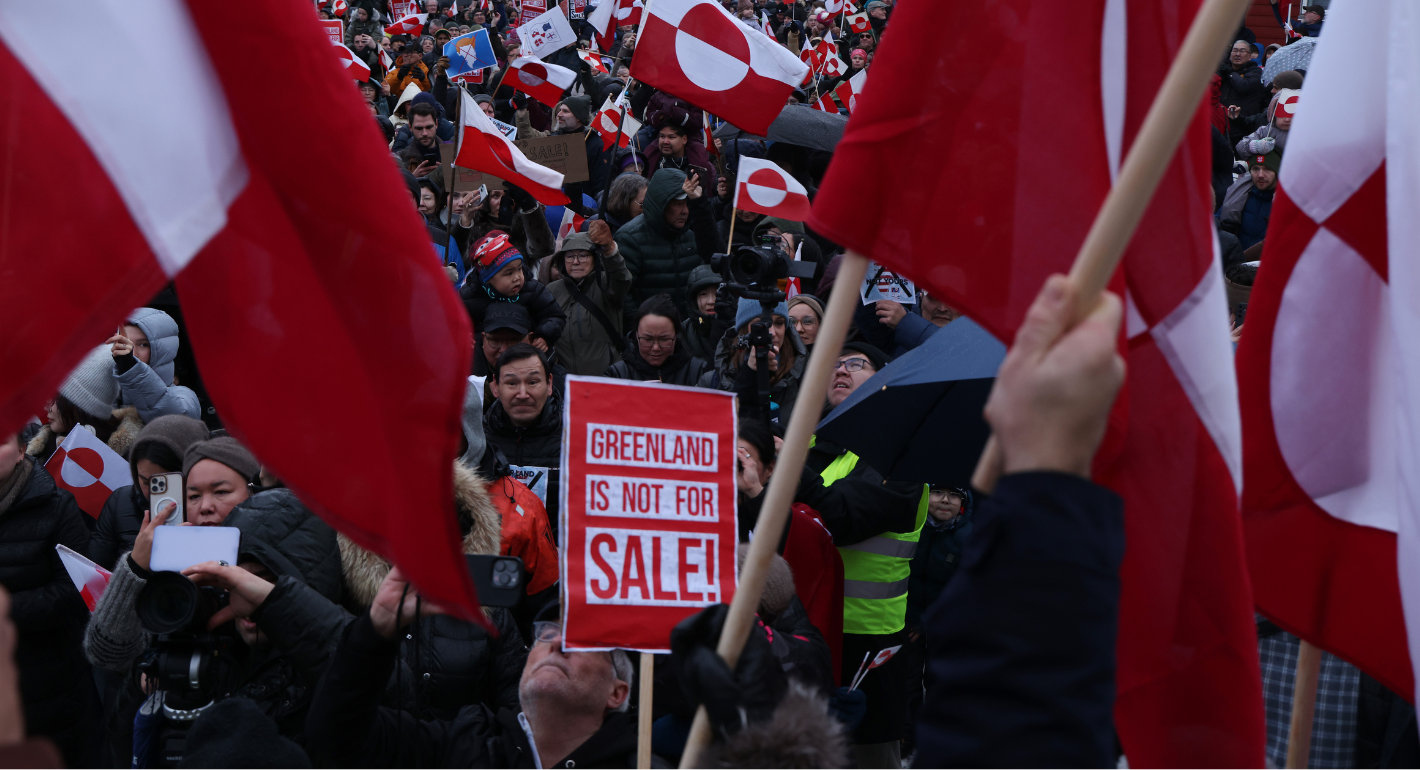
Between Greenland and U.S. interference in Europe’s democracies, transatlantic relations risk rising to an unprecedented level of crisis. Amid continued arguments on how Brussels should react, tough times lie ahead for European leaders.

Marc Pierini
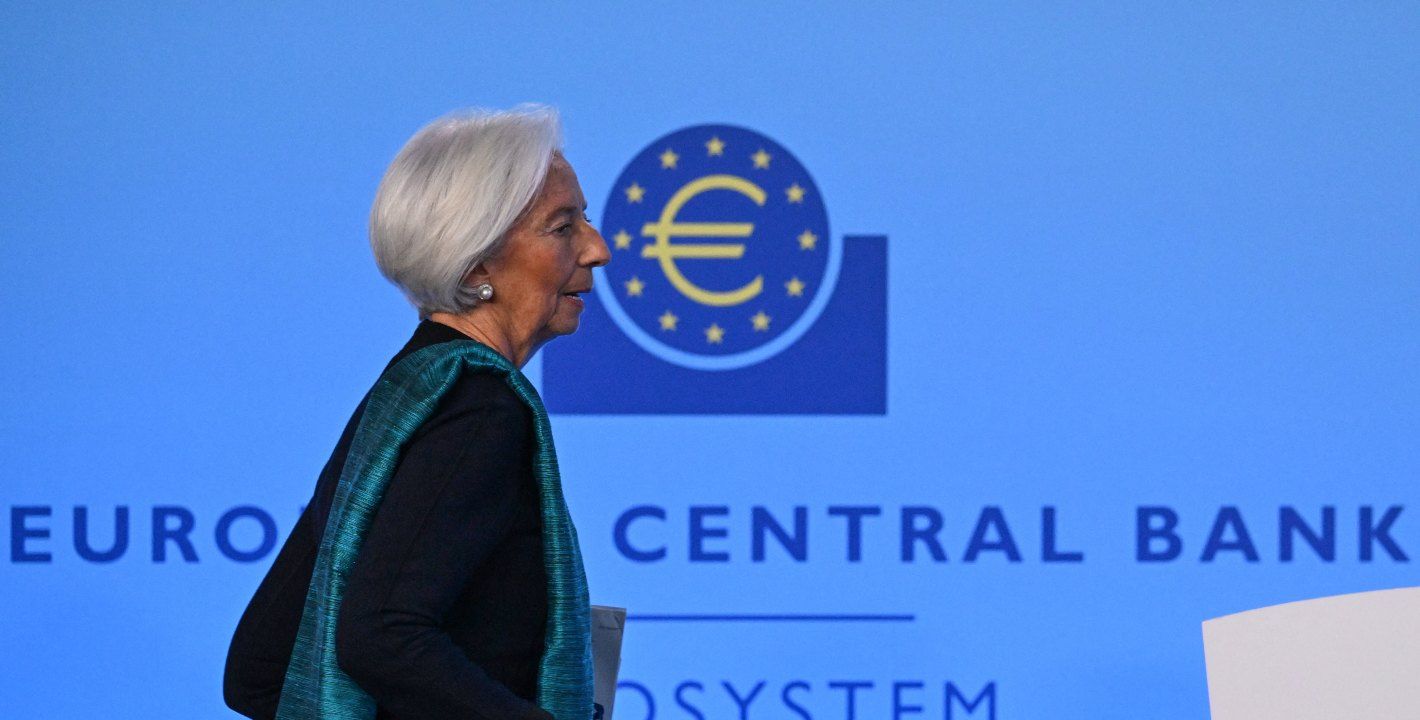
2026 has started in crisis, as the actions of unpredictable leaders shape an increasingly volatile global environment. To shift from crisis response to strategic foresight, what under-the-radar issues should the EU prepare for in the coming year?
Thomas de Waal
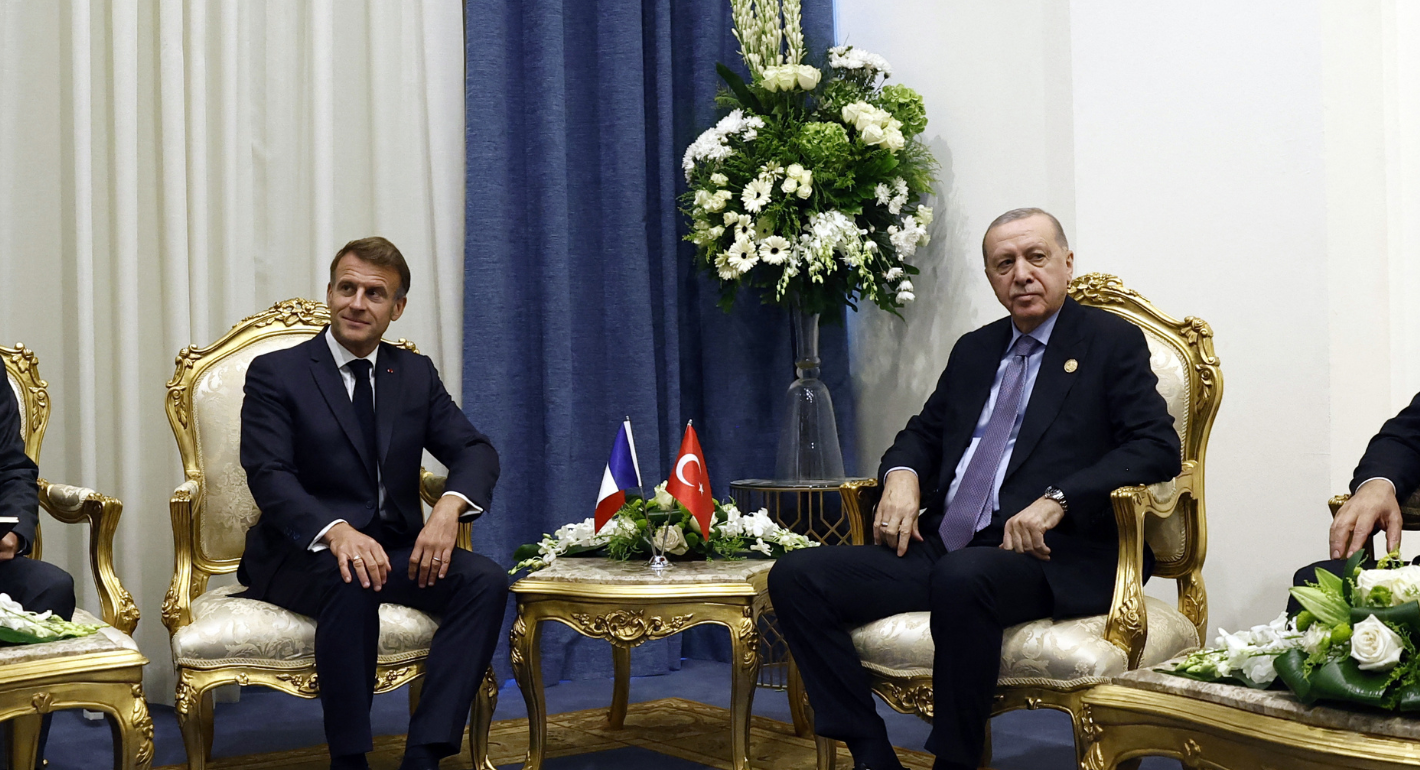
A renewal of relations between France and Turkey is vital to strengthen European strategic autonomy. To make this détente a reality, Paris and Ankara should move beyond personal friction and jointly engage with questions of Black Sea security.

Romain Le Quiniou