

Commentary
As European leadership prepares for the sixteenth EU-India Summit, both sides must reckon with trade-offs in order to secure a mutually beneficial Free Trade Agreement.
Dinakar Peri
{
  "authors": [
    "Matt Ferchen"
  ],
  "type": "legacyinthemedia",
  "centerAffiliationAll": "",
  "centers": [
    "Carnegie Endowment for International Peace",
    "Carnegie China"
  ],
  "collections": [
    "U.S.-China Relations",
    "China’s Foreign Relations"
  ],
  "englishNewsletterAll": "",
  "nonEnglishNewsletterAll": "",
  "primaryCenter": "Carnegie China",
  "programAffiliation": "",
  "programs": [],
  "projects": [],
  "regions": [
    "North America",
    "United States",
    "East Asia",
    "China"
  ],
  "topics": [
    "Economy",
    "Climate Change"
  ]
}
China will be incentivized to adopt a growing leadership role in international trade and climate change negotiations in 2017 if the United States pursues more inward-looking policies under Trump.
Source: China Dialogue
China Dialogue: What are the key environmental issues and challenges to look out for in the next year? The past year has witnessed unexpected and destabilizing political events that could have serious implications for international relations and climate action in 2017. We asked four experts what they think the key issues are to look out for in the year ahead.
Matt Ferchen: Amidst a year of international political upheaval in 2016, China may appear a relative bastion of calm. In fact, given the decided turn away from international openness and cooperation by the United Kingdom and the United States, China has sought to position itself as a leader on such issues as trade and climate cooperation. Yet 2017 is likely to bring major challenges for China that will make any efforts to take a leadership position, including among developing countries, an uphill struggle.
On trade, China will certainly continue to try to fill the vacuum created by an increasingly inward looking United States under a President Trump, yet China’s own trade surplus and its continuing problems with industrial overcapacity leave China exposed to increasing trade frictions. In its trade relations with developing countries in places like Latin America, Africa, and Southeast Asia, China will find it difficult to change the commodities-for-manufactures structure that increasingly worries its trade and diplomatic partners in the global south.
Similarly, on climate change China will certainly seek to promote its own brand of leadership especially if President Trump backs out of American global commitments and bilateral initiatives with China. Yet domestically China’s own environmental challenges only continue to grow and its extractive industry and infrastructure-led ties to developing countries as geographically diverse as Peru and Myanmar will continue to pose challenges for host governments and civil societies in those countries.
2017 is thus likely to expose a gap between rhetoric and reality in China’s ongoing evolution as a global power.
This piece was republished with permission from China Dialogue.
Carnegie does not take institutional positions on public policy issues; the views represented herein are those of the author(s) and do not necessarily reflect the views of Carnegie, its staff, or its trustees.
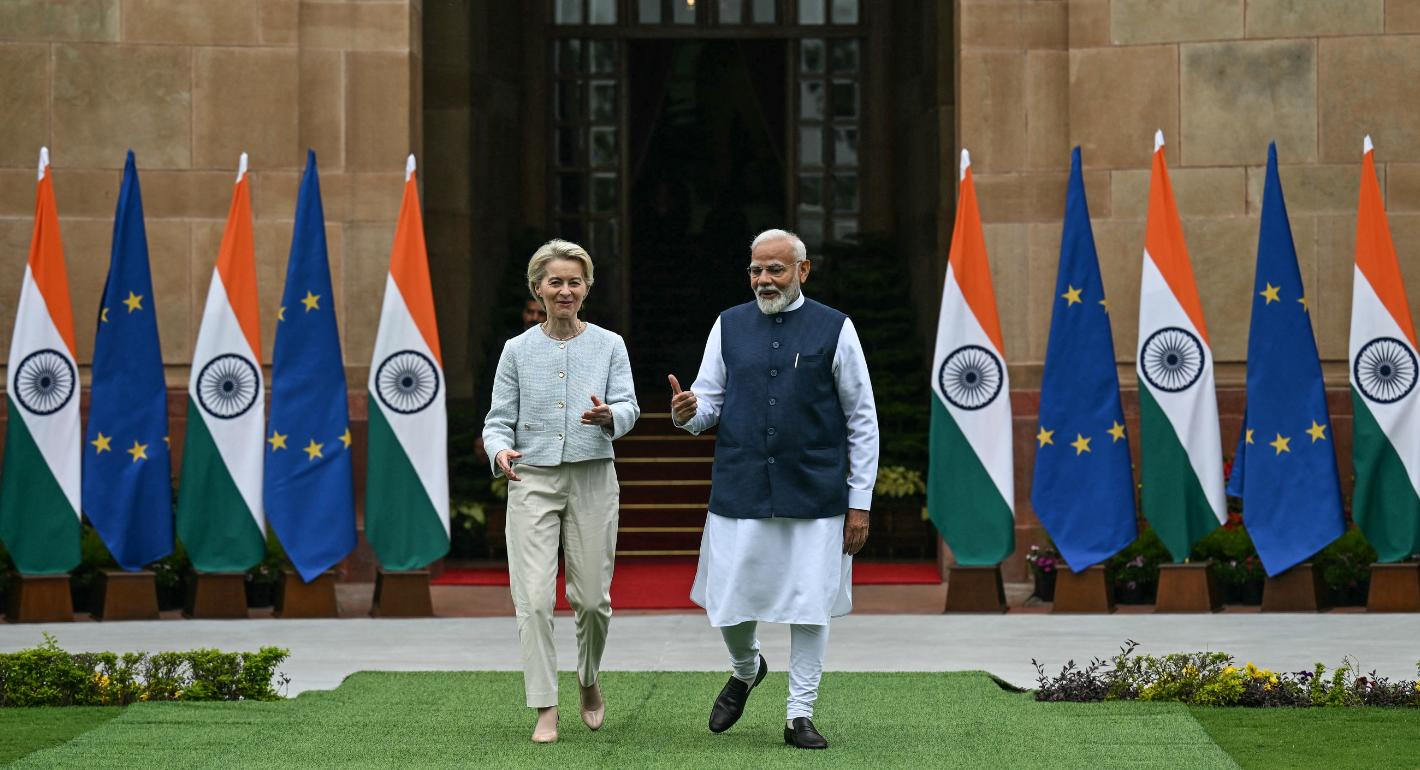
As European leadership prepares for the sixteenth EU-India Summit, both sides must reckon with trade-offs in order to secure a mutually beneficial Free Trade Agreement.

Dinakar Peri
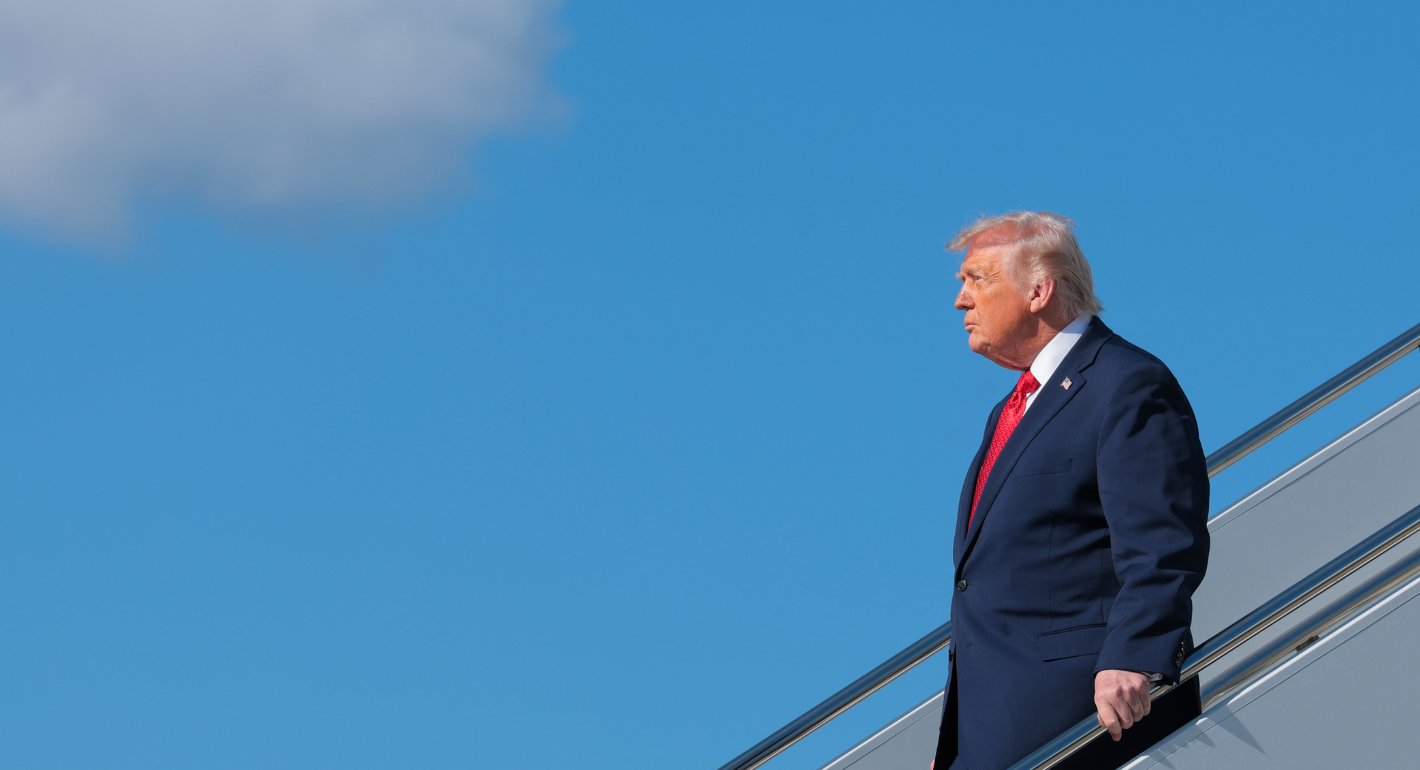
The hyper-personalized new version of global sphere-of-influence politics that Donald Trump wants will fail, as it did for Russia. In the meantime, Europe must still deal with a disruptive former ally determined to break the rules.

Thomas de Waal
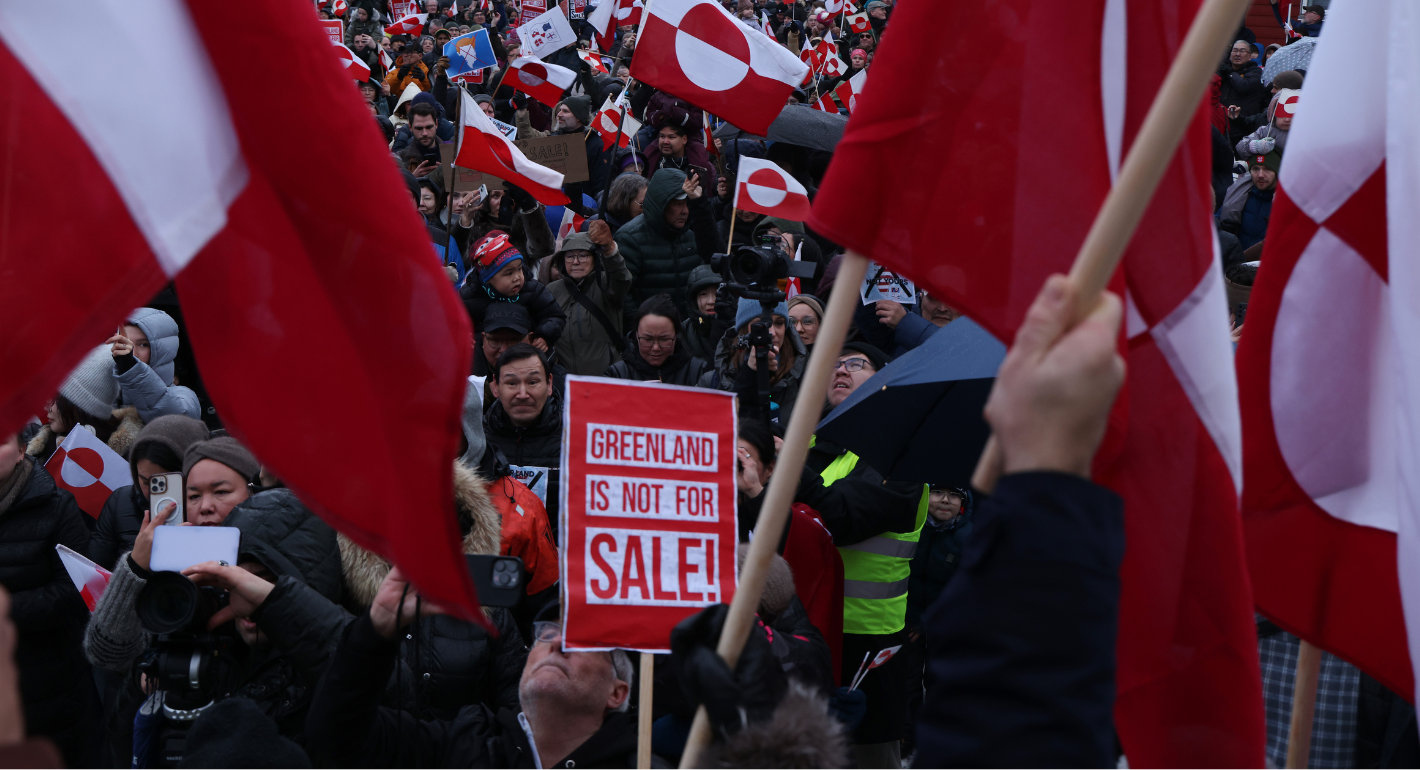
Between Greenland and U.S. interference in Europe’s democracies, transatlantic relations risk rising to an unprecedented level of crisis. Amid continued arguments on how Brussels should react, tough times lie ahead for European leaders.
Marc Pierini
2026 has started in crisis, as the actions of unpredictable leaders shape an increasingly volatile global environment. To shift from crisis response to strategic foresight, what under-the-radar issues should the EU prepare for in the coming year?
Thomas de Waal
Europe is designing a new model of collective security that no longer relies on the United States. For this effort to succeed, solidarity between member states that have different threat perceptions is vital.

Erik Jones