

Commentary
As European leadership prepares for the sixteenth EU-India Summit, both sides must reckon with trade-offs in order to secure a mutually beneficial Free Trade Agreement.
Dinakar Peri
{
  "authors": [
    "Dmitri Trenin"
  ],
  "type": "legacyinthemedia",
  "centerAffiliationAll": "",
  "centers": [
    "Carnegie Endowment for International Peace",
    "Malcolm H. Kerr Carnegie Middle East Center",
    "Carnegie Russia Eurasia Center"
  ],
  "collections": [],
  "englishNewsletterAll": "",
  "nonEnglishNewsletterAll": "",
  "primaryCenter": "Carnegie Russia Eurasia Center",
  "programAffiliation": "",
  "programs": [],
  "projects": [],
  "regions": [
    "North America",
    "United States",
    "Middle East",
    "Syria",
    "Russia"
  ],
  "topics": [
    "Foreign Policy",
    "Economy"
  ]
}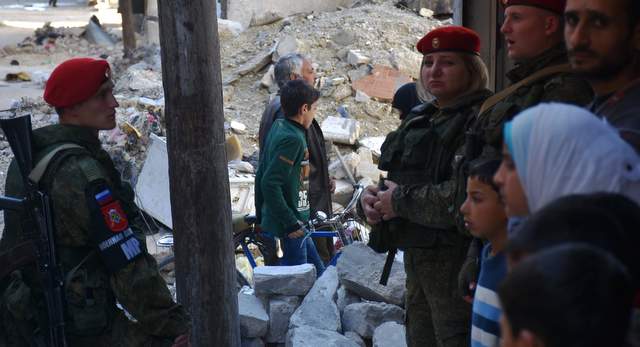
The risk of a confrontation has increased since Friday, but, paradoxically, greater American involvement in Syria may also bring about closer US-Russian co-operation there, leading eventually to a political settlement and an end to the bloody six-year civil war.
Source: Financial Times
Last Friday’s US air strikes against Syria have dispelled any remaining illusions in Moscow about Donald Trump’s foreign policy.
The Russian reaction to the use of force by the US president was strong but measured. Moscow condemned it as an “act of aggression”, but gave no order to Russian air defence units in Syria to intercept American missiles. Nor did the Kremlin cancel the forthcoming visit by secretary of state Rex Tillerson.
Russian interpretations of Mr Trump’s volte face on Syria mostly focus on the domestic travails of the American president, who faces steadily ratcheting pressure over his associates’ dealings with Moscow. This is seen, in turn, as evidence of the influence of America’s “deep state”, which is inherently hostile to Russia. By reasserting US power on the global stage, the argument goes, Mr Trump has won a reprieve from his political opponents — but at the price of submitting to their foreign policy agenda.
Ironically, by ordering direct action in Syria, Mr Trump has effectively done to Vladimir Putin, the Russian president, what Mr Putin himself did to Barack Obama in September 2015 when he launched Russia’s military intervention in the Middle East. Now, both countries are actively engaged in Syria, pursuing only partially overlapping objectives.
The risk of a confrontation has increased since Friday, but, paradoxically, greater American involvement in Syria may also bring about closer US-Russian co-operation there, leading eventually to a political settlement and an end to the bloody six-year civil war.
Mr Trump’s intervention could strengthen Moscow’s hand with respect to the Syrian leader Bashar al-Assad and to Iran and its client Hizbollah, both of whom have used the regime’s takeover of Aleppo to press for a complete victory, undermining Russian negotiation efforts. Russia needs a political solution in Syria — that is its only acceptable exit strategy — but its allies are prepared to fight until the bitter end.
Before Mr Trump put his finger on the scales, it had looked as if Mr Putin was facing a diplomatic stalemate, and that he was becoming a hostage to Mr Assad. This may now change.
It is not at all clear, of course, what Mr Trump will do next. More strikes on Syria may follow; the presence of US ground troops in the country may expand; and regime change in Damascus may displace the destruction of Isis as the US’s primary military and political objective.
There are doubtless people in Washington counselling the president to move in that direction. Should they prevail, Russia will face the choice of humiliating defeat or conflict with America. This would be the most dangerous moment the world has known since the US’s nuclear stand-off with the Soviet Union over Cuba in 1962.
However, if Washington were now to decide to enter the diplomatic game over Syria, chances for a deal would improve significantly. Moscow has always known that without some sort of political settlement in Syria — impossible without US participation — its achievements there would not be secured.
The Obama administration, despite former secretary of state John Kerry’s best efforts, showed no interest in a serious partnership with Moscow. Mr Trump, in sharp contrast, may be indeed interested in a deal. The Russians will be right to explore this when Mr Tillerson goes to Moscow.
Mr Trump prides himself on being a dealmaker. He now has a chance to secure that reputation. And in Mr Tillerson, James Mattis, US defence secretary and HR McMaster, the national security adviser, all of them steeped in the rules of power play, the masters of realpolitik in Moscow might finally have met their match. That they are losing their illusions about Mr Trump and his team is a good thing. But the game is not over. It is just beginning.
Carnegie does not take institutional positions on public policy issues; the views represented herein are those of the author(s) and do not necessarily reflect the views of Carnegie, its staff, or its trustees.
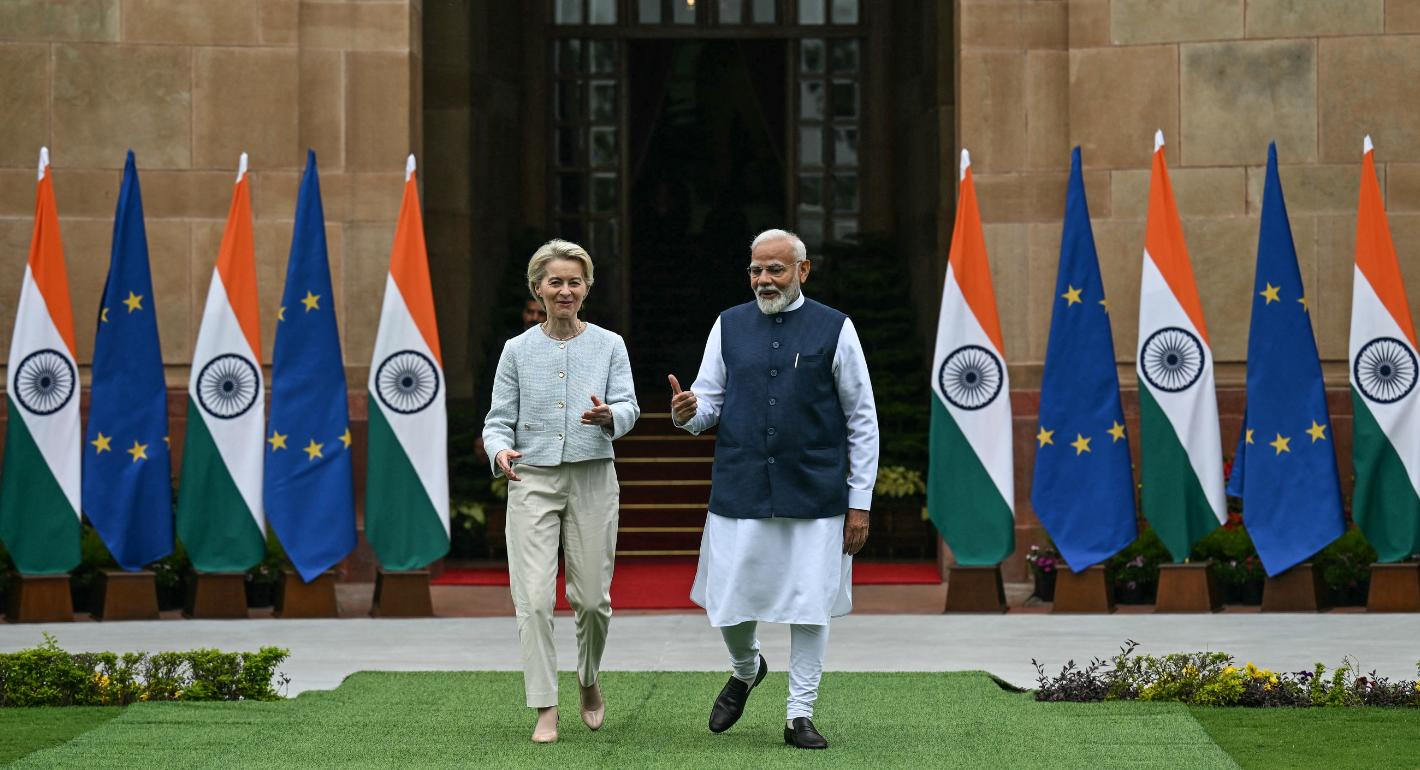
As European leadership prepares for the sixteenth EU-India Summit, both sides must reckon with trade-offs in order to secure a mutually beneficial Free Trade Agreement.

Dinakar Peri
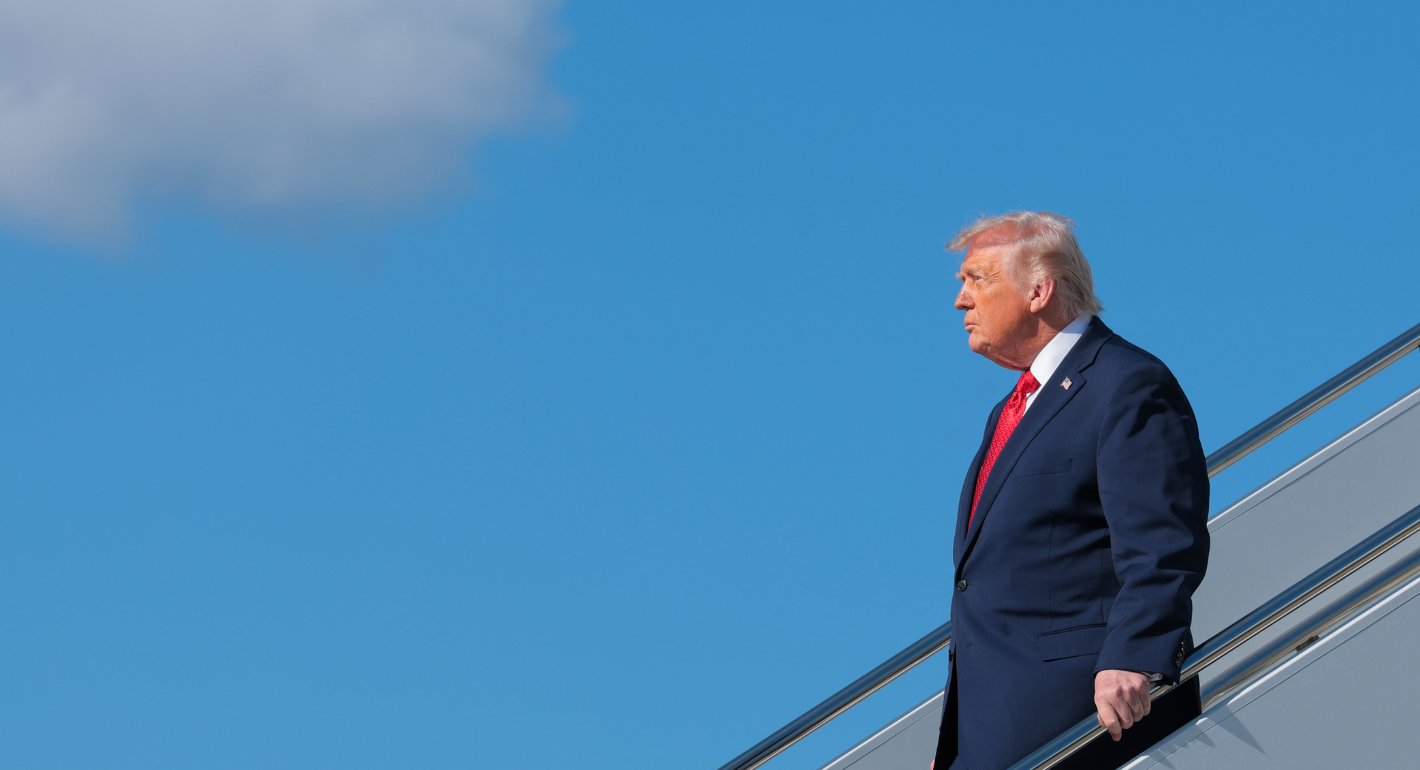
The hyper-personalized new version of global sphere-of-influence politics that Donald Trump wants will fail, as it did for Russia. In the meantime, Europe must still deal with a disruptive former ally determined to break the rules.
Thomas de Waal
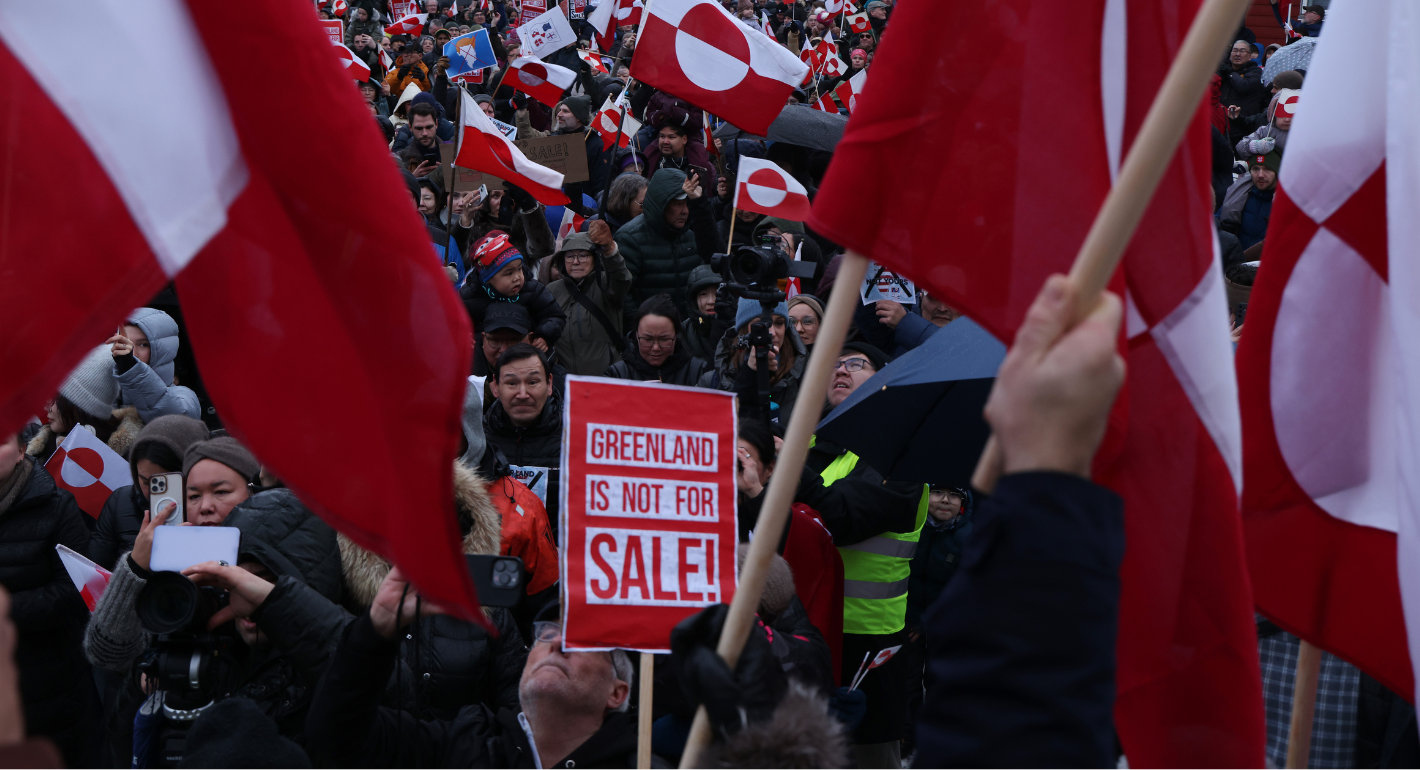
Between Greenland and U.S. interference in Europe’s democracies, transatlantic relations risk rising to an unprecedented level of crisis. Amid continued arguments on how Brussels should react, tough times lie ahead for European leaders.
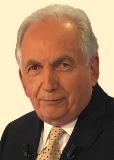
Marc Pierini
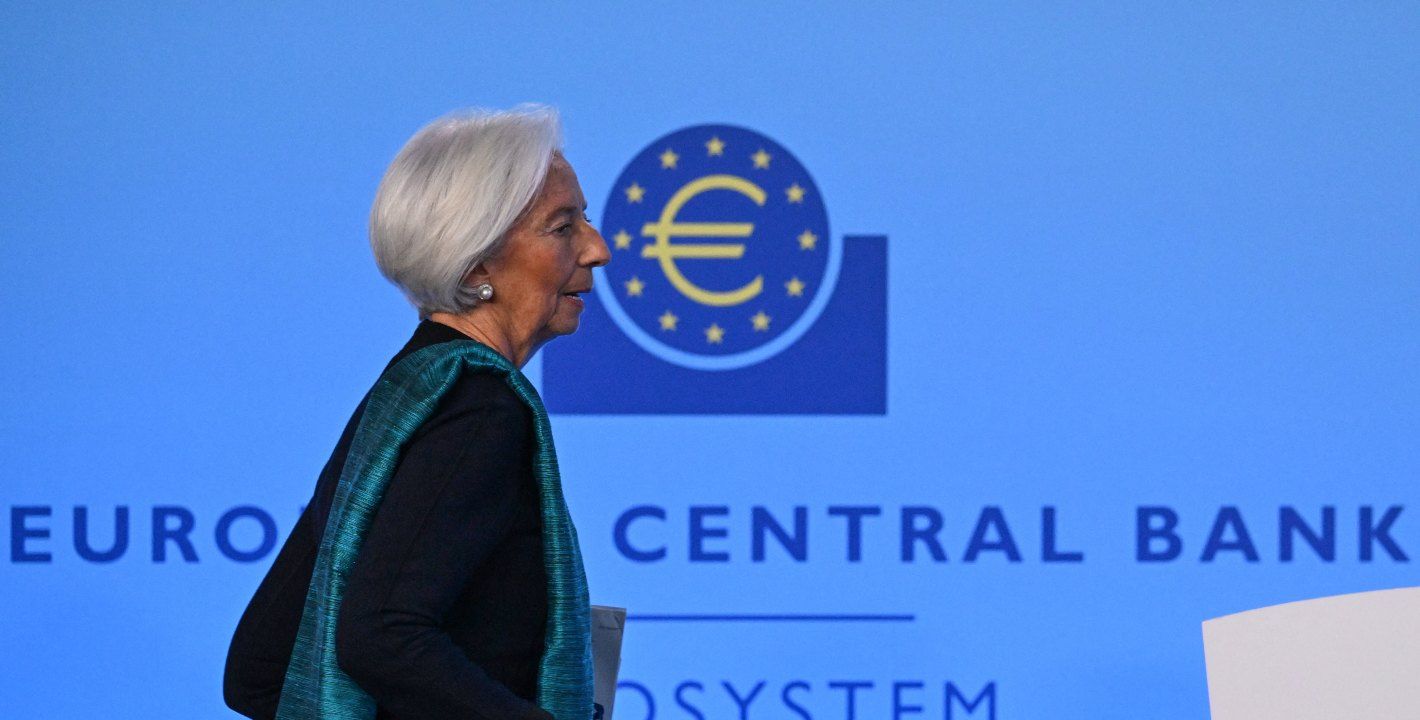
2026 has started in crisis, as the actions of unpredictable leaders shape an increasingly volatile global environment. To shift from crisis response to strategic foresight, what under-the-radar issues should the EU prepare for in the coming year?
Thomas de Waal
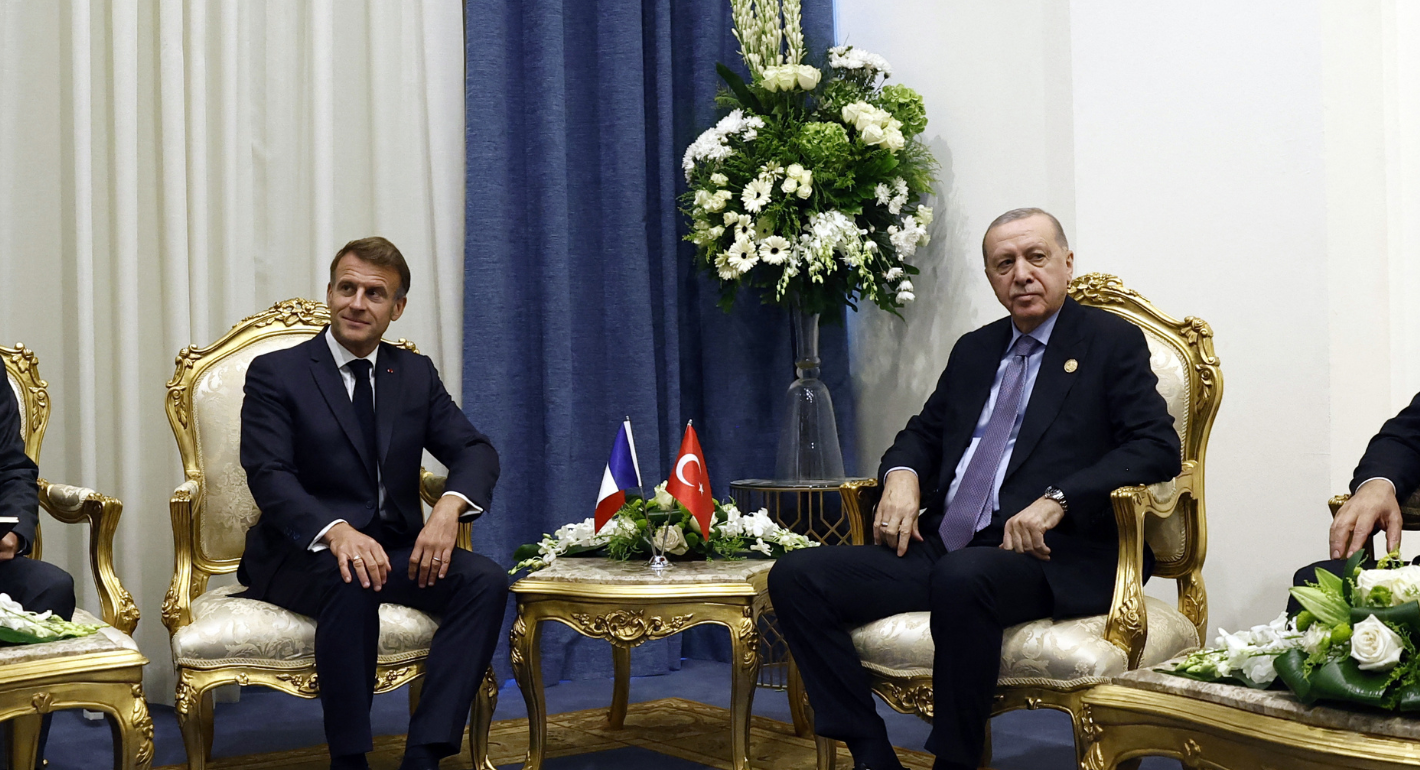
A renewal of relations between France and Turkey is vital to strengthen European strategic autonomy. To make this détente a reality, Paris and Ankara should move beyond personal friction and jointly engage with questions of Black Sea security.
Romain Le Quiniou