

Commentary
As European leadership prepares for the sixteenth EU-India Summit, both sides must reckon with trade-offs in order to secure a mutually beneficial Free Trade Agreement.
Dinakar Peri
{
  "authors": [
    "Suyash Rai",
    "Anirudh Burman"
  ],
  "type": "legacyinthemedia",
  "centerAffiliationAll": "",
  "centers": [
    "Carnegie Endowment for International Peace",
    "Carnegie India"
  ],
  "collections": [],
  "englishNewsletterAll": "",
  "nonEnglishNewsletterAll": "",
  "primaryCenter": "Carnegie India",
  "programAffiliation": "",
  "programs": [],
  "projects": [
    "Political Economy"
  ],
  "regions": [
    "India",
    "South Asia"
  ],
  "topics": [
    "Domestic Politics",
    "Democracy"
  ]
}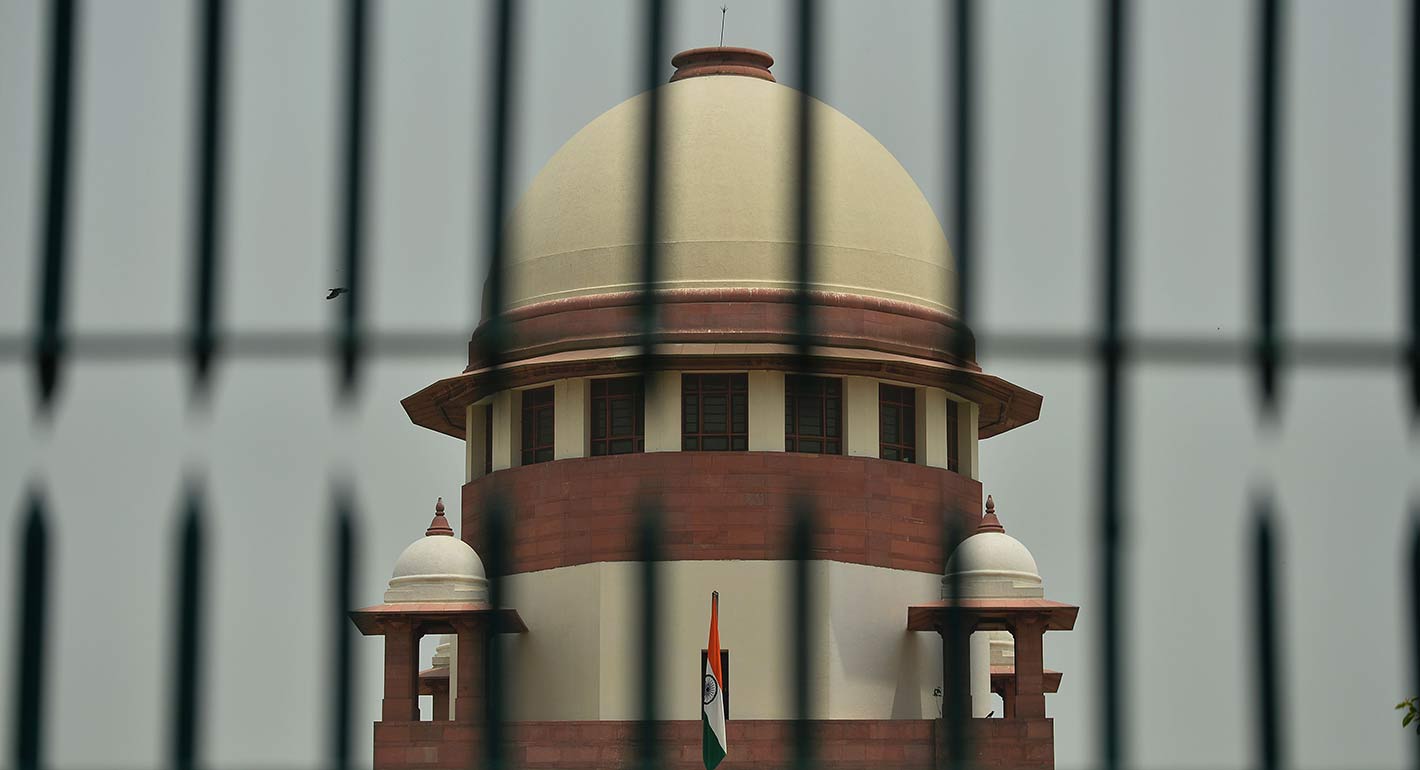
In recent years, some of the most dramatic situations in Indian public life have arisen in the higher judiciary—an arm of the state ideally characterized by collegiality, scholarship, predictability, and remoteness from raucous politics.
Source: Print
In recent years, some of the most dramatic situations in Indian public life have arisen in the higher judiciary – an arm of the state ideally characterised by collegiality, scholarship, predictability, and remoteness from raucous politics.
From the disregard of principles of natural justice and public squabbling among the judges to the politically consequential activism around the National Register of Citizens (NRC) and unpredictable reasoning in judgments (treatment of money bill argument in the Aadhaar case, and ignoring of evidence of low fatalities in the liquor ban case), the reality of the higher judiciary is increasingly divergent from the ideal conception. These situations also remind us how difficult it is to hold the higher judiciary accountable.
Carnegie does not take institutional positions on public policy issues; the views represented herein are those of the author(s) and do not necessarily reflect the views of Carnegie, its staff, or its trustees.
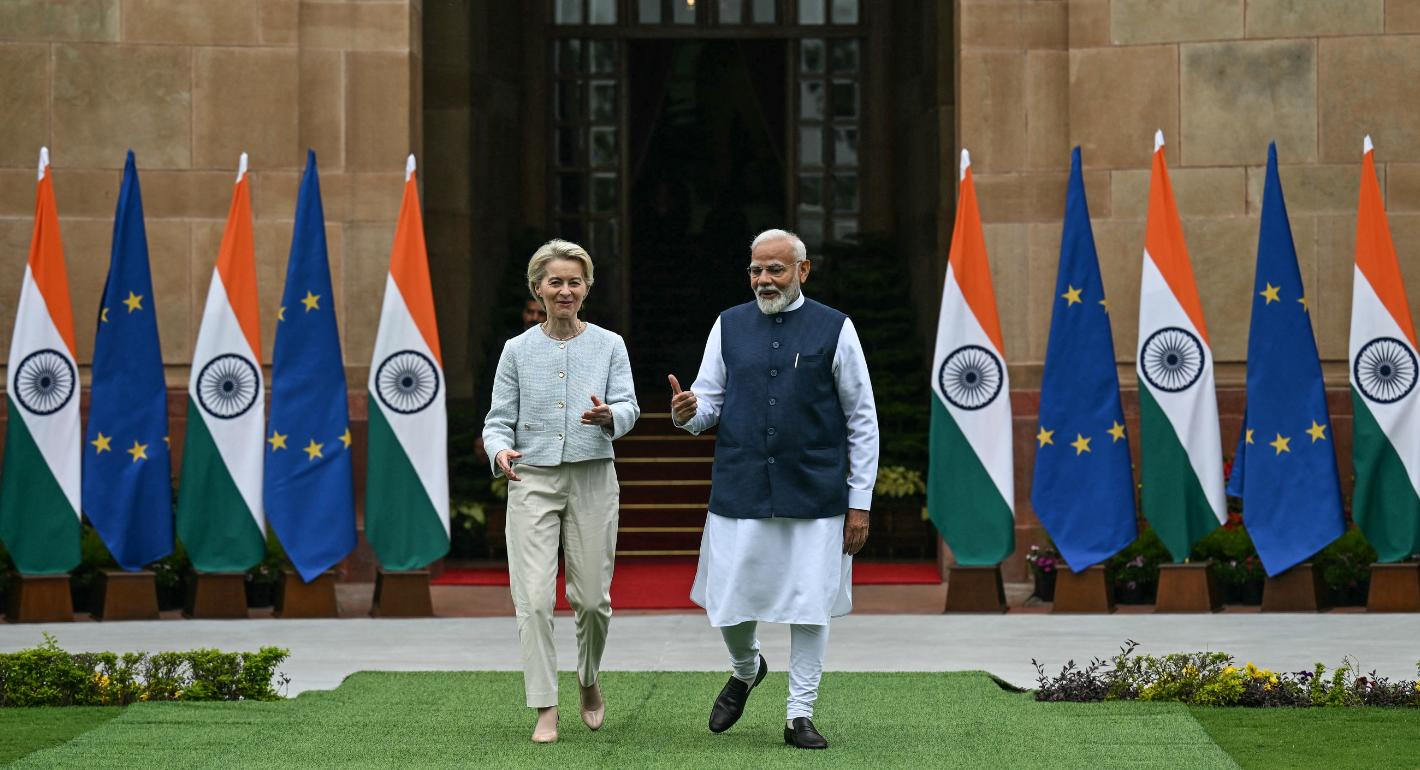
As European leadership prepares for the sixteenth EU-India Summit, both sides must reckon with trade-offs in order to secure a mutually beneficial Free Trade Agreement.

Dinakar Peri
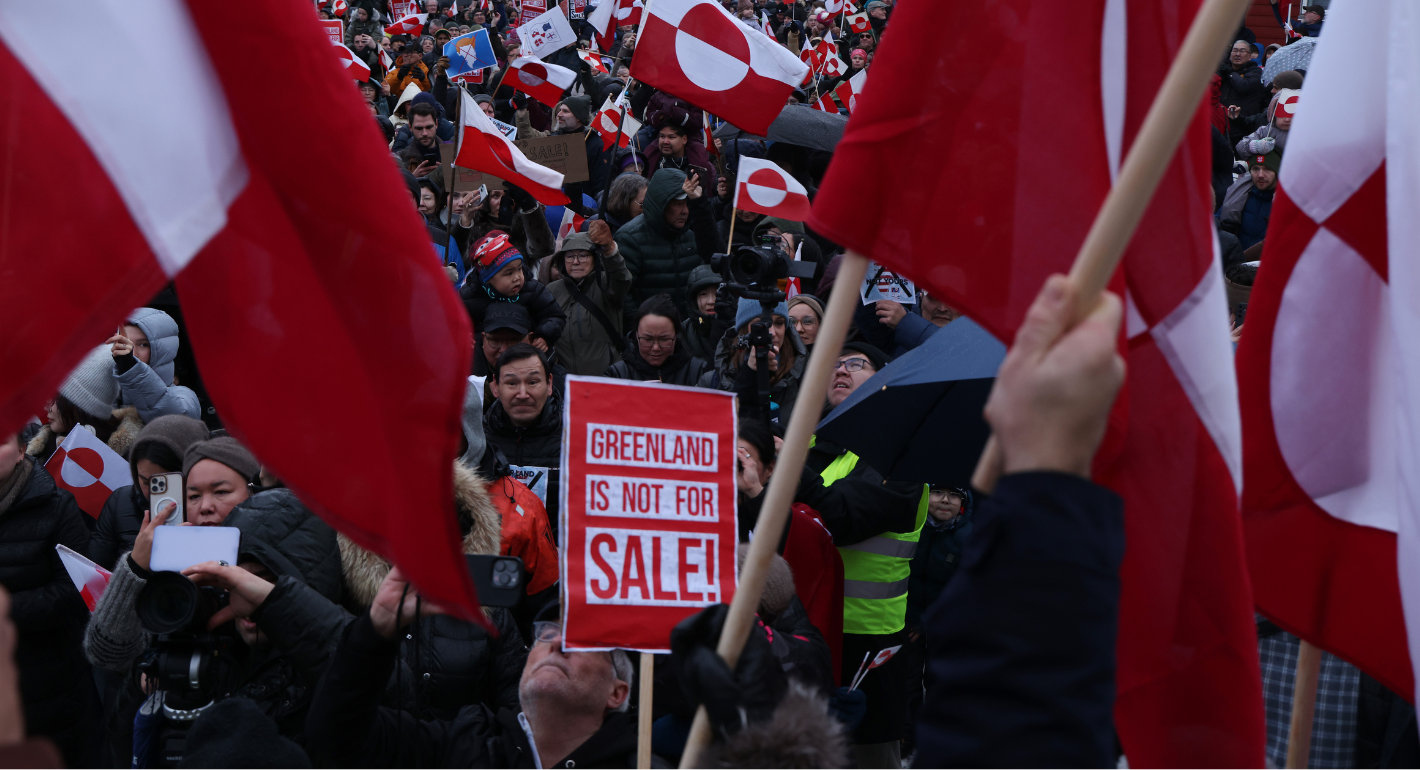
Between Greenland and U.S. interference in Europe’s democracies, transatlantic relations risk rising to an unprecedented level of crisis. Amid continued arguments on how Brussels should react, tough times lie ahead for European leaders.

Marc Pierini
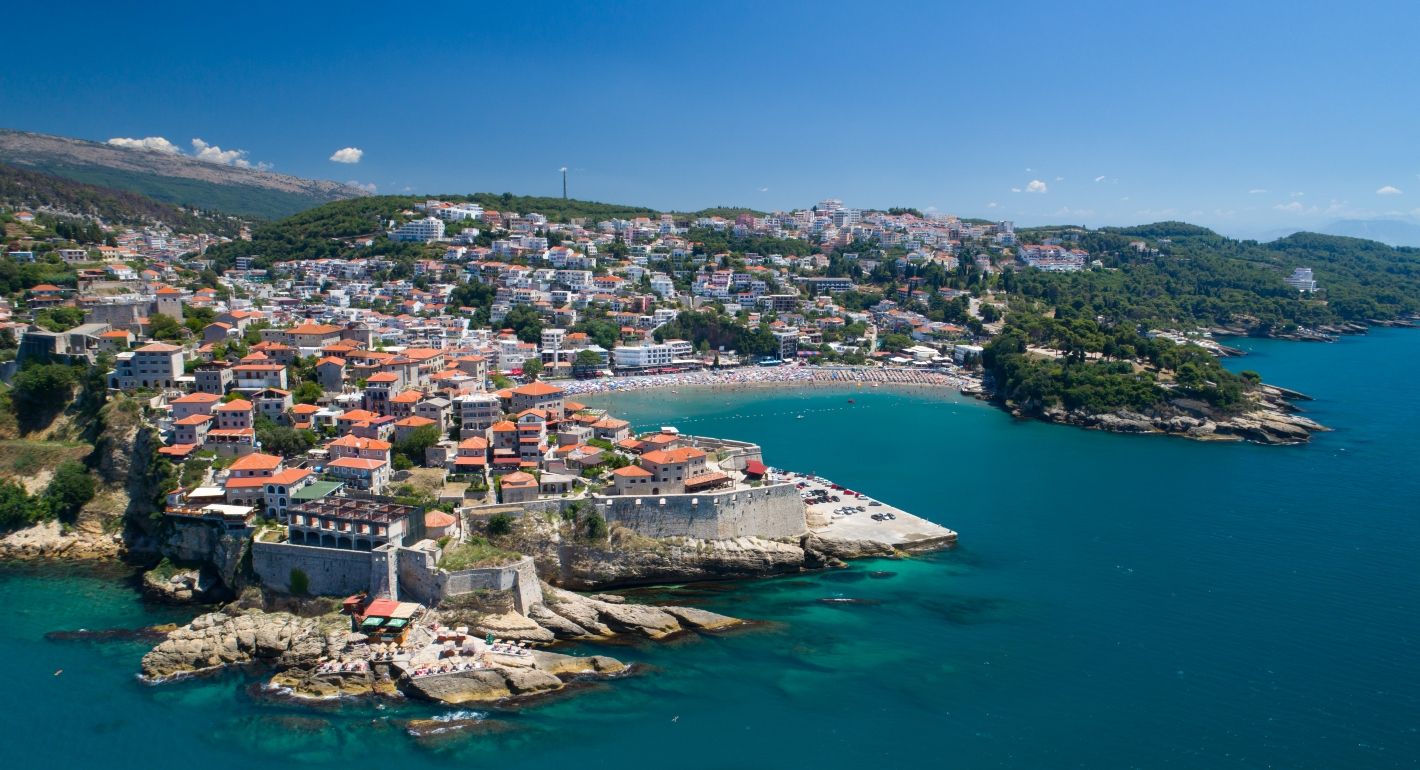
The United Arab Emirates has become a major investor in the Western Balkans. With enlargement back on the agenda, the EU must ensure that foreign capital meets rather than undermines its governance standards.



Iliriana Gjoni, Iva Čukić, Alba Çela, …
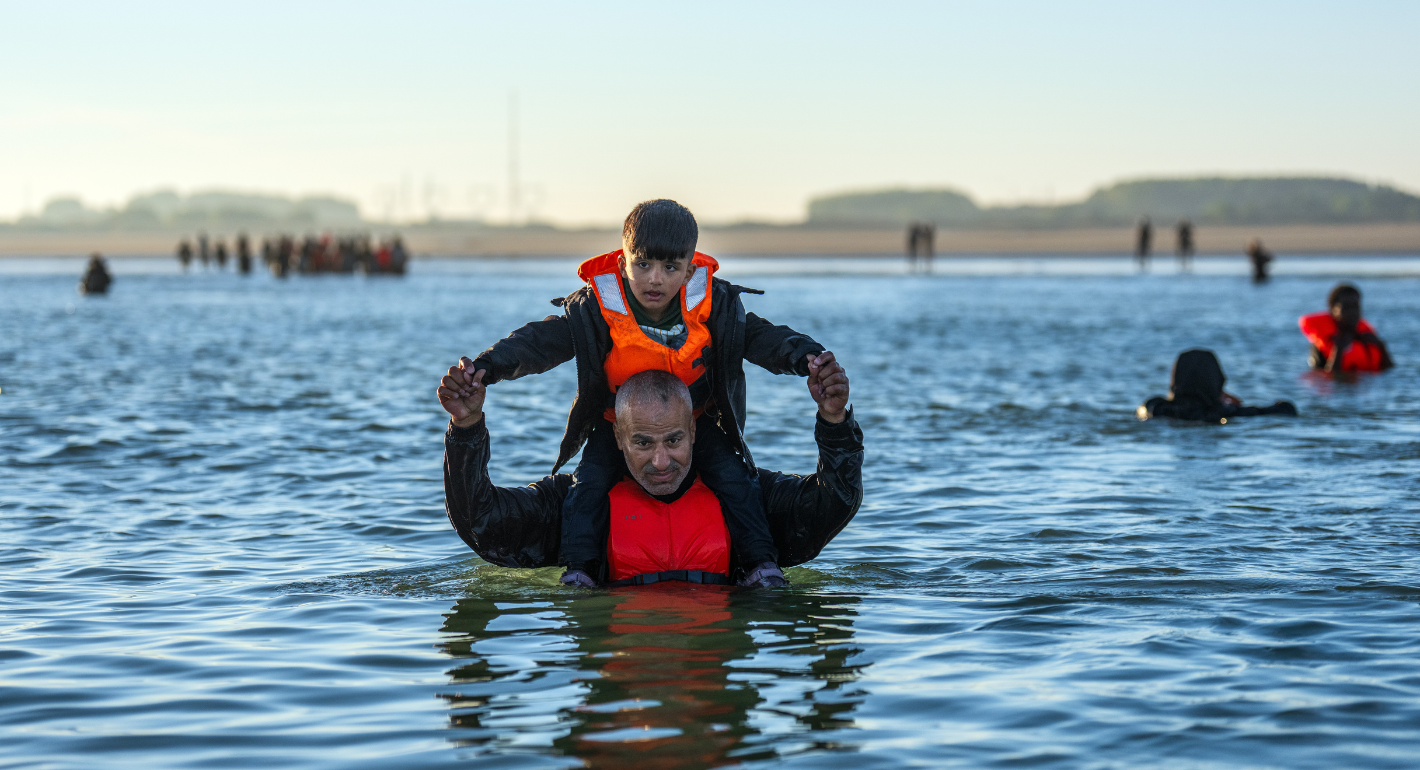
Hard-line approaches to asylum policy are increasingly common, with crackdowns proposed even by parties that traditionally hold liberal views on migration. Does this shift represent a break with Europe’s fundamental values?

Thomas de Waal
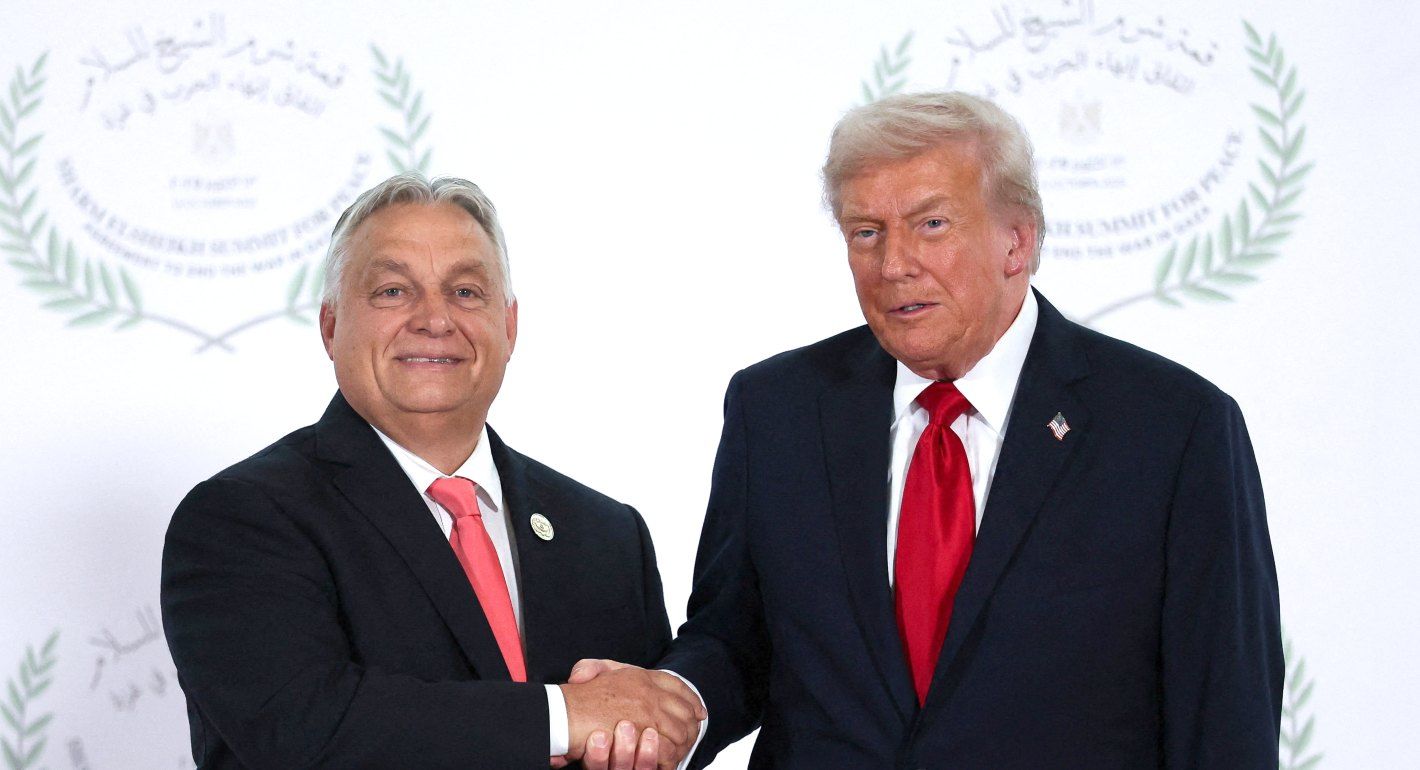
The second term of U.S. President Donald Trump is pushing Europeans to strengthen their capacity for collective action. But their biggest challenge comes from within: U.S.-backed radical-right parties that want to weaken the EU.

Stefan Lehne