

Commentary
As European leadership prepares for the sixteenth EU-India Summit, both sides must reckon with trade-offs in order to secure a mutually beneficial Free Trade Agreement.
Dinakar Peri
{
  "authors": [
    "Dmitri Trenin"
  ],
  "type": "questionAnswer",
  "centerAffiliationAll": "",
  "centers": [
    "Carnegie Endowment for International Peace",
    "Carnegie China",
    "Carnegie Russia Eurasia Center"
  ],
  "collections": [
    "Pax Sinica"
  ],
  "englishNewsletterAll": "",
  "nonEnglishNewsletterAll": "",
  "primaryCenter": "Carnegie Russia Eurasia Center",
  "programAffiliation": "",
  "programs": [
    "Russia and Eurasia"
  ],
  "projects": [],
  "regions": [
    "East Asia",
    "China",
    "Russia"
  ],
  "topics": [
    "Security",
    "Military",
    "Foreign Policy"
  ]
}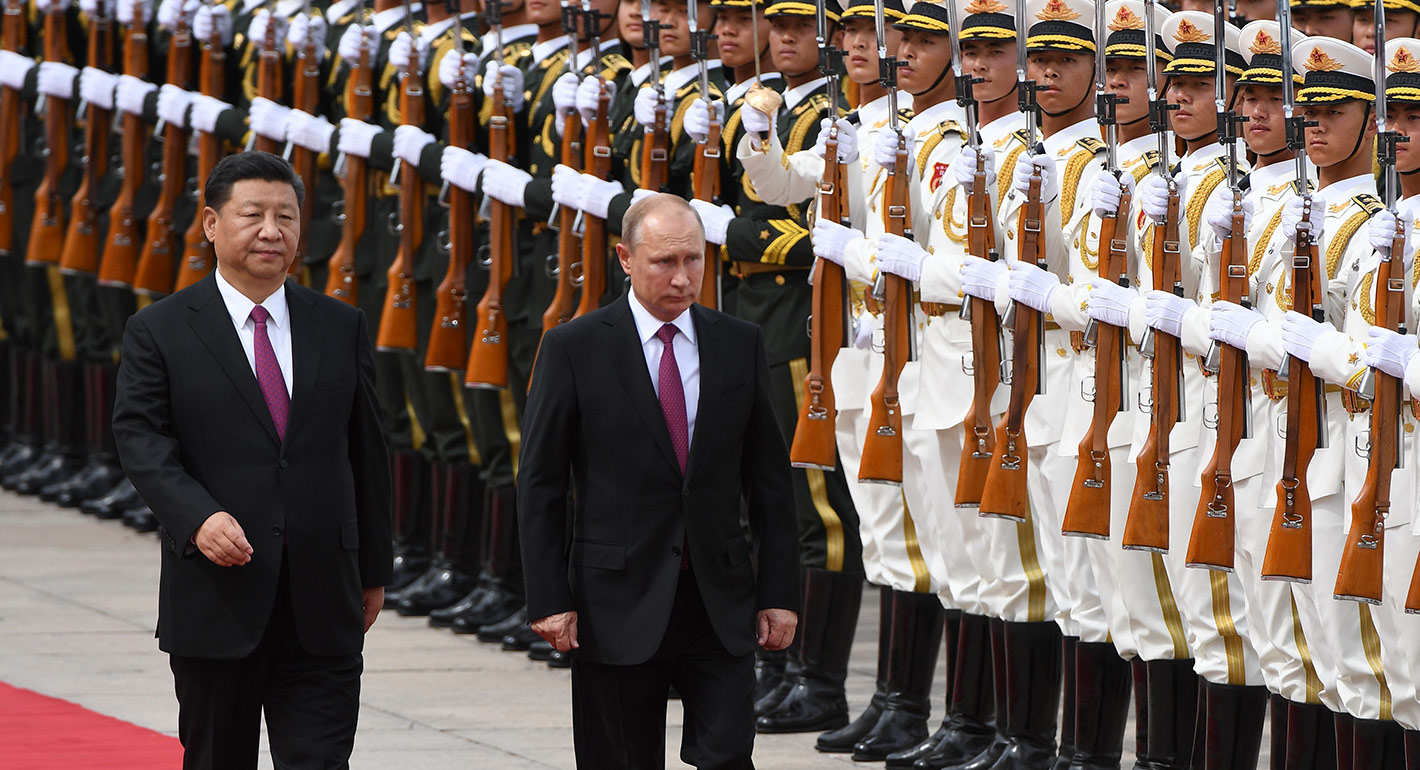
Russia and China’s strategic military cooperation is becoming ever closer. President Putin has announced that Russia is helping China build an early warning system to spot intercontinental ballistic missile launches.
The details of the arrangement are not publicly known, but it appears that there is no outright “purchase” of a complete system. From what is known, one may conclude that Russia will help China build new and upgrade existing system elements, such as land-based radars, space-based satellites, and data analysis centers. Presumably, China reached out to Russia about early warning systems because Beijing thinks that its existing early-warning capabilities are inadequate and that its rivalry with the United States is long-term, is fundamental, and will have a strategic military dimension.
The significance of Beijing upgrading its early warning system is that, once it is complete, no hypothetical missile attack against China would come as a surprise. Instead of waiting for enemy missiles to explode on its territory before ordering the launch of its surviving missiles, China could adopt a launch-on-warning posture (in which a retaliatory strike is launched as soon as a country learns of an incoming nuclear attack, while enemy missiles are still in the air). This would strengthen Beijing’s deterrence capabilities and complicate a potential adversary’s calculations.
Washington probably sees this development as a sign of ever-tighter military cooperation between Beijing and Moscow. However, the fact that China will join the United States and Russia as the only countries with comprehensive early warning systems is not a threat to the United States. On the contrary, a China equipped with a reliable early warning system should feel more confident in relation to the other nuclear powers. These other powers, in turn, would feel more confident that the Chinese system is reliable. In principle, this mutual confidence should be a steadying force for global strategic stability.
Russia’s military technology is still superior to China’s. While this gap continues to exist—though not forever—their cooperation allows Moscow to partially balance a relationship that is increasingly tilted toward Beijing. What’s more, an upgraded early warning system only gives China a small advantage in its strategic relationship with Russia, should the friendship ever turn sour.
No. Russian and Chinese armed forces are interacting more, but integration is not yet happening. Moscow and Beijing officially deny that they are planning to form a military alliance. Russian Foreign Minister Sergey Lavrov reconfirmed this again recently.
But the two militaries are becoming more familiar with each other. They are taking part in joint training; making their weapons systems more compatible; and syncing their communications, logistics, tactics, and military doctrines.
Chinese and Russian forces have been training together for a decade now. They raised the level of joint exercises from anti-terrorism exercises to China’s participation in Russia’s major strategic drills (at Vostok in 2018 and at Tsentr in 2019). The two militaries have conducted war games on land; naval maneuvers in the East and South China Seas, the Mediterranean Sea, and the Baltic Sea; and joint air patrols over the Sea of Japan.
Over the past five years, Washington has had to pay more attention to military cooperation between Beijing and Moscow, since China has received advanced military systems from Russia.
The United States is still militarily dominant in the Western Pacific, but its margin of dominance is narrowing. To regain the advantage, Washington is considering deploying systems in East Asia that were previously banned by the Intermediate-Range Nuclear Forces (INF) Treaty. Should this happen, the security environment in the region will become more complicated. Tensions—mostly between China and the United States, but also between Russia and the United States—will grow considerably.
Beijing and Moscow do not always walk in lockstep, nor do they intend to. For example, China does not recognize Crimea as part of Russia, and Moscow, formally speaking, takes a neutral stance on Beijing’s claims in the South China Sea. Yet the strength of their cooperation is clear, not only in areas where their interests align but even more crucially in areas where they don’t.
For the foreseeable future, while Putin stays in power in Moscow, and Chinese President Xi Jinping rules in Beijing, the relationship is unlikely to experience a train wreck. But in the long run, Russia needs to balance its relationship with its giant and fast-growing neighbor, so as to protect its own sovereignty and avoid becoming a mere sidekick.
This Q&A resulted from discussions during the Carnegie–Tsinghua Center’s recent Carnegie Global Dialogue.
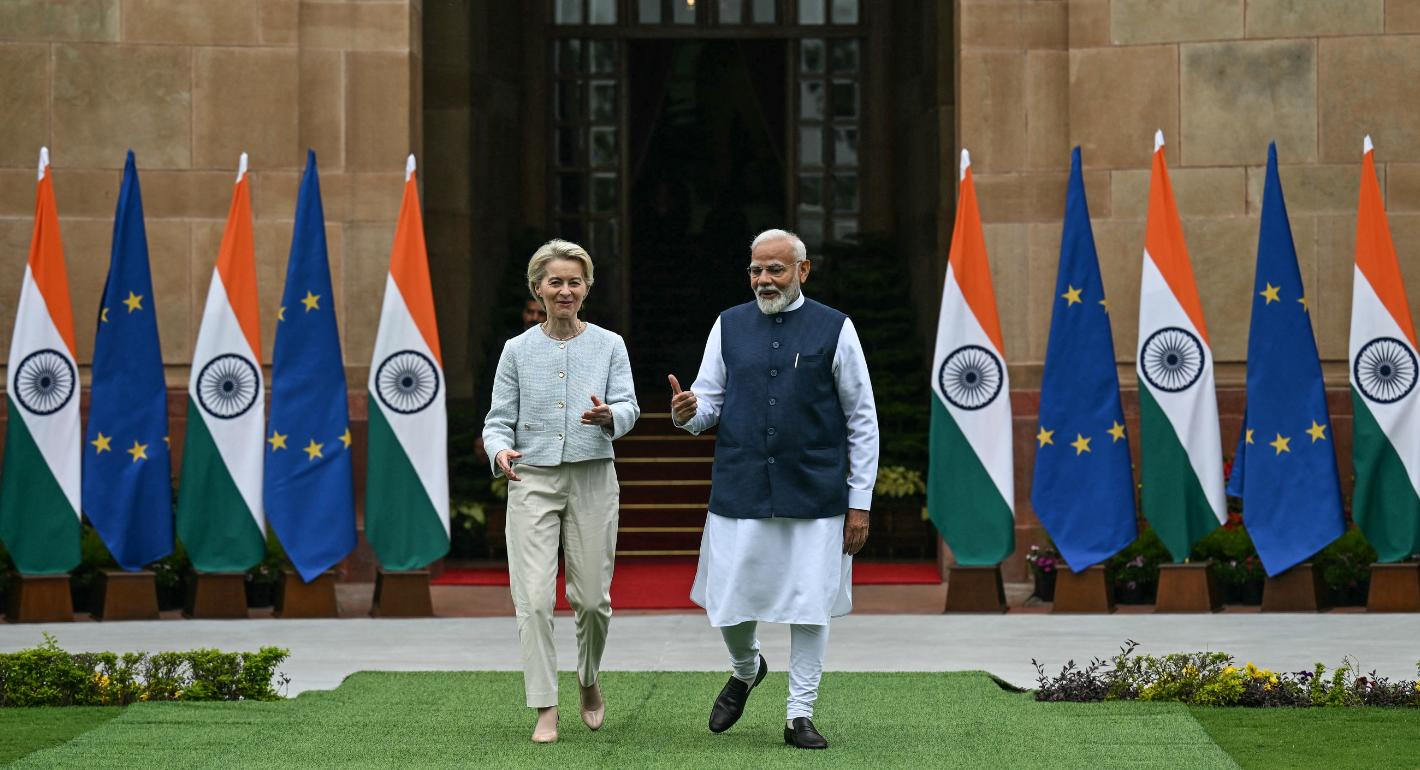
As European leadership prepares for the sixteenth EU-India Summit, both sides must reckon with trade-offs in order to secure a mutually beneficial Free Trade Agreement.

Dinakar Peri
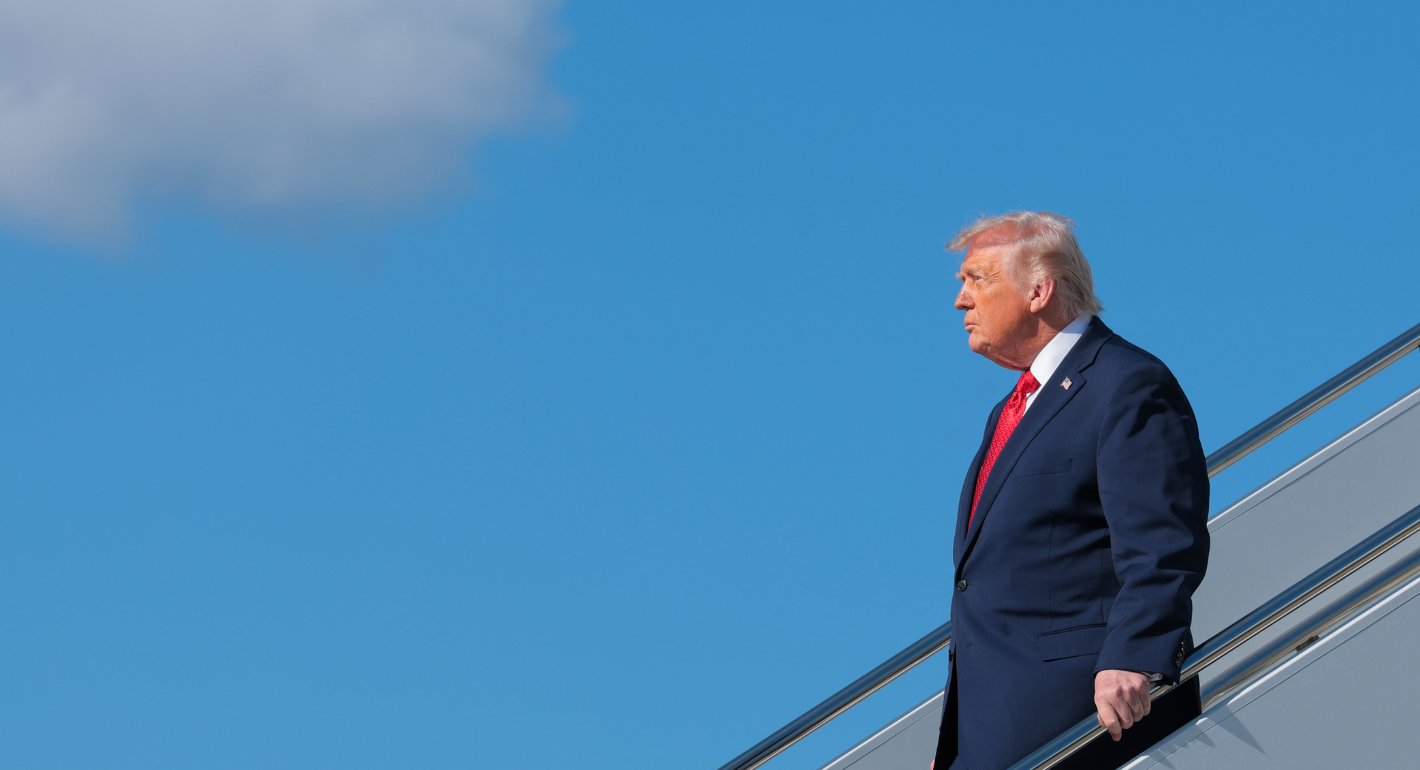
The hyper-personalized new version of global sphere-of-influence politics that Donald Trump wants will fail, as it did for Russia. In the meantime, Europe must still deal with a disruptive former ally determined to break the rules.

Thomas de Waal

Between Greenland and U.S. interference in Europe’s democracies, transatlantic relations risk rising to an unprecedented level of crisis. Amid continued arguments on how Brussels should react, tough times lie ahead for European leaders.

Marc Pierini
2026 has started in crisis, as the actions of unpredictable leaders shape an increasingly volatile global environment. To shift from crisis response to strategic foresight, what under-the-radar issues should the EU prepare for in the coming year?
Thomas de Waal
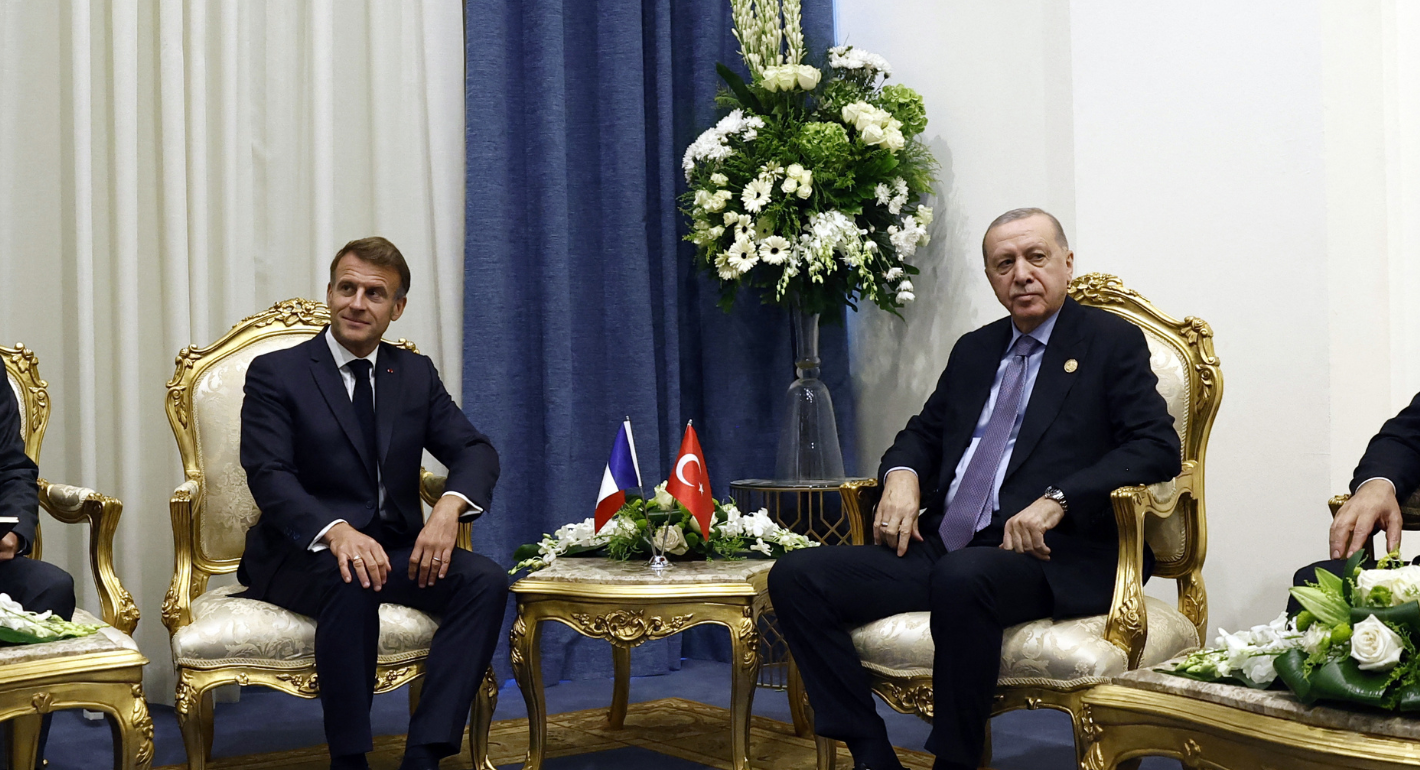
A renewal of relations between France and Turkey is vital to strengthen European strategic autonomy. To make this détente a reality, Paris and Ankara should move beyond personal friction and jointly engage with questions of Black Sea security.

Romain Le Quiniou