

Commentary
As European leadership prepares for the sixteenth EU-India Summit, both sides must reckon with trade-offs in order to secure a mutually beneficial Free Trade Agreement.
Dinakar Peri
{
  "authors": [
    "Aaron David Miller"
  ],
  "type": "legacyinthemedia",
  "centerAffiliationAll": "",
  "centers": [
    "Carnegie Endowment for International Peace",
    "Malcolm H. Kerr Carnegie Middle East Center"
  ],
  "collections": [],
  "englishNewsletterAll": "",
  "nonEnglishNewsletterAll": "",
  "primaryCenter": "Carnegie Endowment for International Peace",
  "programAffiliation": "",
  "programs": [
    "Democracy, Conflict, and Governance"
  ],
  "projects": [],
  "regions": [
    "North America",
    "United States",
    "Middle East",
    "Iran"
  ],
  "topics": [
    "Political Reform",
    "Security",
    "Military",
    "Foreign Policy",
    "Global Governance"
  ]
}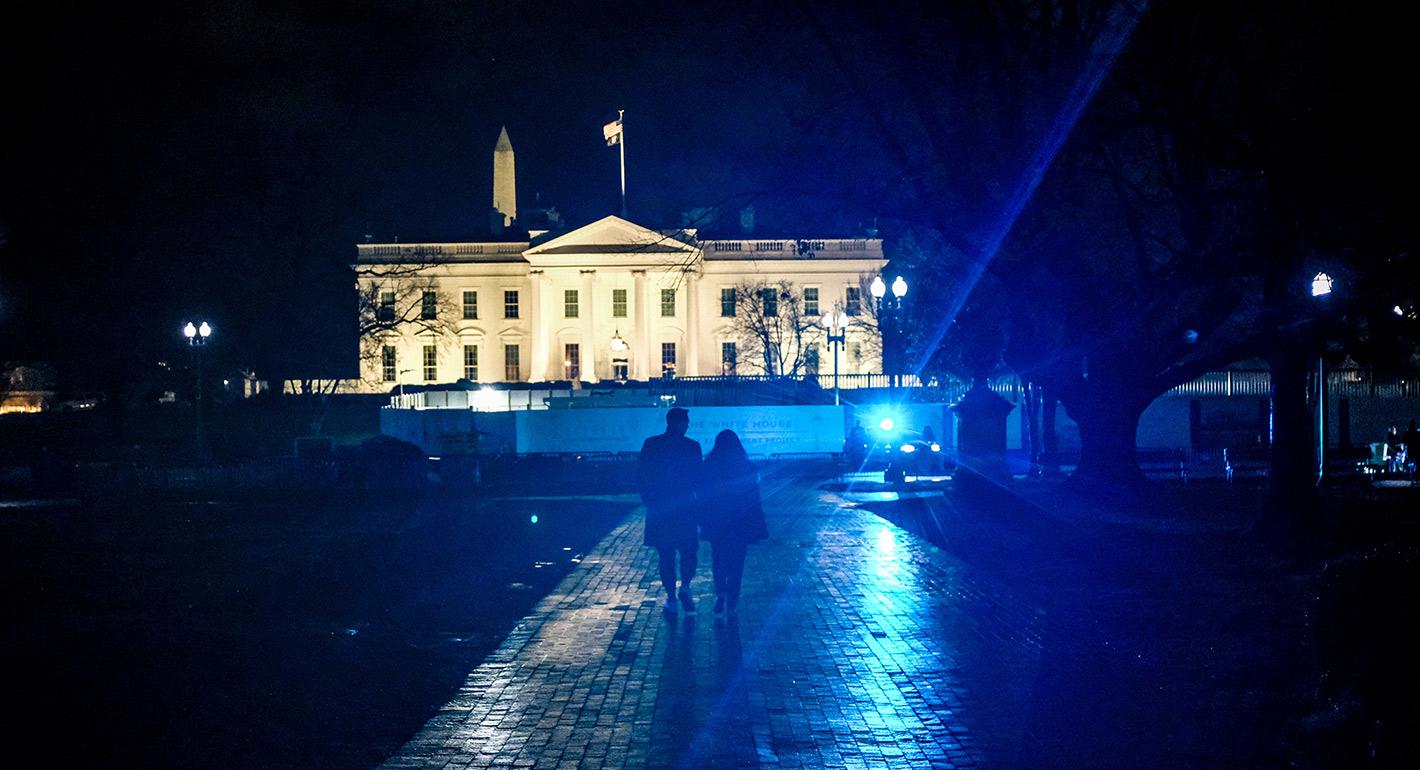
A major war with Iran is by no means inevitable. But the killing of Gen. Qassem Soleimani is a roll of the dice that just might take us there.
Source: USA Today
Iran now presents Donald Trump with the first real-time crisis of his presidency, illustrated in stark terms Tuesday when Iran launched ballistic missiles at two Iraqi bases hosting U.S. and Iraqi troops. And not surprisingly, he is handling it in a way that embodies all the worst elements of his management of national security issues. Unfortunately, Trump also seems to have abandoned one of the more positive aspects of his approach to foreign policy: a reluctance to get into new and unwinnable conflicts in the Middle East.
A major war with Iran is by no means inevitable. But the killing of Gen. Qassem Soleimani is a roll of the dice that just might take us there.
The external signs of crisis mismanagement are already apparent. The president’s threats against Iran have inflamed an Iranian public already at fever pitch against the United States. His promise — twice — to attack Iran’s cultural sites should it respond violently against the United States was not only a provocation, it was also a potential war crime. Trump belatedly recognized that, but no statement did as much to undermine the American narrative that it’s at war with the Iranian regime, not the Iranian people.
Carnegie does not take institutional positions on public policy issues; the views represented herein are those of the author(s) and do not necessarily reflect the views of Carnegie, its staff, or its trustees.
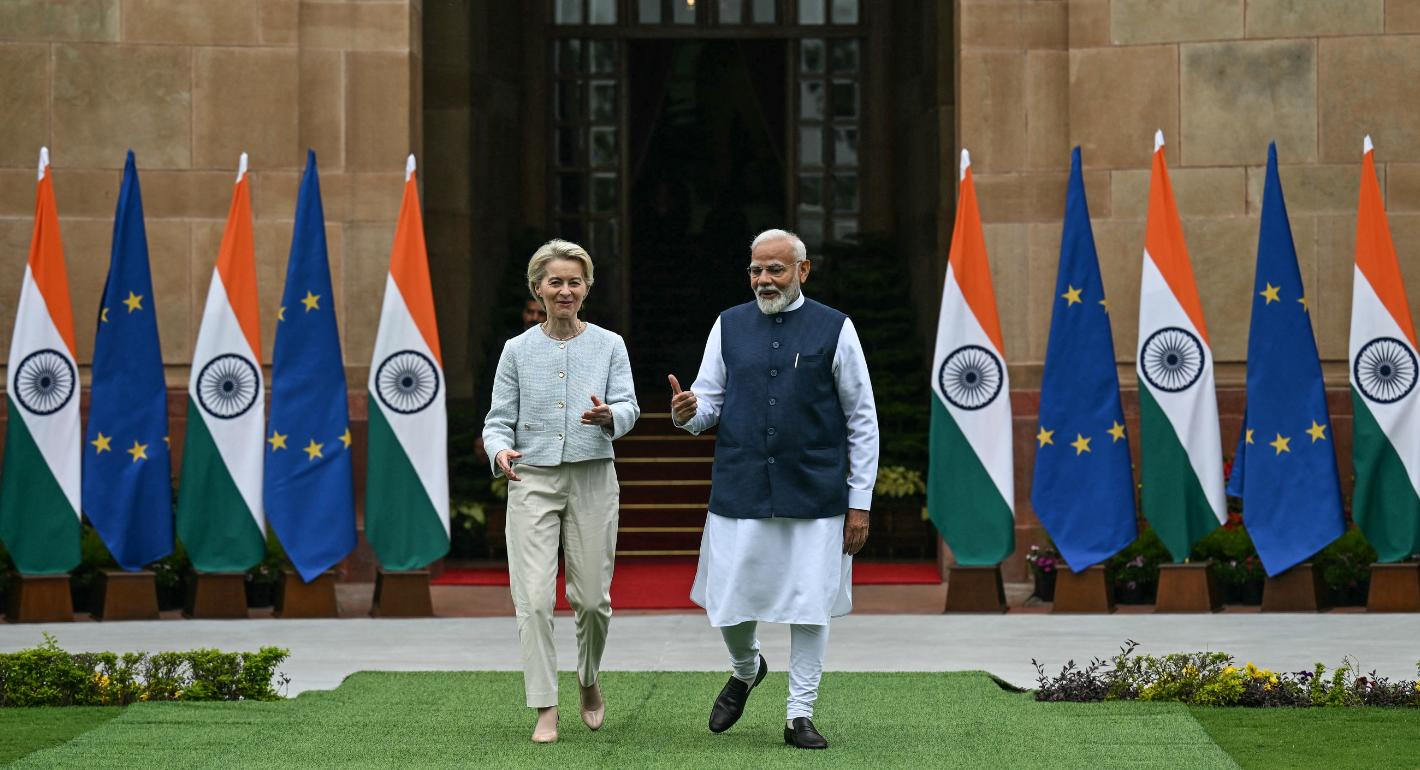
As European leadership prepares for the sixteenth EU-India Summit, both sides must reckon with trade-offs in order to secure a mutually beneficial Free Trade Agreement.

Dinakar Peri
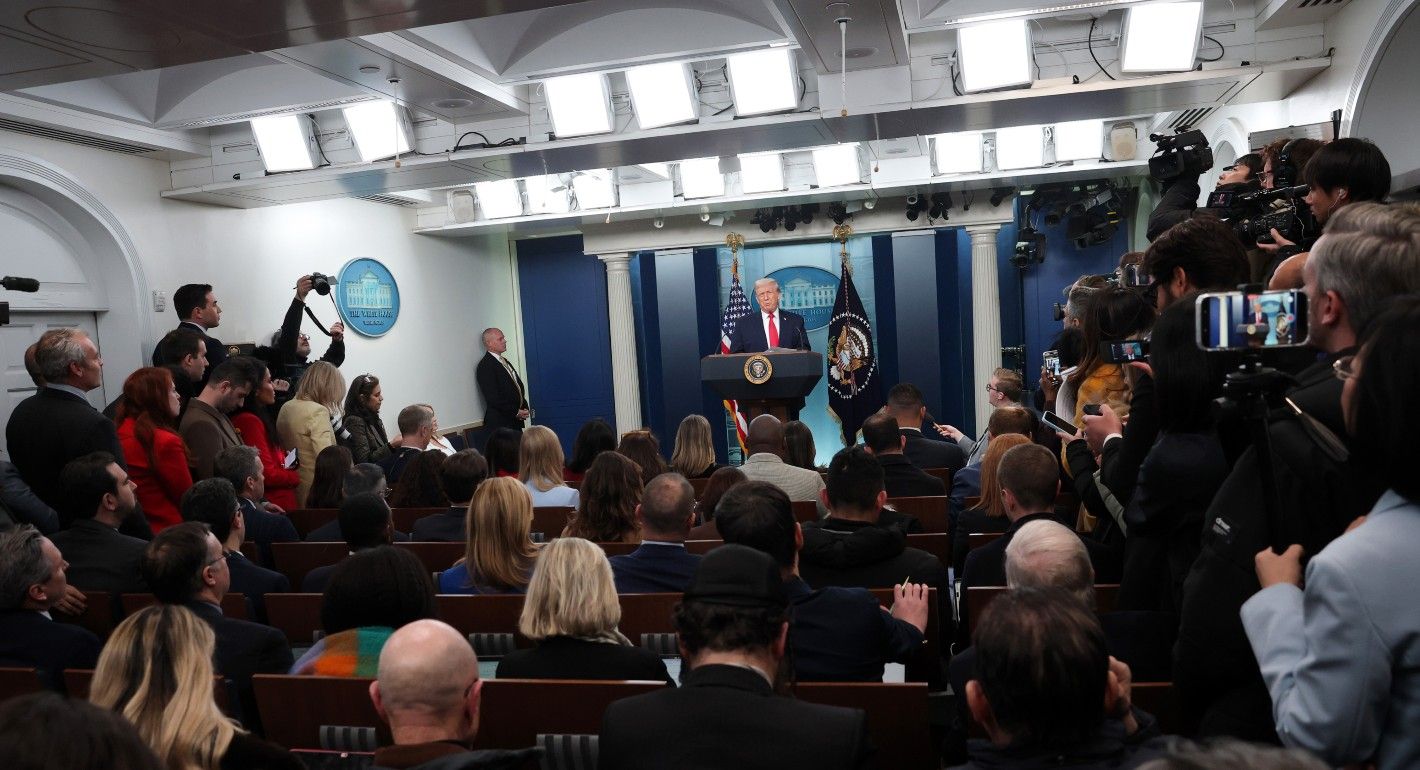
Carnegie scholars examine the crucial elements of a document that’s radically different than its predecessors.
James M. Acton, Saskia Brechenmacher, Cecily Brewer, …
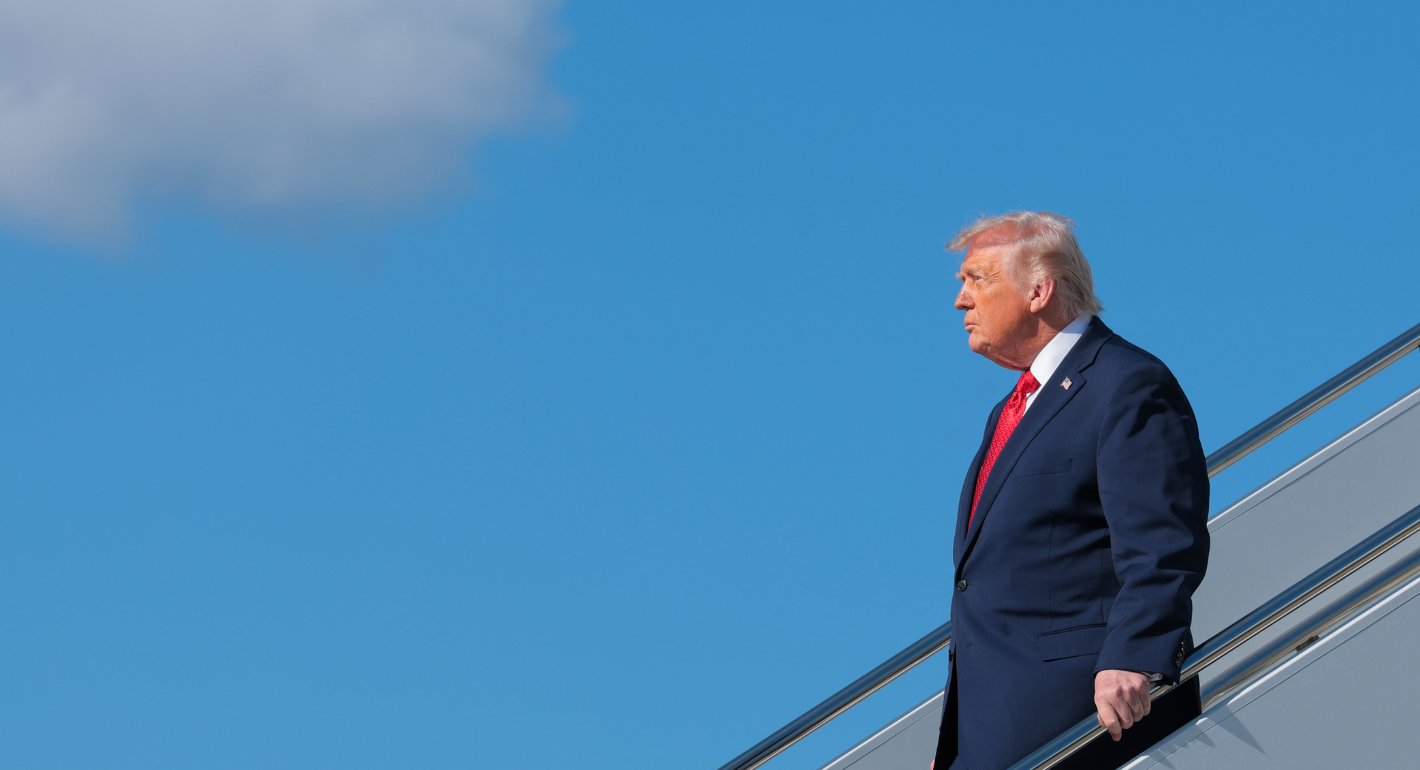
The hyper-personalized new version of global sphere-of-influence politics that Donald Trump wants will fail, as it did for Russia. In the meantime, Europe must still deal with a disruptive former ally determined to break the rules.
Thomas de Waal
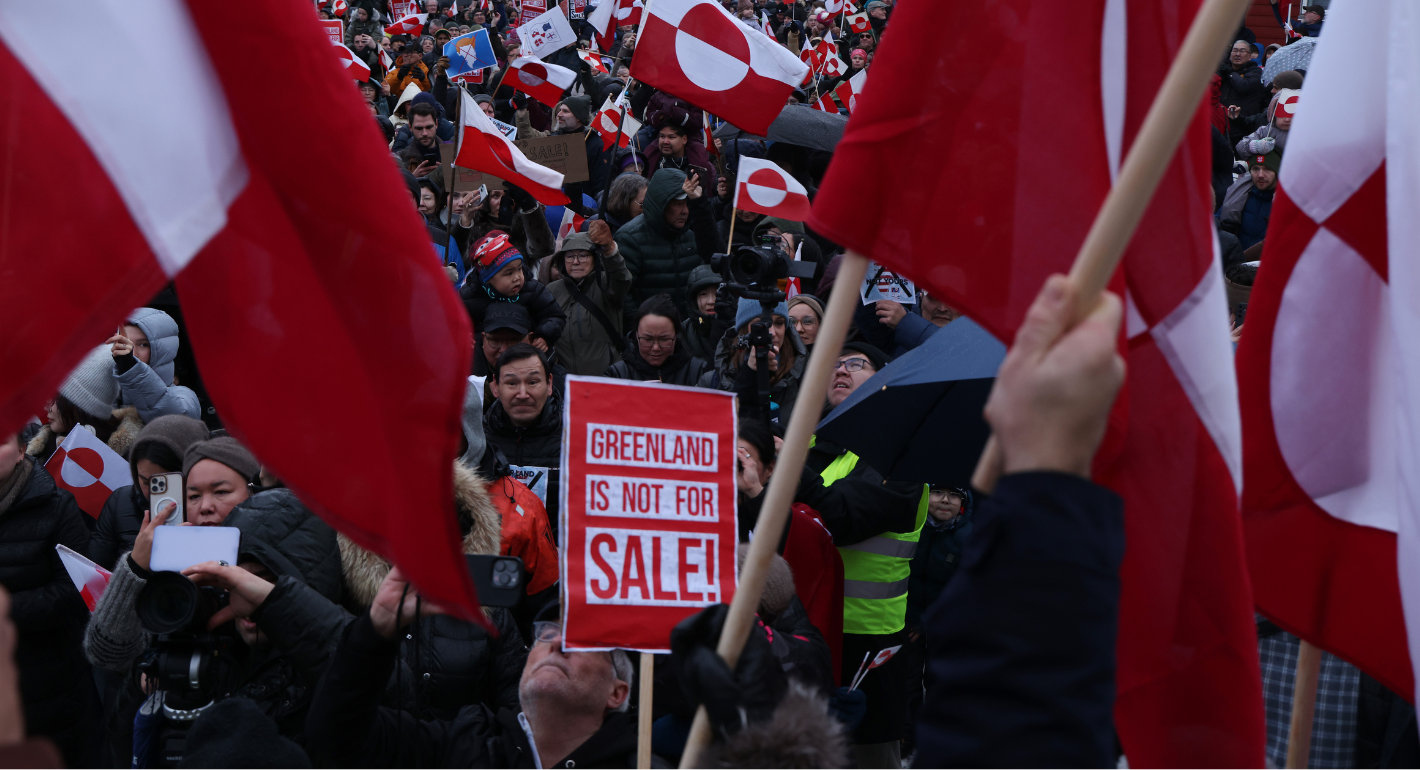
Between Greenland and U.S. interference in Europe’s democracies, transatlantic relations risk rising to an unprecedented level of crisis. Amid continued arguments on how Brussels should react, tough times lie ahead for European leaders.
Marc Pierini
2026 has started in crisis, as the actions of unpredictable leaders shape an increasingly volatile global environment. To shift from crisis response to strategic foresight, what under-the-radar issues should the EU prepare for in the coming year?
Thomas de Waal