

Commentary
As European leadership prepares for the sixteenth EU-India Summit, both sides must reckon with trade-offs in order to secure a mutually beneficial Free Trade Agreement.
Dinakar Peri
{
  "authors": [
    "Jake Walles"
  ],
  "type": "commentary",
  "centerAffiliationAll": "",
  "centers": [
    "Carnegie Endowment for International Peace",
    "Malcolm H. Kerr Carnegie Middle East Center"
  ],
  "collections": [],
  "englishNewsletterAll": "",
  "nonEnglishNewsletterAll": "",
  "primaryCenter": "Carnegie Endowment for International Peace",
  "programAffiliation": "",
  "programs": [
    "Middle East"
  ],
  "projects": [],
  "regions": [
    "Middle East",
    "Israel",
    "Palestine",
    "Levant"
  ],
  "topics": [
    "Security",
    "Foreign Policy"
  ]
}
External pressure has never been effective in forcing the parties to abandon their core principles. Only a negotiated two-state solution has the potential to satisfy both sides.
The arrival of a new U.S. administration offers a welcome opportunity for a reset of U.S. policy vis-á-vis the Israeli-Palestinian conflict. Donald Trump’s administration followed an approach that diverged sharply from those of its predecessors, but its so-called new thinking achieved little and unnecessarily alienated the United States from the Palestinians. Joe Biden’s administration will likely return to a more conventional framework but will move forward cautiously, recognizing that the current situation isn’t ripe for peacemaking. With both Israelis and Palestinians going to the polls this year, the U.S. administration will want to assess the elections’ outcomes before engaging seriously on Israeli-Palestinian affairs. Meanwhile, Secretary of State Antony Blinken has encouraged the parties to focus on “steps that create a better environment in which actual negotiations can take place.”
In thinking through how the administration should approach this problem when the time is right, it’s important to first recognize the fundamental nature of the conflict. It is essentially about two distinct groups seeking to fulfill their national aspirations in the same geographic space. Hence, those seeking to end the conflict have repeatedly returned to the two-state solution as the only feasible way to address the unique situation and at least partly accommodate the core interests of both sides.
The two-state concept has been at the center of Middle East peacemaking since 1937, when the British Peel Commission concluded that the only possible solution was partition. In recent years, the United States has reinforced the concept, such as through former secretary of state John Kerry’s peace initiative from 2013 to 2017. Unsurprisingly, the Biden administration also appears to be adopting the two-state solution as a foundational principle. While the concept has many detractors who rightly point to the failure of the Oslo peace process and subsequent negotiations to achieve a two-state outcome, no other proposed vision to date has a reasonable chance to meet the national aspirations of both sides.
Many have sought other pathways to a solution, including through the paradigm of a rights-based approach that emphasizes international legal norms. Authors of the paper “Breaking the Israel-Palestine Status Quo,” published by the Carnegie Endowment for International Peace and the U.S./Middle East Project, recently revisited such an approach. What they propose is not necessarily at odds with a two-state outcome, but it focuses more on international legal structures than on negotiations between the parties. While there is certainly a real need to address the serious violations of human rights committed by Israelis and Palestinians, a rights-based approach to peacemaking misses the mark because these structures are not well positioned to resolve a conflict that is fundamentally about competing national aspirations.
Finding a path toward a two-state solution will surely not be easy. The status quo has proven to be more persistent than many expected, and it’s clear that the core problem between Israelis and Palestinians will not go away. There are now roughly equal numbers of Jews and Arabs in the territory west of the Jordan River, and neither the Jews nor the Arabs who live there are going anywhere. But, eventually, a stateless and disenfranchised Palestinian population will undermine Israel’s Jewish and democratic nature. The status quo will therefore not be sustainable over time.
Some advocates of a one-state solution suggest that all those who live between the Jordan River and the Mediterranean Sea should have equal rights in one political entity. However, Israelis, having struggled to establish and develop their state, are unlikely to give up their national achievements to be part of a multiethnic state where Jews comprise at most 50 percent of the population. And Palestinians, despite the vast obstacles that they face, are similarly unlikely to give up their quest for a national homeland.
The reality for both Palestinians and Israelis is that there’s no way to bypass each other or the issues that have bedeviled the negotiations for so long. A resolution of issues related to settlements, borders, Jerusalem, security, and so on will need to address the interests of both sides, and that can only come through negotiations. International law can and should inform those negotiations, but it cannot substitute for practical diplomacy efforts aimed at finding a durable outcome acceptable to both Israelis and Palestinians.
External parties, particularly the United States, play an important role in using both carrots and sticks to induce better behavior by both sides and to facilitate compromise. But external pressure has never been effective in forcing the parties to abandon their core principles. The Trump administration’s efforts to force the Palestinians to compromise by cutting assistance, closing representative offices, and belittling their leadership represent the most recent example of the failure of this tactic. Likewise, decades of international resolutions criticizing Israeli behavior toward Palestinians have done little to advance peacemaking.
In the end, whatever approach the Biden administration pursues, Israelis and Palestinians will still need to deal with each other and resolve the issues that divide them. Israelis are proud of the state they have built and will strive to protect it. Palestinians will continue to aspire to the same national goals that Israelis have realized. The United States and others can help, but only a negotiated two-state solution has the potential to satisfy both sides—and only the hard work of diplomacy can produce that outcome.
Carnegie does not take institutional positions on public policy issues; the views represented herein are those of the author(s) and do not necessarily reflect the views of Carnegie, its staff, or its trustees.
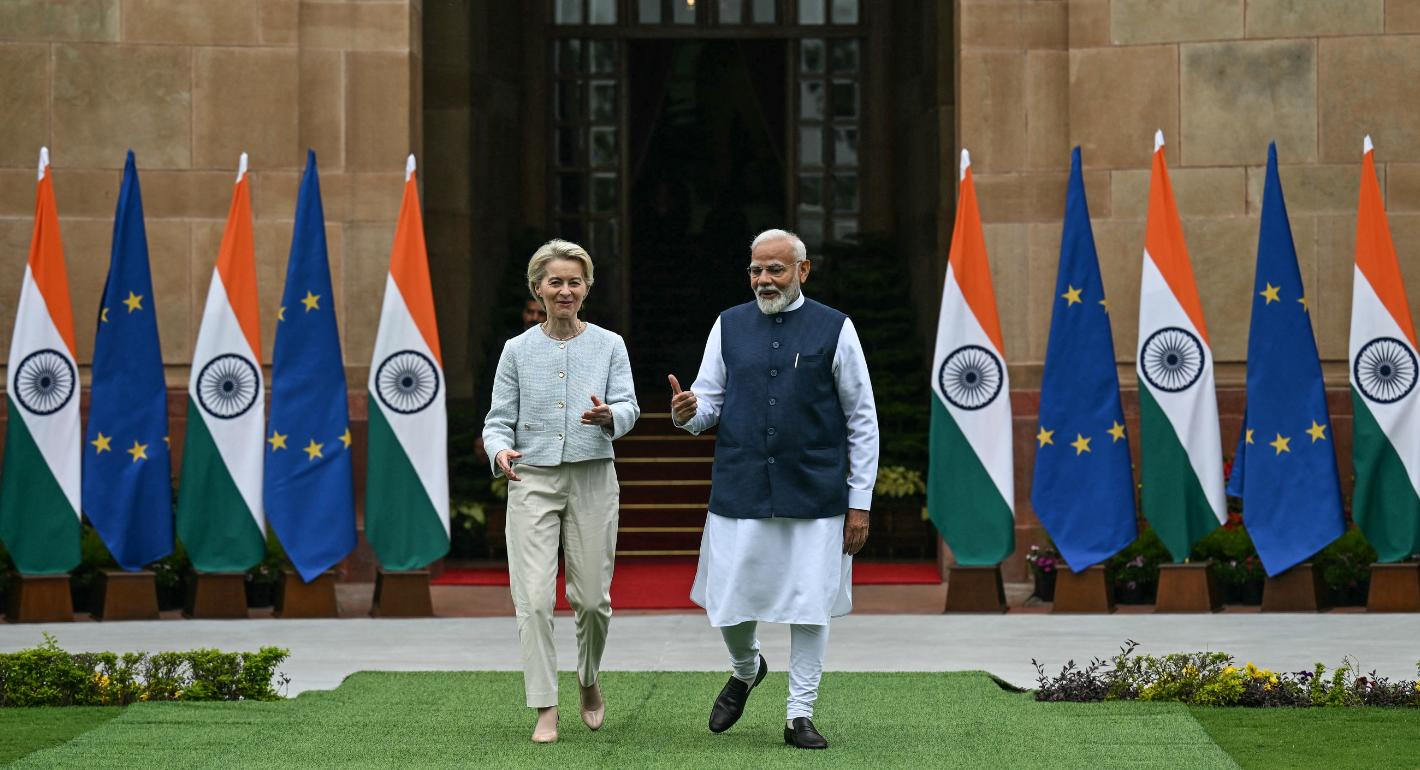
As European leadership prepares for the sixteenth EU-India Summit, both sides must reckon with trade-offs in order to secure a mutually beneficial Free Trade Agreement.

Dinakar Peri

The hyper-personalized new version of global sphere-of-influence politics that Donald Trump wants will fail, as it did for Russia. In the meantime, Europe must still deal with a disruptive former ally determined to break the rules.

Thomas de Waal

Between Greenland and U.S. interference in Europe’s democracies, transatlantic relations risk rising to an unprecedented level of crisis. Amid continued arguments on how Brussels should react, tough times lie ahead for European leaders.

Marc Pierini
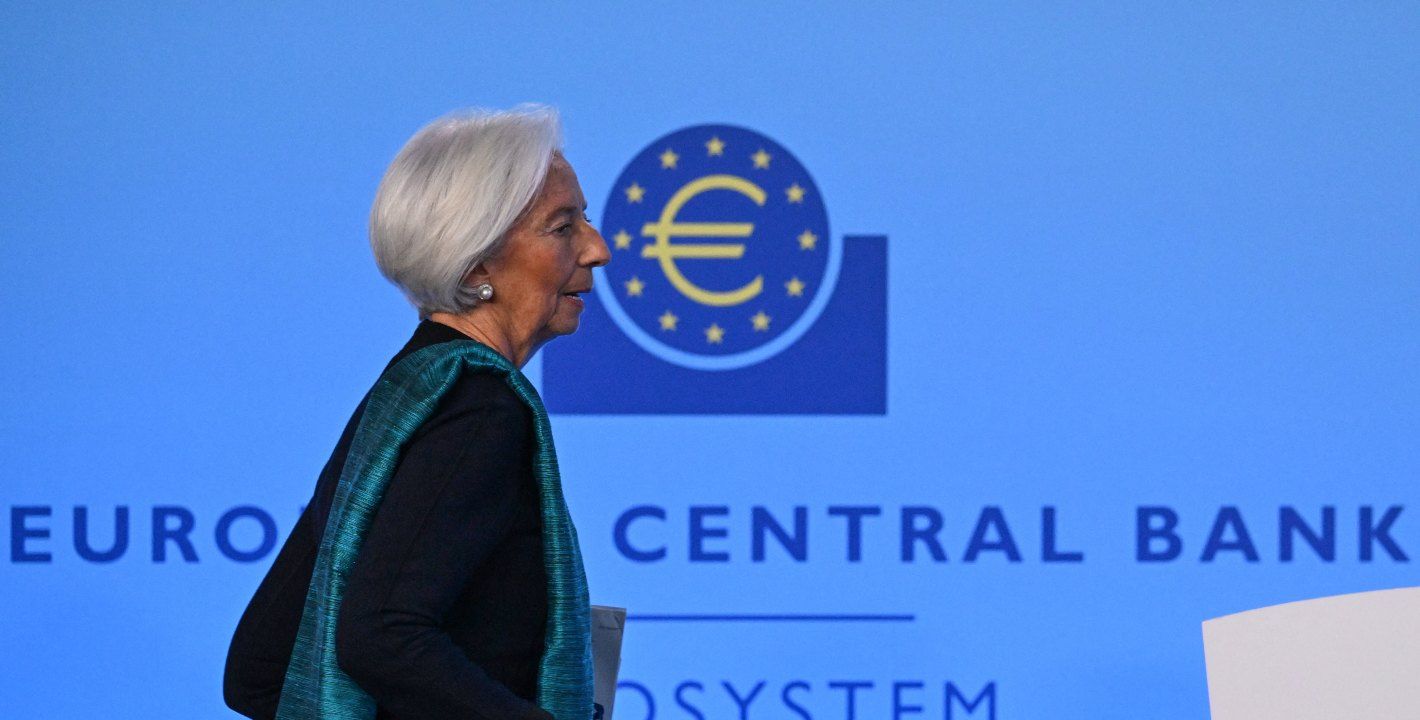
2026 has started in crisis, as the actions of unpredictable leaders shape an increasingly volatile global environment. To shift from crisis response to strategic foresight, what under-the-radar issues should the EU prepare for in the coming year?
Thomas de Waal
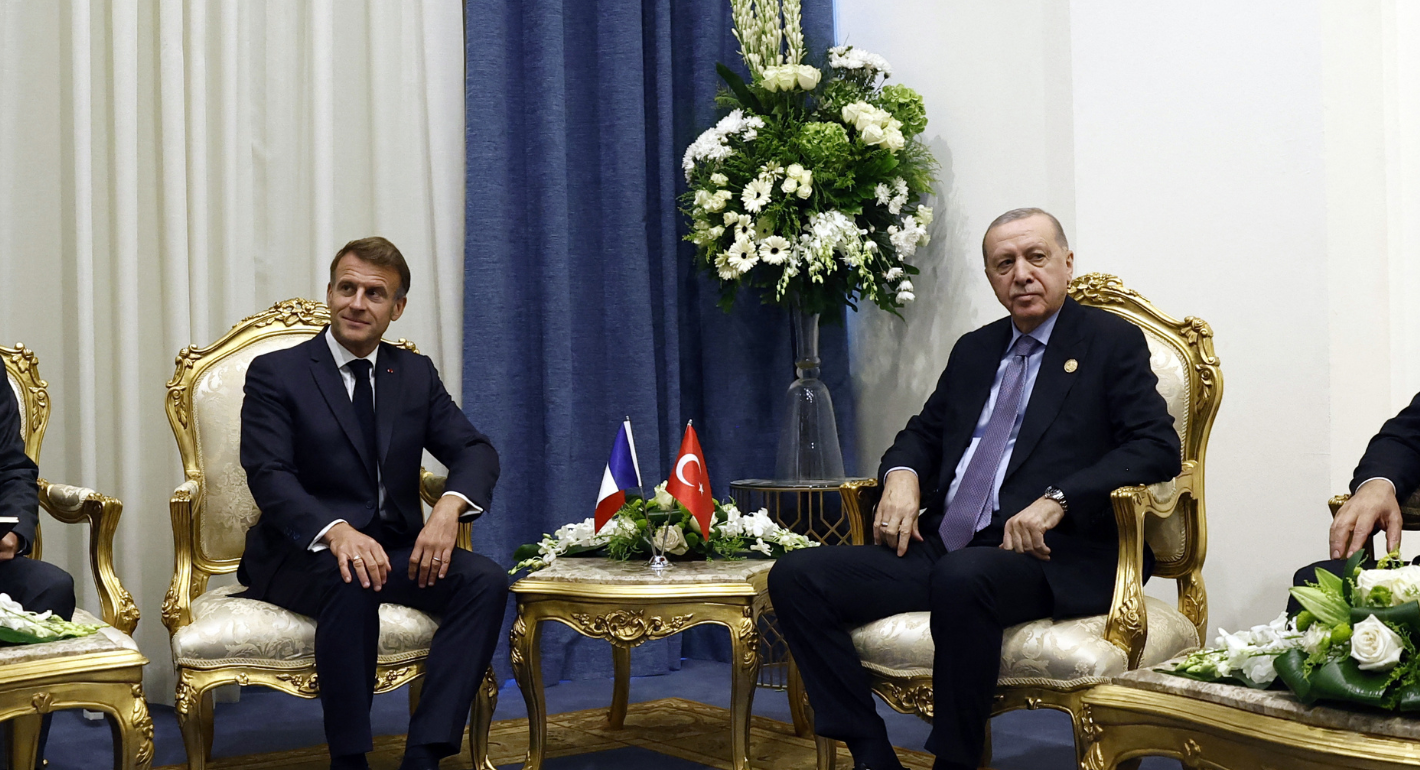
A renewal of relations between France and Turkey is vital to strengthen European strategic autonomy. To make this détente a reality, Paris and Ankara should move beyond personal friction and jointly engage with questions of Black Sea security.

Romain Le Quiniou