• Research
  • Strategic Europe
  • About
  • Experts
Carnegie Europe logoCarnegie lettermark logo
EUUkraine
  • Donate
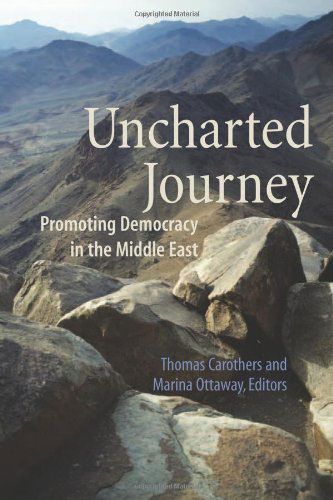
Uncharted Journey: Promoting Democracy in the Middle East
Book

Uncharted Journey: Promoting Democracy in the Middle East

The United States faces no greater challenge today than successfully fulfilling its new ambition of helping bring about a democratic transformation of the Middle East. Uncharted Journey contributes a wealth of concise, illuminating insights on this subject, drawing on the contributors’ deep knowledge of Arab politics and their experience with democracy-building in other parts of the world.

Link Copied
By Thomas Carothers and Marina Ottaway
Published on Jan 1, 2005

Additional Links

Table of ContentsIntroductionConclusionsPaperback - $24.95Hardback - $123.90

Source: Washington

The United States faces no greater challenge today than successfully fulfilling its new ambition of helping bring about a democratic transformation of the Middle East. Uncharted Journey contributes a wealth of concise, illuminating insights on this subject, drawing on the contributors’ deep knowledge of Arab politics and their substantial experience with democracy-building in other parts of the world.

The essays in Part One vividly dissect the state of Arab politics today, including an up-to-date examination of the political shock wave in the region produced by the invasion of Iraq. Part Two and Three set out a provocative exploration of the possible elements of a democracy promotion strategy for the region. The contributors identify potential false steps and a productive way forward, avoiding the twin shoals of either reflexive pessimism in the face of the daunting obstacles to Arab democratization or an unrealistic optimism that fails to take into account the region’s political complexities.


Contributors
Eva Bellin (Hunter College), Daniel Brumberg (Carnegie Endowment), Thomas Carothers (Carnegie Endowment), Michele Dunne (Georgetown University), Graham Fuller, Amy Hawthorne (Carnegie Endowment), Marina Ottaway (Carnegie Endowment), and Richard Youngs (Foreign Policy Centre).

About the Authors
Thomas Carothers is director of the Democracy and Rule of Law Project at the Carnegie Endowment for International Peace. His other books include Critical Mission: Essays on Democracy Promotion , Aiding Democracy Abroad: The Learning Curve , Funding Virtue: Civil Society Aid and Democracy Promotion, edited with Marina S. Ottaway, and Assessing Democracy Assistance: The Case of Romania.

Marina Ottaway is senior associate in the Democracy and Rule of Law Project at the Carnegie Endowment. She is the coauthor of Democratic Mirage in the Middle East(Carnegie Endowment Policy Brief No. 20), the coeditor of Funding Virtue: Civil Society Aid and Democracy Promotion, and the author of Africa's New Leaders: Democracy or State Reconstruction?.

Advance Praise

"Since the invasion of Iraq, promoting democracy in the Middle East has become a central issue in American foreign policy and an intensely politicized one. Uncharted Journey is therefore an extremely timely and important volume—a dispassionate, incisive, and practical analysis of the opportunities and pitfalls of Western democracy promotion in this critical region. Highly recommended to policy makers and scholars, as well as to all concerned with the political future of the Middle East."
—Francis Fukuyama, Author of State-Building

"This excellent, much-needed book is packed with critical insights for the development of effective democracy promotion policies and programs in the Middle East. It also provides refreshing, innovative ideas about possible routes to Arab democracy and the new realities of regional attitudes toward political change."
—Laith Kubba, NationalEndowment for Democracy

"A must-read for policymakers pondering whether and how America should try to promote democracy in the Middle East…a valuable contribution to a burgeoning field where serious studies on the implications of reform based on lessons learned from other experiments in democracy building are sadly lacking."
—Judith S. Yaphe, George Washington University

Authors

Thomas Carothers
Harvey V. Fineberg Chair for Democracy Studies; Director, Democracy, Conflict, and Governance Program
Thomas Carothers
Marina Ottaway
Former Senior Associate, Middle East Program
Marina Ottaway
Middle EastPolitical ReformDemocracyForeign Policy

Carnegie does not take institutional positions on public policy issues; the views represented herein are those of the author(s) and do not necessarily reflect the views of Carnegie, its staff, or its trustees.

More Work from Carnegie Europe

  • Commentary
    Strategic Europe
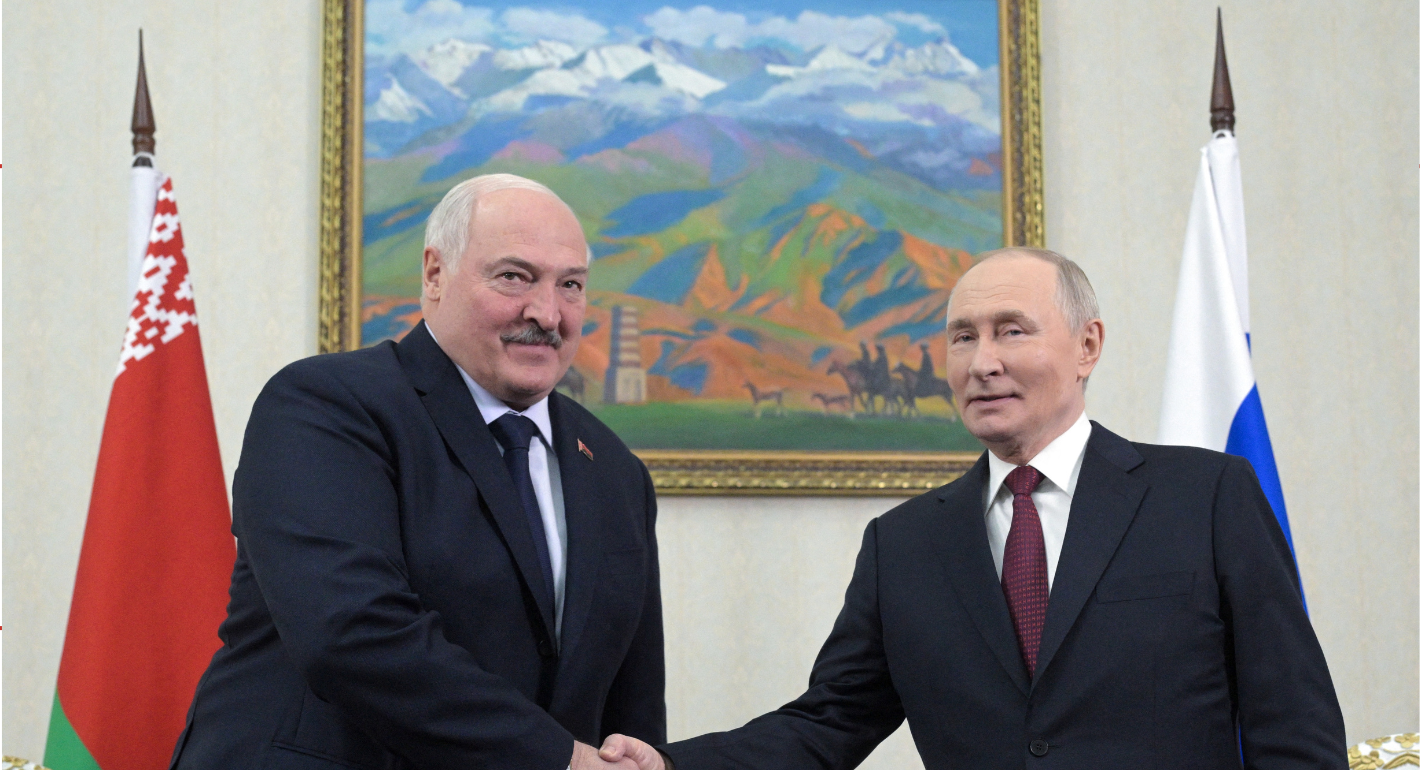
    Taking the Pulse: Is It Time for Europe to Reengage With Belarus?

    In return for a trade deal and the release of political prisoners, the United States has lifted sanctions on Belarus, breaking the previous Western policy consensus. Should Europeans follow suit, using their leverage to extract concessions from Lukashenko, or continue to isolate a key Kremlin ally?

      Thomas de Waal, ed.

  • Commentary
    Strategic Europe
    New Tricks and AI Tools in Hungary’s High-Stakes Election

    Hungarian Prime Minister Viktor Orbán faces his most serious challenge yet in the April 2026 parliamentary elections. All of Europe should monitor the Fidesz campaign: It will use unprecedented methods of electoral manipulation to secure victory and maintain power.

      Zsuzsanna Szelényi

  • Commentary
    Strategic Europe
    The EU and India in Tandem

    As European leadership prepares for the sixteenth EU-India Summit, both sides must reckon with trade-offs in order to secure a mutually beneficial Free Trade Agreement.

      Dinakar Peri

  • Trump speaking to a room of reporters
    Commentary
    Emissary
    Unpacking Trump’s National Security Strategy

    Carnegie scholars examine the crucial elements of a document that’s radically different than its predecessors.

      • Cecily Brewer
      • +18

      James M. Acton, Saskia Brechenmacher, Cecily Brewer, …

  • Commentary
    Strategic Europe
    Europe Faces the Gone-Rogue Doctrine

    The hyper-personalized new version of global sphere-of-influence politics that Donald Trump wants will fail, as it did for Russia. In the meantime, Europe must still deal with a disruptive former ally determined to break the rules.

      Thomas de Waal

Get more news and analysis from
Carnegie Europe
Carnegie Europe logo, white
Rue du Congrès, 151000 Brussels, Belgium
  • Research
  • Strategic Europe
  • About
  • Experts
  • Projects
  • Events
  • Contact
  • Careers
  • Privacy
  • For Media
  • Gender Equality Plan
Get more news and analysis from
Carnegie Europe
© 2026 Carnegie Endowment for International Peace. All rights reserved.