

Commentary
As European leadership prepares for the sixteenth EU-India Summit, both sides must reckon with trade-offs in order to secure a mutually beneficial Free Trade Agreement.
Dinakar Peri

This report was prepared for a conference on the first Chen Shui-bian Administration, held in Annapolis Maryland in May 2005, and sponsored by Harvard University and the School of Oriental and African Studies, University of London.

Such a radical reversal came about as a result of a combination of broad shifts in U.S. foreign policy priorities, domestic political forces in Taiwan, the inexperience and immaturity of the Chen Administration, and perhaps most importantly, a series of personal blunders by President Chen in respect to his management of relations with the White House, and with President Bush in particular. Fundamentally, the mistakes of the first Chen Administration derived to a large extent from a misreading of the U.S. policy dynamic involving Taiwan. Chen placed narrower, short-term domestic political calculations above those fundamental, enduring strategic imperatives that confront every Taiwan government---especially the imperative of maintaining reasonably close and cooperative relations with the U.S.
Carnegie does not take institutional positions on public policy issues; the views represented herein are those of the author(s) and do not necessarily reflect the views of Carnegie, its staff, or its trustees.
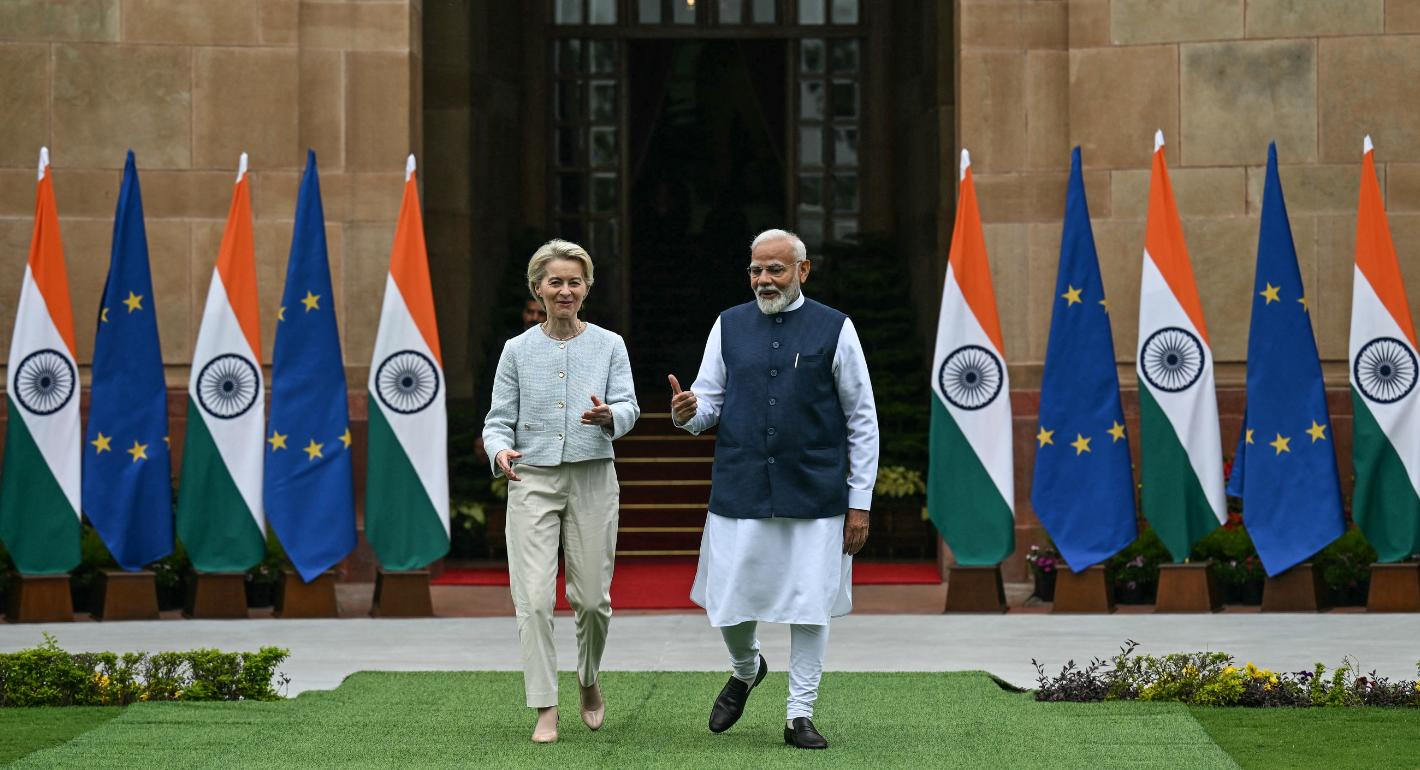
As European leadership prepares for the sixteenth EU-India Summit, both sides must reckon with trade-offs in order to secure a mutually beneficial Free Trade Agreement.

Dinakar Peri
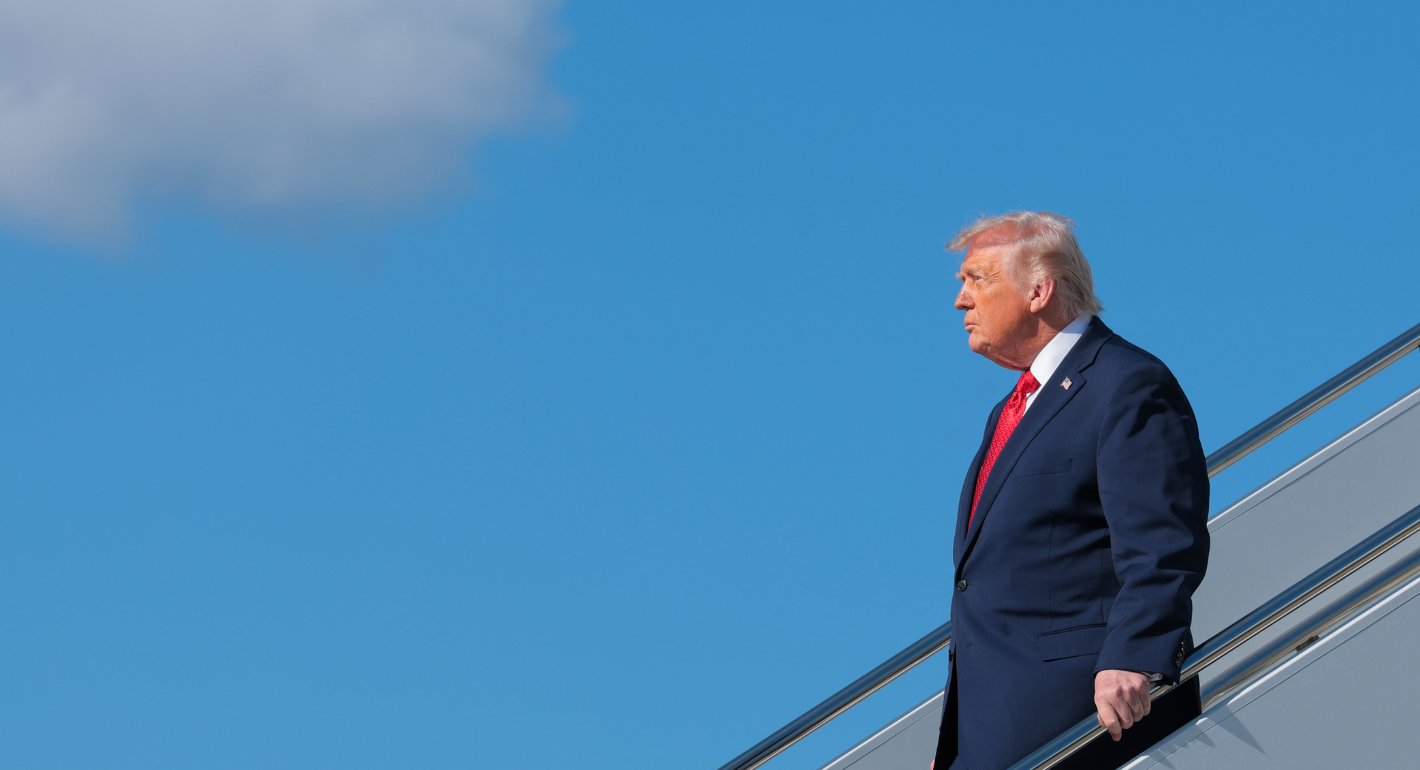
The hyper-personalized new version of global sphere-of-influence politics that Donald Trump wants will fail, as it did for Russia. In the meantime, Europe must still deal with a disruptive former ally determined to break the rules.

Thomas de Waal
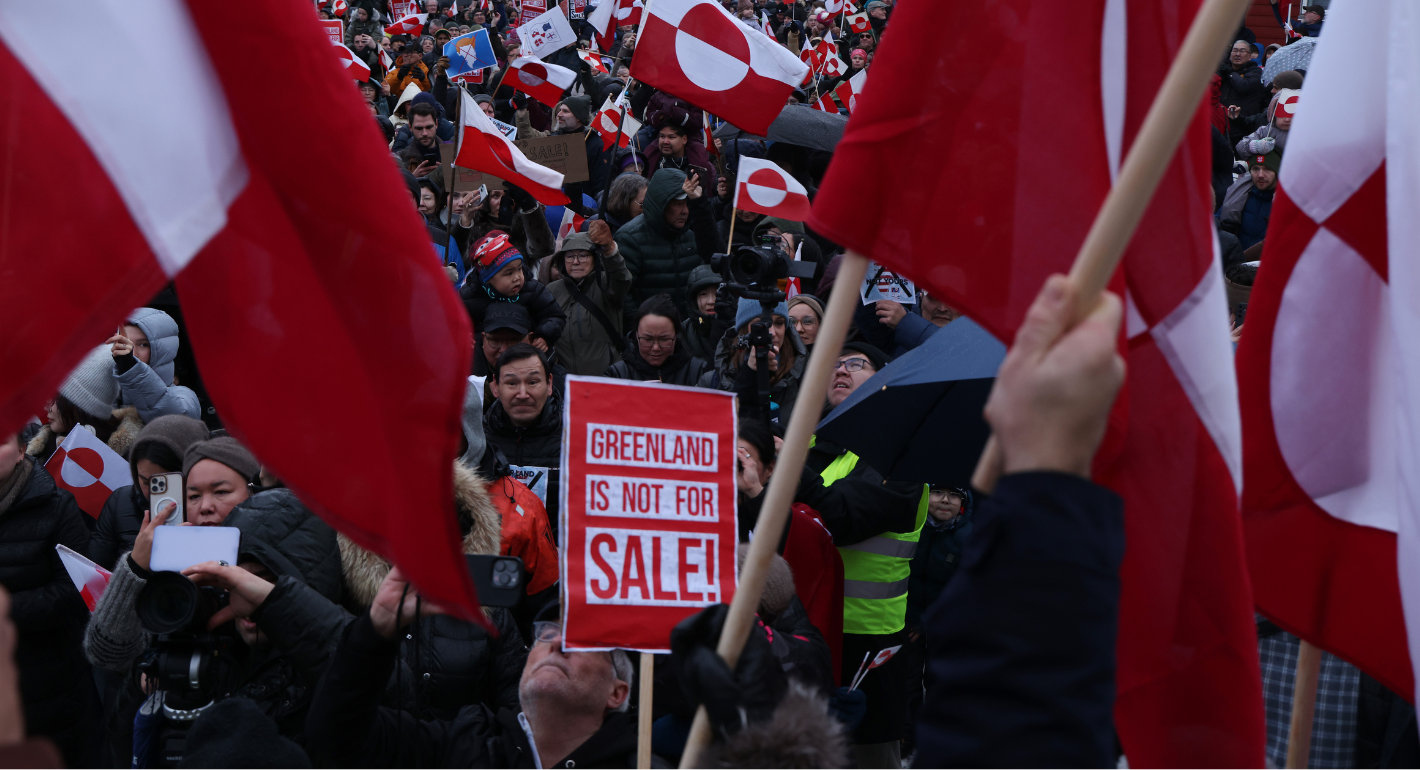
Between Greenland and U.S. interference in Europe’s democracies, transatlantic relations risk rising to an unprecedented level of crisis. Amid continued arguments on how Brussels should react, tough times lie ahead for European leaders.

Marc Pierini
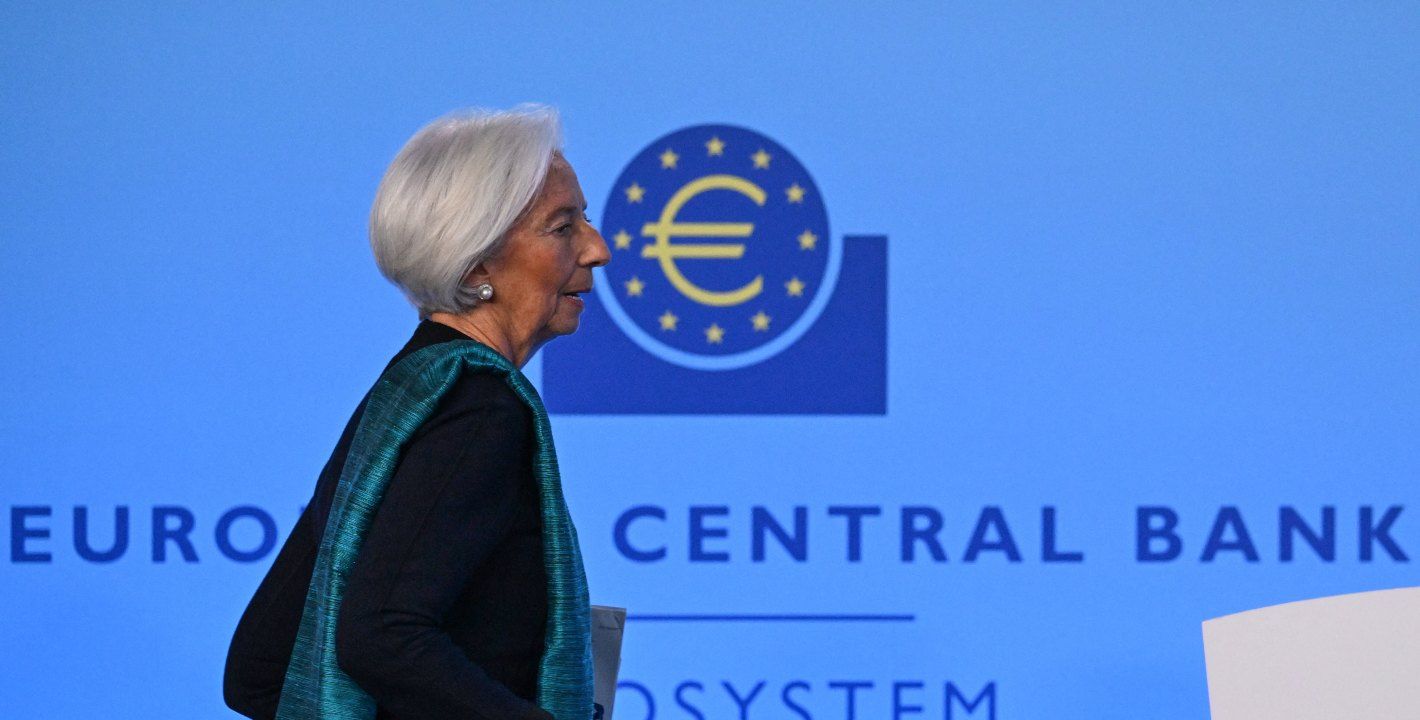
2026 has started in crisis, as the actions of unpredictable leaders shape an increasingly volatile global environment. To shift from crisis response to strategic foresight, what under-the-radar issues should the EU prepare for in the coming year?
Thomas de Waal
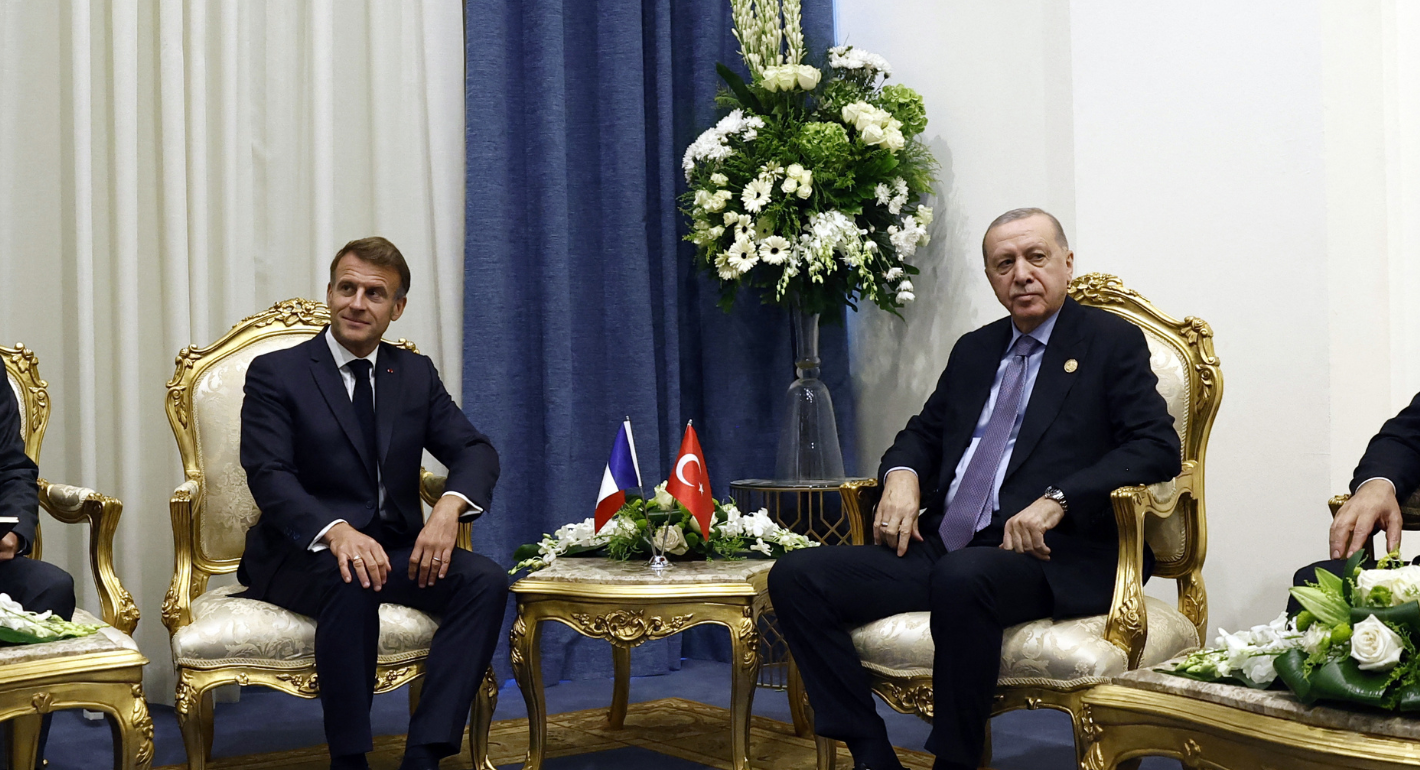
A renewal of relations between France and Turkey is vital to strengthen European strategic autonomy. To make this détente a reality, Paris and Ankara should move beyond personal friction and jointly engage with questions of Black Sea security.
Romain Le Quiniou