

Commentary
Carnegie scholars examine the crucial elements of a document that’s radically different than its predecessors.
- +18
James M. Acton, Saskia Brechenmacher, Cecily Brewer, …
Source: Getty
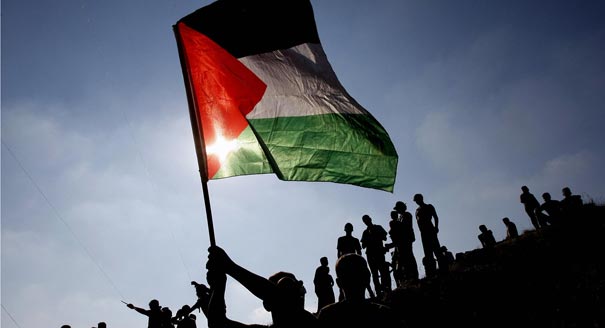
In both the West Bank and Gaza, security sector rebuilding and restructuring occurs without democratic governance and a constitutional order, which threatens not only the region's long-term security but also the ability to achieve Palestinian statehood.
As rival governments in the West Bank and Gaza have sought to strengthen their respective Palestinian Authority Security Force (PASF) sectors in recent years, they have adopted very different approaches. The Fayyad government in the West Bank largely relies on financial and training support from the West, while the Hamas-ruled Gaza, lacking significant outside help, has been forced to streamline its operations.
Although well-intentioned, Western efforts have hindered—rather than helped—West Bank forces, who have received almost $450 million in assistance from the United States and the European Union since 2007. The West’s limited focus on technical rather than political assistance and disjointed overall approach—along with the lack of coherence and autonomy in the West Bank PASF—are largely responsible for the sector’s failure to develop its own training and planning capabilities.
The Gaza PASF, on the other hand, has benefited from the absence of external support. Hamas, rather than outside donors, chooses how to design its policies and programs and set its priorities. As a result of this sense of ownership and efficient approach, its security sector is more integrated, has a clearer chain of command, and has developed more professional training and planning capabilities than the West Bank sector.
But the fundamental problem in both regions is that security sector rebuilding and restructuring occurs without democratic governance and a constitutional order. While the Fayyad government in the West Bank and the Haniah government in Gaza stress a strict adherence to the rule of law and genuine observance of human rights, their lack of constitutional checks and balances—especially weak legislative and judicial oversight—makes this difficult. Civilian control of the security forces is also growing more tenuous, especially as political infighting grows in the West Bank and Islamization increases in Gaza.
This trend will continue unless a number of steps are taken. These include achieving Palestinian “ownership” of security sector development—especially in the West Bank—reintegrating the West Bank and Gaza PASF, assuring government control of security in both areas, and designing a new national security vision by engaging all relevant stakeholders. Otherwise, growing authoritarianism in the region will threaten not only its long-term security but also the ability to achieve Palestinian statehood.
Carnegie does not take institutional positions on public policy issues; the views represented herein are those of the author(s) and do not necessarily reflect the views of Carnegie, its staff, or its trustees.
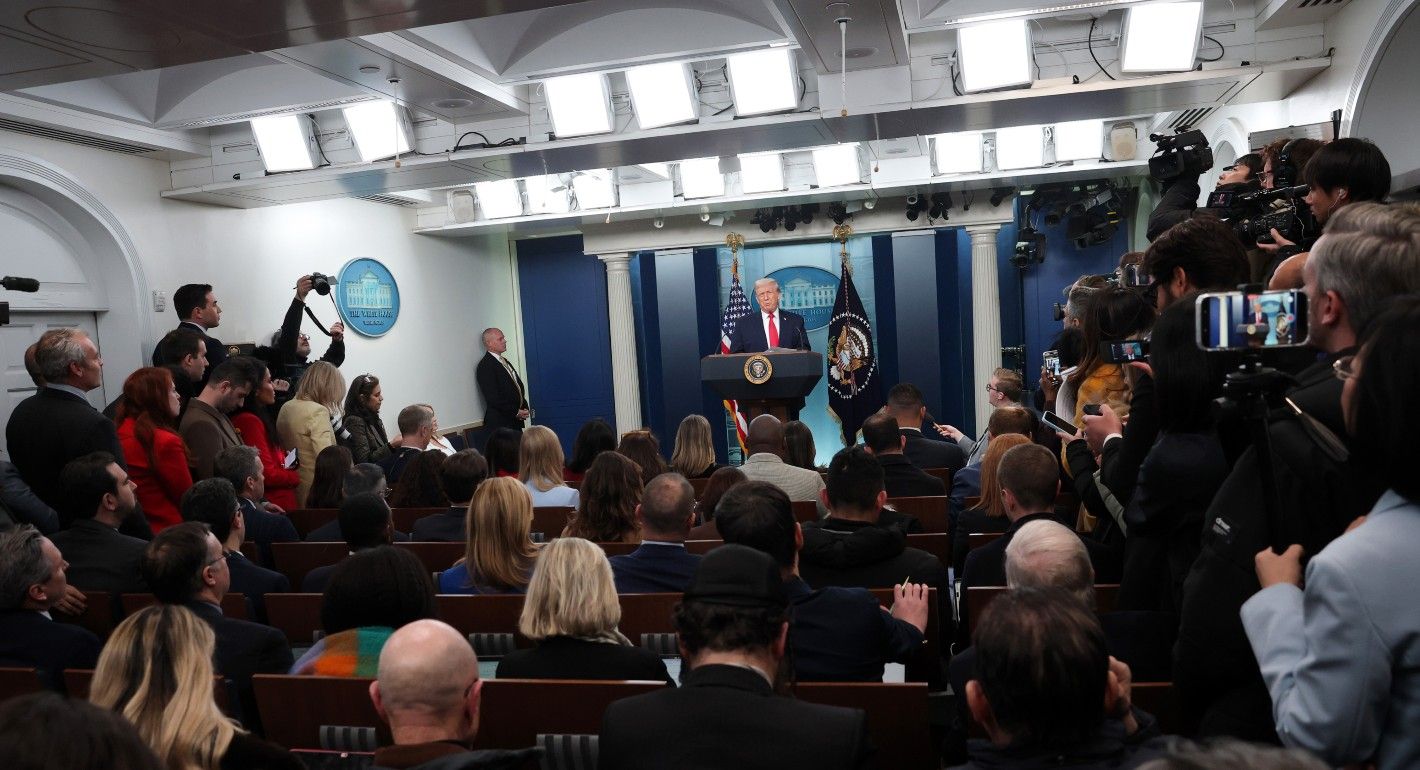
Carnegie scholars examine the crucial elements of a document that’s radically different than its predecessors.



James M. Acton, Saskia Brechenmacher, Cecily Brewer, …

The hyper-personalized new version of global sphere-of-influence politics that Donald Trump wants will fail, as it did for Russia. In the meantime, Europe must still deal with a disruptive former ally determined to break the rules.

Thomas de Waal
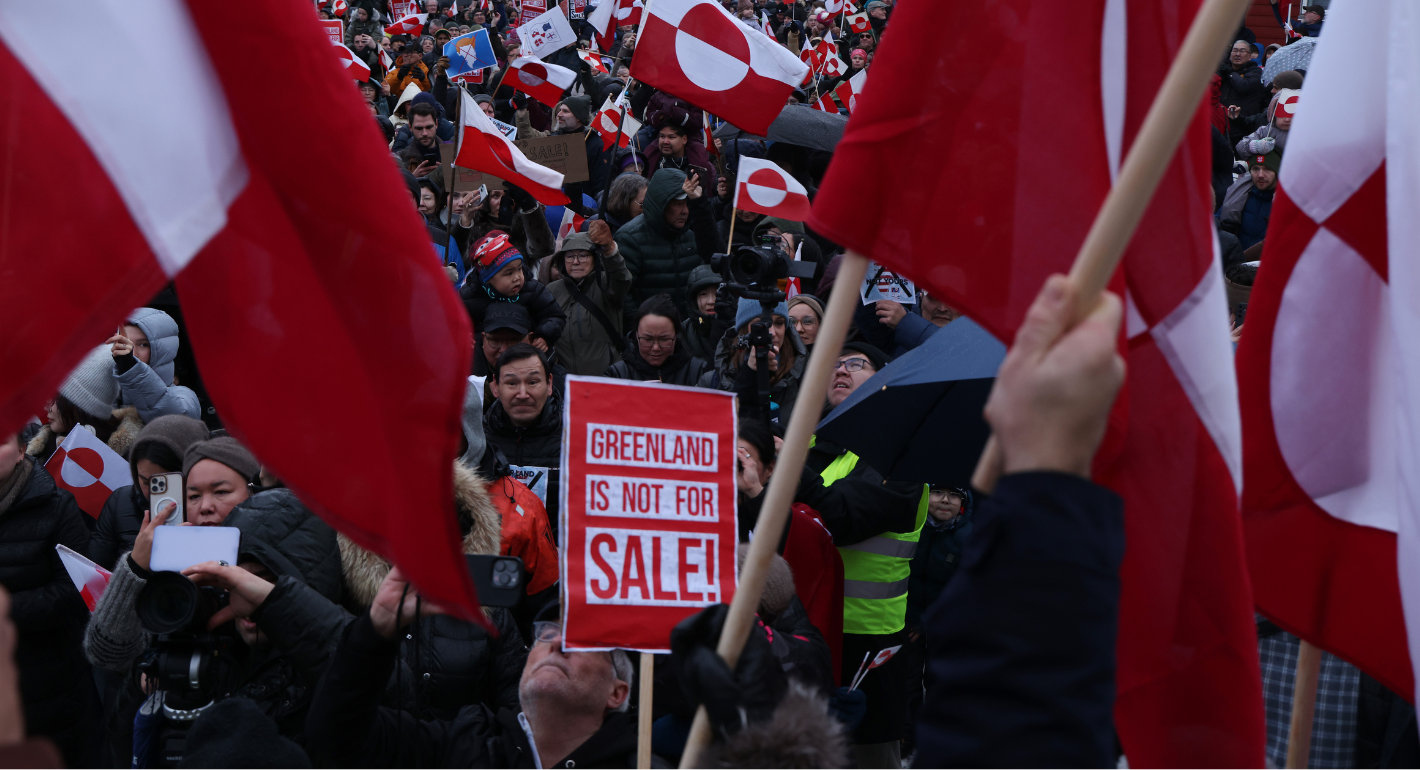
Between Greenland and U.S. interference in Europe’s democracies, transatlantic relations risk rising to an unprecedented level of crisis. Amid continued arguments on how Brussels should react, tough times lie ahead for European leaders.

Marc Pierini
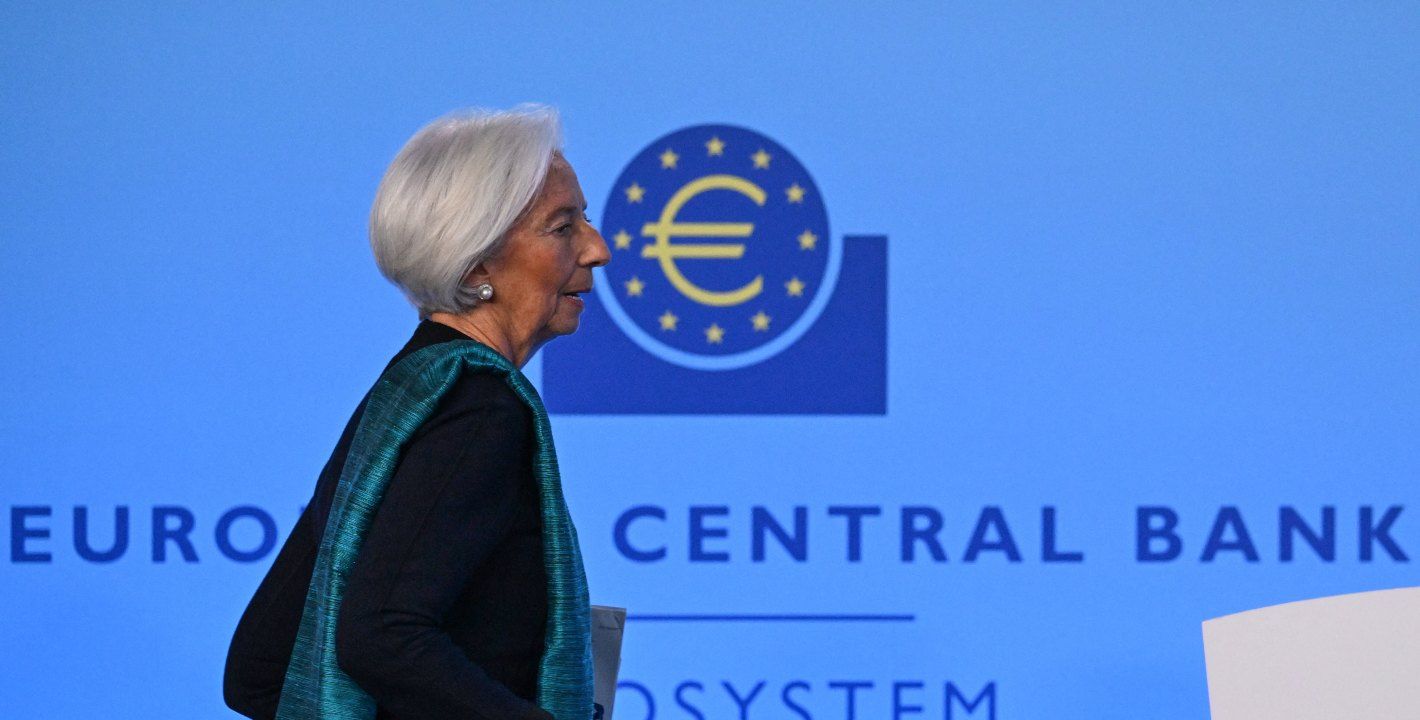
2026 has started in crisis, as the actions of unpredictable leaders shape an increasingly volatile global environment. To shift from crisis response to strategic foresight, what under-the-radar issues should the EU prepare for in the coming year?
Thomas de Waal
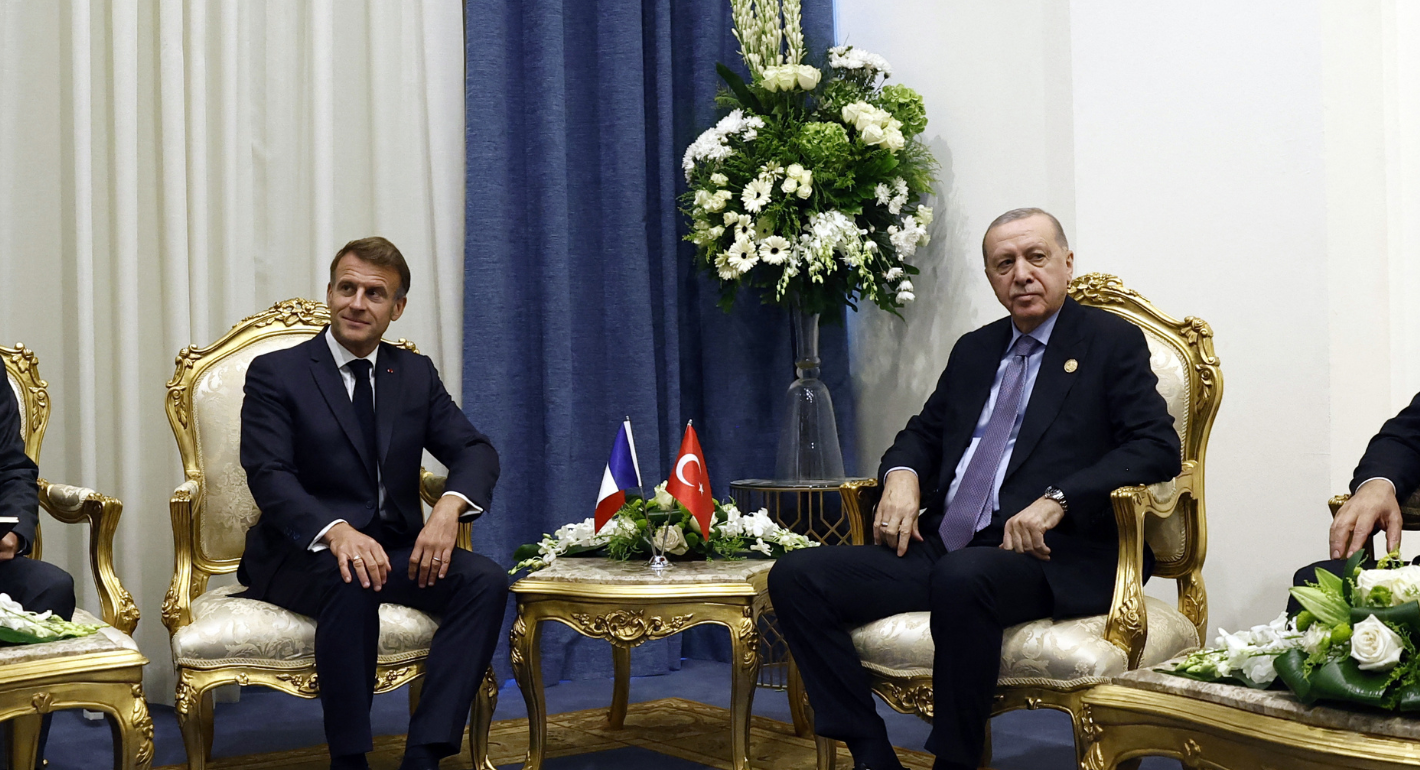
A renewal of relations between France and Turkey is vital to strengthen European strategic autonomy. To make this détente a reality, Paris and Ankara should move beyond personal friction and jointly engage with questions of Black Sea security.
Romain Le Quiniou