

Commentary
As European leadership prepares for the sixteenth EU-India Summit, both sides must reckon with trade-offs in order to secure a mutually beneficial Free Trade Agreement.
Dinakar Peri
{
  "authors": [
    "Sinan Ülgen"
  ],
  "type": "commentary",
  "blog": "Strategic Europe",
  "centerAffiliationAll": "",
  "centers": [
    "Carnegie Endowment for International Peace",
    "Carnegie Europe"
  ],
  "collections": [
    "Turkey’s Transformation"
  ],
  "englishNewsletterAll": "",
  "nonEnglishNewsletterAll": "",
  "primaryCenter": "Carnegie Europe",
  "programAffiliation": "",
  "programs": [],
  "projects": [],
  "regions": [
    "Middle East",
    "Europe",
    "Türkiye"
  ],
  "topics": [
    "Security",
    "Foreign Policy"
  ]
}
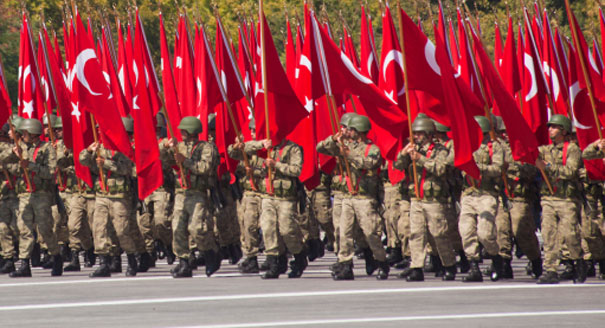
The recent terrorist attack in Ankara is likely to have major ramifications for both the domestic and the regional policies of the Turkish government.
The deadliest terrorist attack ever witnessed in Turkey is set to have significant implications for the domestic as well as the regional policies of the Turkish government.
The attack on October 10 by two suicide bombers who targeted a peace rally in the center of the capital, Ankara, has led to close to 100 casualties as of this writing. The bombing also took place just three weeks before the parliamentary election slated for November 1.
Although the government will be blamed for failures in security and intelligence, the domestic debate may not significantly alter voting patterns, which seem exceedingly resilient: the ruling Justice and Development Party (AKP) looks likely to retain around 40 percent of the popular vote in November’s election, according to recent opinion polls.
The stickiness of voting behavior is a handicap from the standpoint of democratic norms. It essentially means that there is less popular pressure for change. This leads to lower accountability and ownership of responsibility, as evidenced by the behavior of the Turkish body politic following the Ankara tragedy: instead of seeking to discuss the sources of the security vulnerability, Turkey’s politicians opted to enter an acrimonious blame game.
Paradoxically, the October 10 attack may result in more changes to the country’s foreign policy than to its domestic policies.
For one, now that the perpetrators of the attack have been identified as being linked to the self-proclaimed Islamic State, the government will come under pressure to harden its stance toward the radical entity.
Following a July deal with the United States, Turkey had already agreed to take part in the vanguard action against the Islamic State. Turkey’s Incirlik Air Base was opened to aircraft of the international anti–Islamic State coalition. The Turkish Air Force also started to hit Islamic State targets across the border in Syria. But the frequency of these strikes paled in comparison with the attacks carried out by Turkish forces against targets of the insurgent Kurdistan Workers’ Party (PKK).
The big question is how the #AnkaraBombing will impact the election outcome.Tweet This
Arguably, this difference may have stemmed from delays between U.S. and Turkish forces in agreeing on the rules of engagement against the Islamic State, including target acquisition and confirmation modalities. But now, Turkey will be compelled to act much more decisively against the jihadists.
Gone are the days when for fear of retaliation, Ankara favored a less hawkish stance. But the change in Turkey’s Islamic State confrontation strategy could herald a cycle of escalation with the Islamists through the group’s sleeper cells in the country, which are intent on staging more heinous attacks. A formidable challenge awaits the Turkish security and intelligence establishment, which will be asked to preempt this security nightmare.
The palpable Islamic State threat also brings a new sense of urgency regarding the settlement of Turkey’s Kurdish question, which has degenerated since the June 2015 parliamentary election into open conflict between the government and the PKK.
But with the danger of the Islamic State becoming a major domestic issue, the government will be pressed to prioritize the revitalization of settlement talks with the Kurds so that both Turkey and Kurdish elements can better concentrate their efforts on eliminating the Islamic State from the region.
Observers can expect a further impact of the October 10 attack on Ankara’s Syria policy. Already, the Russian military buildup in Syria was a considerable setback for Ankara as it ran counter to many of Turkey’s aims, including not only the establishment of safe havens or no-fly zones but also the agenda of regime change in Damascus.
Now, Ankara will have to rebalance its desire to see Syrian President Bashar al-Assad go with the need to contain the Islamic State—especially to the extent that these two objectives may be incompatible with each other, at least in the short term. Turkey can then be expected to become more effective in pushing for a political settlement to the civil war in Syria, even if that would mean recognizing a role for Assad during the transition phase.
Carnegie does not take institutional positions on public policy issues; the views represented herein are those of the author(s) and do not necessarily reflect the views of Carnegie, its staff, or its trustees.
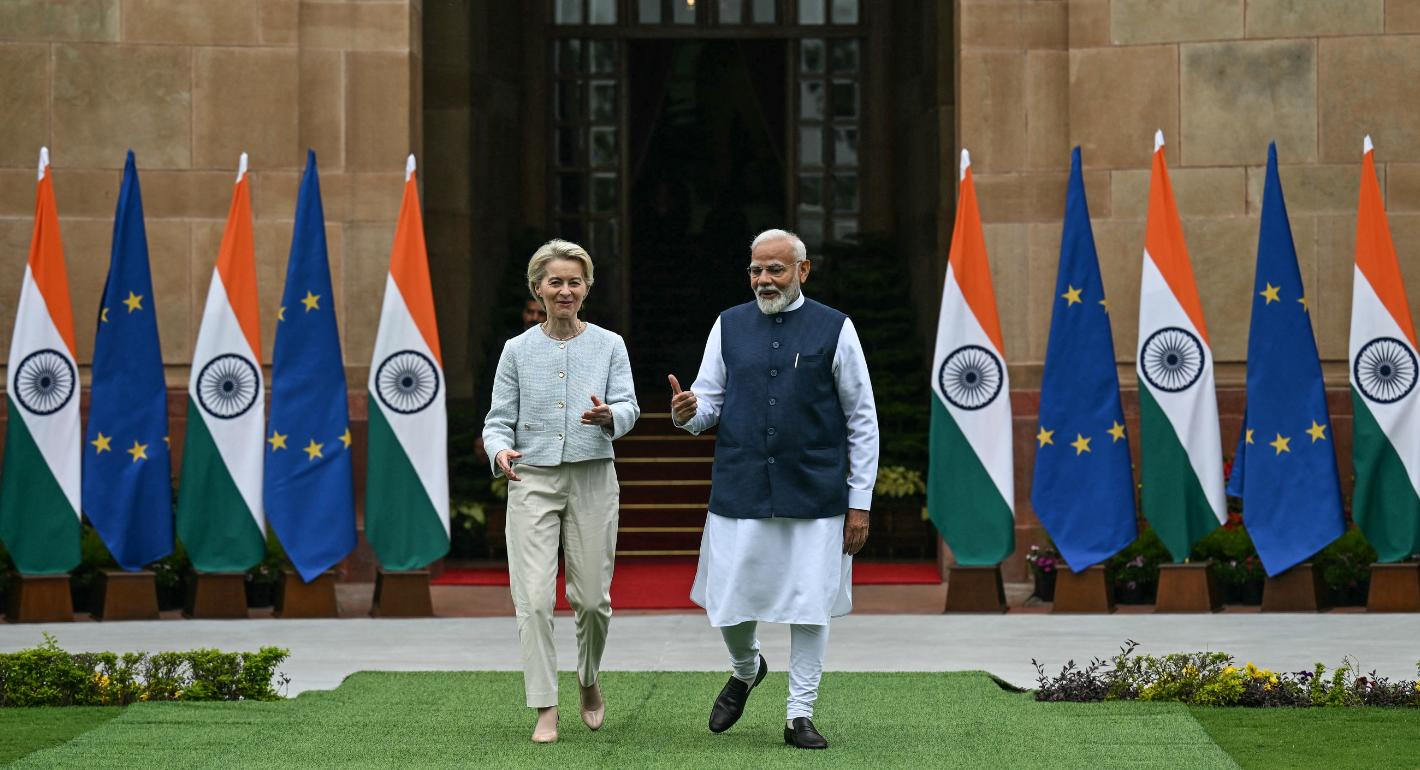
As European leadership prepares for the sixteenth EU-India Summit, both sides must reckon with trade-offs in order to secure a mutually beneficial Free Trade Agreement.

Dinakar Peri
The hyper-personalized new version of global sphere-of-influence politics that Donald Trump wants will fail, as it did for Russia. In the meantime, Europe must still deal with a disruptive former ally determined to break the rules.

Thomas de Waal
2026 has started in crisis, as the actions of unpredictable leaders shape an increasingly volatile global environment. To shift from crisis response to strategic foresight, what under-the-radar issues should the EU prepare for in the coming year?
Thomas de Waal
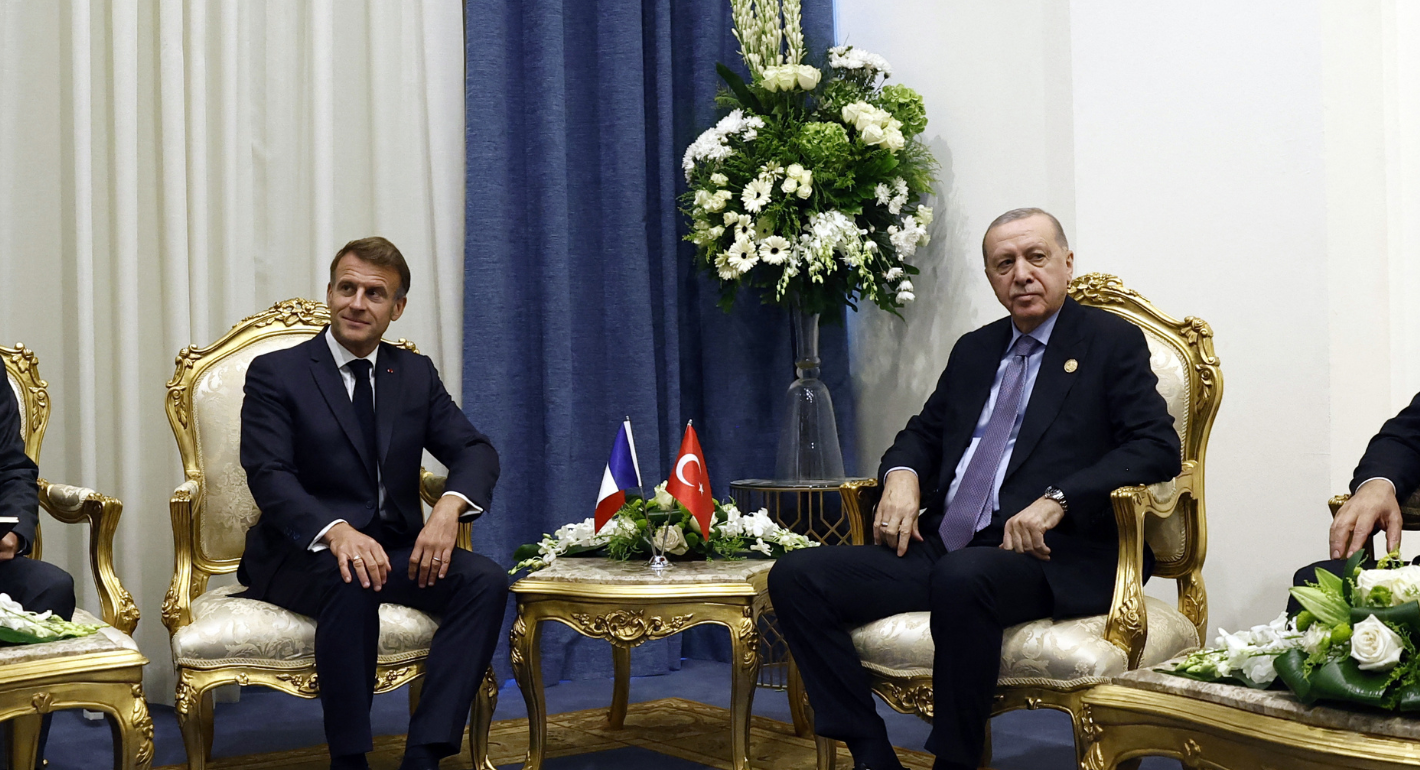
A renewal of relations between France and Turkey is vital to strengthen European strategic autonomy. To make this détente a reality, Paris and Ankara should move beyond personal friction and jointly engage with questions of Black Sea security.
Romain Le Quiniou
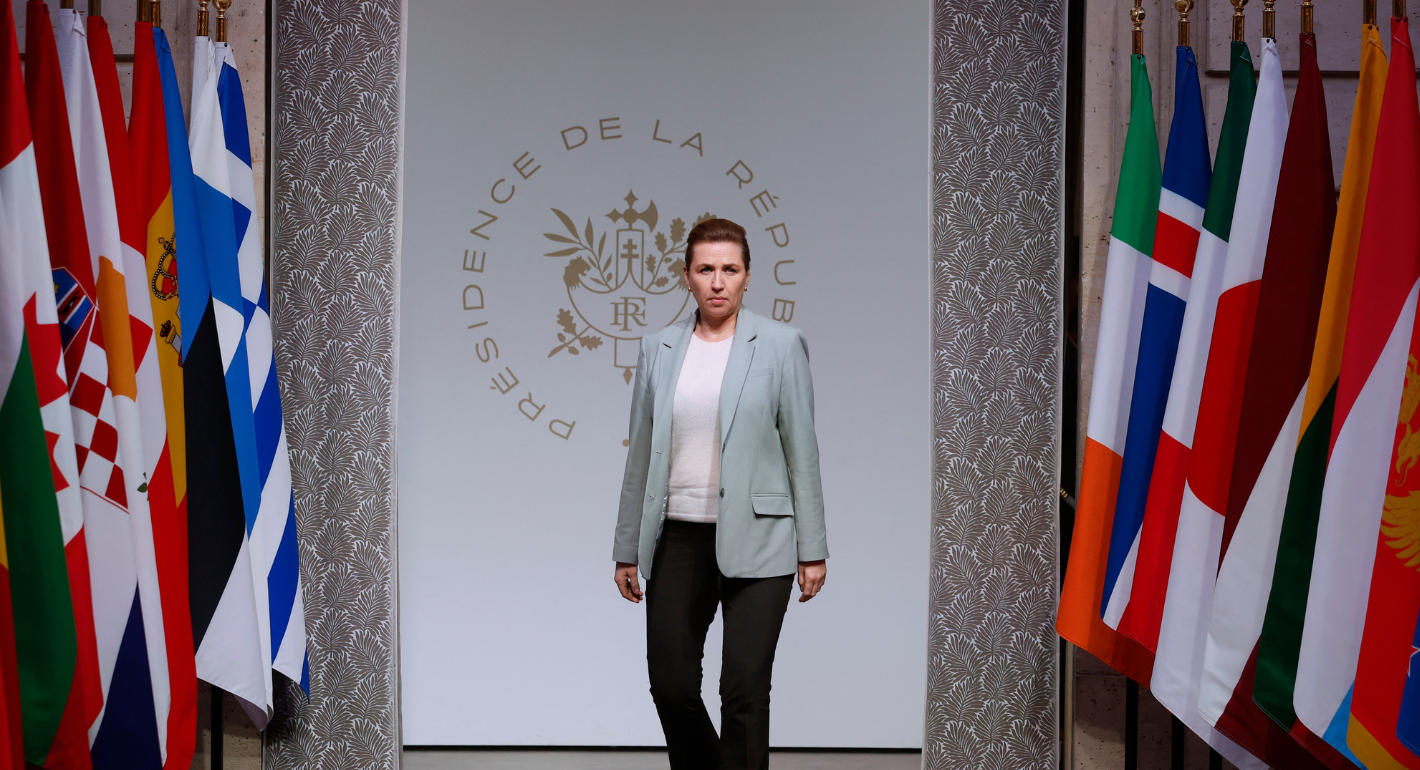
Europe is designing a new model of collective security that no longer relies on the United States. For this effort to succeed, solidarity between member states that have different threat perceptions is vital.

Erik Jones