

Commentary
As European leadership prepares for the sixteenth EU-India Summit, both sides must reckon with trade-offs in order to secure a mutually beneficial Free Trade Agreement.
Dinakar Peri
{
  "authors": [
    "Benjamin Martill",
    "Monika Sus"
  ],
  "type": "commentary",
  "blog": "Strategic Europe",
  "centerAffiliationAll": "",
  "centers": [
    "Carnegie Endowment for International Peace",
    "Carnegie Europe"
  ],
  "collections": [
    "Brexit and UK Politics"
  ],
  "englishNewsletterAll": "",
  "nonEnglishNewsletterAll": "",
  "primaryCenter": "Carnegie Europe",
  "programAffiliation": "",
  "programs": [],
  "projects": [],
  "regions": [
    "Europe",
    "Eastern Europe",
    "Ukraine",
    "Western Europe",
    "Russia"
  ],
  "topics": [
    "Foreign Policy",
    "Security",
    "EU"
  ]
}
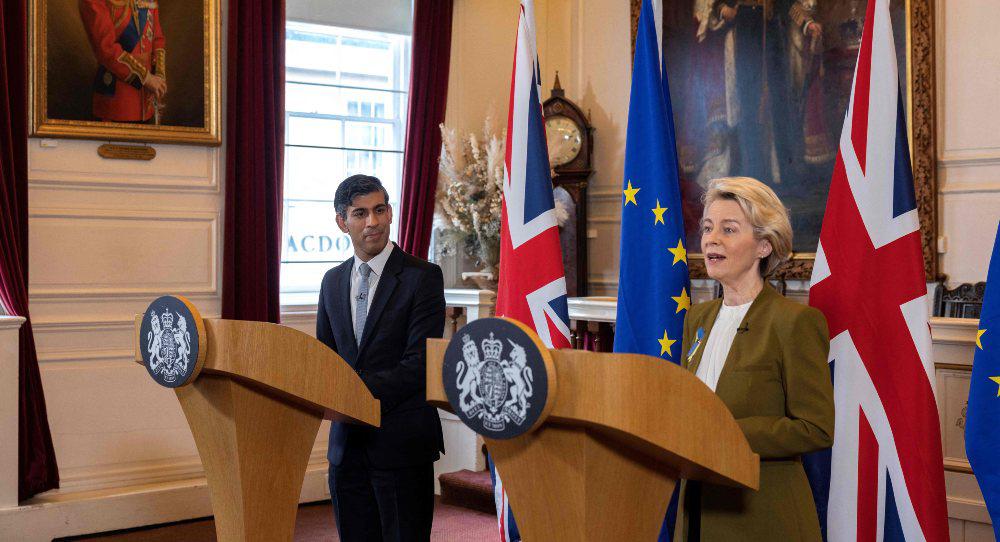
Russia’s war on Ukraine has sparked renewed foreign policy cooperation between London and Brussels. The importance of these ties will only increase if Trump returns to the White House.
This blog is part of ENGAGE, a project that examines challenges to global governance and EU external action. A consortium of thirteen academic institutions and think tanks seeks to assess the EU’s ability to harness all its foreign policy tools and identify ways to strengthen the EU as a global actor.
***
Russia’s invasion of Ukraine in February 2022 brought about unprecedented solidarity across most of the European continent, placing as it did a high value on presenting a common front against President Vladimir Putin’s aggression.
The United Kingdom was a first mover in many respects, providing leadership and acting as an agenda-setter. This was most evident in the decisions to provide ever-more advanced weaponry to Kyiv.
Beyond this, the UK expanded its existing training missions for the Ukrainian armed forces, issued security guarantees to the then prospective NATO members, Finland and Sweden, and worked its diplomatic networks to drum up support for a robust Western response.
The EU, for its part, worked to deploy the various tools in its predominantly civilian arsenal to support Kyiv. Through the European Peace Facility, member states have committed millions of euros of military and non-military aid to Ukraine. The EU has also granted Ukraine and Moldova candidate country status, paving the way for future membership. Moreover, member states have agreed to eleven rounds of sanctions packages, targeting Russian economy.
The collective European effort was buoyed by the cohesion among EU member states—including ostensibly civilian and neutral countries as well as those, like Hungary, who often acted to obstruct EU foreign policy initiatives.
Yet Brexit—Britain’s withdrawal from the EU—has, since January 2021, severed formal ties between the UK and the EU in foreign policy. When Russia invaded Ukraine, policymakers on both sides were still coming to grips with Boris Johnson’s decision in early 2020 not to pursue a formal agreement in foreign, security, and defense policy.
With the Trade and Cooperation Agreement (TCA) not covering foreign policy, the UK had since early 2021 fallen back on bilateral ties with member states and sought to re-establish its credentials as a global—not European—player.
Adding to the difficulties, the UK’s decision not to implement the checks on goods required under the Northern Ireland Protocol and its consistent threats to undermine the Withdrawal Agreement had brought the political and diplomatic relationship with European partners to a low ebb.
Russia’s invasion brought about efforts to renew cooperation in foreign policy. It put intra-European spats into perspective and motivated a robust collective response.
After the invasion, high-level talks took place between Johnson and EU leaders, including European Commission President Ursula von der Leyen and EU High Representative Josep Borrell. The UK foreign secretary at the time attended an extraordinary meeting of the Foreign Affairs Council.
UK personnel were seconded to the clearing house for military equipment destined for Ukraine in Brussels and early talks began on British participation in the Military Mobility project of the EU’s Permanent Structured Cooperation (PESCO). Sanctions cooperation had been ongoing since Brexit, and the UK continued to inform—and implement—the separate packages agreed among the EU member states.
But for all these efforts, Johnson proved a difficult individual partner for the EU to deal with. There was a sense in the EU that the UK was deliberately downplaying the collective European effort in order to bolster the Global Britain image. Moreover, the UK remained keen to shift conversations into alternative frameworks—such as NATO or the G7—where possible and to keep UK-EU cooperation under the political radar. Johnson had campaigned for Britain’s exit from the EU and sought to weasel out of legal commitments made in the EU Withdrawal Agreement.
Johnson’s departure led to an improvement in the political relationship. His immediate successor, Liz Truss, adopted a pragmatic approach that sought to build bridges with European allies, and her warm response to French President Emmanuel Macron’s proposals for a European Political Community helped create a new mood music.
Rishi Sunak, who succeeded Truss after little over a month in office, continued this pragmatic turn whilst also committing to Johnson’s policy of staunch support for Kyiv. Sunak announced a training mission for Ukrainian pilots as well as the transfer of long-range missiles to Ukraine. He also worked behind the scenes toward a diplomatic solution to the Northern Ireland Protocol issues, manifest in the Windsor Framework, agreed in early 2023.
The agreement solved one of the most significant barriers to increased UK-EU cooperation since Brexit and paved the way for an intensification of foreign and security policy cooperation. Although the UK continues to rebuff the offer of structured dialogue with the EU, Sunak’s agreement has empowered officials on both sides to intensify cooperative practices.
While much can be achieved informally, more structured arrangements would allow for deeper cooperation that could be extended to other areas, while reducing inefficiencies and coordination problems and helping to ring-fence cooperative practices from political spats in the future.
Yet the space of elections during 2024 will have important consequences for the Western response to Russia’s war on Ukraine.
Officials on both sides expect the UK-EU relationship to continue to develop in a positive direction in the coming months, regardless of who is in Downing Street. While a Labour government might seek a more structured partnership to signal a closer relationship with the EU, a pragmatic Conservative government would likely seek less formalized means toward the same ends.
Should the U.S. presidential elections in November produce a second Donald Trump administration, the leadership roles of the UK and the EU would become even more critical to maintaining and coordinating Western efforts. The relationship should be correspondingly strengthened.
A similar logic may indeed apply within the EU should populist representation substantially increase in the European Parliament elections in May, with Britain’s role becoming appreciated even more in European capitals where populist government do not hold sway.
In a nutshell, while the UK may be leading from outside, it continues to play a vital role in the broader Western response. And paradoxically, having gotten Brexit partially out of its system, the UK body politic seems among the most resilient to the risk of war fatigue.

Carnegie does not take institutional positions on public policy issues; the views represented herein are those of the author(s) and do not necessarily reflect the views of Carnegie, its staff, or its trustees.
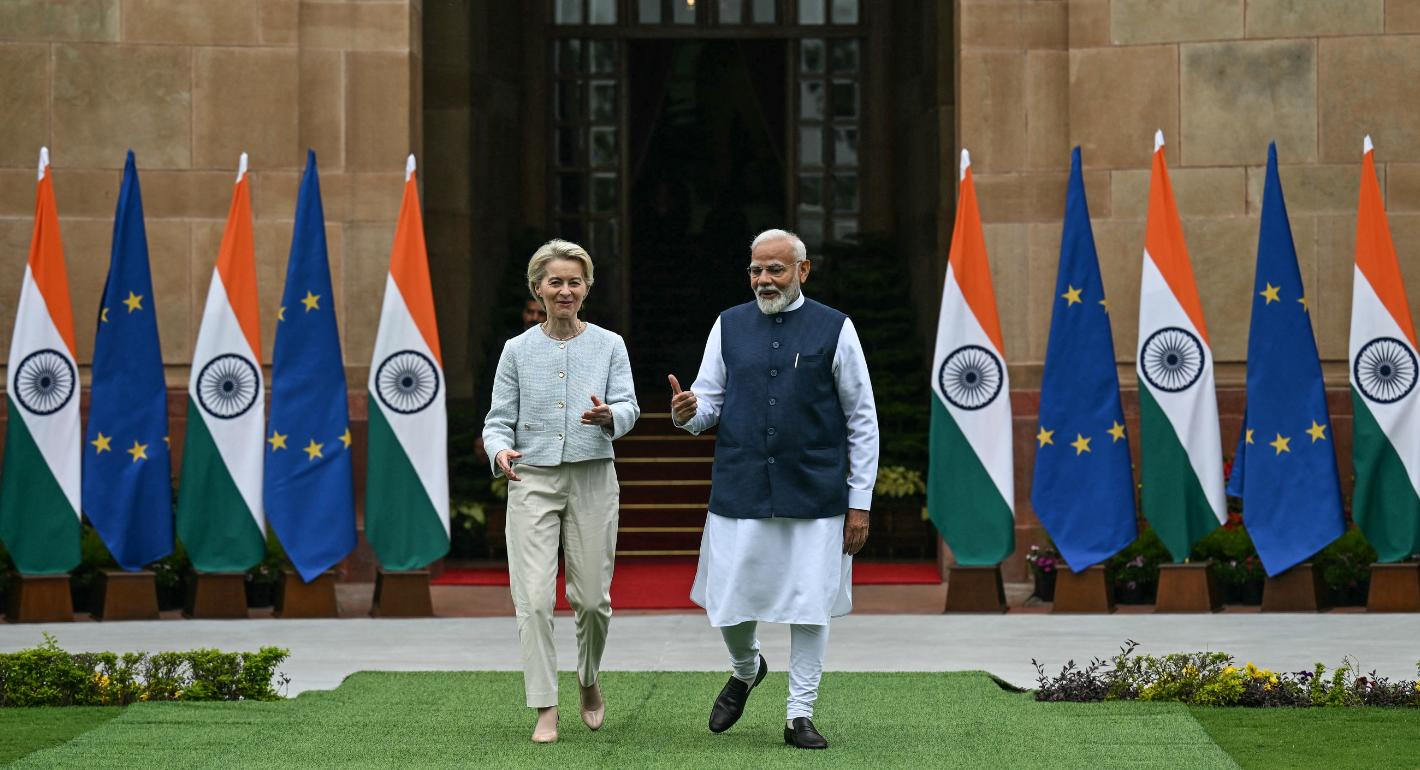
As European leadership prepares for the sixteenth EU-India Summit, both sides must reckon with trade-offs in order to secure a mutually beneficial Free Trade Agreement.

Dinakar Peri
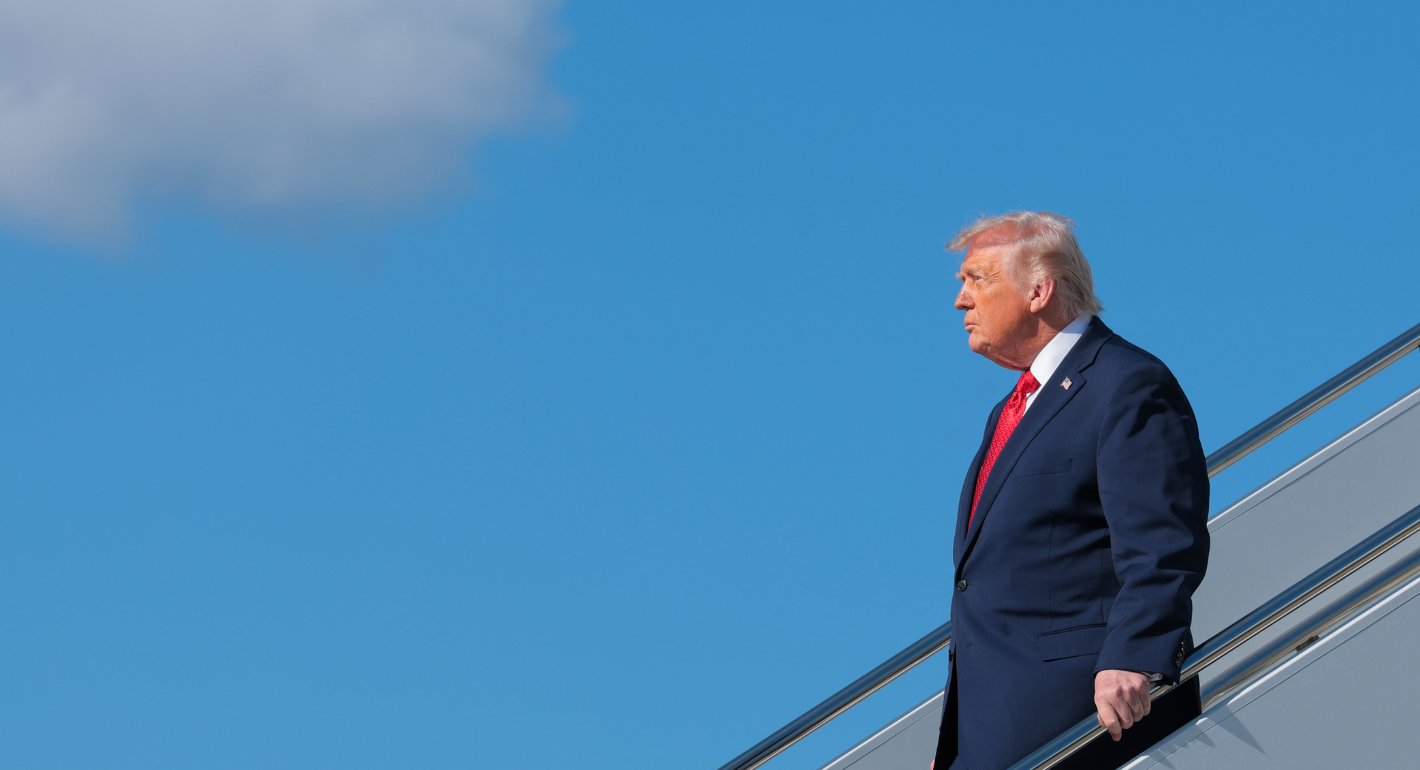
The hyper-personalized new version of global sphere-of-influence politics that Donald Trump wants will fail, as it did for Russia. In the meantime, Europe must still deal with a disruptive former ally determined to break the rules.

Thomas de Waal
2026 has started in crisis, as the actions of unpredictable leaders shape an increasingly volatile global environment. To shift from crisis response to strategic foresight, what under-the-radar issues should the EU prepare for in the coming year?
Thomas de Waal
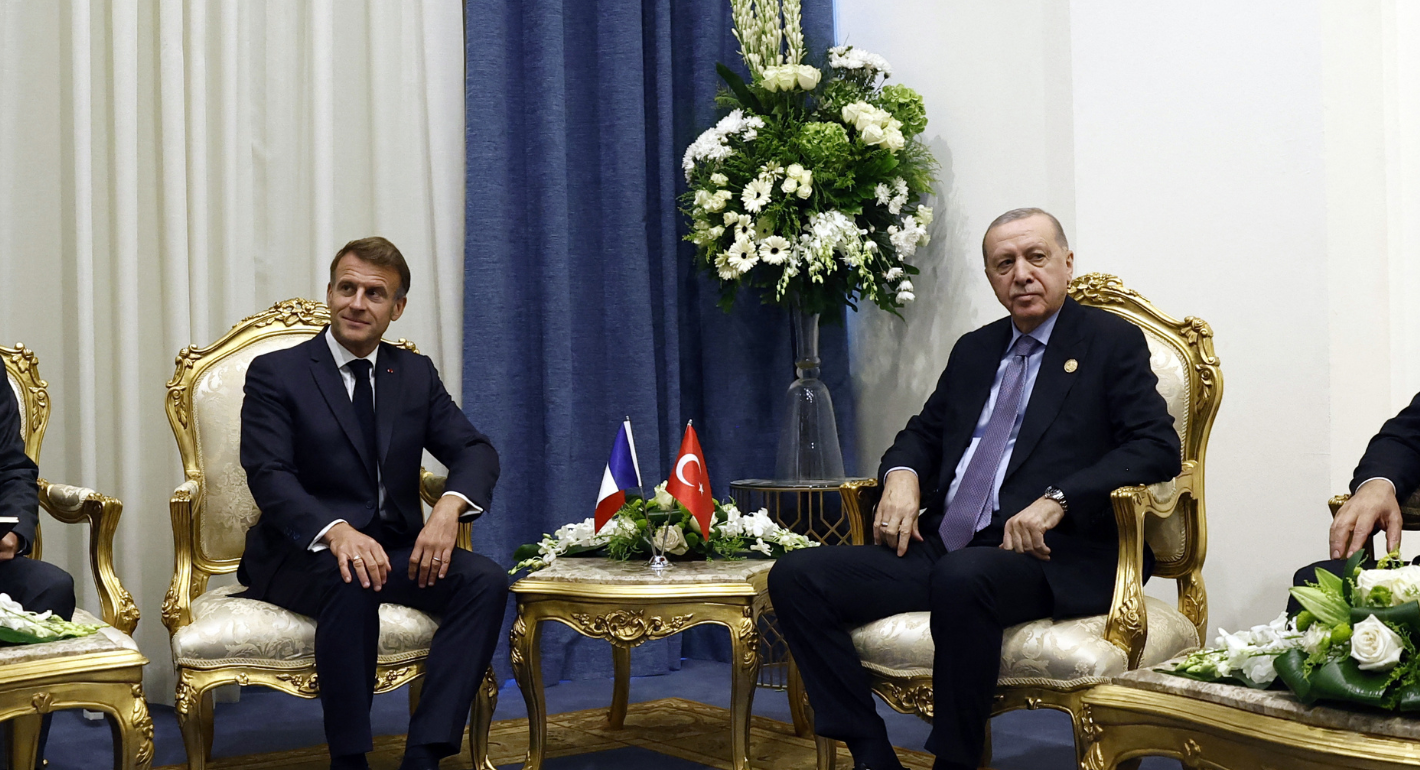
A renewal of relations between France and Turkey is vital to strengthen European strategic autonomy. To make this détente a reality, Paris and Ankara should move beyond personal friction and jointly engage with questions of Black Sea security.

Romain Le Quiniou
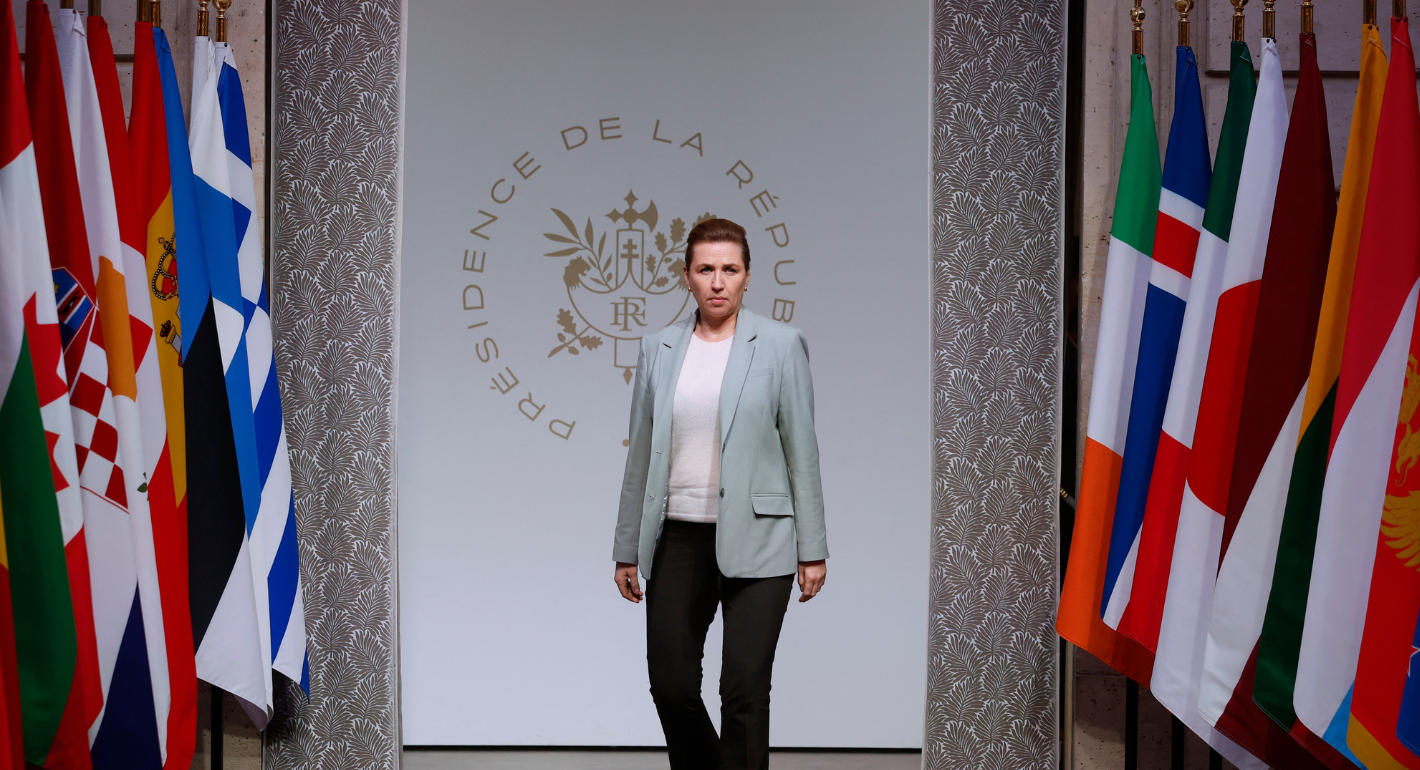
Europe is designing a new model of collective security that no longer relies on the United States. For this effort to succeed, solidarity between member states that have different threat perceptions is vital.

Erik Jones