{
  "authors": [
    "Karim Sadjadpour",
    "Rozita Riazati",
    "Payam Akhavan"
  ],
  "type": "event",
  "centerAffiliationAll": "",
  "centers": [
    "Carnegie Endowment for International Peace"
  ],
  "collections": [],
  "englishNewsletterAll": "",
  "nonEnglishNewsletterAll": "",
  "primaryCenter": "Carnegie Endowment for International Peace",
  "programAffiliation": "",
  "programs": [
    "Middle East"
  ],
  "projects": [],
  "regions": [
    "Middle East",
    "Iran"
  ],
  "topics": [
    "Political Reform",
    "Democracy",
    "Religion"
  ]
}
Film Screening and Discussion: The Baha’is of Iran
Thu, September 12th, 2013
Washington, DC
In Iran’s three-decade history as an Islamic republic, no religious or ethnic minority has endured more persecution than members of the Baha’i faith, who have been labeled “enemies of God” by Iran’s ruling Shiite clergy. Join us for a screening of a documentary film by BBC Persian aimed to educate Iranian audiences about the history of the Baha’i faith, and shed light on the persecution suffered by its members in Iran.
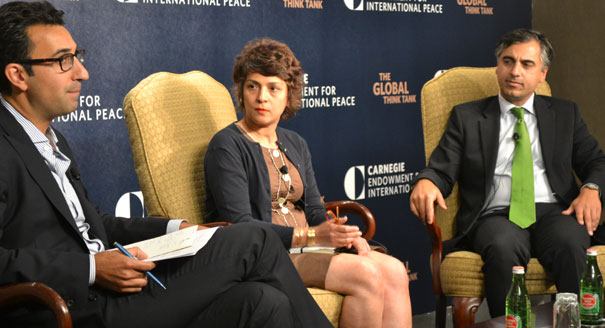
A cocktail reception preceded the film, which was followed by a discussion with prominent Iranian-Canadian human rights lawyer Payam Akhavan and BBC Producer Rozita Riazati, one of the film’s producers, moderated by Carnegie’s Karim Sadjadpour.
Payam Akhavan
Payam Akhavan is professor of international law at McGill University in Montreal, Canada, and senior fellow at the European University Institute in Florence, Italy. He was formerly a UN prosecutor at The Hague and is a founder of the Iran Human Rights Documentation Centre.
Rozita Riazati
Rozita Riazati is a producer with BBC World Service Radio, currently working on its flagship current affairs program, Newshour. She has covered Iran extensively for the BBC, from presidential elections to special projects and daily news, focusing on political, cultural and social issues.
Karim Sadjadpour
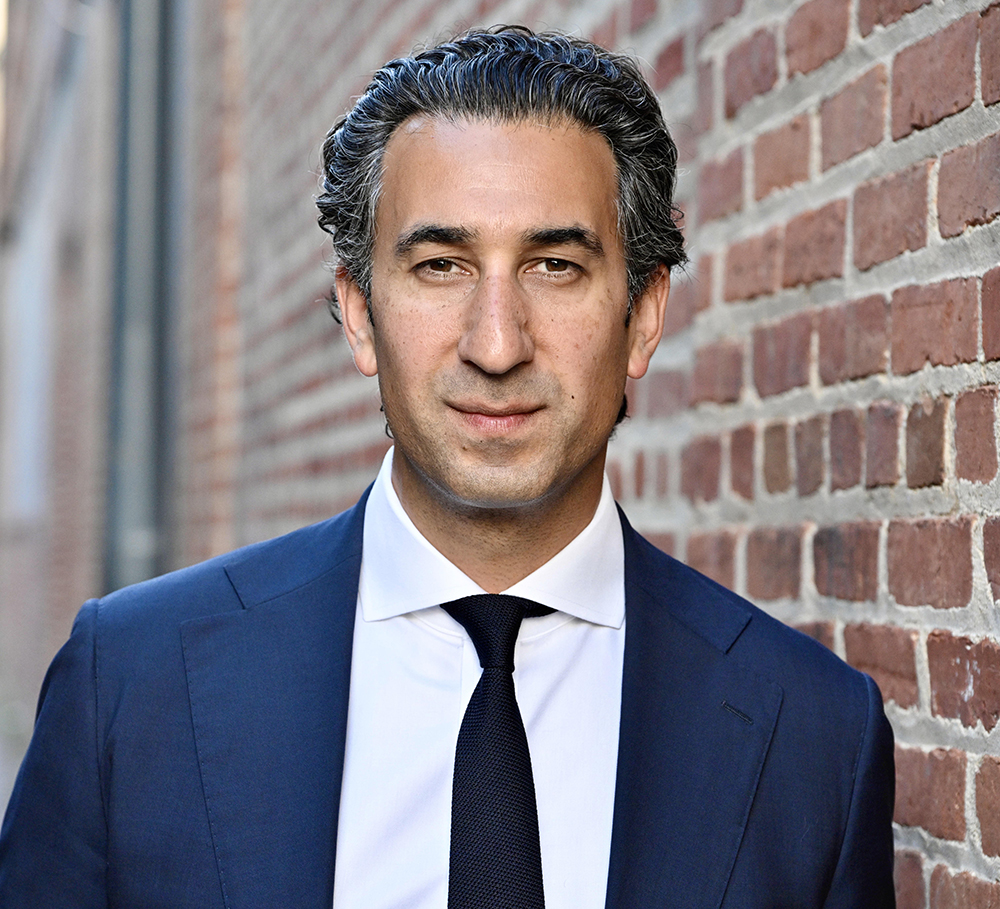
Karim Sadjadpour is a senior associate at the Carnegie Endowment. He joined Carnegie after four years as the chief Iran analyst at the International Crisis Group based in Washington and Tehran, where he conducted dozens of interviews with senior Iranian officials and hundreds with Iranian intellectuals, clerics, dissidents, paramilitaries, businessmen, students, activists, and youth, among others.
Carnegie does not take institutional positions on public policy issues; the views represented herein are those of the author(s) and do not necessarily reflect the views of Carnegie, its staff, or its trustees.