

Commentary
In an interview, Sergei Melkonian discusses Armenia’s and Azerbaijan’s careful balancing act among the United States, Israel, and Iran.
Armenak Tokmajyan
{
  "authors": [
    "Thomas de Waal",
    "Fiona Hill",
    "Wayne Merry"
  ],
  "type": "commentary",
  "centerAffiliationAll": "dc",
  "centers": [
    "Carnegie Endowment for International Peace",
    "Carnegie Europe"
  ],
  "collections": [],
  "englishNewsletterAll": "ctw",
  "nonEnglishNewsletterAll": "",
  "primaryCenter": "Carnegie Europe",
  "programAffiliation": "russia",
  "programs": [
    "Russia and Eurasia"
  ],
  "projects": [],
  "regions": [
    "Caucasus",
    "Russia",
    "Azerbaijan",
    "Armenia",
    "Georgia"
  ],
  "topics": [
    "Foreign Policy"
  ]
}
REQUIRED IMAGE
Twenty years after the disappearance of the Soviet Union, the unresolved conflicts in Nagorno-Karabakh, Abkhazia, and South Ossetia remain one of its most problematic legacies.
Twenty years after the disappearance of the Soviet Union, the unresolved conflicts in the Caucasus remain one of its most problematic legacies. Despite the Organization for Security and Cooperation in Europe’s (OSCE) long mediation in the dispute over Nagorno-Karabakh, the results have been disappointing. After the 2008 Russia-Georgia war and Moscow’s subsequent recognition of the independence of Abkhazia and South Ossetia, the prospects for settling those conflicts seem more remote than ever.
Hosted by the Helsinki Commission, this briefing examined where these conflicts stand today; what factors impede a settlement; whether the resumption of armed hostilities is a serious threat; whether changes in the negotiating format might yield a better outcome; and what, if anything, could the United States do to facilitate a resolution.

Senior Fellow, Carnegie Europe
De Waal is a senior fellow at Carnegie Europe, specializing in Eastern Europe and the Caucasus.
Fiona Hill
Fiona Hill is a senior fellow in the Center on the United States and Europe within the Foreign Policy program at the Brookings Institution. She is the Chancellor of Durham University in the United Kingdom and is a member of the Harvard University Board of Overseers.
Wayne Merry
Carnegie does not take institutional positions on public policy issues; the views represented herein are those of the author(s) and do not necessarily reflect the views of Carnegie, its staff, or its trustees.
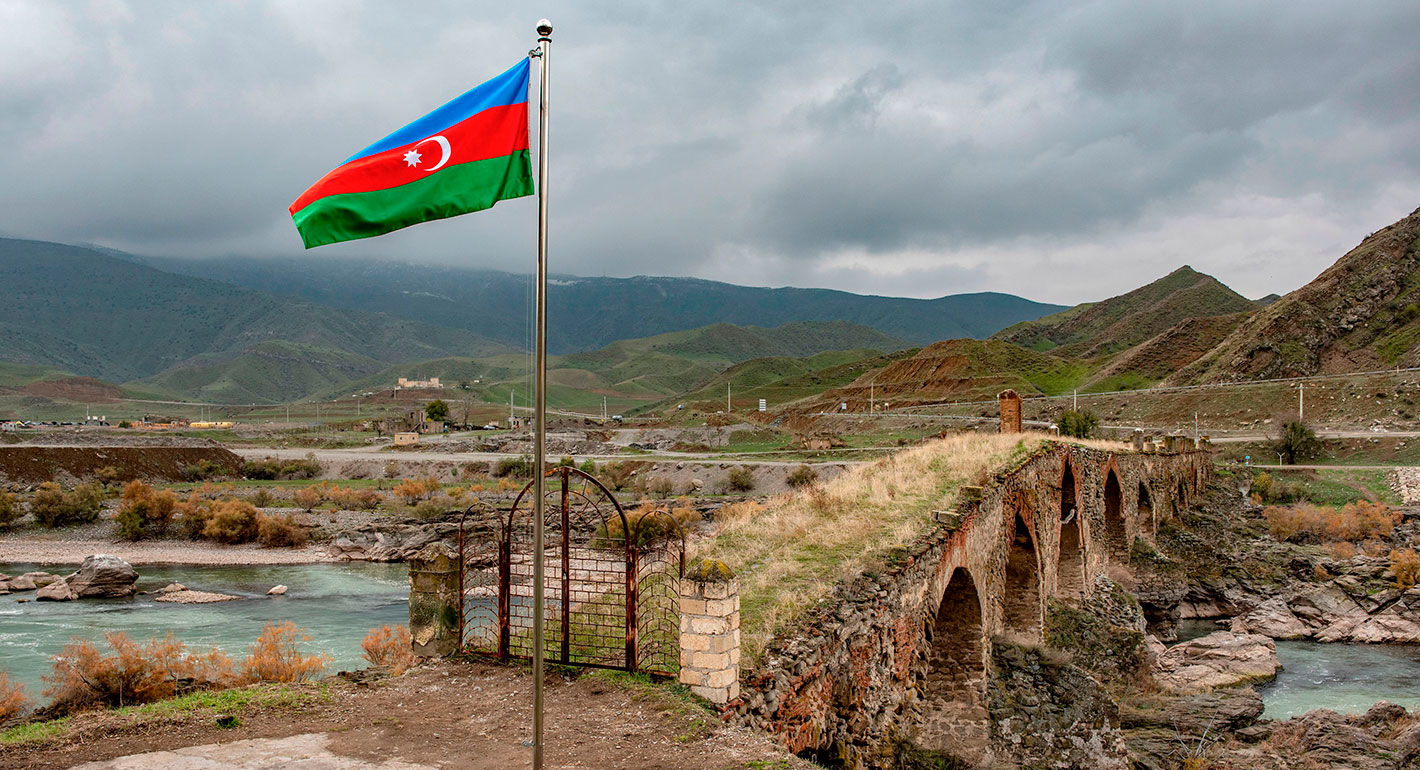
In an interview, Sergei Melkonian discusses Armenia’s and Azerbaijan’s careful balancing act among the United States, Israel, and Iran.

Armenak Tokmajyan

Just look at Iraq in 1991.

Marwan Muasher

A coalition of states is seeking to avert a U.S. attack, and Israel is in the forefront of their mind.

Michael Young

Baku may allow radical nationalists to publicly discuss “reunification” with Azeri Iranians, but the president and key officials prefer not to comment publicly on the protests in Iran.

Bashir Kitachaev
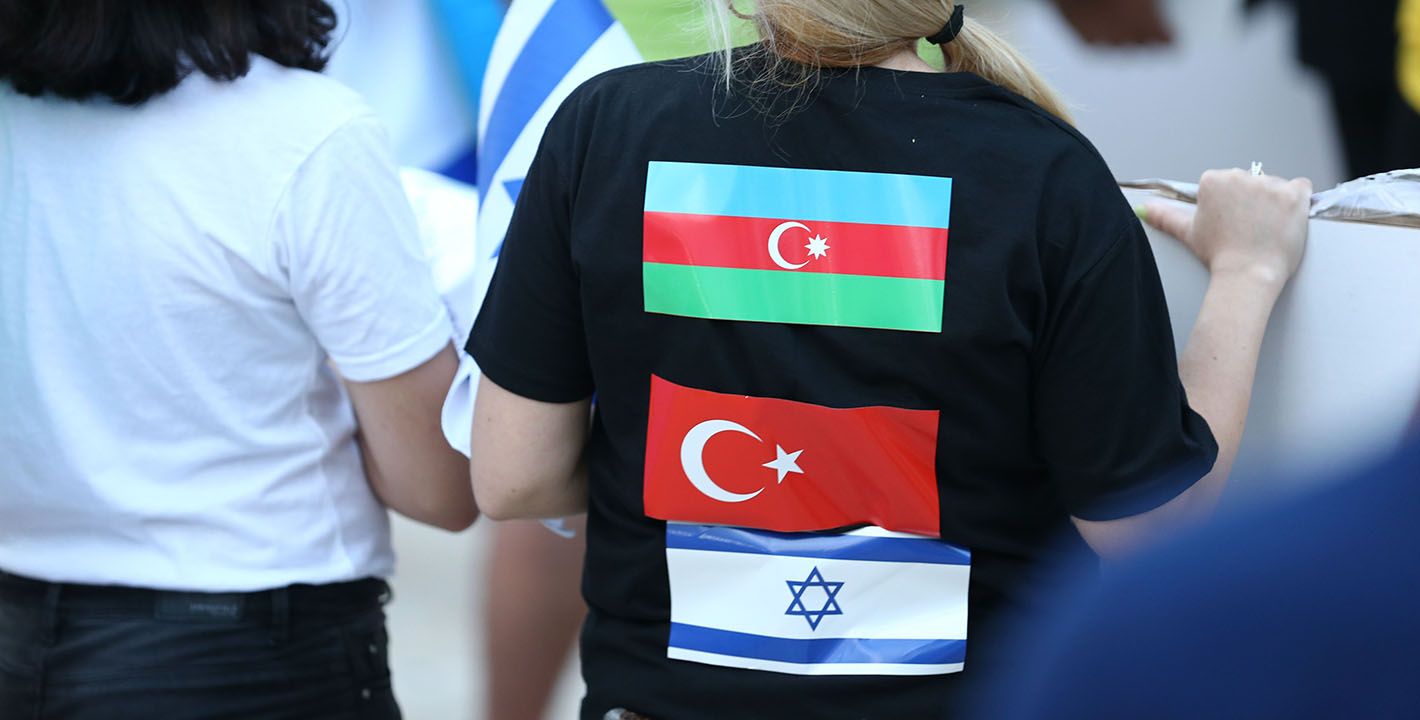
The country’s leadership is increasingly uneasy about multiple challenges from the Levant to the South Caucasus.
Armenak Tokmajyan