• Research
  • Emissary
  • About
  • Experts
Carnegie Global logoCarnegie lettermark logo
Democracy
  • Donate
{
  "authors": [],
  "type": "pressRelease",
  "centerAffiliationAll": "",
  "centers": [
    "Carnegie Endowment for International Peace"
  ],
  "collections": [],
  "englishNewsletterAll": "",
  "nonEnglishNewsletterAll": "",
  "primaryCenter": "Carnegie Endowment for International Peace",
  "programAffiliation": "",
  "programs": [],
  "projects": [],
  "regions": [],
  "topics": []
}
REQUIRED IMAGE

REQUIRED IMAGE

Press Release

Press Release: Chechnya: Massive Roadblock to Russian Progress

Link Copied
Published on Nov 19, 2003

FOR IMMEDIATE RELEASE: Novemeber 19, 2003

With Duma elections in early December and the recent arrest of Mikhail Khodorkovsky, there has been much speculation on the evolving presidency of Vladimir Putin and the future of Russia. In a new policy brief, Dmitri Trenin argues that a full picture of Russia’s future must consider the situation in Chechnya. In The Forgotten War: Chechnya and Russia’s Future he says that the Bush and Putin administrations have misleadingly folded Chechnya into the war on terror, when it’s really a massive roadblock hampering Russian modernization and transformation.

While labeling Chechnya as a terrorism problem is a mistake, critics have done little better by defining Chechnya as a human rights challenge. The perennial conflict in the Caucasus affects Russian policy, Russian society, and Russia’s quality as an U.S. ally. The conflict is hampering the formation of a civic Russian nation, gives undue influence to the military and security services, and blocks meaningful military reform. The policy brief outlines potential solutions for Russian leaders and urges both the U.S. and Russian administration to understand that the Chechen war is denying Russia international prestige and power.

Prior to September 11th, George W. Bush depicted Russia’s war with Chechnya as “gruesome,” an “atrocious violations of human rights,” and a “brutal military operation.”  In 2002, he softened his position, saying Putin “handled it as best he could. He did what he had to do to save life.”  How did such an abrupt turnabout take place? Where on the spectrum of expressing outrage to lending support should US policy lay?  And what does the Chechnya conflict mean for Russia now and in the future? In this paper, Dmitri Trenin outlines the history of this complicated struggle, with proposed actions by Russian and American leaders.

Read the full brief online at www.carnegieendowent.org/pubs.

Dmitri Trenin is senior associate and deputy director of the Carnegie Moscow Center.  He specializes in Russian foreign and security policy. He retired from the Russian Army in 1993, after a military career that included participation in the strategic arms control negotiations in Geneva.

Carnegie does not take institutional positions on public policy issues; the views represented herein are those of the author(s) and do not necessarily reflect the views of Carnegie, its staff, or its trustees.

More Work from Carnegie Endowment for International Peace

  • Commentary
    Strategic Europe
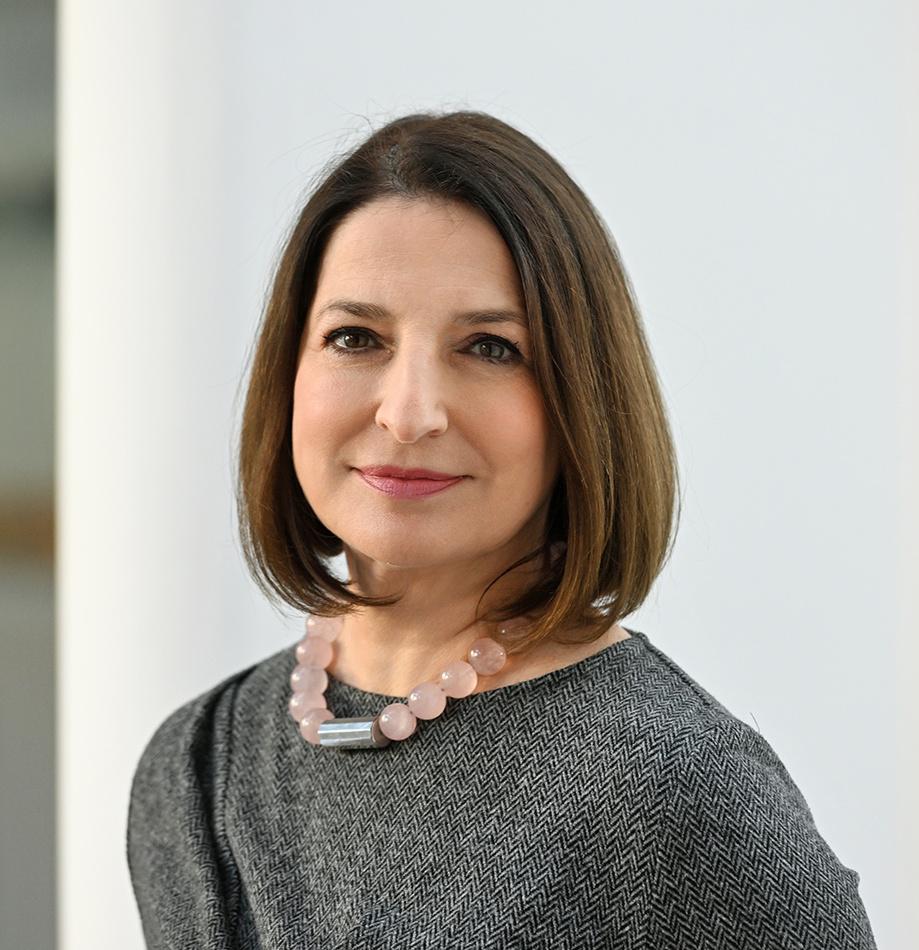
    New Tricks and AI Tools in Hungary’s High-Stakes Election

    Hungarian Prime Minister Viktor Orbán faces his most serious challenge yet in the April 2026 parliamentary elections. All of Europe should monitor the Fidesz campaign: It will use unprecedented methods of electoral manipulation to secure victory and maintain power.

      Zsuzsanna Szelényi
  • Commentary
    Carnegie Politika
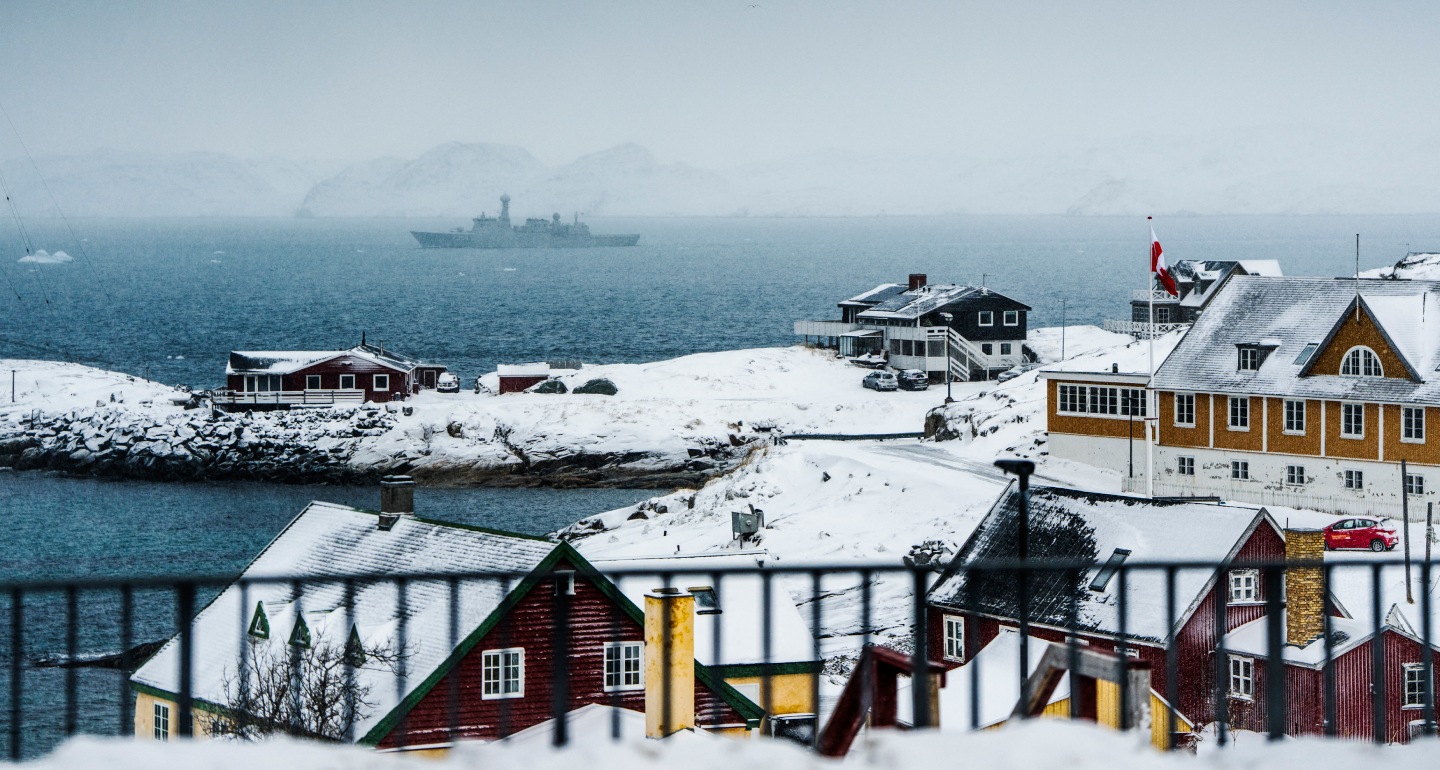
    Is There Really a Threat From China and Russia in Greenland?

    The supposed threats from China and Russia pose far less of a danger to both Greenland and the Arctic than the prospect of an unscrupulous takeover of the island.

      Andrei Dagaev

  • Assessing the International Legality of Nuclear Threats
    Paper
    ‘All Options Are on the Table’: Assessing the International Legality of Nuclear Threats

    There is an urgent need to strengthen the relevant international legal frameworks if they are to protect against threats to use nuclear weapons.

      Anna Hood, Monique Cormier

  • Police standing watch
    Commentary
    Emissary
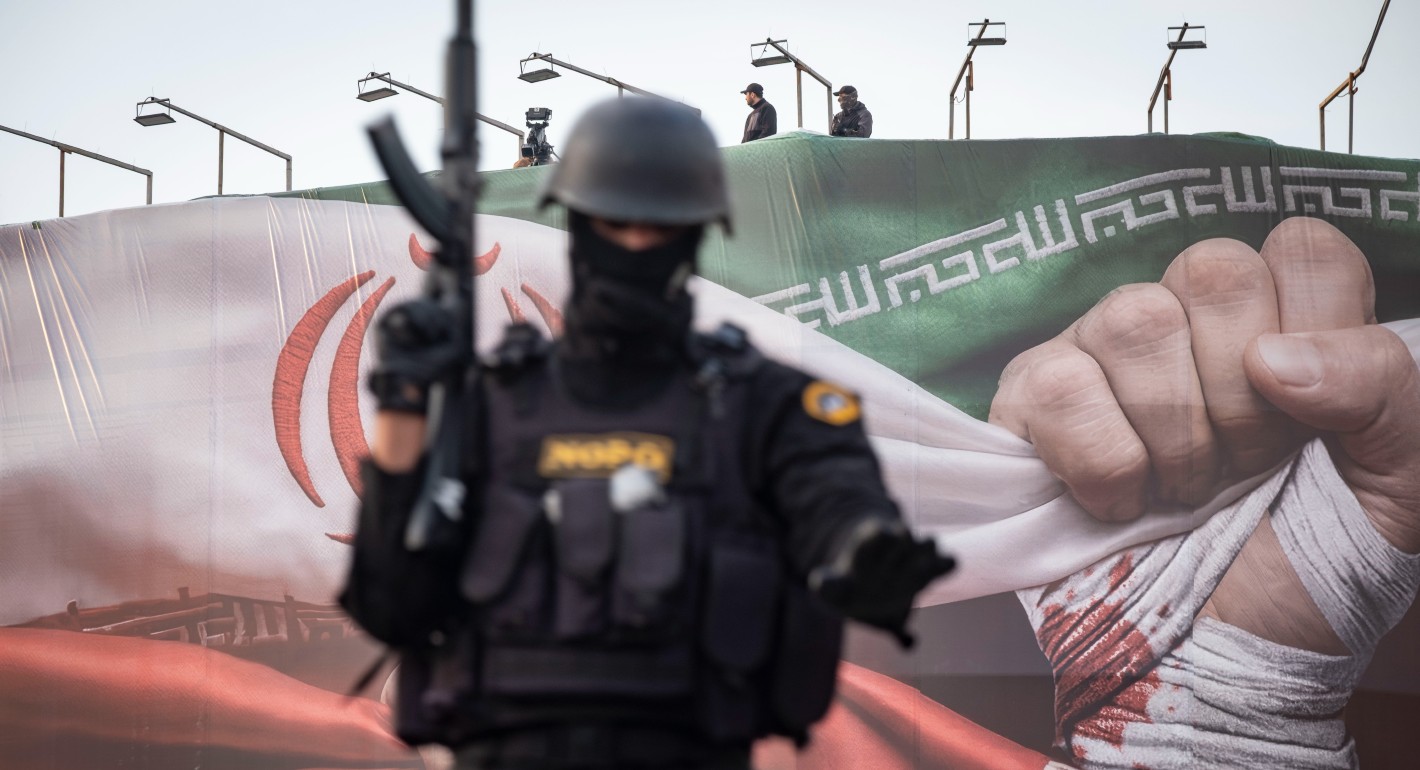
    What’s Keeping the Iranian Regime in Power—for Now

    A conversation with Karim Sadjadpour and Robin Wright about the recent protests and where the Islamic Republic might go from here.

      Aaron David Miller, Karim Sadjadpour, Robin Wright

  • Commentary
    Diwan
    All or Nothing in Gaza

    Implementing Phase 2 of Trump’s plan for the territory only makes sense if all in Phase 1 is implemented.

      Yezid Sayigh

Get more news and analysis from
Carnegie Endowment for International Peace
Carnegie global logo, stacked
1779 Massachusetts Avenue NWWashington, DC, 20036-2103Phone: 202 483 7600Fax: 202 483 1840
  • Research
  • Emissary
  • About
  • Experts
  • Donate
  • Programs
  • Events
  • Blogs
  • Podcasts
  • Contact
  • Annual Reports
  • Careers
  • Privacy
  • For Media
  • Government Resources
Get more news and analysis from
Carnegie Endowment for International Peace
© 2026 Carnegie Endowment for International Peace. All rights reserved.