

Commentary
Six months into the conflict, Hamas continues to challenge the Israeli army—raising questions about Israel’s ability to eradicate the group.
Reham Owda
{
  "authors": [
    "Jonathan Adler"
  ],
  "type": "commentary",
  "blog": "Sada",
  "centerAffiliationAll": "",
  "centers": [
    "Carnegie Endowment for International Peace"
  ],
  "collections": [
    "The Gaza War and Regional Reverberations"
  ],
  "englishNewsletterAll": "",
  "nonEnglishNewsletterAll": "",
  "primaryCenter": "Carnegie Endowment for International Peace",
  "programAffiliation": "",
  "programs": [
    "Middle East"
  ],
  "projects": [],
  "regions": [],
  "topics": []
}
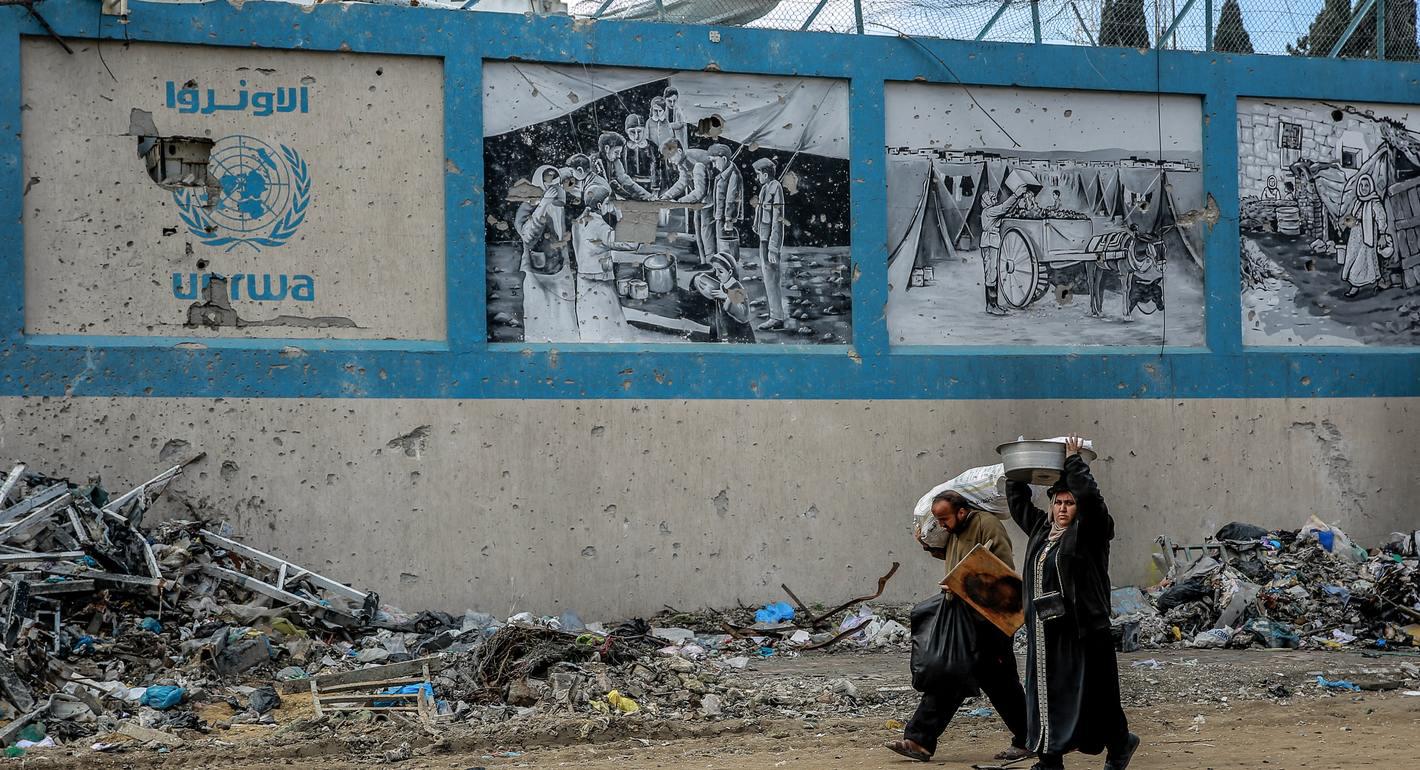
Defunding the agency not only will worsen the humanitarian crisis in Gaza, but also will have long-term implications for Palestinian self-governance.
In its entire 74-year history, the United Nations Relief and Works Agency for Palestinian Refugees (UNRWA) has not faced a more difficult period than the past four months. Since October 7, the agency has endured a sustained assault on its operations, staff, and very existence in the Gaza Strip. There have been 170 recorded Israeli airstrikes on UNRWA facilities, including schools, training centers, and shelters—where more than a million displaced Palestinians have sought temporary refuge, and where at least 396 people have been killed and 1,379 injured. Israeli ministers have prevented aid deliveries from reaching UNRWA, and Israel has repeatedly targeted the agency’s aid convoys inside the strip. And despite their protection under international humanitarian law, over 150 of UNRWA’s own employees in Gaza have been killed and 70 percent of the 13,000 local staff have been displaced.
These physical attacks have been followed by defamatory ones, which may ultimately prove more lethal. On January 26, the UN announced Israel’s allegations that twelve UNRWA employees had taken part in Hamas’ October 7 onslaught. The agency immediately fired the nine employees who were still alive (in violation of the UN’s own policies) and opened an internal investigation. These measures were not enough to prevent sixteen countries—including the United States, UNRWA’s largest donor— from suspending existing or additional funding. Yet according to a Channel 4 investigation, the six-page dossier that Israel provided to major UNRWA donor countries about the allegations contained no evidence to support them. News outlets have reported that some states paused donations without even consulting the dossier, relying only on publicly available information. Nor did Israel provide UNRWA itself with any proof, as the agency’s commissioner-general Phillipe Lazzarini confirmed.
Notably, January 26 was also the day that the International Court of Justice (ICJ) found Israel’s military conduct in Gaza to be plausibly genocidal. Former UNRWA administrator Lex Takkenberg suggested the timing of Israel’s allegations was a “deliberate attempt to undermine the ruling,” and punish UNRWA for its role in producing statements and reports that informed the ICJ’s own findings. Israel has since claimed that thirty more UNRWA employees participated in the October 7 attacks and that the Israeli military found a network of tunnels running underneath the agency’s Gaza headquarters; Lazzarini has responded to these latest accusations by noting that staff left the headquarters on October 12, and that the agency has no capability to monitor underground activity.
In the short term, funding cuts to UNRWA will have a devastating humanitarian impact in Gaza. The UN appointed a former French foreign minister to lead an independent investigation into Israel’s allegations; donor countries might resume aid after an interim report is released in March. But by that time, it could be too late: UNRWA will likely be forced to suspend its operations by the end of February, not only in Gaza but across the Middle East. In Gaza, as Takkenberg noted, UNRWA is “indispensable” as the only agency in the strip with the infrastructure and personnel to aid an entire population on the brink of starvation. In this sense, as multiple analysts have pointed out, donor suspensions constitute collective punishment of millions of Palestinian refugees. Given the ICJ’s order that Israel allow for the provision of urgent humanitarian assistance in Gaza—which can only be done in cooperation with UNRWA—donor countries may find themselves in violation of the Genocide Convention.
Over the longer term, moreover, Israel’s anti-UNRWA offensive may have serious consequences for Gaza’s governance in the “day-after” scenario. With its education and vocational training programs, health care and social service centers, infrastructure improvement schemes, and emergency response capabilities, UNRWA runs what some have called a “quasi-government” throughout its areas of operation. In Gaza alone, the agency administered 183 schools before the war, serving nearly 300,000 Palestinian children, and UNRWA’s local director was known as Gaza’s “governor.” Israel relies heavily on and maintains close coordination with UNRWA, since the agency provides governmental services in the occupied Palestinian territories (OPT) for which Israel itself, as the occupying power, would be otherwise responsible. In fact, it was during a routine monthly meeting between Lazzarini and a top Israeli diplomat that the accusations against UNRWA’s employees first emerged, and every year, UNRWA shares with Israel a list of all its employees in the OPT. This is why some Israeli military leaders have been wary of their government’s effort to defund and shutter UNRWA without a viable alternative. (Ironically, one senior Israel official recently insinuated that the agency has helped facilitate Israel’s war, because without it, the ensuing humanitarian catastrophe would “force Israel to halt its fighting against Hamas.”)
But beyond providing services, UNRWA plays a politically significant role—as an international agency that Palestinians themselves have shaped and operated since its establishment in 1949. In UNRWA’s early years, Palestinian refugees forced the agency to abandon resettlement schemes and redirect its funding towards education. As historian Anne Irfan argues, UNRWA schools emerged as key spaces for developing and transmitting Palestinian nationalism—while school curricula and UNRWA registration cards have served Palestinian refugees across the diaspora as symbols of their common experience. More than 99 percent of the agency’s staff are local to its areas of operation, and most are Palestinian refugees. And, of course, UNRWA has long signified the international commitment to the Palestinian right of return as enshrined in UN Resolution 194. In Irfan’s words, UNRWA should be understood as a “hybrid body, not a top-down institution,” and one that has served as an outspoken representative of Palestinian refugees on the international stage.
Because of UNRWA’s political function—not only as a quasi-government but as a quasi-Palestinian one—the agency has found itself in the crosshairs of Israeli politicians, and well before the most recent allegations surfaced. The Israeli government has now accused UNRWA of being a “Hamas front organization,” implying that it should be completely dismantled, despite the warnings of Israel’s military leaders. Earlier this month, Prime Minister Benjamin Netanyahu told a delegation of UN ambassadors that “UNRWA’s mission has to end,” while Foreign Minister Israel Katz made clear his intention that UNRWA will “not be part of the day after.” In one sense, Netanyahu and Katz are right: any just day-after scenario—both to the current war and the entire Israeli-Palestinian conflict—would see the creation of a Palestinian state and/or the return of Palestinian refugees to their homes, resolutions which would bring UNRWA’s mission to an end. But the Israeli government and Jewish Israeli public is perhaps further than ever before from accepting either of those conditions. What Netanyahu and Katz likely mean is that they believe UNRWA cannot continue to exist as a manifestation of Palestinian identity and self-governance. Nor do they see any need to find its replacement: as the Israeli military squeezes millions of Palestinians into Rafah, creating the conditions for “voluntary migration” out of Gaza, it is increasingly evident that Israel’s day-after vision for Gaza is one in which not only UNRWA has left, but all Palestinians, too.
Jonathan Adler is the Assistant English Editor of Sada and a Hurford Fellow at the Carnegie Endowment for International Peace. His writing has been published in New Lines Magazine, +972, and Middle East Eye, among others. Follow him on X @JRAdler4.
Carnegie does not take institutional positions on public policy issues; the views represented herein are those of the author(s) and do not necessarily reflect the views of Carnegie, its staff, or its trustees.
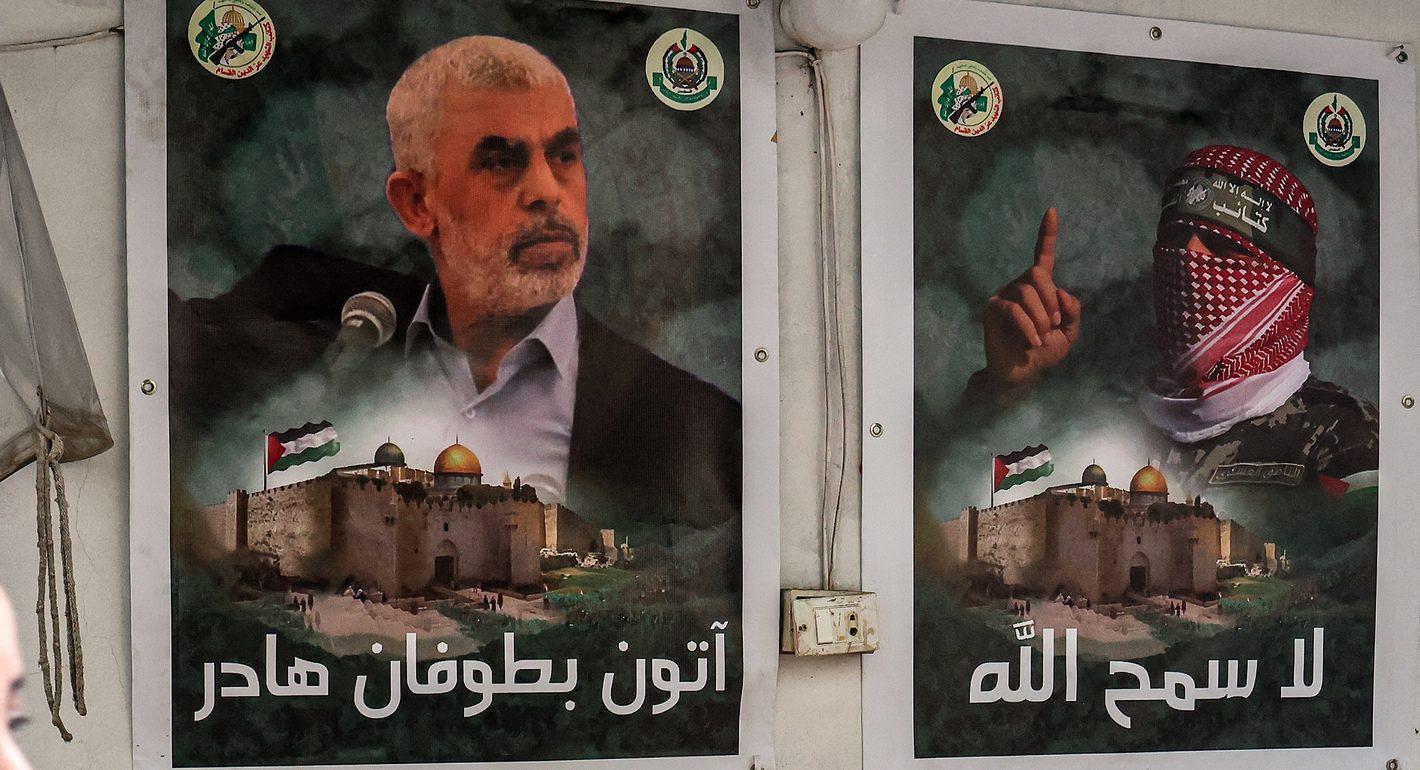
Six months into the conflict, Hamas continues to challenge the Israeli army—raising questions about Israel’s ability to eradicate the group.
Reham Owda
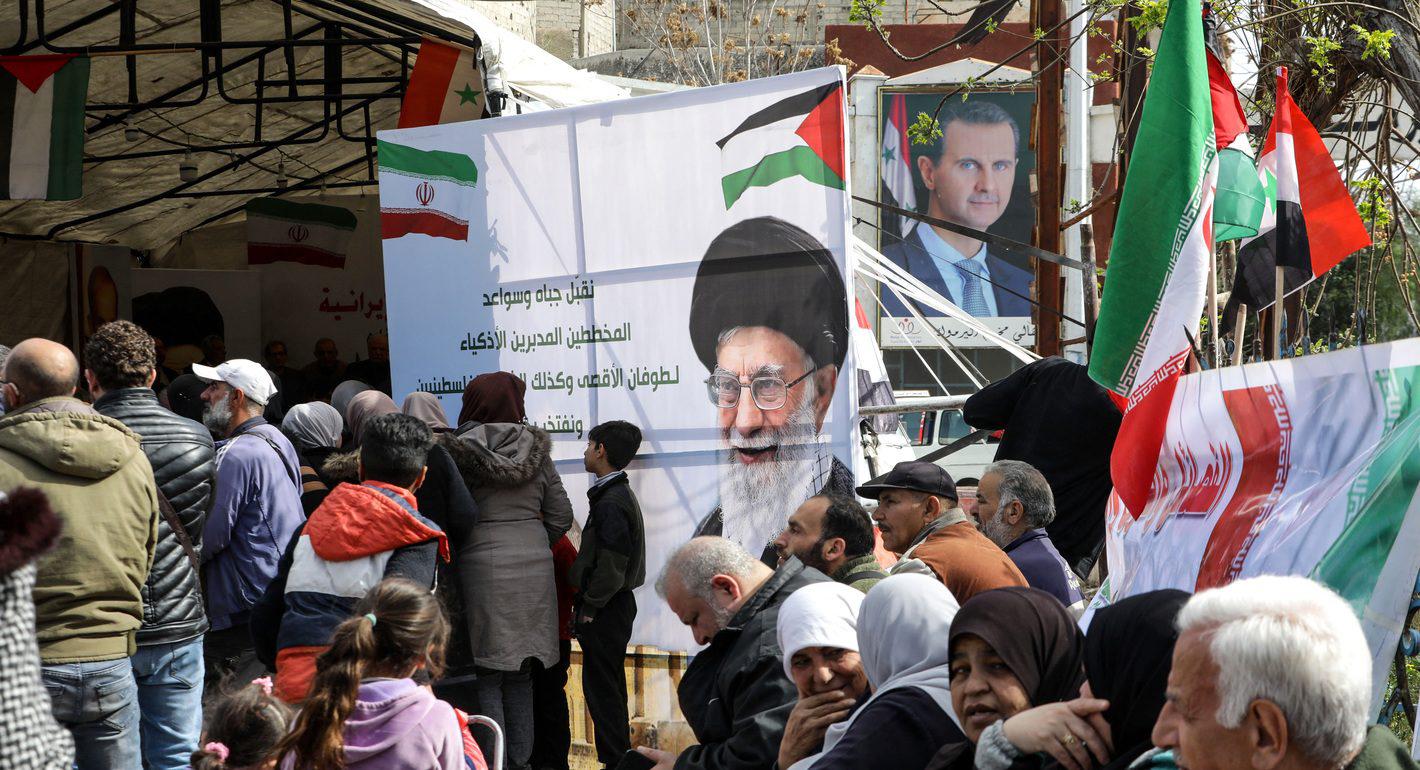
Iran’s adventurism may push Damascus to commit to Saudi-led efforts and reintegrate into the Arab fold.
Faysal Abbas Mohamad
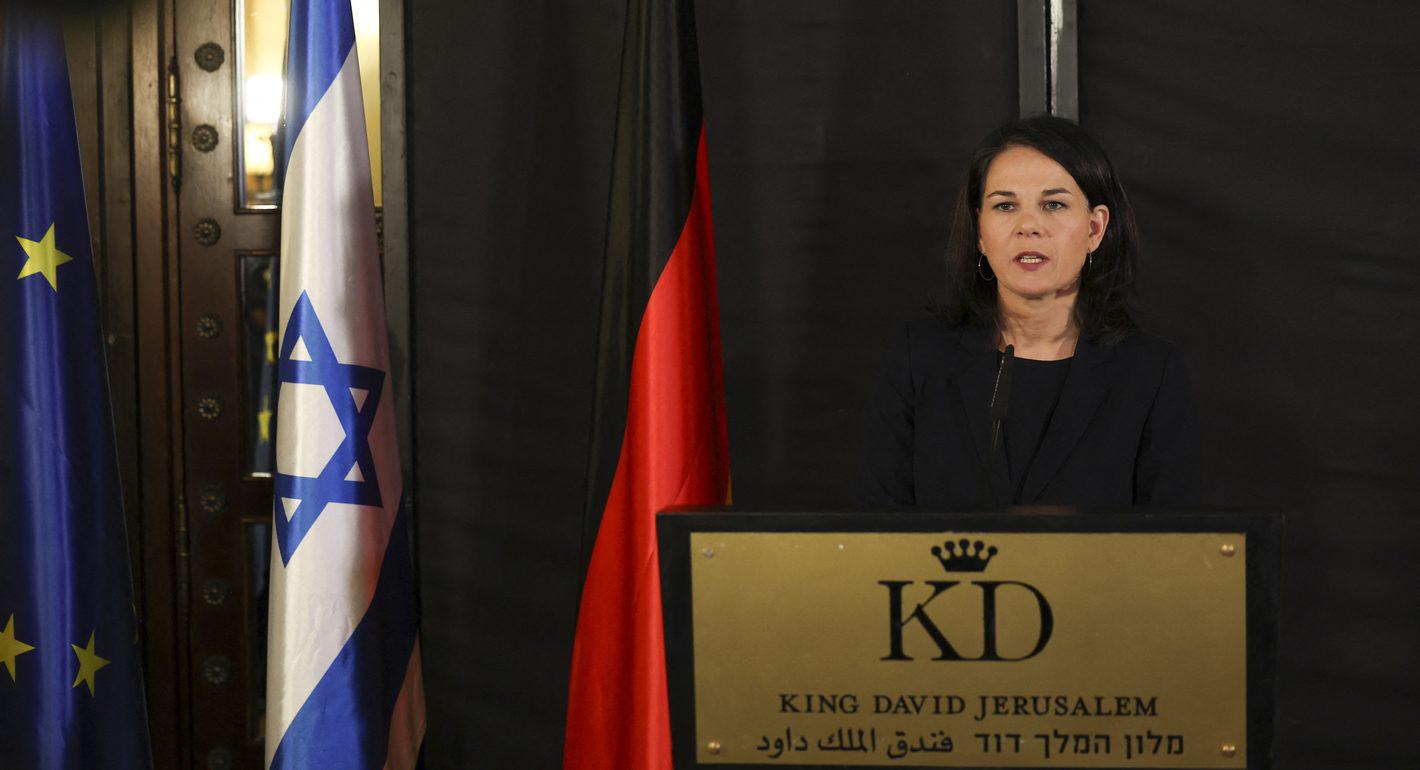
By unconditionally supporting Israel’s war, Germany is increasingly isolating itself on the global stage.
Lena Obermaier
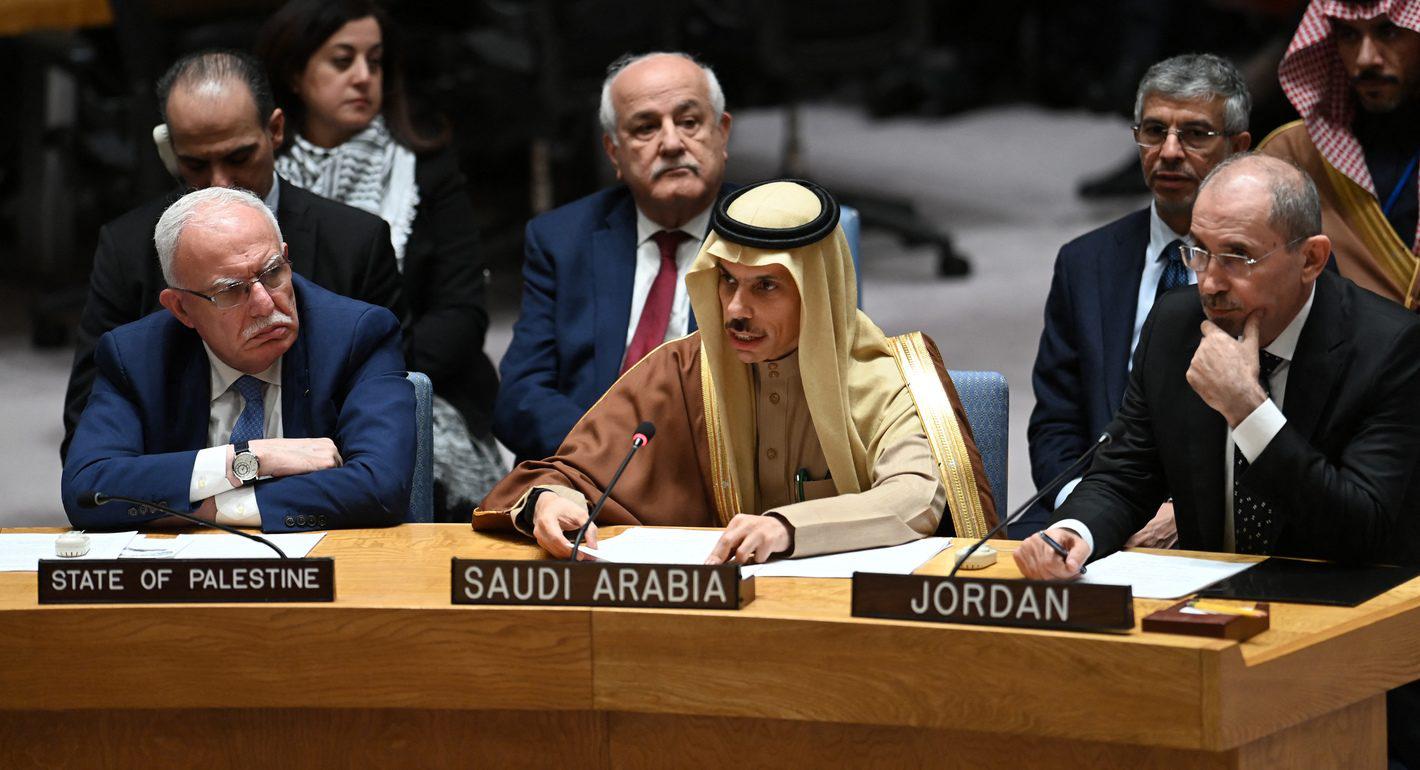
Saudi Arabia has long been perceived in the Arab world as a champion of the Palestinian cause, but developments over the past two decades suggest an imminent transformation.
Safa Nasser
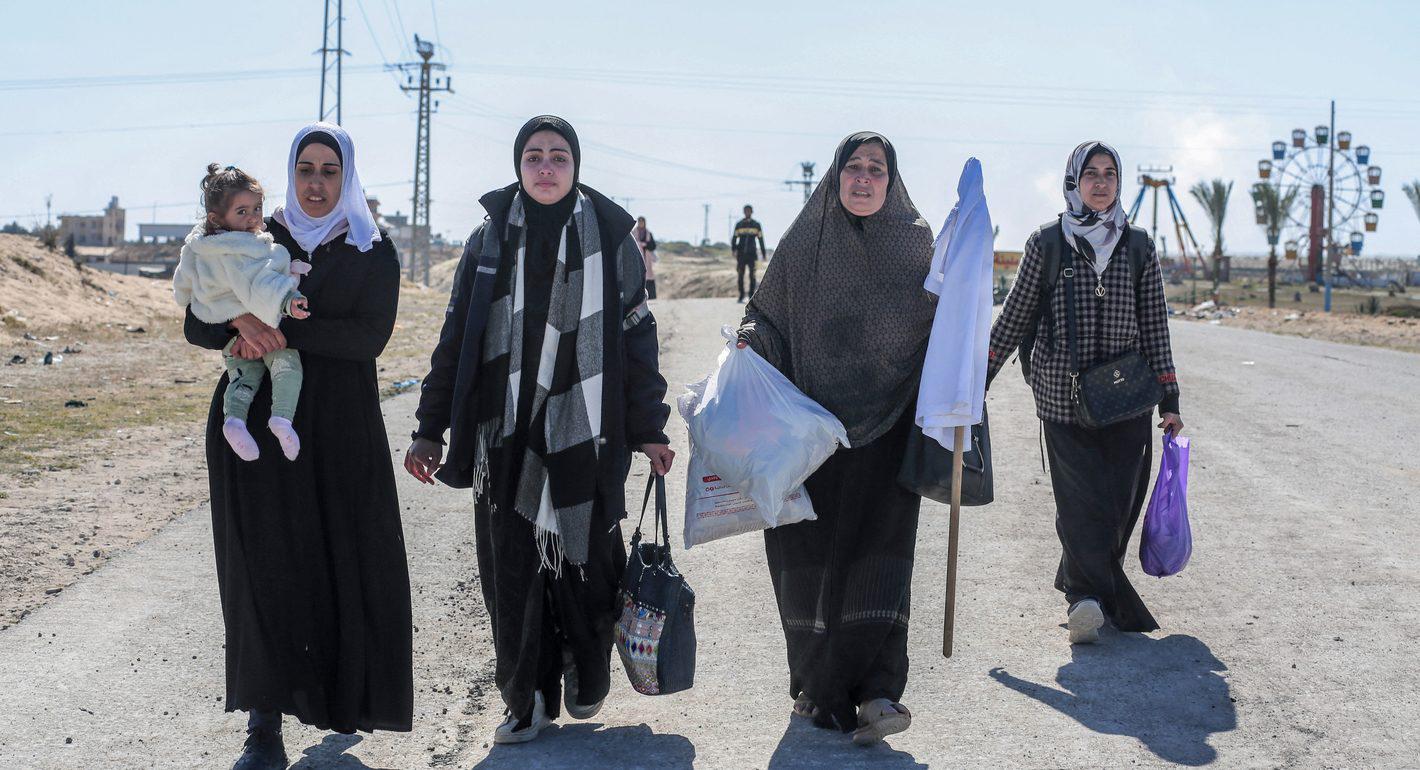
The story of Reham, a young mother sheltering in Rafah, illustrates the impact of Israel’s war on women and families.
Shahd Safi