

Commentary
Iran’s adventurism may push Damascus to commit to Saudi-led efforts and reintegrate into the Arab fold.
Faysal Abbas Mohamad
{
  "authors": [
    "Reham Owda"
  ],
  "type": "commentary",
  "blog": "Sada",
  "centerAffiliationAll": "dc",
  "centers": [
    "Carnegie Endowment for International Peace"
  ],
  "collections": [
    "The Gaza War and Regional Reverberations"
  ],
  "englishNewsletterAll": "menaTransitions",
  "nonEnglishNewsletterAll": "",
  "primaryCenter": "Carnegie Endowment for International Peace",
  "programAffiliation": "MEP",
  "programs": [
    "Middle East"
  ],
  "projects": [],
  "regions": [],
  "topics": []
}
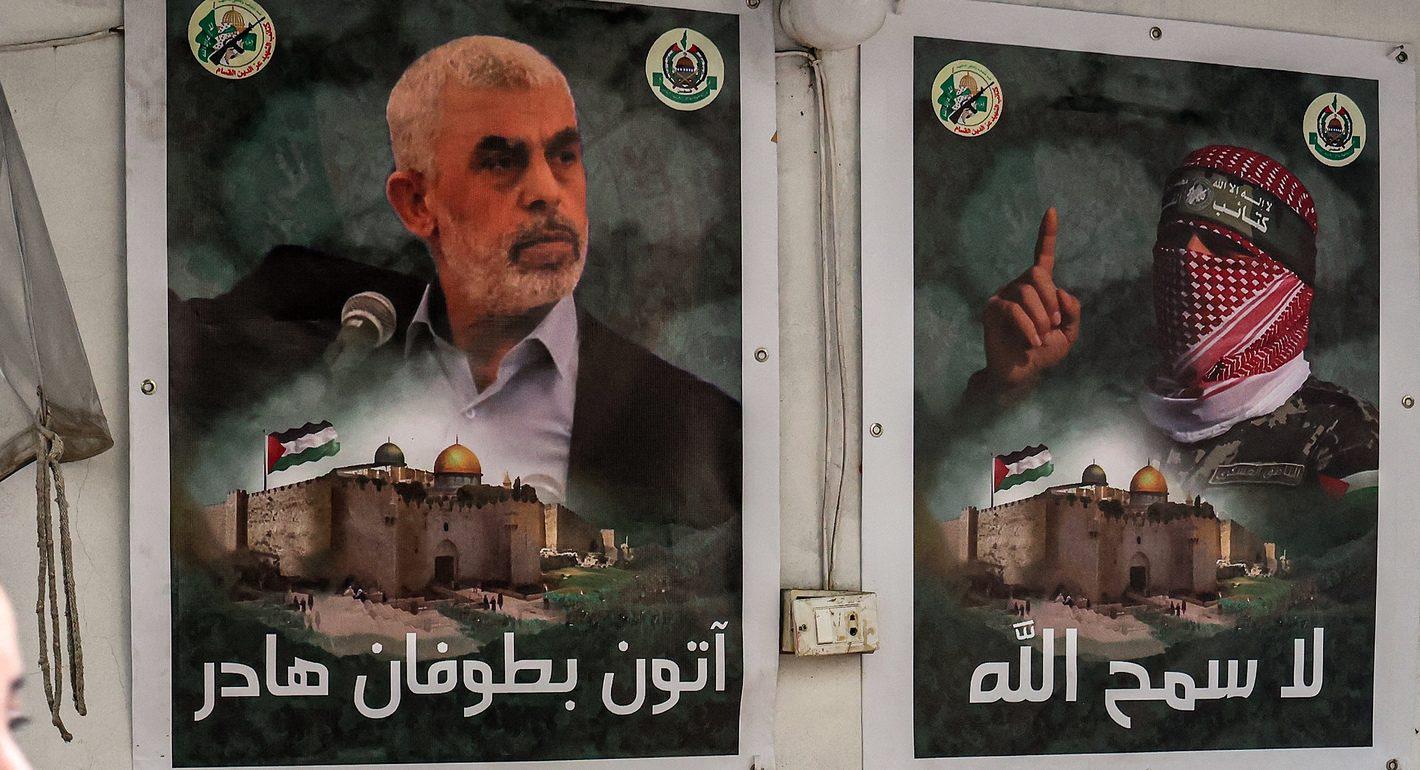
Source: Getty
Six months into the conflict, Hamas continues to challenge the Israeli army—raising questions about Israel’s ability to eradicate the group.
When Israel launched its offensive in Gaza in October 2023, Israeli Prime Minister Benjamin Netanyahu announced that the main goal of the operation was to eliminate Hamas and end its rule over the Strip. Yet as Hamas continues to fight and inflict losses on the Israeli military, eradicating the group entirely will prove exceedingly difficult. In fact, Hamas continues to function as the de facto governing authority in the Strip through various means.
Despite the ongoing war, members of the Hamas Government Emergency Committee, comprising police personnel and employees from its Ministries of Social Affairs, Economy, and Health, regularly meet with civil society organizations and UNRWA representatives to coordinate the distribution of humanitarian aid. The Ministry of Economy has also continued to operate, periodically releasing lists of food prices in the market and detailing luxury imports prohibited due to the war. This “business as usual” attitude infuriated the Israeli military, who has retaliated by targeting Hamas police in Gaza.
The Information Office of Hamas’ Ministry of Interior has launched an official social media platform called the “Home Front – Gaza Strip”. The platform regularly publishes updates and information regarding daily life in Palestinian society. The platform also cautions citizens against spreading rumors about the war and urges them to avoid potentially dangerous war remnants.
Hamas' determination to control Gaza and reject any security role for the Palestinian Authority in the Strip was evident from a recent statement issued by the Interior Ministry, which detailed the arrest of a security force supervised by Majed Faraj, the Palestinian Authority's chief of intelligence. The statement revealed that Faraj's forces attempted to enter northern Gaza via the Rafah crossing under the guise of escorting aid trucks, and accused Faraj of sending his forces to Gaza to sow confusion and advance Israeli interests.
The negotiations between Hamas and Israel concerning the hostages remain deadlocked. Hamas has rejected an Israeli proposal for a temporary ceasefire, insistent on its demands for a comprehensive and permanent ceasefire coupled with the complete withdrawal of the Israeli forces from the Gaza Strip. Senior Hamas official Khalil al-Hayya stated that the group is willing to agree to a truce of five years or more with Israel, lay down its weapons, and transform into a political party if an independent Palestinian state is established along pre-1967 borders. This statement indicates that Hamas still considers itself the victor in the war and aspires to retain a political role in governing Gaza, even in a demilitarized capacity.
Hamas is determined to project an image of victory in its conflict with Israel. Despite the destruction of tunnels, the group continues to execute a robust military media campaign and boost the morale of its brigades and supporters. The military videos released by Hamas portray a unified front, and suggest that their forces are inflicting losses on the enemy.
Since its establishment in December 1987, Hamas has embraced the Islamic principle of jihad: within the group, the idea of martyrdom represents the highest aspiration, and is ingrained in the hearts and minds of its followers. This conviction shields Hamas's militants from the fear of Israeli targeted assassinations, and many members of the Qassam Brigade have been trained from childhood in Palestinian cemeteries. During the ongoing conflict, Hamas draws inspiration from Islamic conquests—particularly the words of Islamic leader Tariq bin Ziyad, who famously declared: "People, where is the escape? The sea lies behind you, and the enemy stands before you." It appears that Hamas is embodying this sentiment, with its members effectively caught in between the Mediterranean Sea and the Israeli military, leaving them with no recourse but to persist in their struggle.
In conclusion, despite a decline in Hamas' popularity among Gazans, who were thrust into a devastating war without adequate humanitarian supplies and protection, the group appears to want to continue the war regardless of its consequences. Hamas refuses the return of the Palestinian Authority, to allow international forces into the Strip, and to surrender to Israel, vowing to fight until its last soldier. As a result, the conflict in Gaza seems poised to remain deadlocked, similar to the Russian-Ukrainian war. It remains challenging to predict Hamas' endurance against Israel in this initial year of war, but a clearer assessment may emerge two or three years on.
Reham Owda is an independent Palestinian author and political analyst from Gaza, with a Ph.D. in political science. Follow her on X @RehamOwda.
Reham Owda
Carnegie does not take institutional positions on public policy issues; the views represented herein are those of the author(s) and do not necessarily reflect the views of Carnegie, its staff, or its trustees.
Iran’s adventurism may push Damascus to commit to Saudi-led efforts and reintegrate into the Arab fold.
Faysal Abbas Mohamad
By unconditionally supporting Israel’s war, Germany is increasingly isolating itself on the global stage.
Lena Obermaier
Saudi Arabia has long been perceived in the Arab world as a champion of the Palestinian cause, but developments over the past two decades suggest an imminent transformation.
Safa Nasser
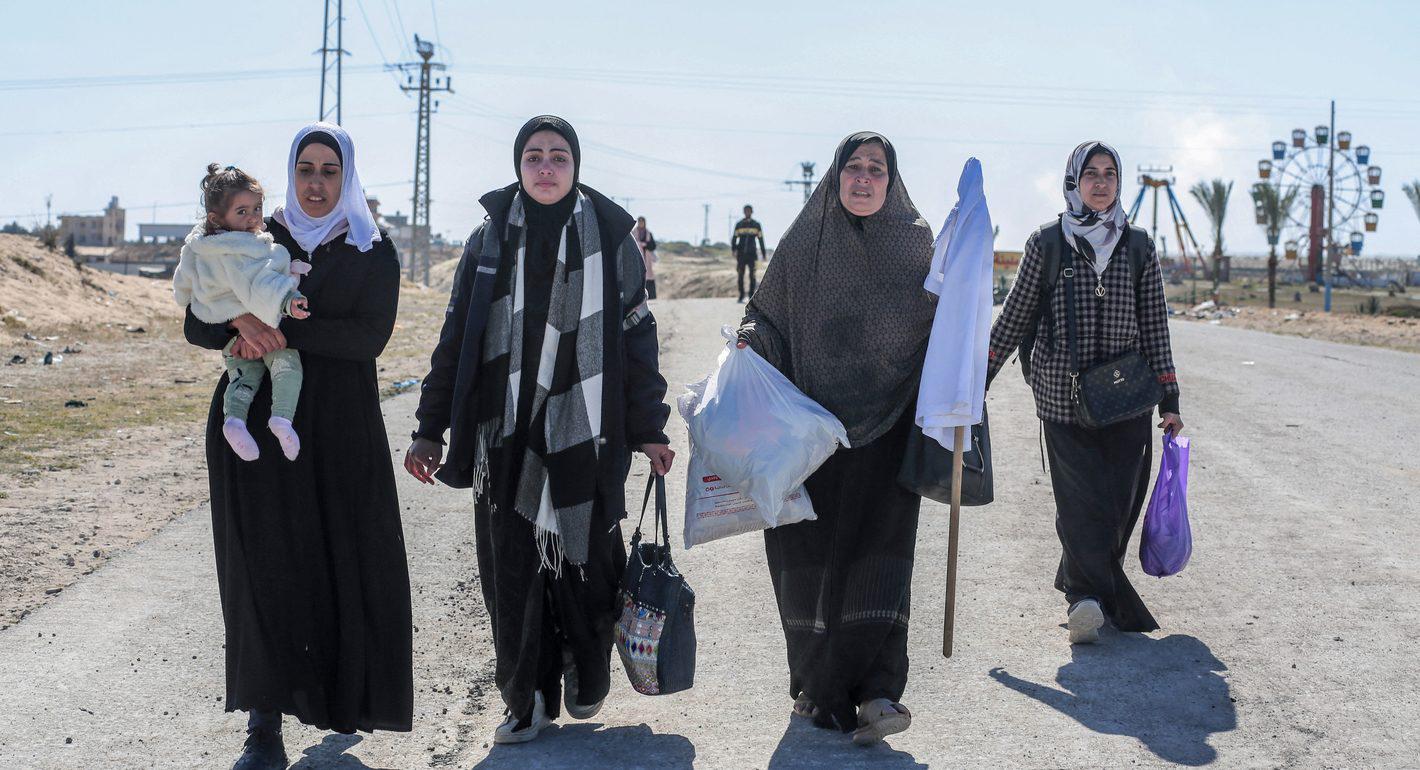
The story of Reham, a young mother sheltering in Rafah, illustrates the impact of Israel’s war on women and families.
Shahd Safi
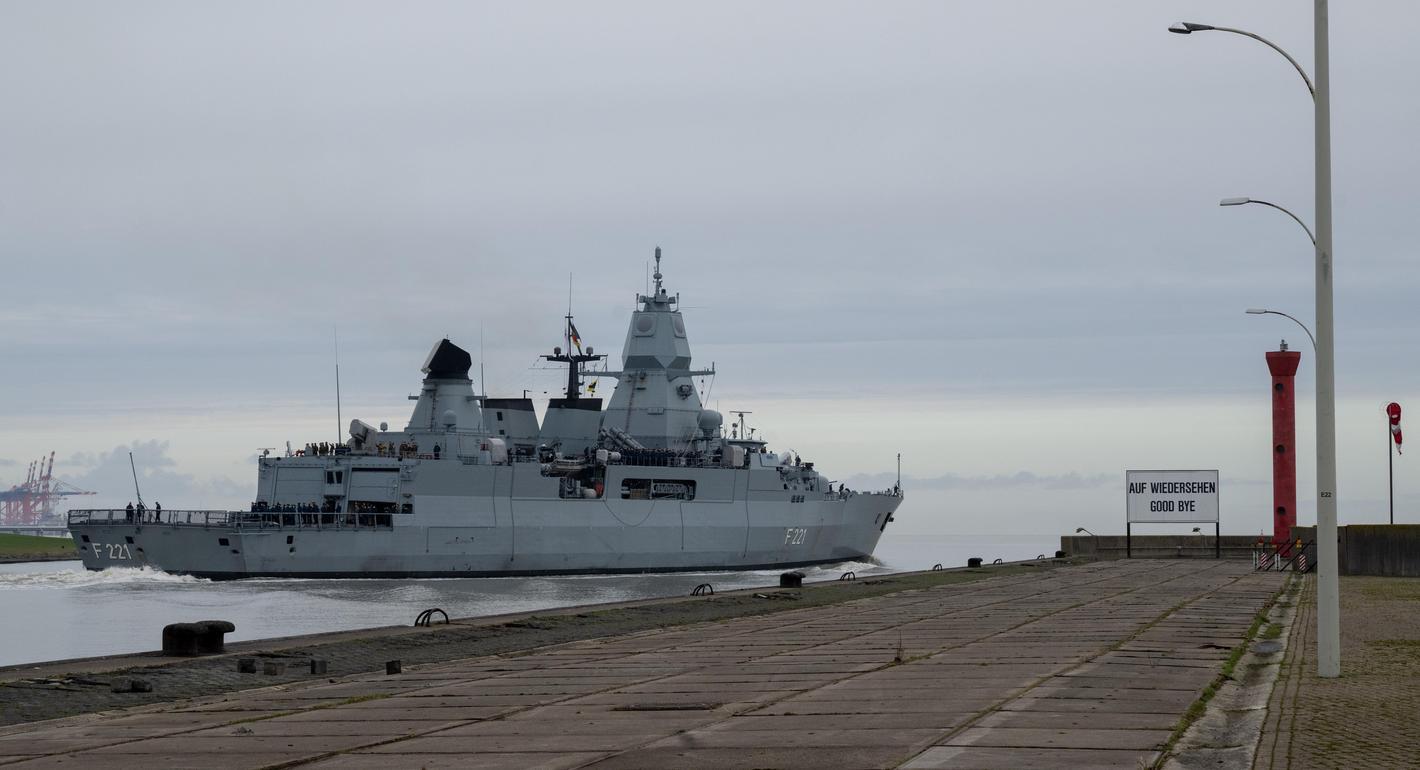
Alongside the U.S.-led Operation Prosperity Guidance, the European Union's Aspides naval mission aims to protect the Red Sea region.
Shimaa Samir Muhammed Hussein