

Report
Mr. Husain Haqqani, Ashley J. Tellis
{
  "authors": [
    "Husain Haqqani"
  ],
  "type": "legacyinthemedia",
  "centerAffiliationAll": "dc",
  "centers": [
    "Carnegie Endowment for International Peace"
  ],
  "collections": [],
  "englishNewsletterAll": "ctw",
  "nonEnglishNewsletterAll": "",
  "primaryCenter": "Carnegie Endowment for International Peace",
  "programAffiliation": "russia",
  "programs": [
    "Russia and Eurasia"
  ],
  "projects": [],
  "regions": [
    "South Asia",
    "Pakistan"
  ],
  "topics": [
    "Political Reform",
    "Foreign Policy"
  ]
}
REQUIRED IMAGE
Source: Carnegie
Reprinted with permission from the International
Herald Tribune, July 29, 2002
WASHINGTON Among Muslim nations, Pakistan and Turkey are the closest allies
of America and other Western countries. Turkey will be crucial if the war against
terror leads to an invasion of Iraq. Pakistan is already central to the campaign
against Al Qaeda in Afghanistan. But both have a history of political instability
linked to military intervention in politics. Pakistan's self-appointed president,
Pervez Musharraf, is hoping to fend off challenges to his military regime with
a political-constitutional arrangement similar to that in Turkey. But Turkey's
latest political crisis should serve as a reminder that a military-dictated
constitution and a national security council which vetoes political choices
are not a substitute for democratic give and take.
The government of Prime Minister Bulent Ecevit is on the brink of collapse as
a result of defections. The economy has shrunk by 9.4 percent in a year. Fresh
general elections are likely to produce another weak coalition along with a
strong showing by Islamic and center-right politicians disapproved of by the
military. Turkey's controlled democracy is faltering just as Pakistan is thinking
of emulating it. A determination to eliminate even the most moderate Islamic
groups from the political scene and a rigid view of Turkish national interest
prompted military interventions in 1960, 1971 and 1980. In Pakistan, the military
does not trust politicians' handling of interprovincial relations or relations
with India.
Musharraf has said he would not let former Prime Ministers Nawaz Sharif and
Benazir Bhutto return to office because of their alleged corrupt misrule. He
is planning to amend Pakistan's constitution by decree, reserving most powers
for himself as president. In doing that he is following Turkey's General Kenan
Evren, who, after his coup in 1980, disqualified several politicians and rewrote
the constitution to ensure a military veto in political matters. But that constitution
has not provided political stability. The three most prominent leaders ousted
from politics by the military - Ecevit, Suleyman Demirel and Necmettin Erbakan
- all returned to the political scene at the end of their disqualification.
Resilient politicians with hard-core political support do not wither away easily.
The military cannot decree which politician should or should not have popular
support. Bhutto and Sharif have the potential of becoming Pakistan's Demirel
or Ecevit. Politics in both countries remain stagnant as the military deprives
the people of the chance to assess leaders' performance. Turkey's intelligence
services routinely dabble in politics. Pakistan's security services are accused
of running covert operations to influence elections or the formation of coalitions.
Such machinations prevent political parties and the judiciary from playing a
role in evolving corrective mechanisms for corruption or bad politics. In Turkey,
any overt practice of Islam is seen as anti-secular. Concessions to a Kurdish
identity or to a Cyprus accommodation are also considered outside the scope
of political debate. In Pakistan, defense and foreign affairs are areas closed
to discussion.
Instead of following the Turkish model, which is itself in need of major overhaul,
Pakistan should lead the way in allowing democracy to take its course. Washington
should encourage dialogue between Musharraf and political leaders living in
exile.
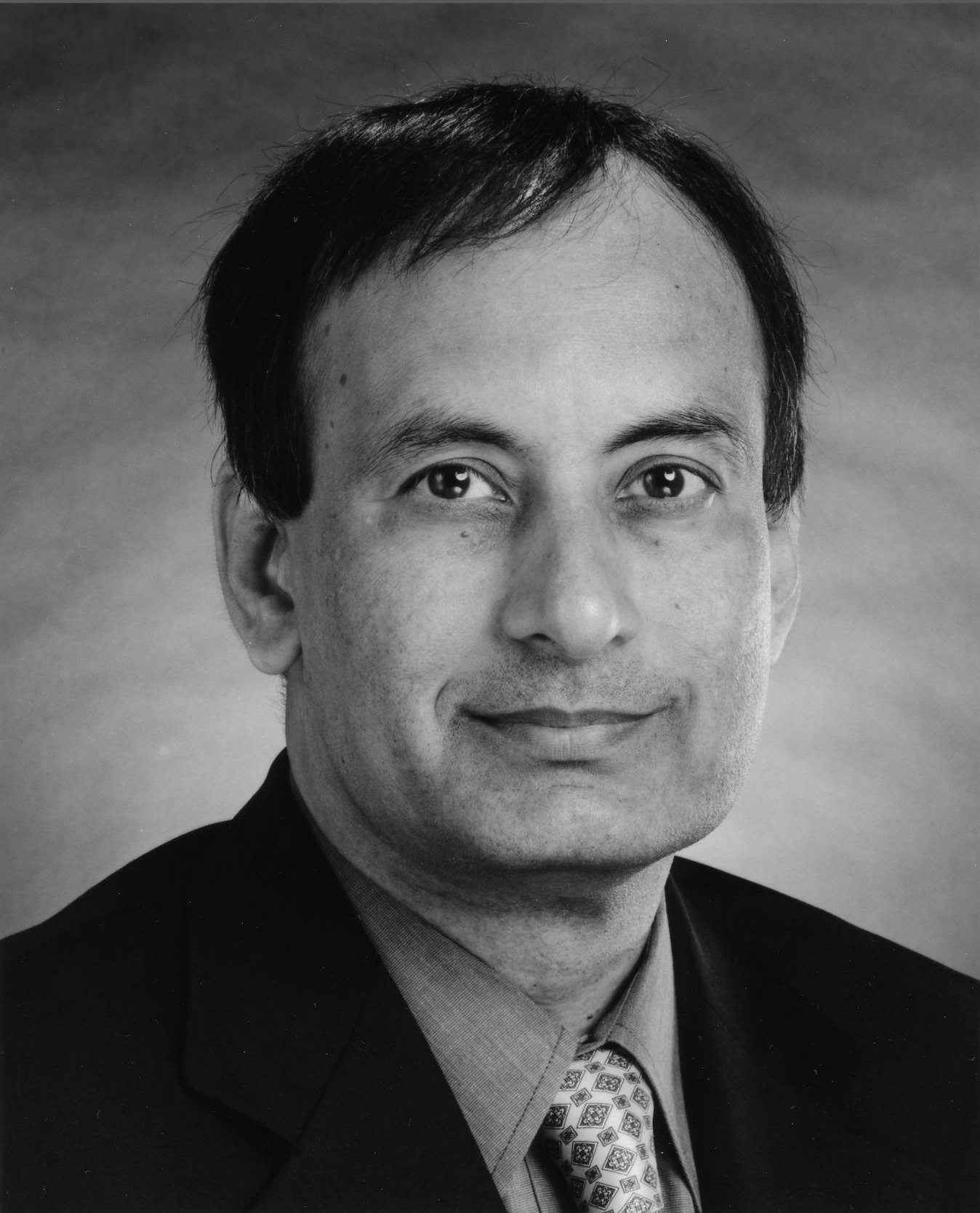
The writer, a visiting scholar at the Carnegie Endowment for International peace, served as adviser to Prime Ministers Nawaz Sharif and Benazir Bhutto and as Pakistan's ambassador to Sri Lanka. He contributed this comment to the International Herald Tribune.
Former Visiting Scholar
Recent Work
Mr. Husain Haqqani, Ashley J. Tellis
Mr. Husain Haqqani
Carnegie does not take institutional positions on public policy issues; the views represented herein are those of the author(s) and do not necessarily reflect the views of Carnegie, its staff, or its trustees.
Following Ursula von der Leyen’s gaffe equating Turkey to Russia and China, relations with Ankara risk deteriorating even further. Without better, more consistent diplomatic messaging, how can the EU pretend to be a geopolitical power?

Sinan Ülgen
Closer EU-UK ties could help address urgent European concerns. But is the EU ready for rapprochement with the United Kingdom?

Rym Momtaz, ed.
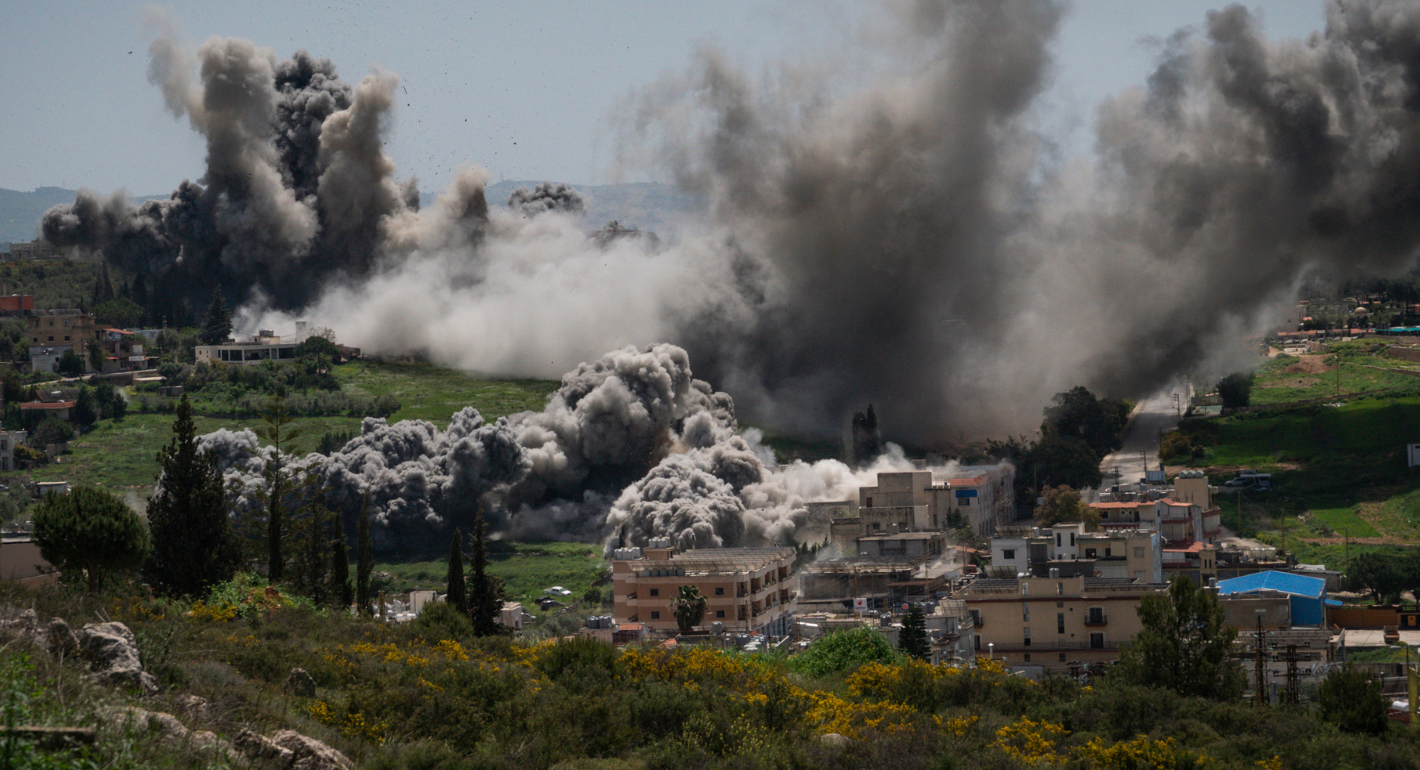
Europe has been standing by while its Southern neighborhood is being redrawn by force. To establish a path to peace between Israel and Lebanon, it’s time for Europeans to get involved with hard power.
Rym Momtaz
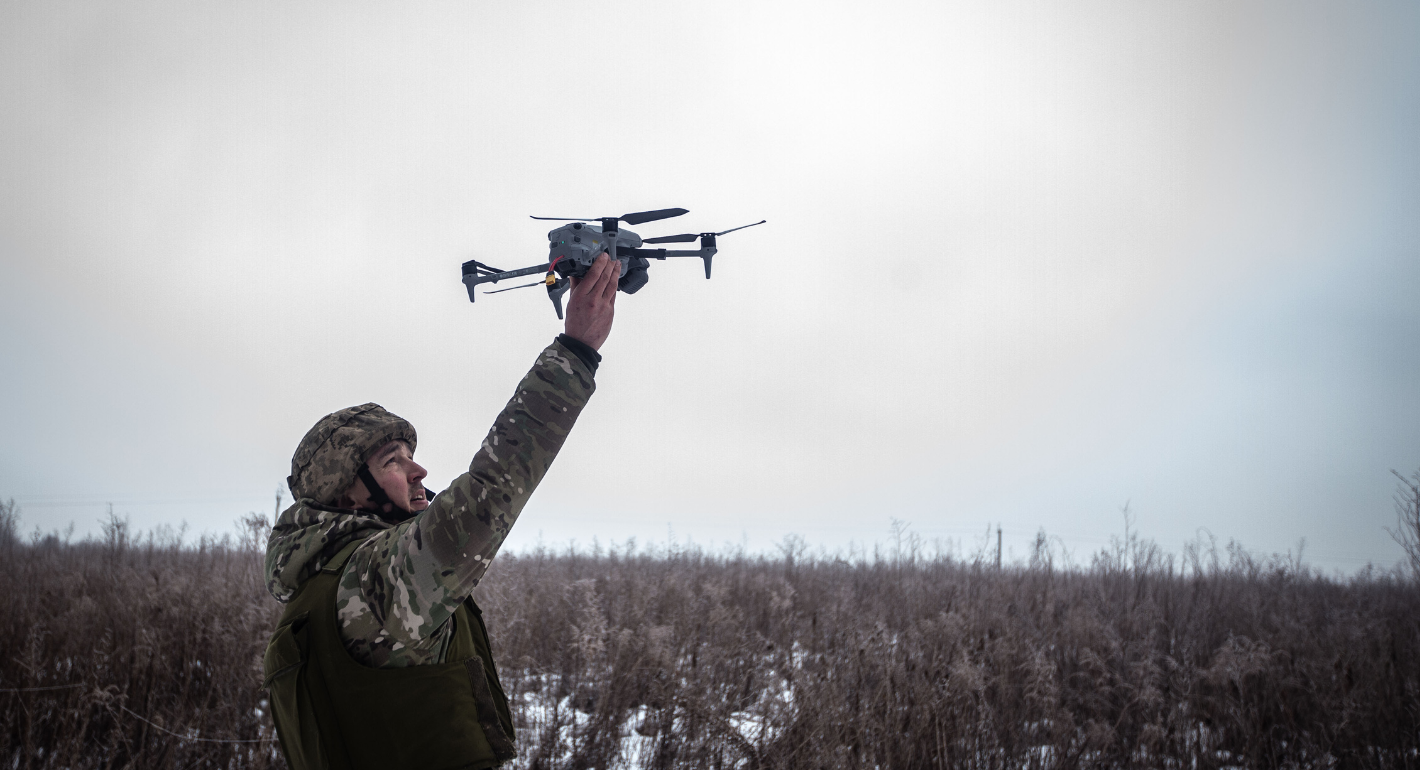
In Ukraine, Gaza, and Iran, AI warfare has come to dominate, with barely any oversight or accountability. Europe must lead the charge on the responsible use of new military technologies.

Raluca Csernatoni
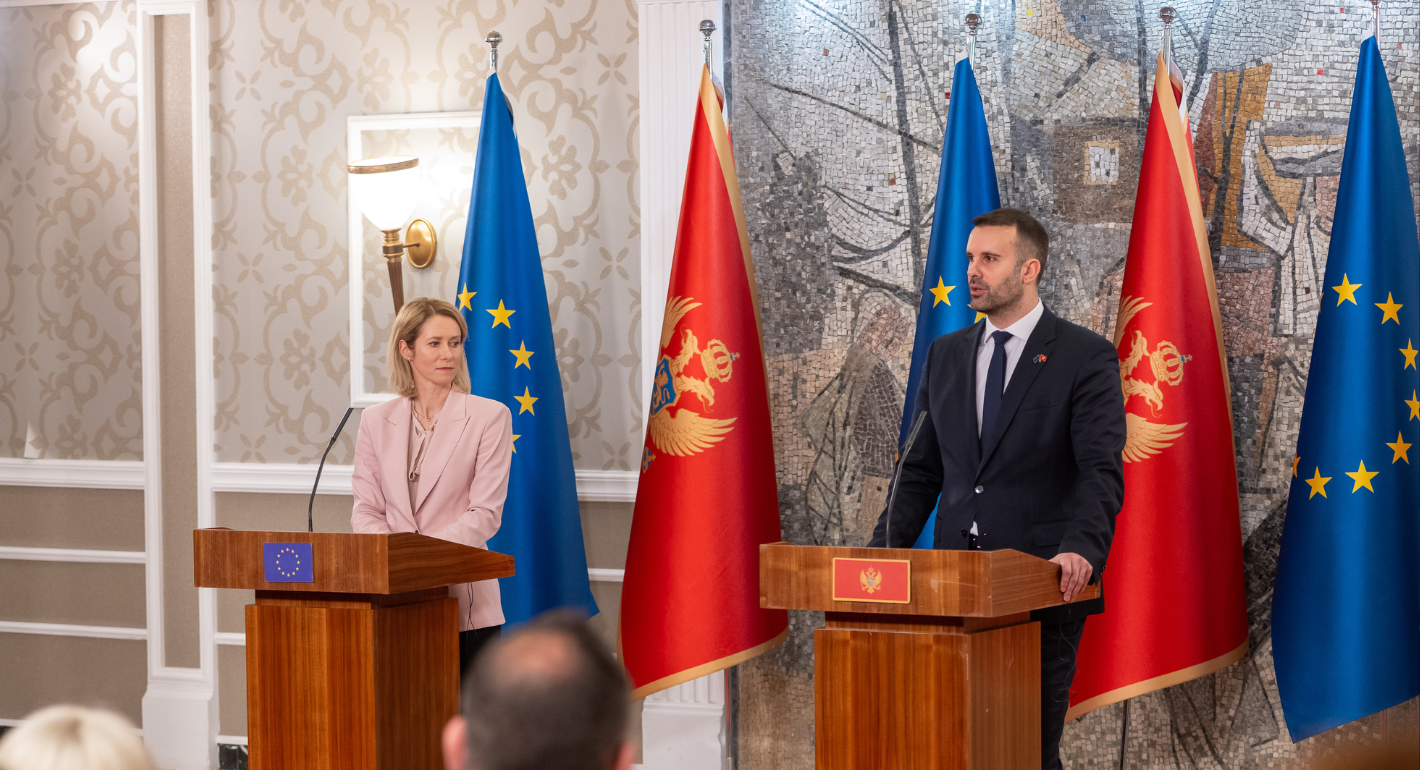
Montenegro and Albania are frontrunners for EU enlargement in the Western Balkans, but they can’t just sit back and wait. To meet their 2030 accession ambitions, they must make a strong positive case.


Dimitar Bechev, Iliriana Gjoni