

In The Media
Minxin Pei
{
  "authors": [
    "Minxin Pei"
  ],
  "type": "legacyinthemedia",
  "centerAffiliationAll": "dc",
  "centers": [
    "Carnegie Endowment for International Peace"
  ],
  "collections": [],
  "englishNewsletterAll": "asia",
  "nonEnglishNewsletterAll": "",
  "primaryCenter": "Carnegie Endowment for International Peace",
  "programAffiliation": "AP",
  "programs": [
    "Asia"
  ],
  "projects": [],
  "regions": [
    "North America",
    "United States",
    "East Asia",
    "China",
    "Taiwan",
    "North Korea"
  ],
  "topics": [
    "Security",
    "Military",
    "Nuclear Policy"
  ]
}
Source: Getty
Beijing provides critical energy and food aid to Pyongyang. Indeed, without Beijing's economic support, conditions in North Korea are likely to deteriorate dramatically. Logically, China ought to be the country the US should court actively to increase the diplomatic pressure on North Korea and reduce the tensions over Pyongyang's dangerous nuclear programmes.
Source: The Straits Times

Of these regional powers, China is probably the most critical player. Beijing provides critical energy and food aid to Pyongyang. Indeed, without Beijing's economic support, conditions in North Korea are likely to deteriorate dramatically.
Logically, China ought to be the country the US should court actively to increase the diplomatic pressure on North Korea and reduce the tensions over Pyongyang's dangerous nuclear programmes.
Yet, despite President George W. Bush's statements about seeking China's assistance, his administration's recent actions towards China appear to indicate that Washington is either experiencing a severe case of bureaucratic bungling or, worse, has grown negligent of its China policy precisely at a moment when President Bush's revamped policy towards Beijing should be paying dividends.
In the past week alone, Washington made three decisions that must be viewed with great unease, even anger, in Beijing.
First, the State Department announced the initiation of legal action against Boeing and Hughes for alleged illegal transfer of technologies to China almost a decade ago. The evidence on which the State Department's action is based is controversial, and Boeing - which now owns Hughes's satellite division - has vowed to fight.
The administration's move resurrected the ghost of the infamous and largely discredited Cox Commission Report of 1999, which alleged massive Chinese espionage efforts to obtain American high-tech and military technologies.
Second, the State Department also called on Israel to stop all its military exports to China because of the potential threat posed to Taiwan. This official declaration, made without reference to any specific weapons systems, caused much speculation and confusion regarding both Washington's motives and the real issues involved.
Third, Taipei's defence ministry announced that the Pentagon will dispatch a team of American military officers to participate in the island's largest military exercise this year.
Although this group will be euphemistically called the Expatriots Evacuation Team, the significance of this action has not escaped notice.
This would be the first time, since the abrogation of the US-Taiwan Mutual Defence Treaty in 1979, that the two militaries will participate openly in a military exercise.
For Beijing, this will be a clear violation of both the letter and spirit of Washington's so-called 'one-China policy'.
The cumulative effects of these three steps taken by the US must have caused, at a minimum, much bafflement in Beijing. One can imagine Chinese leaders asking themselves in exasperation what Washington was up to.
To these leaders, whom some in the Bush administration count on to help resolve the North Korean crisis, Washington's action is akin to slapping the face of the same person it is asking a favour.
To be fair to Washington, these three recent actions were most likely caused by poor coordination and bureaucratic incompetence in an administration caught in multiple crises.
Even though these steps might have been taken because they are part of the administration's policy of slowing down China's military modernisation and enhancing Taiwan's military capabilities, their timing could not have been worse.
This case of possible bureaucratic bungling is only the most recent proof of one of the iron-clad laws of Washington politics, as the former Secretary of State Warren Christopher observed recently in the New York Times, that the White House can deal with only one crisis at a time.
Other issues, even those of greater strategic importance than the on-going crisis, suffer neglect and mishandling when the entire administration becomes fixated on the issue of the day, such as Iraq at the moment.
Fortunately, despite Washington's missteps and apparent lack of sensitivity, Beijing is unlikely to retaliate by obstructing US efforts to stop Pyongyang's nuclear programmes.
China's national interests will be better served by ending North Korea's nuclear ambitions.
But differences in diplomatic principles and perception of the strategic realities in the Korean peninsula between Beijing and Washington will lead to advocacy of different approaches.
If Washington is serious about having Beijing as a real partner in defusing this crisis, it needs not only to persuade Chinese leaders of the merits of the US policy, but also to demonstrate greater sensitivity and respect for China's national interests.

Former Adjunct Senior Associate, Asia Program
Pei is Tom and Margot Pritzker ‘72 Professor of Government and the director of the Keck Center for International and Strategic Studies at Claremont McKenna College.
Recent Work
Minxin Pei
Minxin Pei
Carnegie does not take institutional positions on public policy issues; the views represented herein are those of the author(s) and do not necessarily reflect the views of Carnegie, its staff, or its trustees.
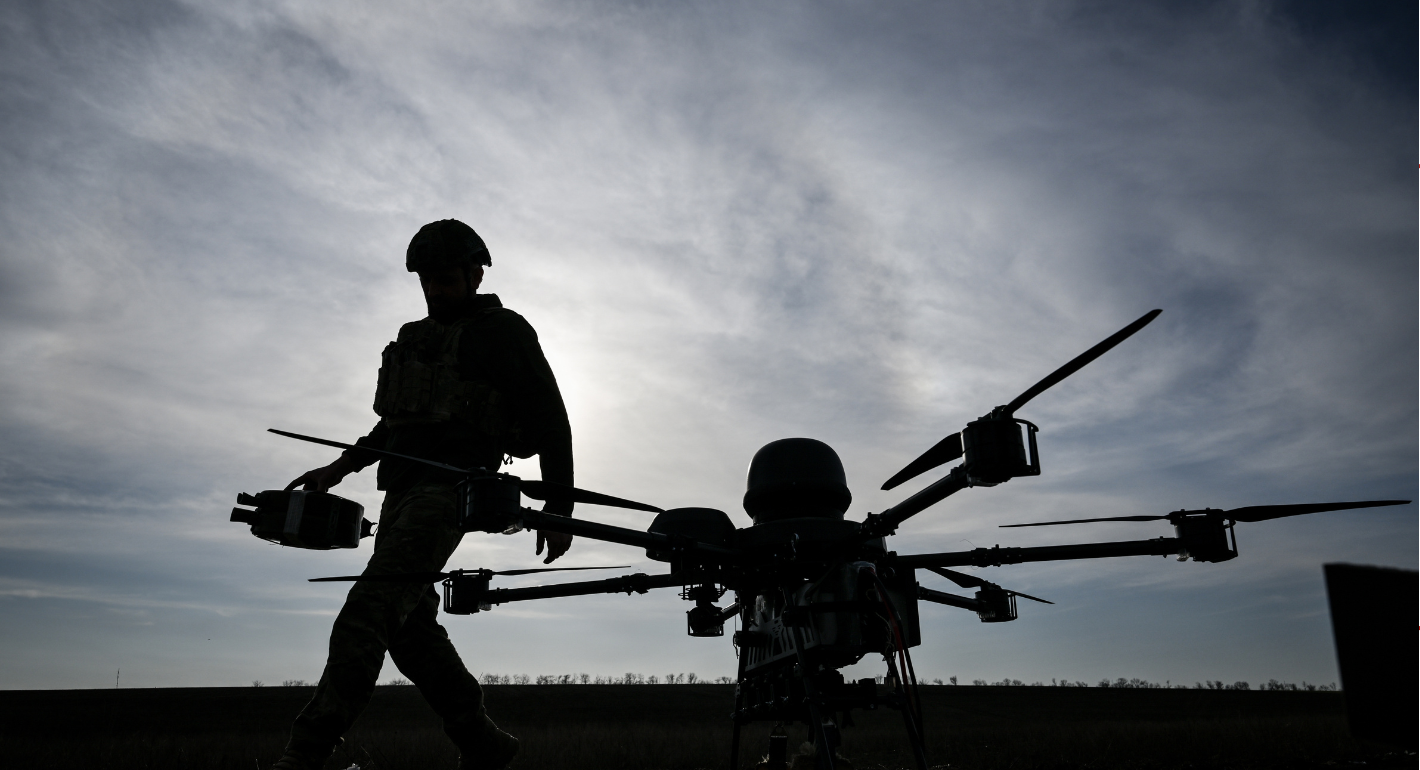
Defense tech innovations will be at the heart of Europe’s new security strategy. But so far, Brussels has been making moves without a broader plan, undermining readiness and credibility.

Raluca Csernatoni

When the U.S.-Iran memorandum of understanding was announced, the UK, France, Germany, and Italy declared their readiness to help demine the Strait of Hormuz and lift nuclear sanctions on Tehran. But does Europe need new tools to recover a diplomatic role?

Rym Momtaz, ed.
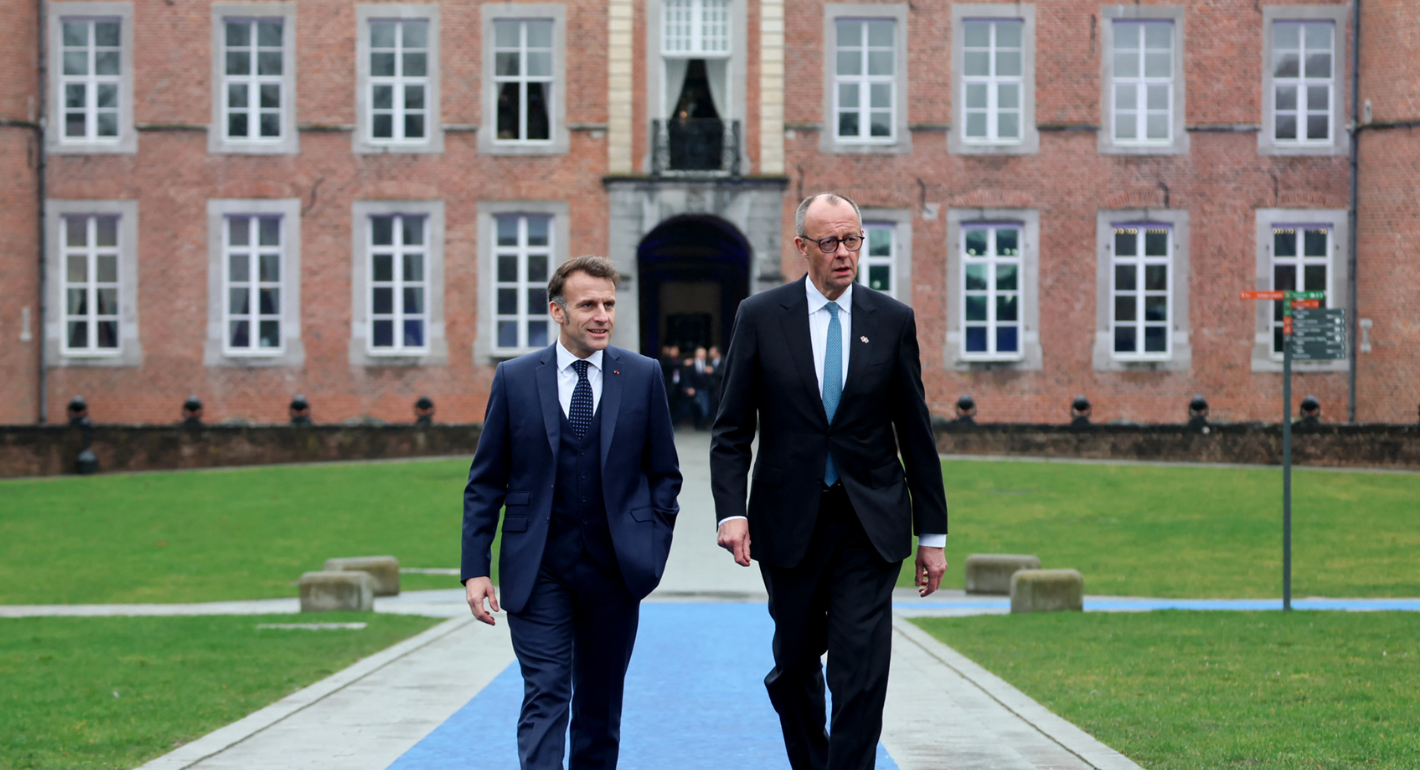
The Franco-German relationship is on the rocks again. But unlike previous moments of tension, the epochal changes on the world stage require that both step up investment in their bilateral ties.
Rym Momtaz
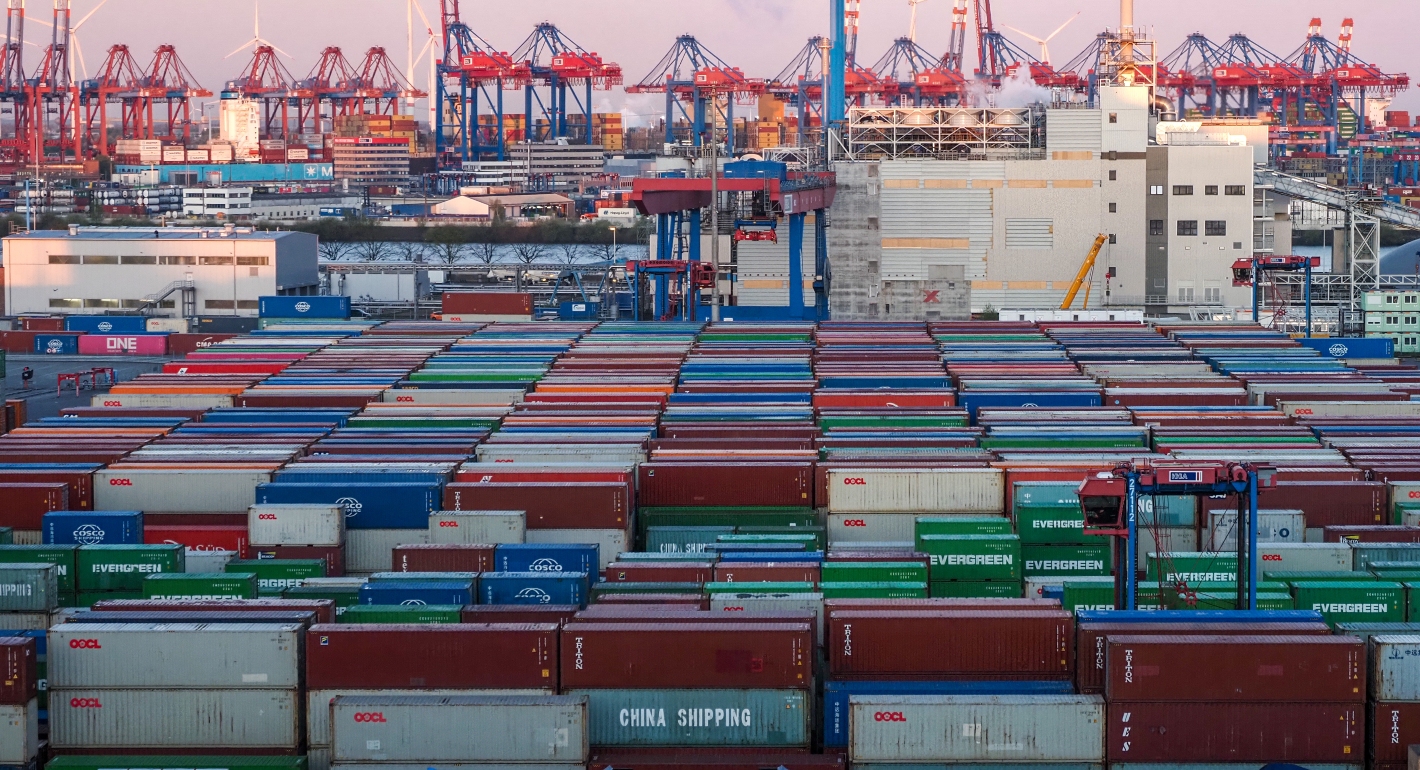
As geopolitical rivalry weaponizes global supply chains, the EU’s true vulnerability lies in emerging-risk imports. For these goods, suppliers are growing more concentrated, substitution more difficult, and political risk is looming.

Sinan Ülgen
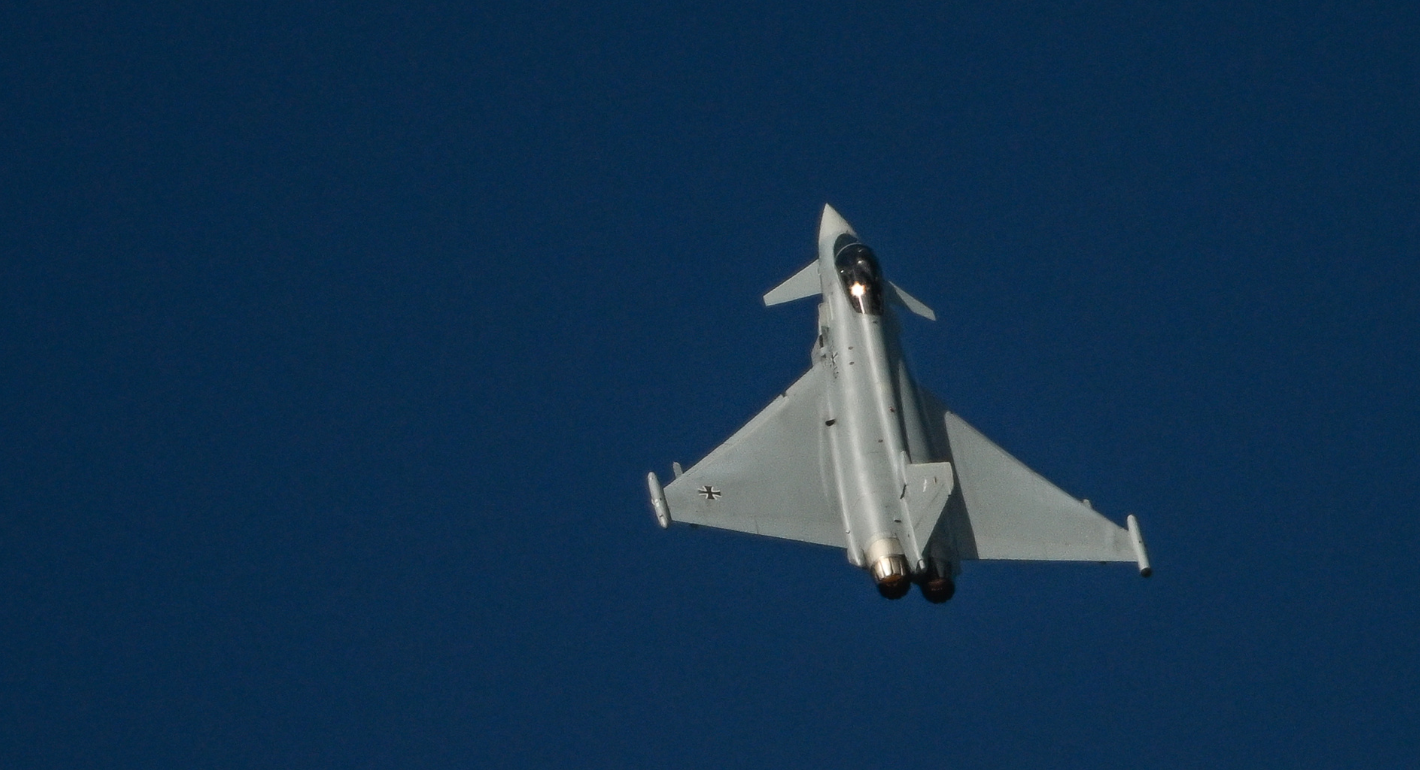
The EU is putting together a new security strategy to meet today’s myriad challenges. But for any proposal to be effective, the union needs to grapple with its identity and ambitions.

Pierre Vimont