

In The Media
David Rothkopf
{
  "authors": [
    "David Rothkopf"
  ],
  "type": "legacyinthemedia",
  "centerAffiliationAll": "",
  "centers": [
    "Carnegie Endowment for International Peace"
  ],
  "collections": [],
  "englishNewsletterAll": "",
  "nonEnglishNewsletterAll": "",
  "primaryCenter": "Carnegie Endowment for International Peace",
  "programAffiliation": "",
  "programs": [],
  "projects": [],
  "regions": [
    "North America",
    "United States",
    "South America",
    "Haiti",
    "Central America and the Caribbean"
  ],
  "topics": [
    "Democracy",
    "Foreign Policy"
  ]
}
REQUIRED IMAGE
There are lessons in Haiti's collapse that seem starkly relevant to the "larger" foreign-policy issues of our day, particularly postwar Iraq and Afghanistan. These lessons should reduce partisan finger-pointing and remind us that the secret to success in U.S. overseas interventions is mustering the will to stay until the job is done right.
Source: Carnegie
Haiti offers nation-building lessons — should U.S. leaders care enough to look
originally published in USA Today, February 22, 2004
Haiti, the hemisphere's open wound, is festering once again. The U.S. State Department last week called for U.S. citizens to leave the country, and an international plan to restore stability appears stalled. Yet it was only eight years ago that I was sitting at a star-studded Washington celebration of the dawn of a U.S.-engineered new era in Haiti.
There are lessons in Haiti's collapse that seem starkly relevant to the "larger" foreign-policy issues of our day, particularly postwar Iraq and Afghanistan. These lessons should reduce partisan finger-pointing and remind us that the secret to success in U.S. overseas interventions is mustering the will to stay until the job is done right.
Our celebration of victory in the mid-'90s followed the U.S.-assisted restoration of President Jean-Bertrand Aristide to power. I remember the hope-infused trade missions and aid initiatives that followed as we helped this hemisphere's poorest nation heal and grow. Some in the White House spoke of Aristide as though he were the next Nelson Mandela, the South African hero, and Aristide himself cultivated this image.
He was helped by his ability to plug into the endorsement network of the well-meaning famous who recognized Haiti's plight. Aristide worked the U.S. politics of his case masterfully; indeed, he did it with such skill that he might be seen as a prototype by other foreign leaders seeking U.S. support for their efforts to reclaim or achieve power. Certainly Iraq's Ahmed Chalabi and others borrowed heavily from his playbook.
Of course, there were other views of Aristide, including rumors and more substantive suggestions of a darker side to the quiet priest. But when such concerns were made in interagency meetings, they were quietly brushed aside.
Hear no evil
In this case, the CIA had it right from the beginning. They identified in advance potential flaws in Aristide and then saw those earlier concerns confirmed after he took office. These analysts were not rewarded for their insight. Indeed, as we have seen since, the key to whether intelligence is embraced is less often whether it is right, than whether it is what decision-makers want to hear.
Aristide, on the other hand, recognized how big a bet the Clinton administration had placed on him and played it for all it was worth. He felt that we needed him more than he needed us, so he tested the limits of our patience and our generosity at every turn.
Ultimately, the evidence that he was tied up with crime and human-rights abuses was ignored because we wanted to stop the flow of Haitians to Florida's beaches, and because we had invested so heavily in him that our image became tangled in his. We wanted a tidy end to a messy problem, so we didn't stick around to address the real problems bedeviling Haiti or give proper attention to whether Aristide was doing as promised.
Now, Haiti is again in chaos — just more of the same from a poor nation that can hardly command our attention in an era of new, grander nation-building aspirations. It hardly seems worth the time to stop to note the errors we made during yet another example of the triumph of hope over experience — unless, that is, the lessons have meaning today.
Sounds familiar
Do we once again find ourselves in a nation (or two) where we entered with its best interests at heart, committed to the establishment of democracy and improving the lives of long-suffering peoples? Do we once again find ourselves in a situation in which our political leaders have invested so heavily in the "saving" of a nation that those local leaders who must, by necessity, be our partners in the venture soon will conclude that we need them more than they need us? Will the press of our political imperatives force us to leave too quickly, to embrace half-good solutions and thus doom to failure initiatives that have cost blood and billions of dollars?
In Afghanistan, the warlords rule the outer provinces, and this U.S. protectorate is once again the world's leading exporter of heroin. In Iraq, democracy may well ultimately bring into power forces that share few values with us, except a mutual desire to see us go.
The Bush administration vowed not to make the same mistakes of nation-building as the Clinton administration. Perhaps this Haitian meltdown will remind them that good intentions and vast resources are insufficient if you lack the political will, the time or the objectivity required to truly fix a problem.
David J. Rothkopf, a visiting scholar at the Carnegie Endowment for International Peace, was deputy undersecretary of Commerce during the Clinton administration and Haiti economic reconstruction coordinator from 1995-96.
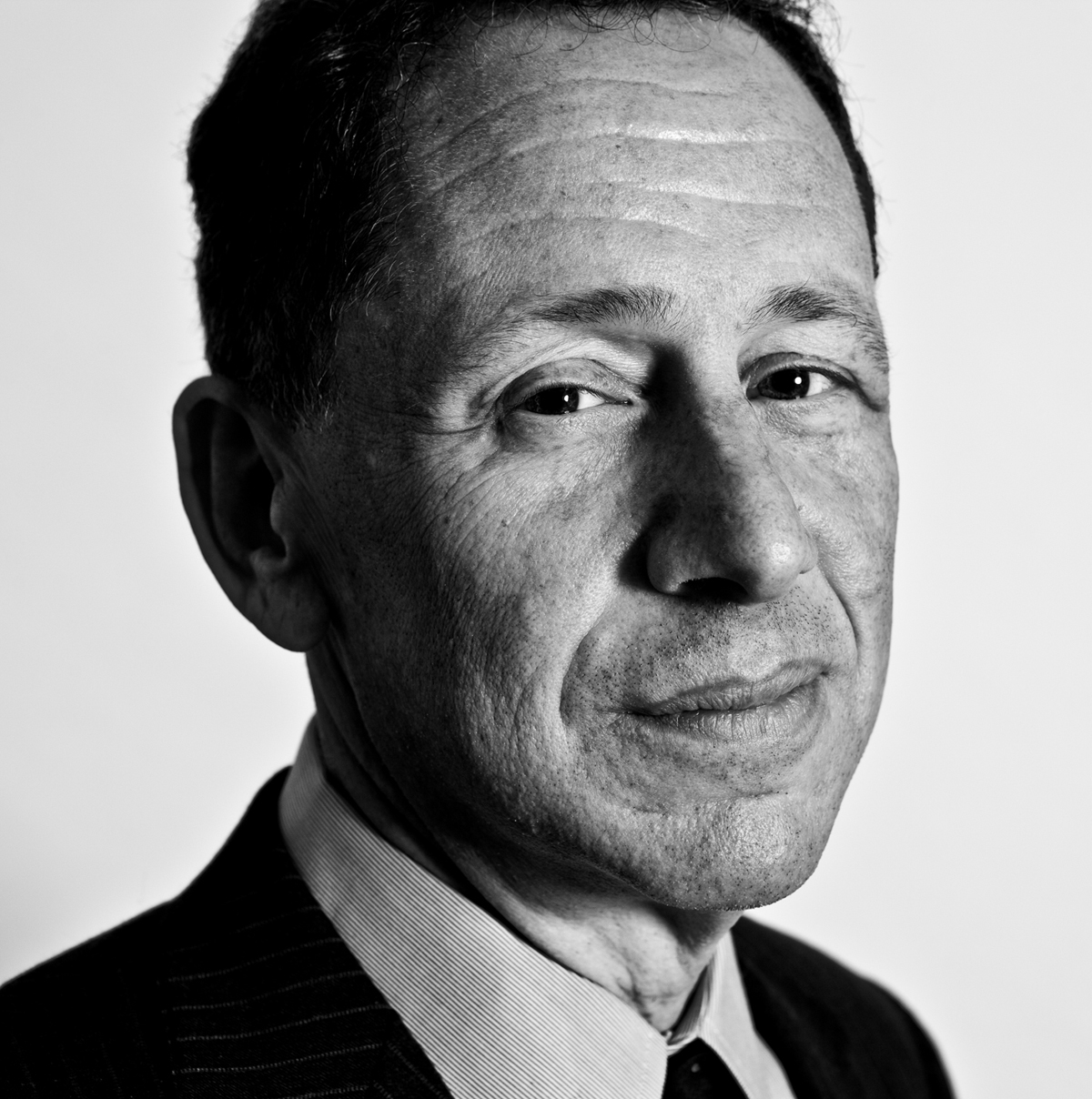
Former Visiting Scholar
David Rothkopf was a visiting scholar at the Carnegie Endowment as well as the former CEO and editor in chief of the FP Group.
Recent Work
David Rothkopf
David Rothkopf
Carnegie does not take institutional positions on public policy issues; the views represented herein are those of the author(s) and do not necessarily reflect the views of Carnegie, its staff, or its trustees.

Before the next wave of EU enlargement takes place, the union needs to grapple with thorny questions of how power is distributed among its members.


Emil Sondaj Hansen, Ditte Brasso Sørensen

The new U.S.–Denmark–Greenland agreement will help Washington exert political, economic, and financial dominance under the guise of security. Yet, it acknowledged Copenhagen’s and Nuuk’s sovereignty on the island.

Marc Pierini

A summer of escalation in the Black Sea has hurt Ukraine economically and is exacerbating world food security. A truce is needed—as is a broader reframing of Europe’s Ukraine strategy.

Thomas de Waal

Are Germany’s economic, industrial, and political struggles becoming a liability for the EU’s ability to rise to the geopolitical moment?

Rym Momtaz, ed.

European Commission President Ursula von der Leyen is about to give her annual address on the state of the EU. Here’s what she won’t—but should—say.
Rym Momtaz