

Commentary
The wars in Ukraine and the Middle East are existential threats to Europe as a peace project. Leaders and citizens alike must reaffirm their solidarity to face up to today’s multifaceted challenges.
Marc Pierini
{
  "authors": [
    "Anders Aslund",
    "Kalman Mizsei"
  ],
  "type": "legacyinthemedia",
  "centerAffiliationAll": "dc",
  "centers": [
    "Carnegie Endowment for International Peace"
  ],
  "collections": [],
  "englishNewsletterAll": "ctw",
  "nonEnglishNewsletterAll": "",
  "primaryCenter": "Carnegie Endowment for International Peace",
  "programAffiliation": "russia",
  "programs": [
    "Russia and Eurasia"
  ],
  "projects": [],
  "regions": [
    "Ukraine"
  ],
  "topics": [
    "Political Reform",
    "Democracy",
    "Economy",
    "Trade"
  ]
}
REQUIRED IMAGE
Source: The Financial Times
Ukraine's democratic revolution has brought Viktor Yushchenko a convincing victory. But President Yushchenko will have only a brief honeymoon. The Ukrainian state is pervasively corrupt and a few privileged businessmen and bureaucrats benefit richly. He has a fleeting opportunity to end their domination and at last put the state at the service of the public.
The political system that takes root in Ukraine and the country's economic prosperity are crucial to Europe's stability. Ukraine is bigger in land mass than Germany and the UK combined, with 47m people. It is the state with the longest shared border with the EU.
The Orange Revolution showed a society united in demanding democracy, freedom, law and order, and an end to corruption. Mr Yushchenko must meet these demands swiftly and comprehensively. He has a strong popular mandate; hundreds of good draft laws are ready for adoption; and a wealth of transition expertise gleaned from the experience of neighbouring countries is within reach.
But Mr Yushchenko will have to work fast. December's political compromise will shift many presidential powers to the parliament by September. Although he has a majority there, parliament is dominated by wealthy businessmen with their own narrow interests, and their support may be fleeting.
The United Nations Development Programme last summer asked a commission to draft a reform programme for Ukraine's next president. We served as members, and are now presenting dozens of recommendations in Proposals to the President: A New Wave of Reform.
First, political reform must make democracy and freedom a reality. Second, judicial reform must provide a firm foundation for the rule of law. Third, the state must be deprived of arbitrary powers of ownership, taxation, regulation and inspection because these inhibit commerce and breed corruption. Fourth, the state must cater better to social needs. Finally, Ukraine must be allowed to transform its "European choice" from a political slogan into a geopolitical reality.
Reforming the state is at the heart of our policy recommendations. Rapid private sector growth is the engine behind Ukraine's recent successes, but the state remains a failure. Political reform is the remedy. A consensus calls for a transition from presidential power to parliamentary rule, but the current proposals leave too much power with the parliamentary speaker and the prosecutor-general. A clear division of powers is needed, and decision makers must be made accountable.
A public administration worthy of a democracy must be created, staffed by civil servants rather than cronies. They should receive decent salaries rather than living off bribes. The rights of ordinary citizens in their dealings with the state should be protected. This includes the right to information. The parliament should adopt quickly a public information act, opening all public documents to scrutiny, with exceptions only for national security and individual privacy.
Massive corruption is likely to persist until civil servants no longer have so much to sell. One solution is to complete privatisation processes that have stalled. Another is to eliminate the plethora of inspections and permits required to conduct business. A modern tax code should be adopted, reducing the number of taxes and their rates, while eliminating loopholes. Proper corporate and financial legislation should be enacted to counteract the excessive concentration of Ukrainian big business and ensure protection of minority shareholders. The dozens of financial acts that have been drafted should be promulgated.
Ukraine's Orange Revolution was an eloquent appeal for inclusion in the world community. A first step would be Ukraine's accession to the World Trade Organisation in 2005. But the Ukrainians' great dream is membership of the EU. The EU should keep open this prospect. In the short term, it should draft a more generous action plan, with better access for both Ukrainian exports and Ukrainian citizens eager to travel and study abroad. Ukrainians stood up for European values with courage and dignity in the icy days of November and December. Europe should return the compliment and enable this new wave of reforms to succeed by offering Ukraine the prospect of its own rightful place in the common European home.
Kalman Mizsei is assistant administrator of the United Nations Development Programme. Anders Aslund is director of the Russian and Eurasian programme at the Carnegie Endowment for International Peace
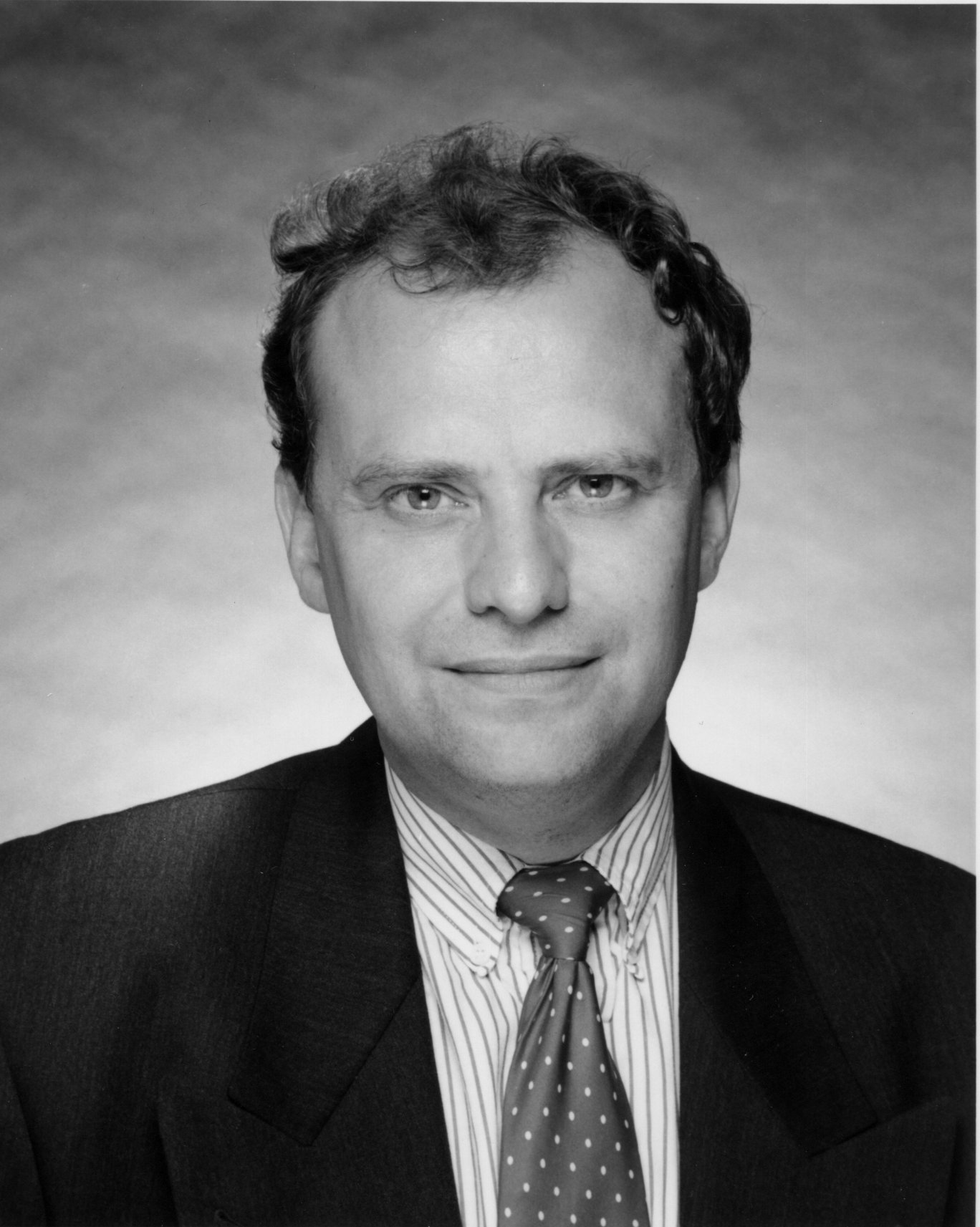
Former Senior Associate, Director, Russian and Eurasian Program
Kalman Mizsei
United Nations Development Program
Carnegie does not take institutional positions on public policy issues; the views represented herein are those of the author(s) and do not necessarily reflect the views of Carnegie, its staff, or its trustees.
The wars in Ukraine and the Middle East are existential threats to Europe as a peace project. Leaders and citizens alike must reaffirm their solidarity to face up to today’s multifaceted challenges.

Marc Pierini
Hungarians head to the polls on April 12 for an election of national and European consequence. Three different outcomes are on the cards, each with their own implications for the EU.
Zsuzsanna Szelényi
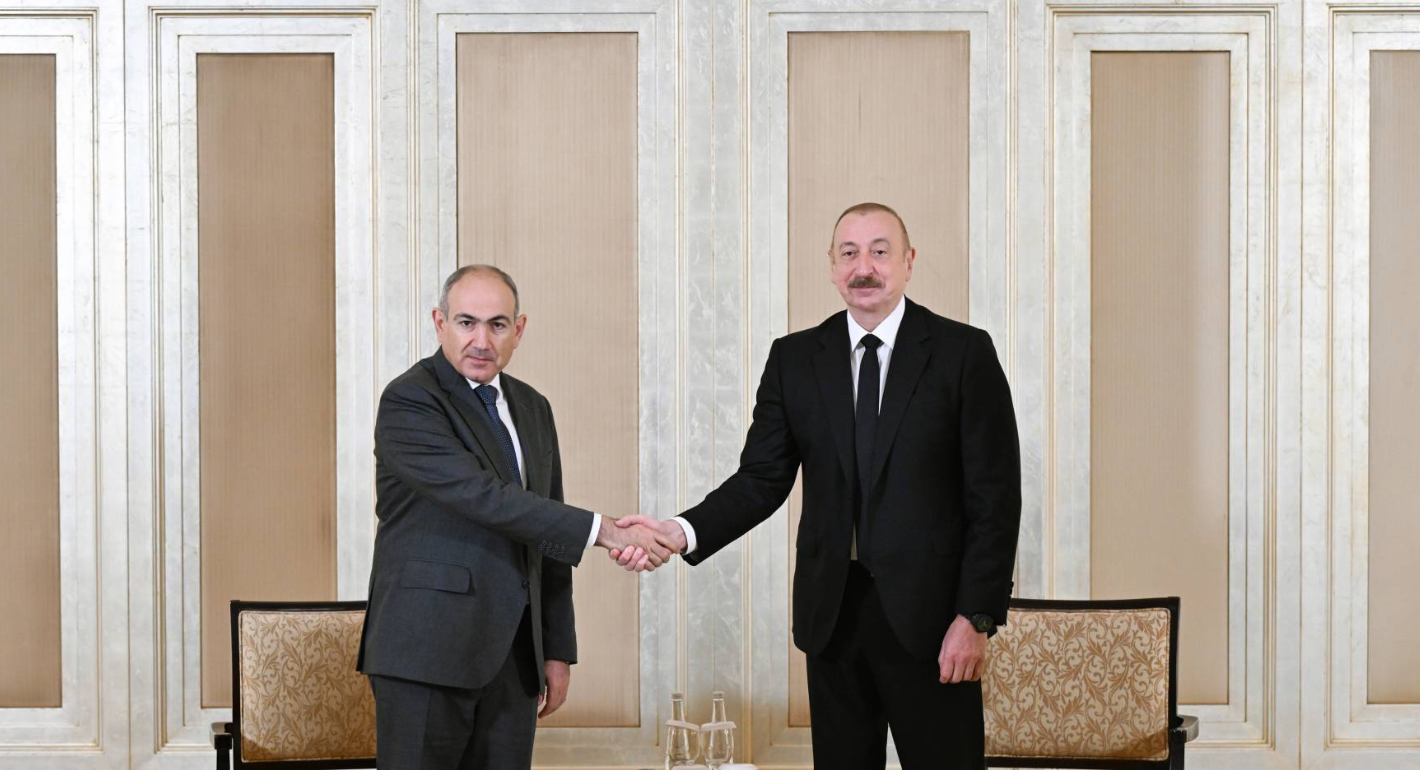
The U.S.-sponsored TRIPP deal is driving the Armenia-Azerbaijan peace process forward. But foreign and domestic hurdles remain before connectivity and economic interdependence can open up the South Caucasus.


Thomas de Waal, Areg Kochinyan, Zaur Shiriyev
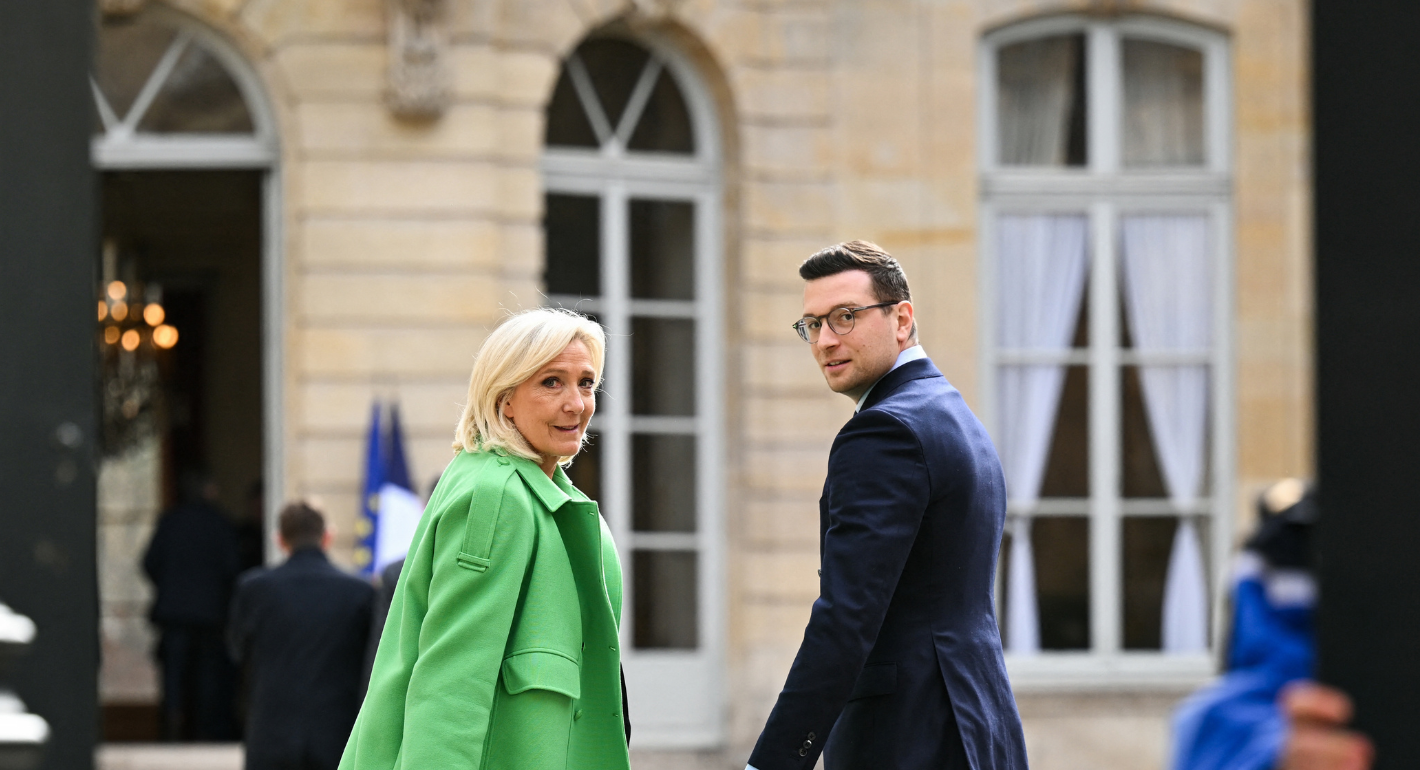
The far right failed to win big in France’s municipal elections. But that’s not good news for the country’s left wing, which remained disunited while the broader right consolidated its momentum ahead of the 2027 presidential race.
Catherine Fieschi
The EU is structurally incapable of reacting to today’s foreign policy crises. The union must fold the EEAS into the European Commission and create a security council better prepared to take action on the global stage.

Stefan Lehne