

Article
Dr. Albert Keidel
{
  "authors": [
    "Albert Keidel"
  ],
  "type": "legacyinthemedia",
  "centerAffiliationAll": "dc",
  "centers": [
    "Carnegie Endowment for International Peace"
  ],
  "collections": [],
  "englishNewsletterAll": "asia",
  "nonEnglishNewsletterAll": "",
  "primaryCenter": "Carnegie Endowment for International Peace",
  "programAffiliation": "AP",
  "programs": [
    "Asia"
  ],
  "projects": [],
  "regions": [
    "China"
  ],
  "topics": [
    "Economy",
    "Trade",
    "Military"
  ]
}
REQUIRED IMAGE
Source: Financial Times
Letter to the Editor
Sir, I was pleased to be interviewed for your article "A Dollar Dilemma," but I was disappointed to see that both it and the accompanying piece, "The Clock Ticks in Washington as Friends Drift Away," left the reader with an impression that everyone agrees that China is not practicing fair trade. In fact, like myself and a number of internationally more prominent economists, the World Bank, the International Monetary Fund, and the U.S. Treasury all agree that China's exchange rate does not provide an unfair trade advantage.
The piece relies heavily on quotes from U.S. Congressional sponsors of China sanctions legislation who are understandably concerned about the appearance that China has cost their constituents jobs and profits. It neglects differing views from other reputable sources outside China.
Albert Keidel, Senior Associate, Carnegie Endowment for International Peace
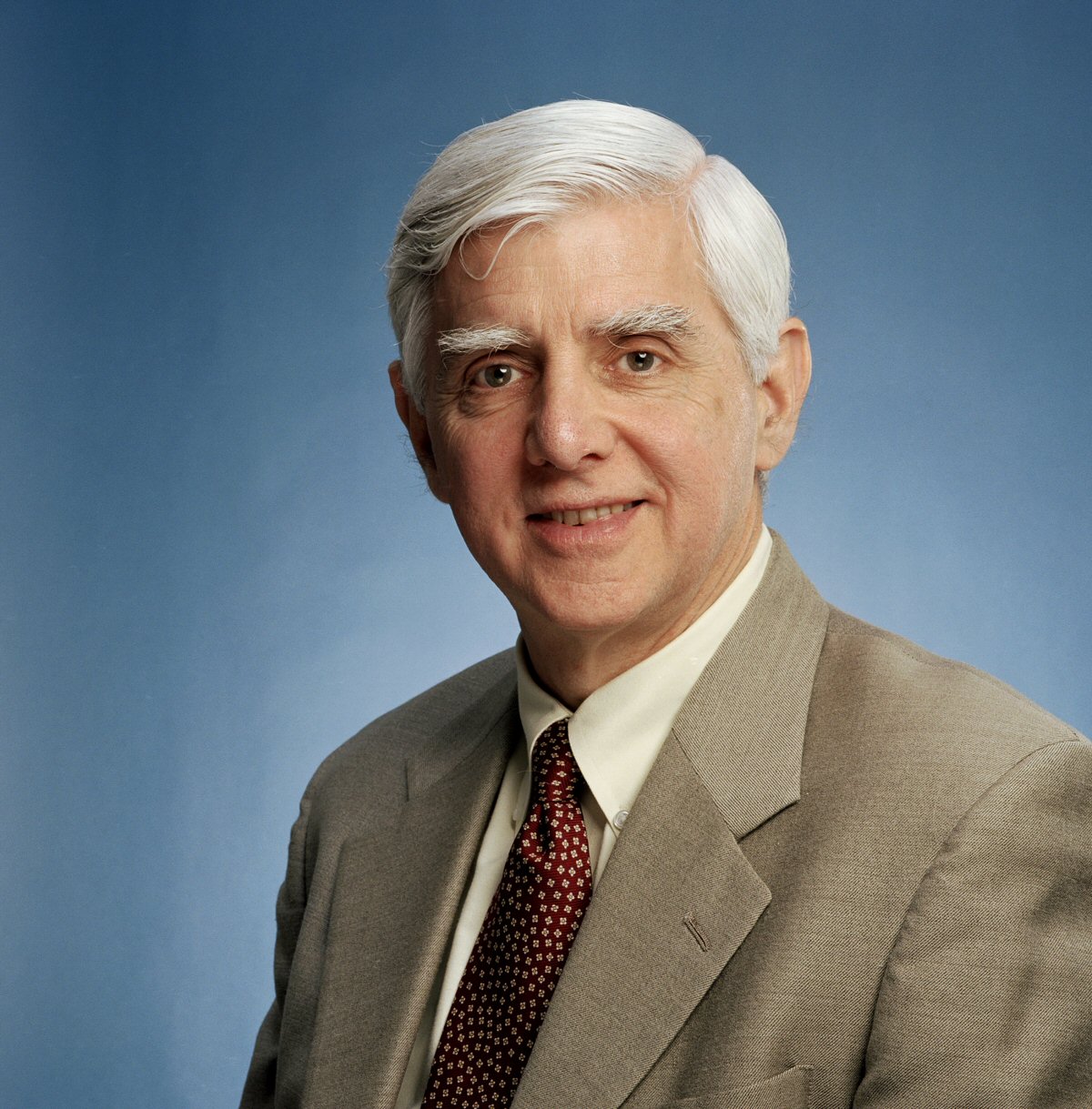
Former Senior Associate, China Program
Keidel served as acting director and deputy director for the Office of East Asian Nations at the U.S. Department of the Treasury. Before joining Treasury in 2001, he covered economic trends, system reforms, poverty, and country risk as a senior economist in the World Bank office in Beijing.
Recent Work
Dr. Albert Keidel
Dr. Albert Keidel

With its public finances in shambles, the far right polling at 35 percent ahead of the 2027 presidential election, and a growing protest movement, is France’s crisis a threat to the EU’s geopolitical awakening?

Rym Momtaz, ed.

Ahead of a tough winter for Ukraine, Donald Trump’s swing back toward Russia bodes ill. But instead of panicking, Kyiv’s European allies are focusing on action.
Rym Momtaz

While the EU and European governments are embracing the much-lauded middle-power moment, this entails three difficult conundrums.

Richard Youngs

Europe is facing rising populism internally as well as external pressures from Russia, China, Turkey, and the United States.

Dimitar Bechev

Much has been said of the changes Brussels is trying to make to the EU enlargement process. Here’s why gradual integration might—or might not—be the answer.
Dimitar Bechev