

Article
Amr Hamzawy
{
  "authors": [
    "Amr Hamzawy"
  ],
  "type": "other",
  "centerAffiliationAll": "dc",
  "centers": [
    "Carnegie Endowment for International Peace"
  ],
  "collections": [],
  "englishNewsletterAll": "democracy",
  "nonEnglishNewsletterAll": "",
  "primaryCenter": "Carnegie Endowment for International Peace",
  "programAffiliation": "DCG",
  "programs": [
    "Democracy, Conflict, and Governance",
    "Middle East"
  ],
  "projects": [],
  "regions": [
    "Middle East",
    "Egypt"
  ],
  "topics": [
    "Political Reform",
    "Democracy"
  ]
}
REQUIRED IMAGE
In Egypt’s first-ever multicandidate presidential election on September 7, opponents to President Mubarak’s regime performed poorly, and Mubarak swept the election with 88.6 percent of the vote to secure his fifth presidential term. But is this landslide victory a mandate for the ruling party’s power and policies?
Source: Carnegie Endowment
In Egypt’s first-ever multicandidate presidential election on September 7, opponents to President Mubarak’s regime performed poorly, and Mubarak swept the election with 88.6 percent of the vote to secure his fifth presidential term. But is this landslide victory a mandate for the ruling party’s power and policies? Or does the election outcome merely signify Egyptian opposition’s current marginality, which must be overcome to bolster democratic reforms?
In this new Policy Outlook, Carnegie Senior Associate Amr Hamzawy provides analyses of the opposition’s strategies and performance in the presidential election. He argues that the National Democratic Party’s continued entrenchment in state institutions and the ongoing partial repression of political activity are major factors in the weakness of the opposition. In addition, Hamzawy states that the opposition forces’ own internal weaknesses and miscalculations have also contributed to their problematic situation. Without well-defined platforms, Egypt’s opposition will lose credibility and remain unable to mobilize broad constituencies for political reform.
Click on the link above for the full text of this Policy Outlook.
About the Author
Amr Hamzawy is a senior associate in the Democracy and Rule of Law Project at the Carnegie Endowment.

Director, Middle East Program
Amr Hamzawy is a senior fellow and the director of the Carnegie Middle East Program. His research and writings focus on Egypt’s and other middle powers’ involvement in regional security in the Middle East, particularly through collective diplomacy and multilateral conflict resolution
Recent Work
Amr Hamzawy


Amr Hamzawy, Andrew Leber, Eric Lob, …
Carnegie does not take institutional positions on public policy issues; the views represented herein are those of the author(s) and do not necessarily reflect the views of Carnegie, its staff, or its trustees.
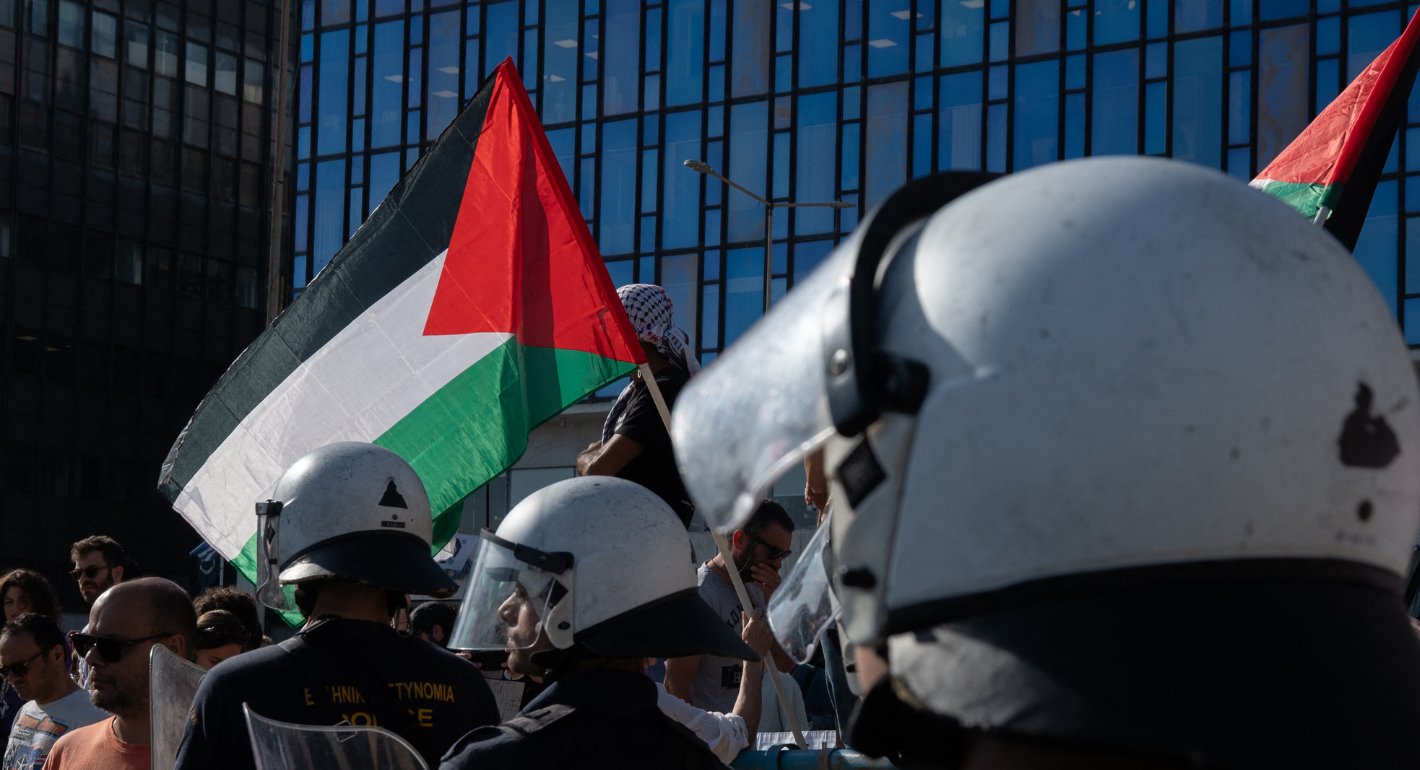
The battle over free speech has taken center stage since U.S. Vice President JD Vance accused Europe of censorship. From travel bans to social media regulation, especially around the Israel-Palestine conflict, are liberal democratic governments weaponizing free speech?

Rym Momtaz, ed.
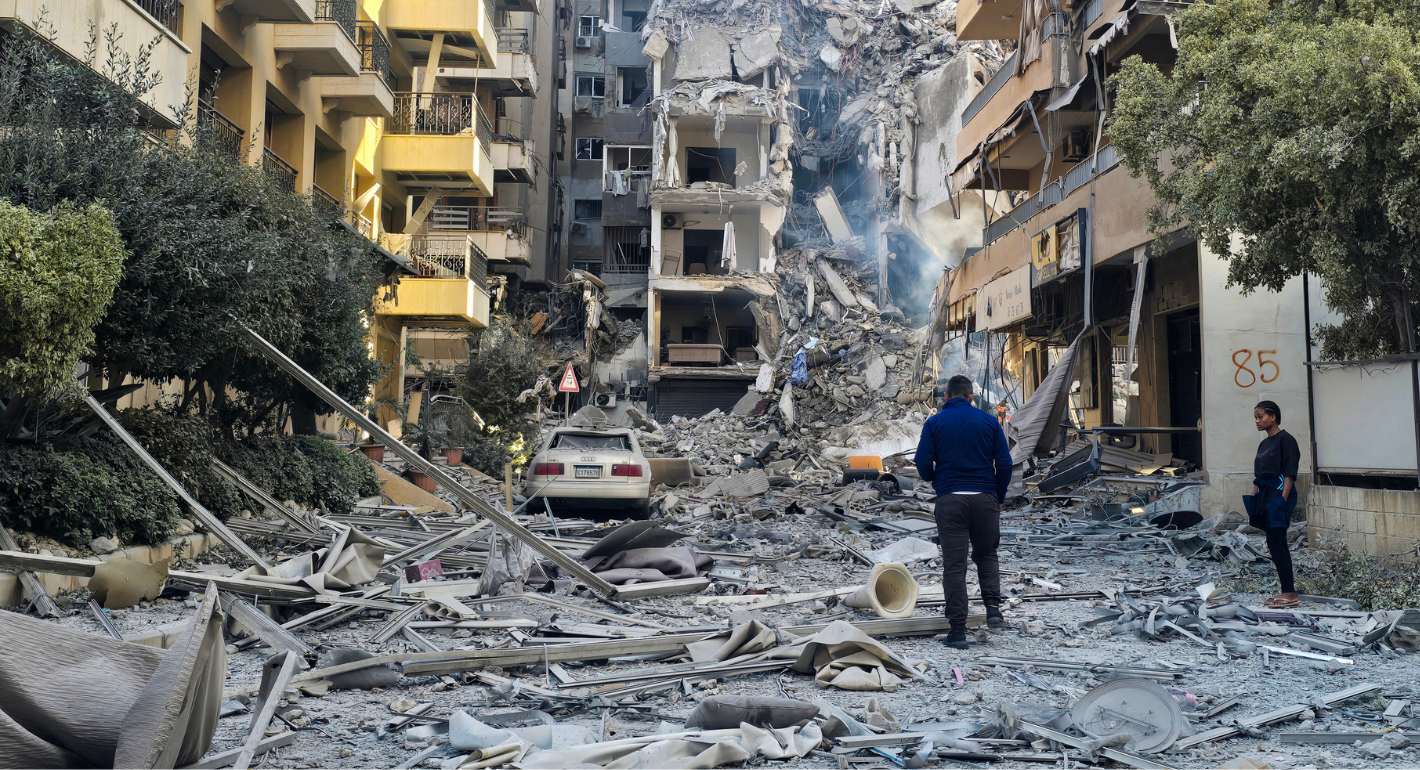
Europe seems to have accepted its sidelining in the Middle East. The EU must reassert its support for the international rules-based order and step up engagement.
Rym Momtaz
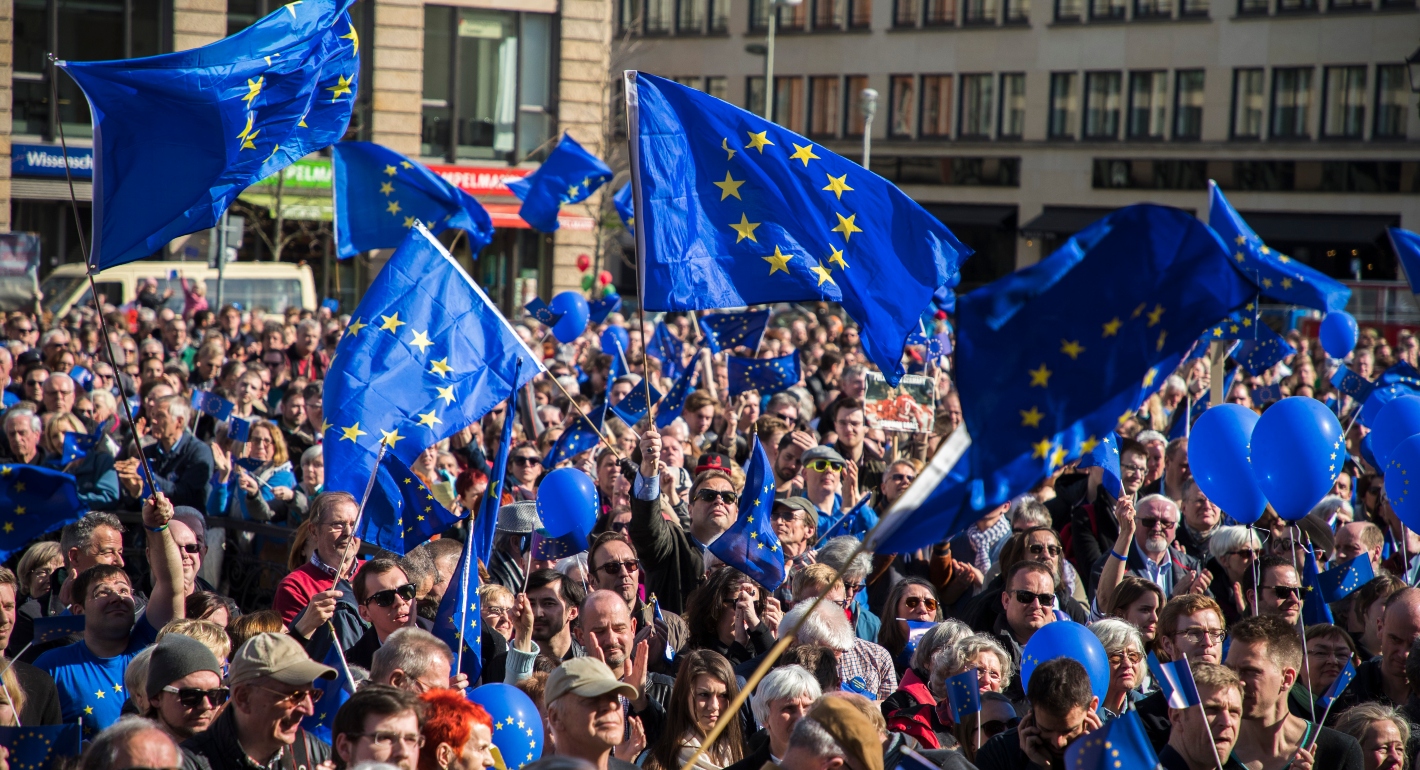
Preparing candidate countries for EU membership is no longer enough. As the enlargement process becomes a reality, the union must also prepare its own societies.

Iliriana Gjoni
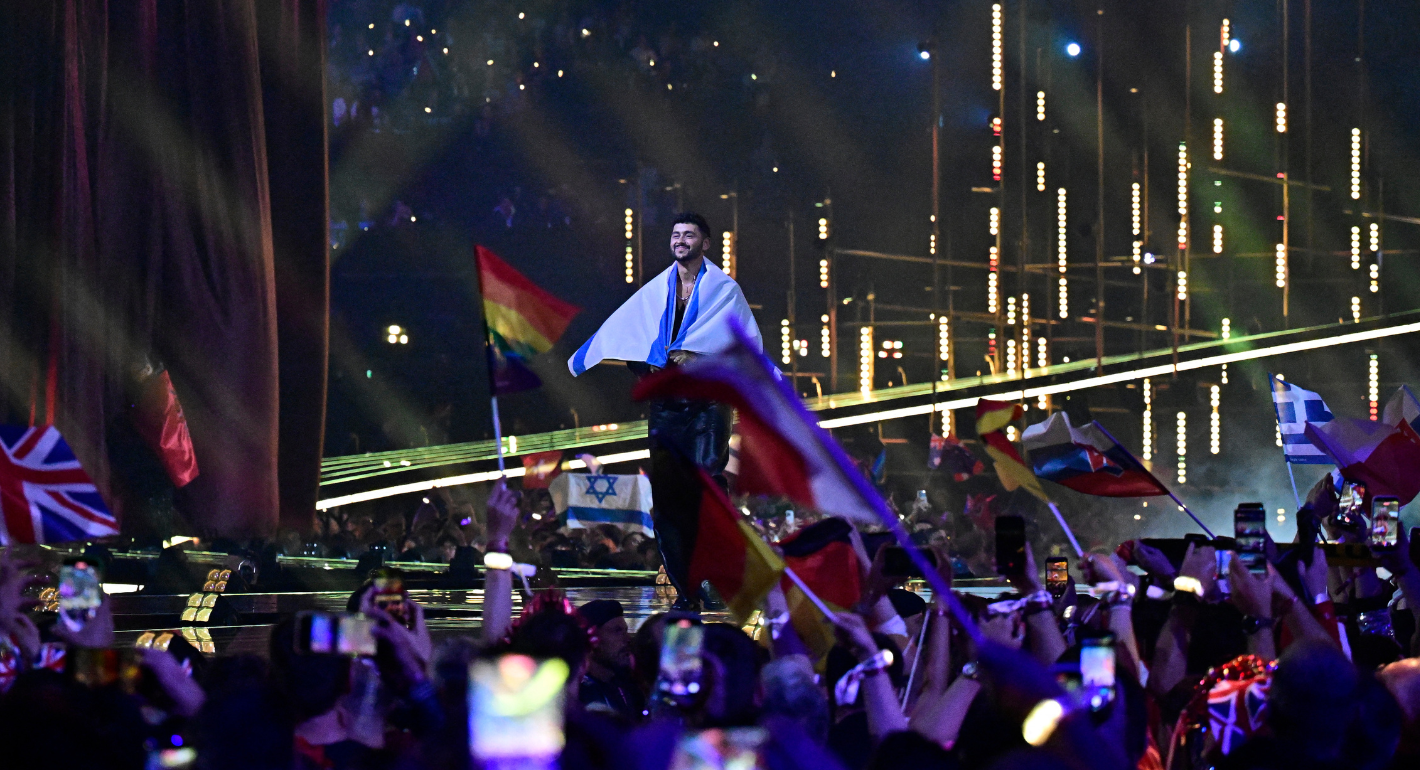
Five countries staged the biggest political boycott in Eurovision history over Israel’s participation. With the FIFA World Cup and other sporting or cultural touchstones on the horizon, are boycotts effective?
Rym Momtaz, ed.
Countries face several hurdles in joining the EU, including the final stage of ratifying their accession treaties. Procedural reforms and substantive adjustments could help move the process forward.

Stefan Lehne