

Commentary
Montenegro and Albania are frontrunners for EU enlargement in the Western Balkans, but they can’t just sit back and wait. To meet their 2030 accession ambitions, they must make a strong positive case.
Dimitar Bechev, Iliriana Gjoni
{
  "authors": [],
  "type": "pressRelease",
  "centerAffiliationAll": "dc",
  "centers": [
    "Carnegie Endowment for International Peace"
  ],
  "collections": [],
  "englishNewsletterAll": "democracy",
  "nonEnglishNewsletterAll": "",
  "primaryCenter": "Carnegie Endowment for International Peace",
  "programAffiliation": "DCG",
  "programs": [
    "Democracy, Conflict, and Governance",
    "Middle East"
  ],
  "projects": [],
  "regions": [
    "Lebanon"
  ],
  "topics": [
    "Political Reform",
    "Democracy"
  ]
}
REQUIRED IMAGE
After the dramatic changes in Lebanese politics last year, the sense of forward momentum has been lost. Lebanon’s confessional system, defined primarily by a fixed sectarian balance of power, is firmly in place and the looming presence of Syria is still casting a long shadow over political life.
Contact: Jennifer Linker, 202/939-2372, jlinker@CarnegieEndowment.org
For Immediate Release: January 11, 2006
After the dramatic changes in Lebanese politics last year, the sense of forward momentum has been lost. Lebanon’s confessional system, defined primarily by a fixed sectarian balance of power, is firmly in place and the looming presence of Syria is still casting a long shadow over political life. Can Lebanon find a way forward to realize the democratic promise of last year’s breakthrough? In a new Carnegie Paper from the Democracy & Rule of Law Project, Lebanon: Finding a Path from Deadlock to Democracy, Project Associate Julia Choucair writes a detailed historical overview of Lebanon’s political challenges and provides analysis of its future democratic prospects.
Direct link to paper: http://www.carnegieendowment.org/files/CP64.Choucair.FINAL1.pdf
Choucair argues that the lack of a central authority with institutionalized decision-making capabilities is Lebanon’s primary impediment to democratic change. Lebanon’s confessional oligarchy has created perpetual political and administrative paralysis; the existing institutions cannot introduce needed reforms for fear that these changes would alter the balance of power among the communities. Today the Lebanese crisis of authority is more pronounced than ever as political forces in Lebanon are increasingly polarized. Syria’s withdrawal has restored Lebanon’s sovereignty, but it has left a power vacuum in its wake.
Lebanon has to find a new political balance among the factions, handle a precarious security situation, redefine its relations with Syria, and launch immediate economic reforms. More than ever these challenges demand a unified and coherent vision for political and economic development.
The Lebanese confessional system is deeply entrenched in politics and society and is not going to change overnight. In the short-run, reform efforts need to focus on making sectarian representation fairer and less of a zero-sum game. Choucair outlines three priority areas: security reform, electoral reform, and economic reform.
Choucair warns that international actors can play a crucial role in the reform process, but they must accept the fact that it cannot start with a direct approach to the big issues—in particular the confessional system and the disarmament of Hezbollah. Reforming Lebanon’s security, electoral law, and economy must be incremental and indirect to be effective.
Julia Choucair is a project associate in the Democracy and Rule of Law Project and is assistant editor of Carnegie’s e-monthly, the Arab Reform Bulletin. Visit: www.CarnegieEndowment.org/democracy
###
Carnegie does not take institutional positions on public policy issues; the views represented herein are those of the author(s) and do not necessarily reflect the views of Carnegie, its staff, or its trustees.
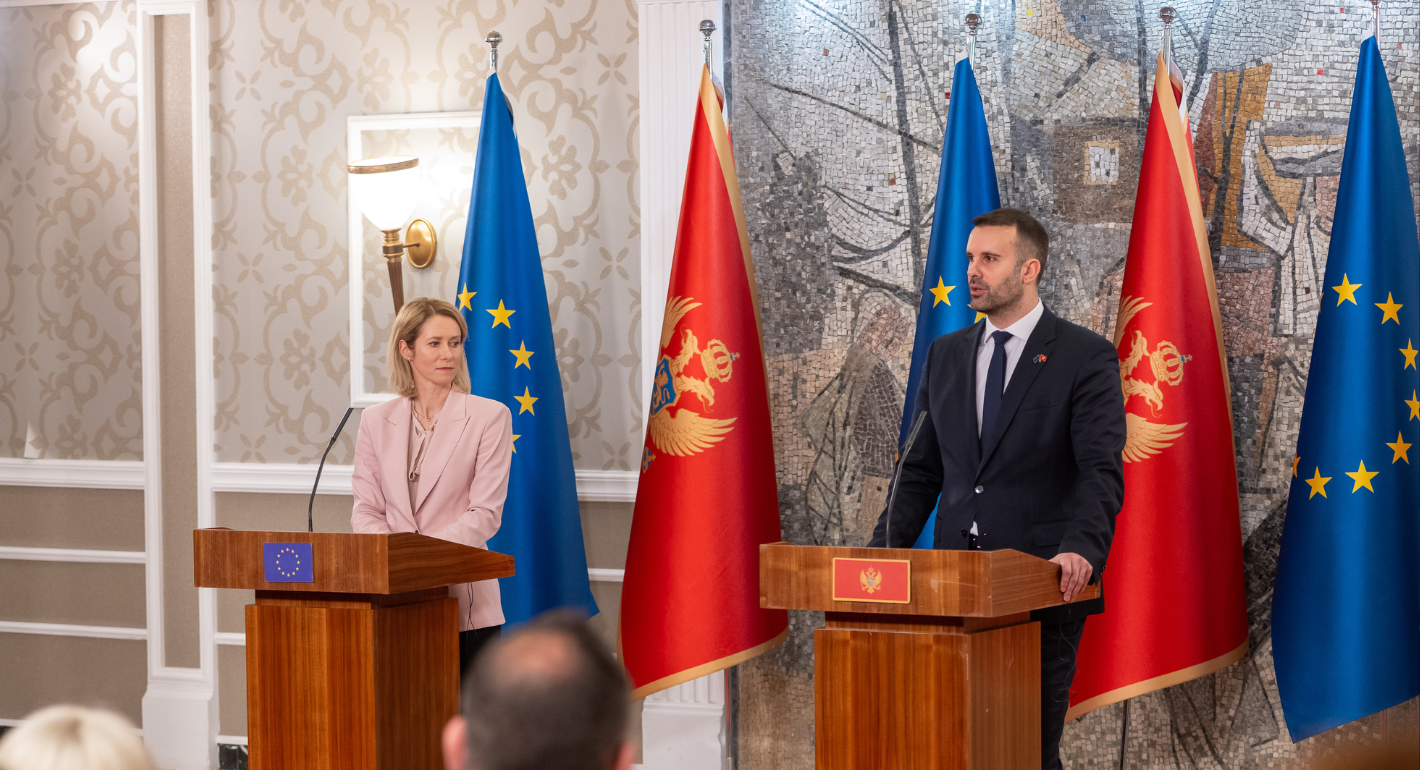
Montenegro and Albania are frontrunners for EU enlargement in the Western Balkans, but they can’t just sit back and wait. To meet their 2030 accession ambitions, they must make a strong positive case.


Dimitar Bechev, Iliriana Gjoni
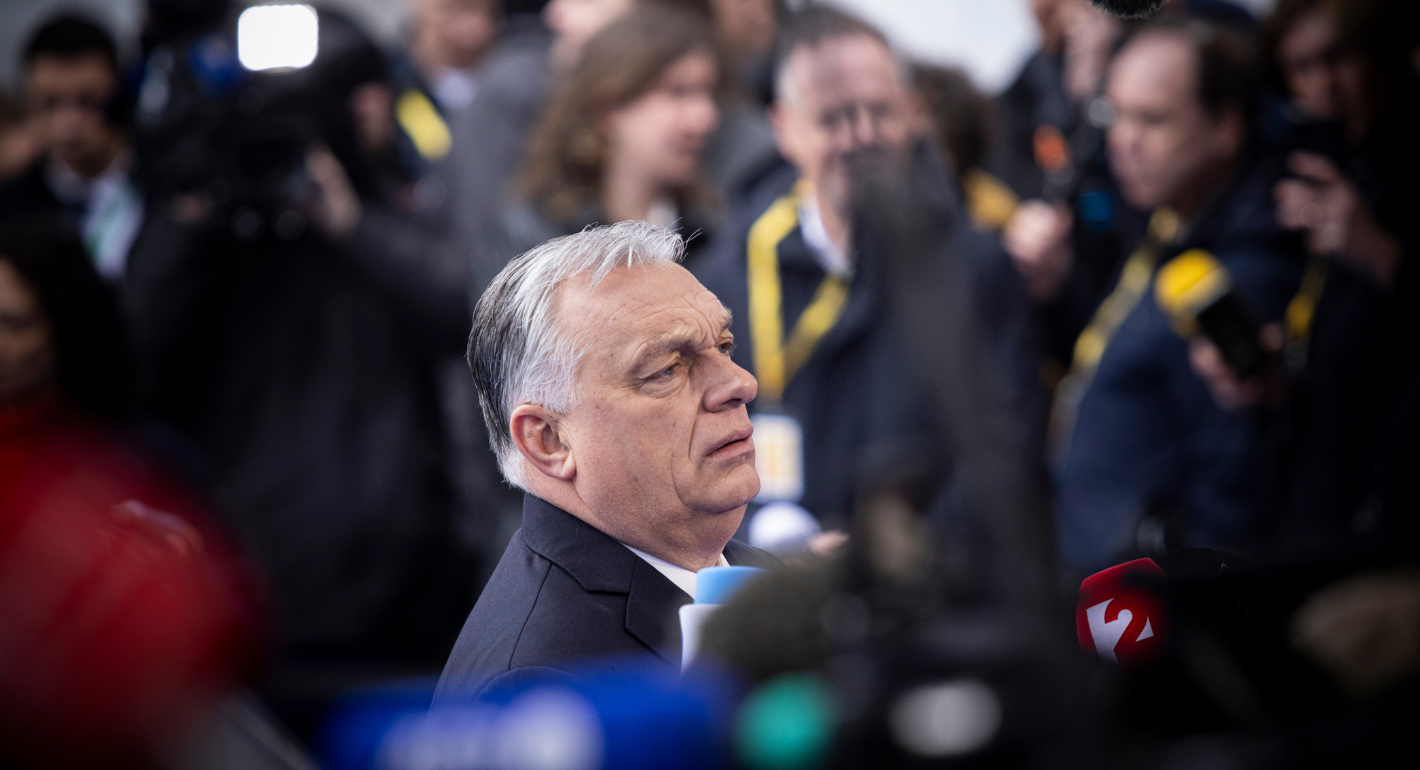
Hungarians head to the polls on April 12 for an election of national and European consequence. Three different outcomes are on the cards, each with their own implications for the EU.

Zsuzsanna Szelényi
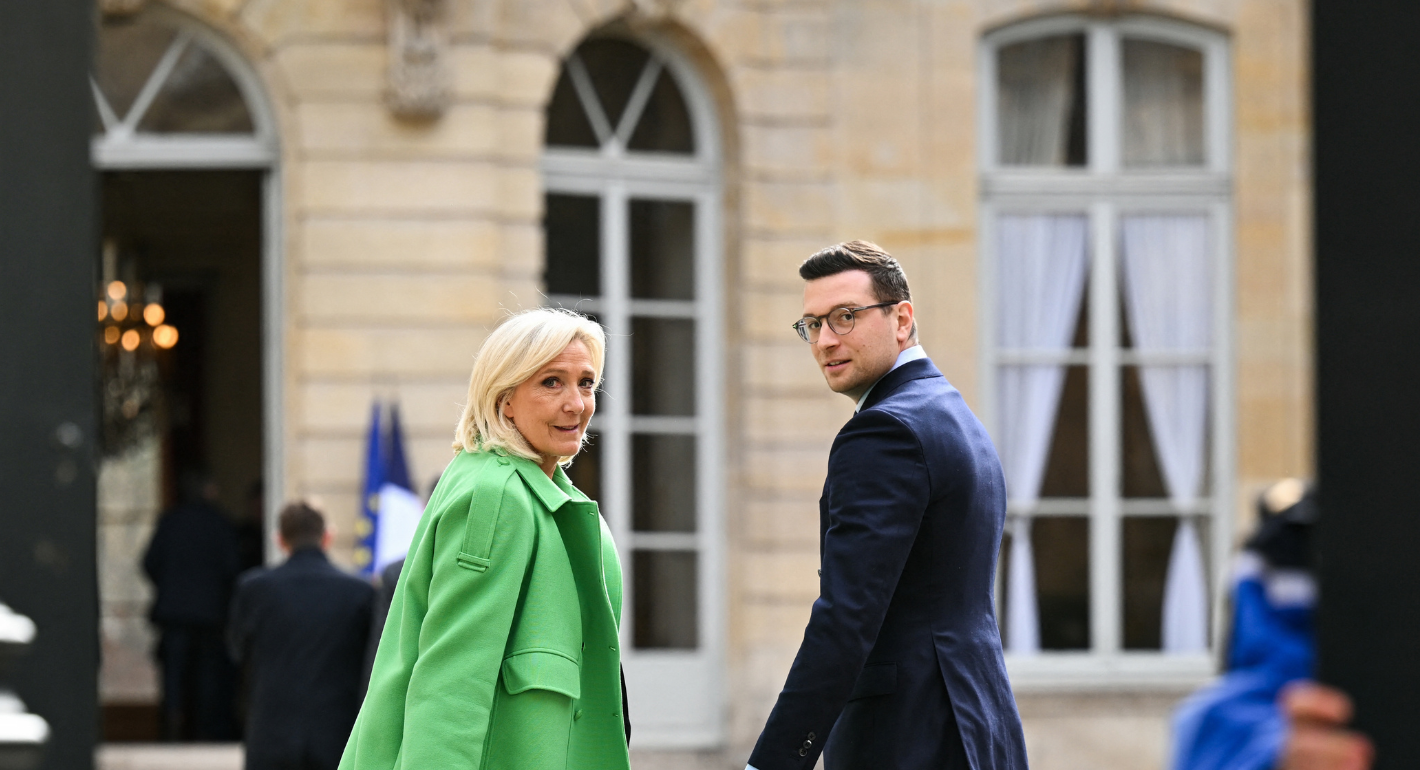
The far right failed to win big in France’s municipal elections. But that’s not good news for the country’s left wing, which remained disunited while the broader right consolidated its momentum ahead of the 2027 presidential race.

Catherine Fieschi

Amid increased polarization and the influence of disinformation, radical-right parties are once again gaining traction across Europe. With landmark elections on the horizon in several countries, are the EU’s geostrategic vision and fundamental values under existential threat?

Catherine Fieschi, Cas Mudde
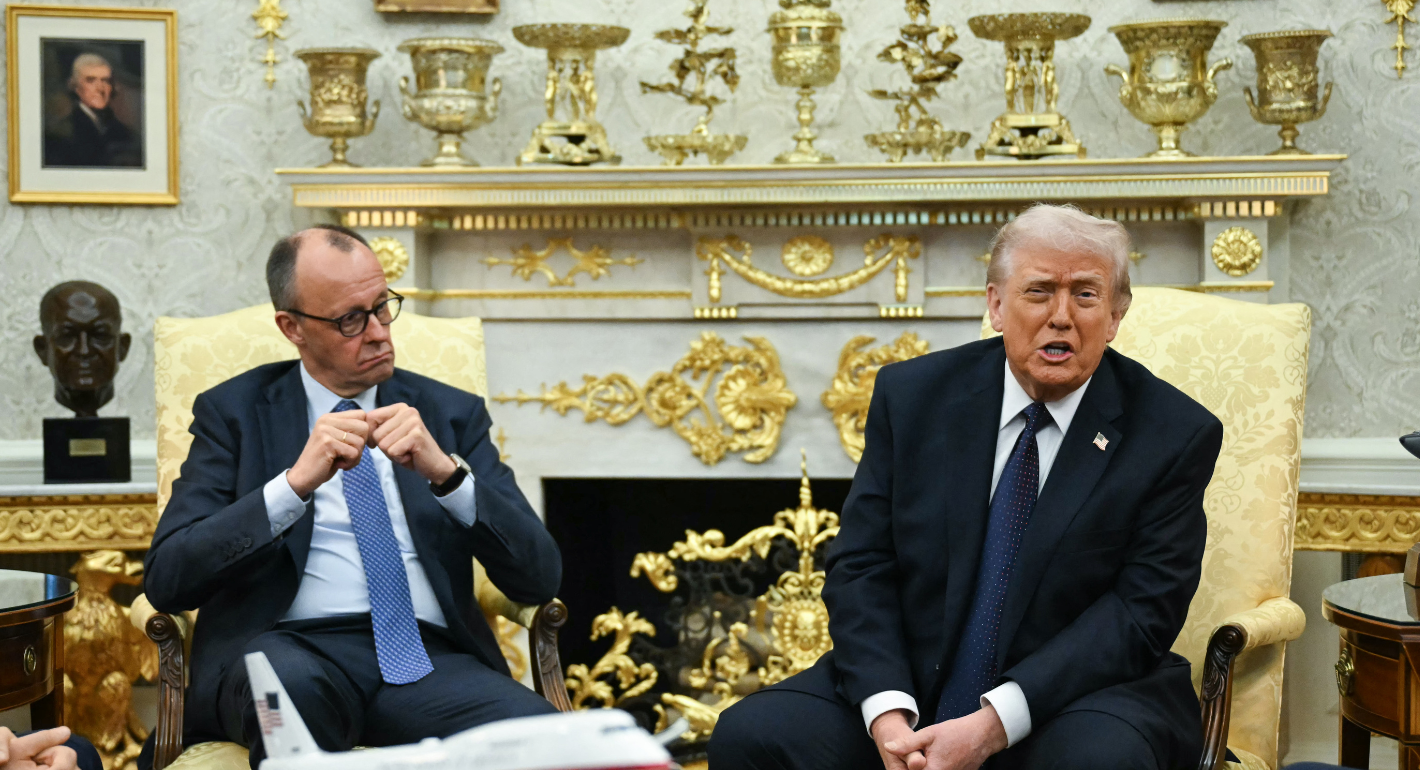
European reactions to the war in Iran have lost sight of wider political dynamics. The EU must position itself for the next phase of the crisis without giving up on its principles.

Richard Youngs