

Commentary
Dmitri Trenin
{
  "authors": [
    "Dmitri Trenin"
  ],
  "type": "legacyinthemedia",
  "centerAffiliationAll": "",
  "centers": [
    "Carnegie Endowment for International Peace",
    "Carnegie Russia Eurasia Center"
  ],
  "collections": [],
  "englishNewsletterAll": "",
  "nonEnglishNewsletterAll": "",
  "primaryCenter": "Carnegie Russia Eurasia Center",
  "programAffiliation": "",
  "programs": [],
  "projects": [],
  "regions": [
    "Caucasus",
    "Russia"
  ],
  "topics": [
    "Foreign Policy"
  ]
}
REQUIRED IMAGE
The US and its European allies continue to insist that Kosovo cannot be held indefinitely in the protectorate limbo and must be given independence. Russia maintains that for the solution to be viable, it must rest on the consent of both parties to the conflict. It is difficult to see how a few more rounds of shuttle diplomacy between Belgrade and Pristina – and slightly heavier lobbying in both places – would break the current impasse. The situation does not bode well for Kosovo and Serbia, the Balkans more broadly and the ‘frozen conflicts' in Transdniestria, Abkhazia or South Ossetia.
Source: EuropeanVoice.com
At their recent angling encounter at Walker's Point, Presidents George W. Bush and Vladimir Putin failed to reach agreement on the Kosovo issue.A collision at the United Nations Security Council has been postponed, but not averted, by the French proposal, at the G8 summit in Heiligendamm, to give the talks another chance, but only for a limited period of time.
It is difficult to see how a few more rounds of shuttle diplomacy between Belgrade and Pristina – and slightly heavier lobbying in both places – would break the current impasse, if even the initiators of the compromise themselves admit that, come what may, Kosovo will declare independence within a year. And no Western government will risk the lives of its soldiers in order to prevent it. If violence occurs, it will be blamed on Serbia's intransigence and Russia's spoiling tactics.
The situation does not bode well for Kosovo and Serbia, the Balkans more broadly and the ‘frozen conflicts' in Transdniestria, Abkhazia or South Ossetia. Half-hearted tinkering will not do. Schadenfreude is short-sighted. The international community needs to try harder.
The formula for solving the conflict is more or less clear. To begin with, one has to accept that the Kosovars will not be ruled by the Serbs and vice versa. Freezing the conflict is not a good option. The Kosovars must be given independence, and the Serbs must be allowed to join Serbia. Partition is a necessity, with the Serb-populated area north of the Ibar River voting in a referendum to unite with Serbia and the rest forming a Kosovar state.
The new state will be made responsible for respecting the rights of those Serbs who would stay within its borders after the partition and for the Serbian Orthodox cultural sites. Those Serbs who decide to leave their homes in the Kosovar state must be given resettlement assistance.
Serbia itself, having accepted the loss of much of Kosovo, should be given a time-plan for EU accession, as well as generous financial assistance to help the transition and get over the trauma of the territorial loss. Kosovo, too, would be given a European perspective and assistance, conditional on its ability to modernise the economy, build institutions, and eradicate crime. It would help that other Balkan countries, such as Albania, Croatia and Macedonia, will be moving ahead along the path of European and transatlantic integration.
How to achieve this? The US is too focused on the Middle East to pay any serious attention to the Balkans. Russia is not a major player, except when it comes to a vote at the UN Security Council. Europe, however, is the principal outside player and is already heavily involved. It should step to the fore. It needs to do another Dayton, this time in the ‘Old World'.
In 1995, then US president Bill Clinton virtually kept the leaders of Serbia, Croatia and Bosnia under lock-and-key at a US Air Force base in Dayton, Ohio, until they reached an agreement on the conflict in Bosnia-Herzegovina, which subsequently died down. Officially, the Bosnian agreement was known as a Dayton-Paris accord, but the salient role of America – and Clinton – was obvious to all.
A dozen years later, the Europeans and the French in particular could achieve glory of their own. Their shuttle diplomacy and lobbying over Kosovo needs to have a clear objective: paving the way to a successful conference – at Rambouillet, if the parties see the light sooner, or at some air force base in central France, if one has to go for some heavier lifting. The diplomatic success will not only resolve another major problem in the Balkans. As a result, there will be more of Europe and more of a union within it.
A decision to go for conflict resolution will be risky. National and personal credibility will be put to a serious test. But the costs of inaction, too, will be considerable at best and disastrous at worst. They, too, need to be taken into account. French President Nicolas Sarkozy, acting in close co-operation with German Chancellor Angela Merkel and other EU leaders, is surely right to take on the challenge. He deserves all the support he can get from everyone, including Russia.
Dimitri Trenin is a senior associate at the Carnegie Endowment for International Peace and deputy director of the Carnegie Moscow Centre.
This article originally appear on EuropeanVoice.com at
ttp://www.europeanvoice.com/archive/article.asp?id=28610
Former Director, Carnegie Moscow Center
Trenin was director of the Carnegie Moscow Center from 2008 to early 2022.
Recent Work
Dmitri Trenin
Dmitri Trenin
Carnegie does not take institutional positions on public policy issues; the views represented herein are those of the author(s) and do not necessarily reflect the views of Carnegie, its staff, or its trustees.
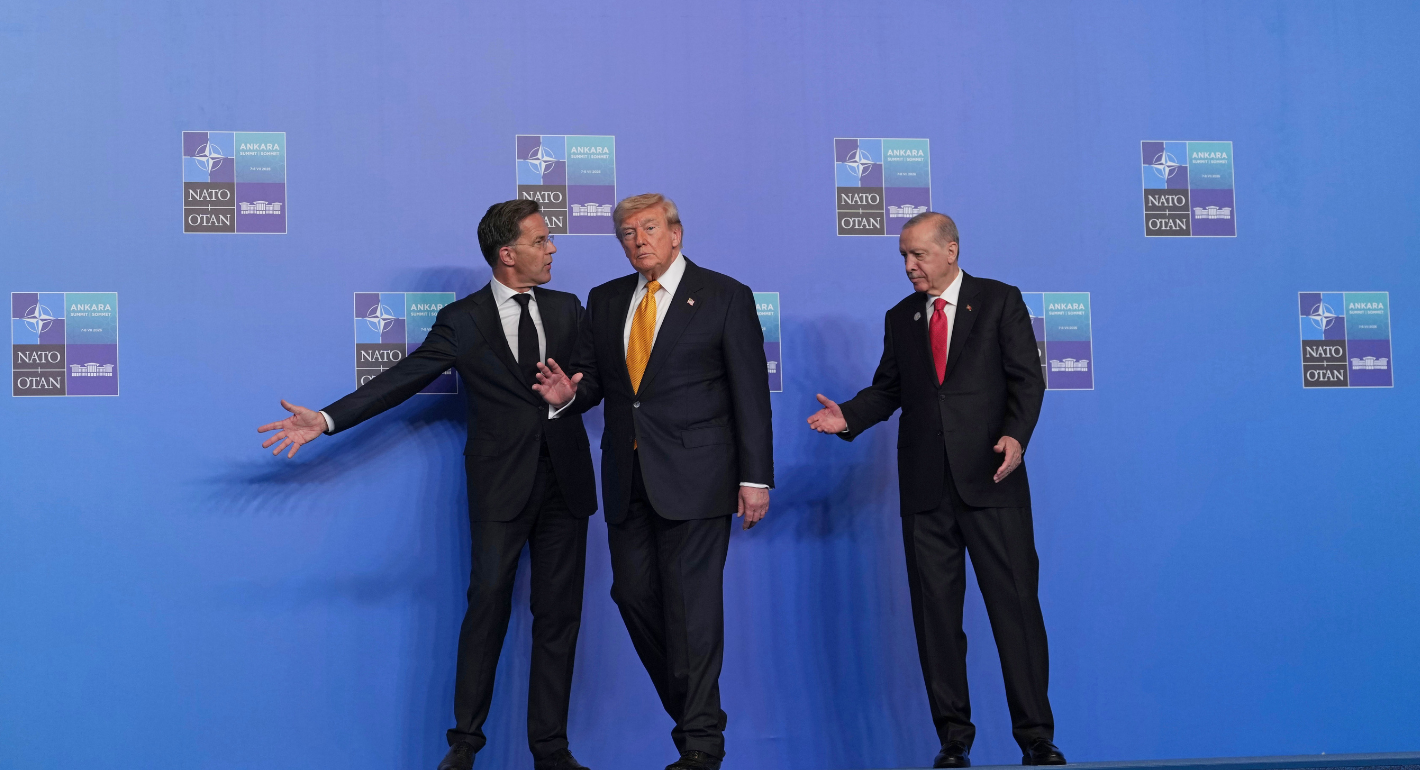
Nearly a year and a half after Europeans leaned into sucking up to Trump, the strategy has produced some benefits when it comes to Ukraine.

Rym Momtaz
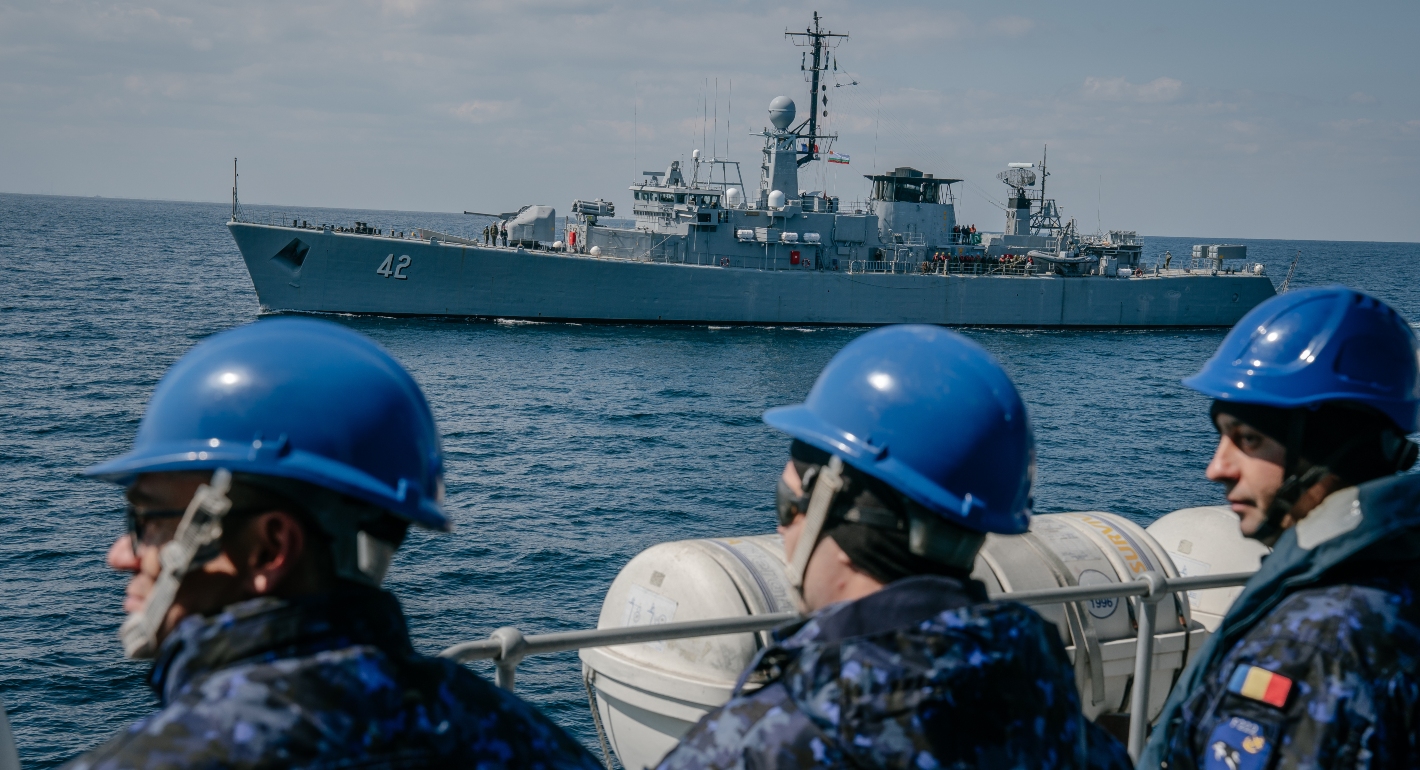
As Russia's war on Ukraine drags on, NATO is expanding its footprint in the Black Sea. Turkey, Romania, and Bulgaria are upgrading their fleets and deepening trilateral cooperation.

Dimitar Bechev
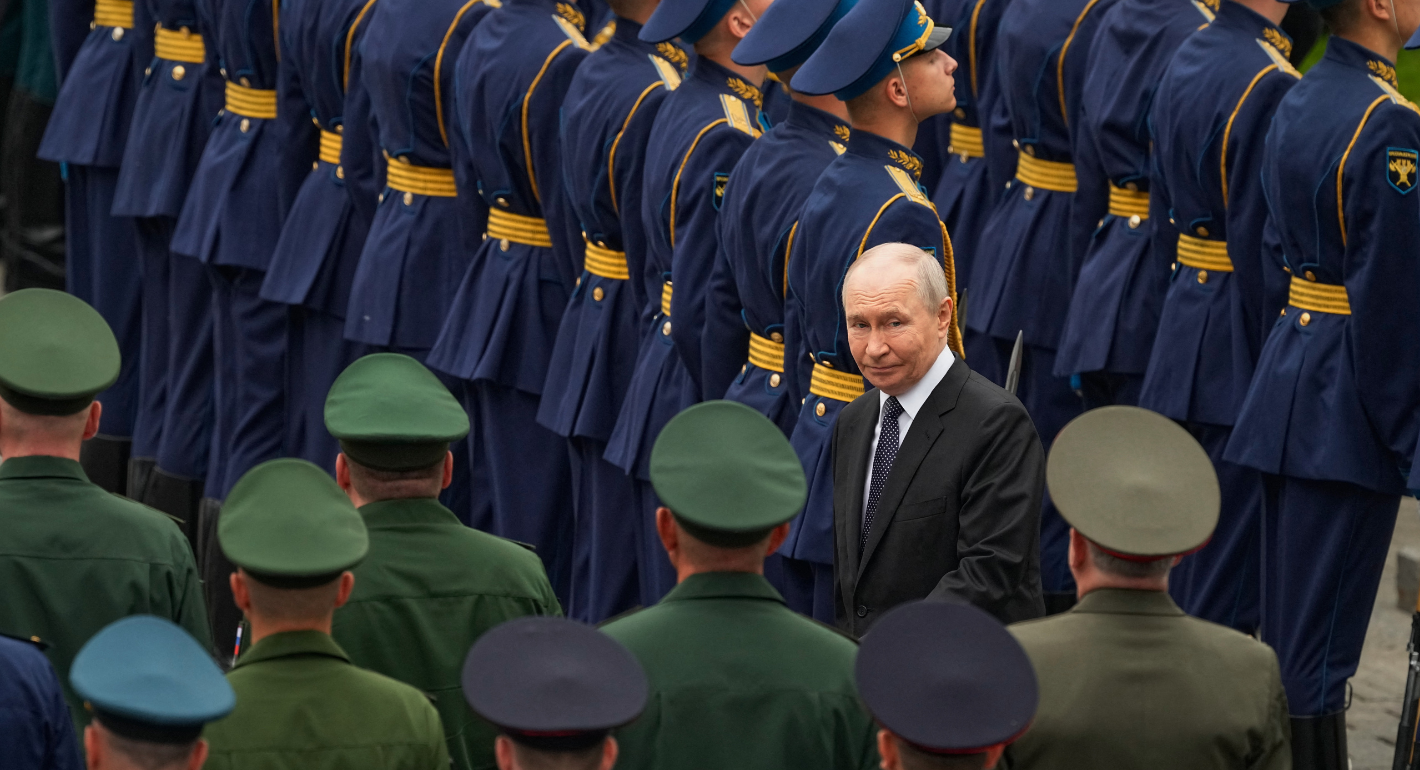
While Russia is not ready to sue for peace on Europe’s terms, it could still either seek a ceasefire in Ukraine or try escalation. Brussels needs to prepare for both and prioritize that preparation over normative discussions.
Kadri Liik
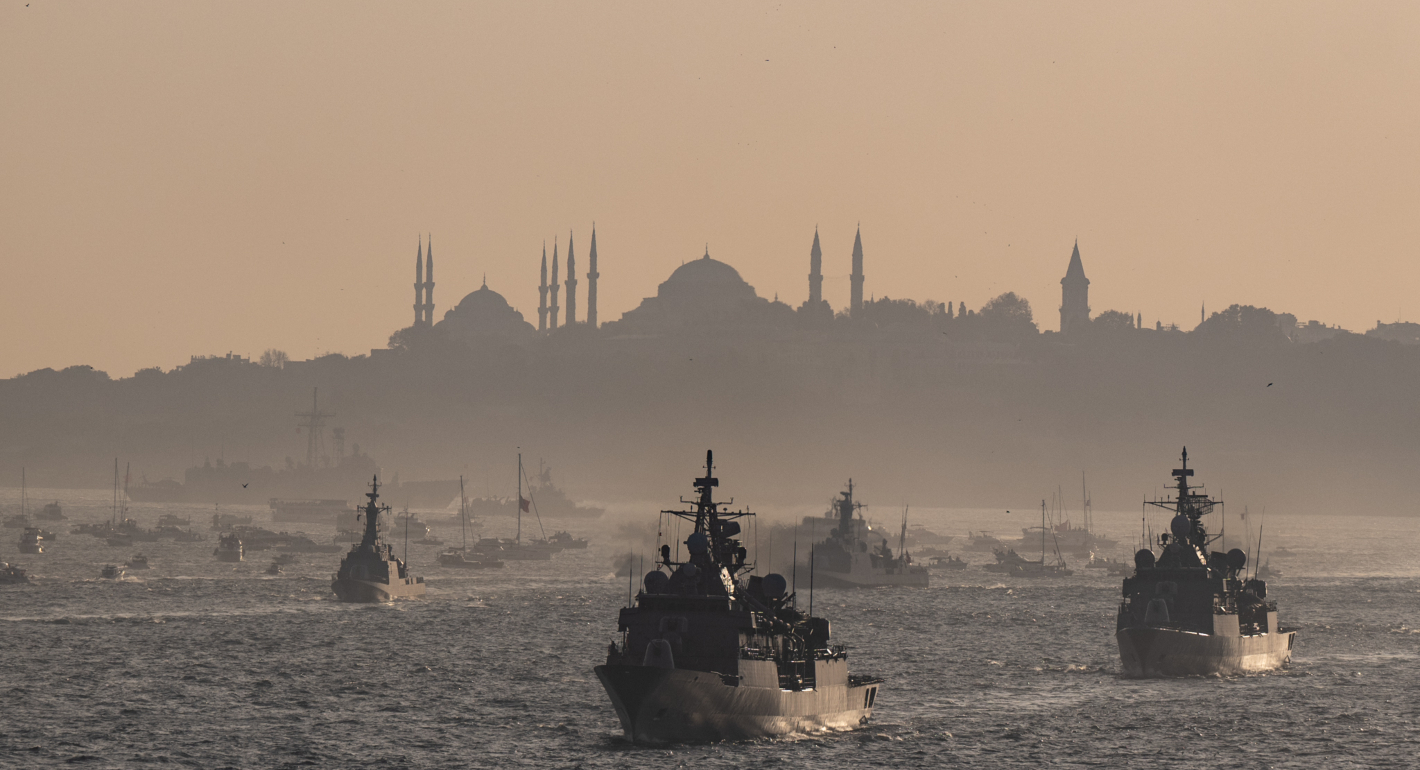
For ninety years, Turkey has been positioned as the principal gatekeeper of Black Sea security. As a result, European and NATO efforts to support Ukraine will require closer engagement with Ankara.

Thomas de Waal
Western Europe’s dual-use infrastructure melted down during its latest heat wave. If a predicted hot weather event can take the continent by surprise, what chance does it have to withstand unexpected geopolitical crises?
Rym Momtaz