

In The Media
Michele Dunne, Robert Kagan
{
  "authors": [
    "Robert Kagan"
  ],
  "type": "legacyinthemedia",
  "centerAffiliationAll": "",
  "centers": [
    "Carnegie Endowment for International Peace"
  ],
  "collections": [],
  "englishNewsletterAll": "",
  "nonEnglishNewsletterAll": "",
  "primaryCenter": "Carnegie Endowment for International Peace",
  "programAffiliation": "",
  "programs": [],
  "projects": [],
  "regions": [
    "North America",
    "United States",
    "Middle East",
    "Iran"
  ],
  "topics": [
    "Military",
    "Foreign Policy",
    "Nuclear Policy"
  ]
}
REQUIRED IMAGE
Regardless of what one thinks about the National Intelligence Estimate's conclusion that Iran stopped its nuclear weapons program in 2003 -- and there is much to question in the report -- its practical effects are indisputable. The Bush administration cannot take military action against Iran during its remaining time in office, or credibly threaten to do so, unless it is in response to an extremely provocative Iranian action.
Source: Washington Post
Regardless of what one thinks about the National Intelligence Estimate's conclusion that Iran stopped its nuclear weapons program in 2003 -- and there is much to question in the report -- its practical effects are indisputable. The Bush administration cannot take military action against Iran during its remaining time in office, or credibly threaten to do so, unless it is in response to an extremely provocative Iranian action. A military strike against suspected Iranian nuclear facilities was always fraught with risk. For the Bush administration, that option is gone.
Neither, however, will the administration make further progress in winning international support for tighter sanctions on Iran. Fear of American military action was always the primary reason Europeans pressured Tehran. Fear of an imminent Iranian bomb was secondary. Bringing Europeans together in support of serious sanctions was difficult before the NIE. Now it is impossible.
With its policy tools broken, the Bush administration can sit around isolated for the next year. Or it can seize the initiative, and do the next administration a favor, by opening direct talks with Tehran.
Negotiating will appear at first to be a sign of weakness. The Iranians could use talks to exploit fissures between the United States and its allies, and within the U.S. political system.
But there is a good case for negotiations. Many around the world and in the United States have imagined that the obstacle to improved Iranian behavior has been America's unwillingness to talk. This is a myth, but it will hamper American efforts now and for years to come. Eventually, the United States will have to take the plunge, as it has with so many adversaries throughout its history.
This is as good a time as any. The United States is not in a position of weakness. The embarrassment of the NIE will be fleeting. Strategic realities are more durable. America remains powerful in the world and in the Middle East. The success of the surge policy in Iraq means that the United States may be establishing a sustainable position in the region -- a far cry from a year ago, when it seemed about to be driven out. If Iraq is on the road to recovery, this shifts the balance against Iran, which was already isolated.
There are other reasons to move now. Even if the NIE forecasts that Iran cannot build a nuclear bomb before 2010, the time is still finite. The next administration, especially if it is Democratic, will probably want to try to talk to Tehran. But it couldn't begin talks before the summer of 2009, at which point, if the NIE is right, Iran could be moving into the final stages of developing a bomb. Better to get negotiations started so that by the time the next administration settles in, it will be able to assess the progress, or lack thereof, after a year of talks. If it decides it must take strong action, it will have an easier time showing that all other options were exhausted.
Better, too, if talks are launched by this administration. Although trust between the parties has broken down, American policy toward Iran needs broad support in both parties. Bush could even name a hard-nosed Democrat to lead the talks.
Initiating the talks now would give the United States a better chance to frame the discussion, at home and abroad. Any negotiations should aim at getting the Iranians to finally answer all of the International Atomic Energy Agency's outstanding questions about the country's programs, agree to intrusive inspections and monitoring of its facilities, and address the U.N. Security Council's requirement that it suspend its enrichment of uranium.
The talks should go beyond the nuclear issue and include Iran's support for terrorism, its harboring of al-Qaeda leaders, its support for Hezbollah and Hamas, and its supplying of weapons to violent extremists in Iraq.
They should also address the Iranian government's violation of human rights and its tightening political repression. Some argue that you can't talk to a country while seeking political change within it. This is nonsense. The United States simultaneously contained the Soviet Union, negotiated with the Soviet Union and pressed for political change in the Soviet Union -- supporting dissidents, communicating directly to the Russian people through radio and other media, and holding the Soviet government to account under such international human rights agreements as the Helsinki Accords. There's no reason the United States cannot talk to Iran while beefing up containment in the region and pressing for change within Iran.
As for what's in it for Iran: If Tehran complies with its nuclear obligations; ceases its support for terrorist violence; and treats its people with justice, humanity and liberalism, it will be welcomed into the international community, with all the enormous economic, political and security benefits this brings. That offer has always been on the table, and the United States gives away nothing by making it explicit.
Beginning talks today does not limit American options in the future. If the Iranians stonewall or refuse to talk -- a distinct possibility -- they will establish a record of intransigence that can be used against them now and in the critical years to come. It's possible the American offer itself could open fissures in Iran. In any case, it is hard to see what other policy options are available. This is the hand that has been dealt. The Bush administration needs to be smart and creative enough to play it well.
Robert Kagan, a senior associate at the Carnegie Endowment for International Peace and transatlantic fellow at the German Marshall Fund, writes a monthly column for The Post.

Former Senior Associate
Kagan, author of the recent book, The Return of History and the End of Dreams (Knopf 2008), writes a monthly column on world affairs for the Washington Post and is a contributing editor at both the Weekly Standard and the New Republic.
Recent Work

Michele Dunne, Robert Kagan
Robert Kagan, Michele Dunne
Carnegie does not take institutional positions on public policy issues; the views represented herein are those of the author(s) and do not necessarily reflect the views of Carnegie, its staff, or its trustees.
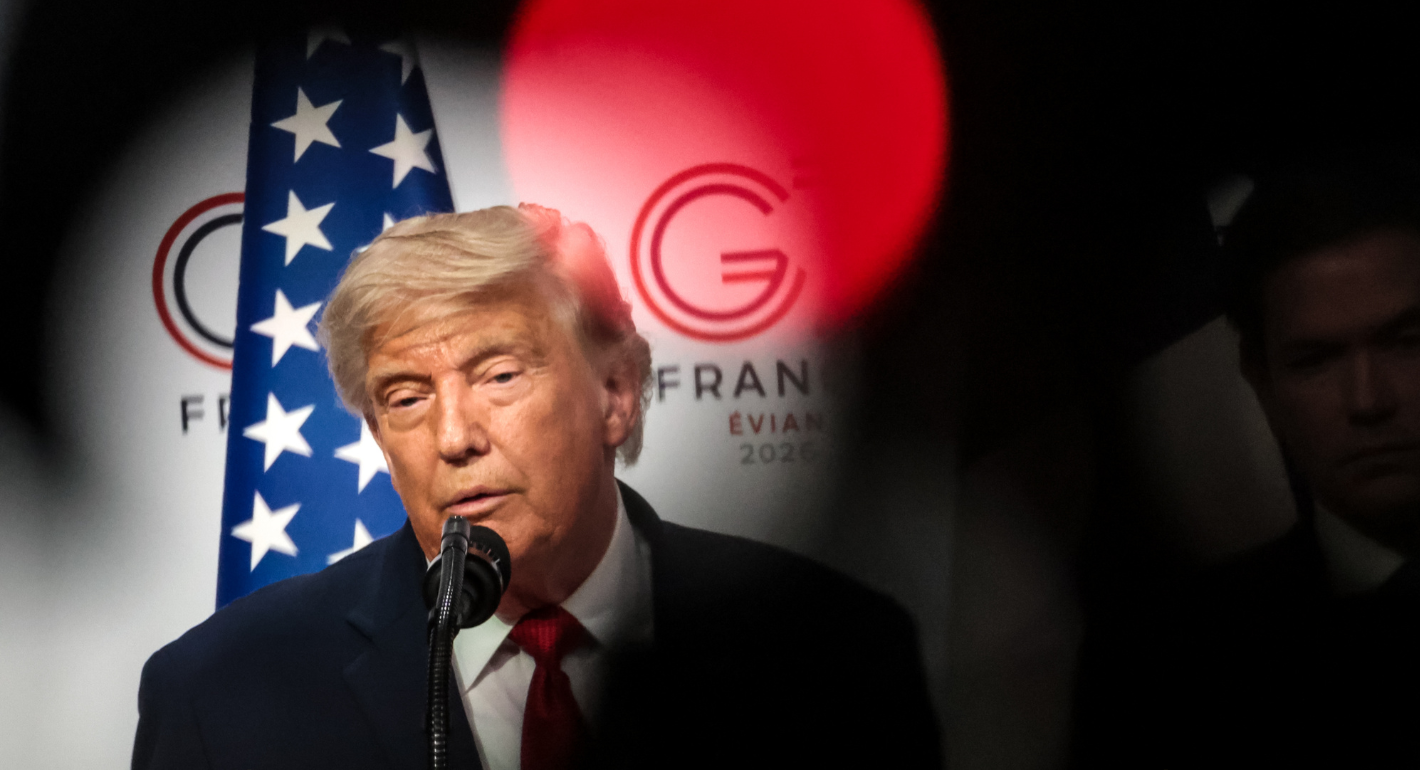
There is an elephant in the room when it comes to the EU’s upcoming security strategy: Donald Trump. Unless European leaders acknowledge the depth of the transatlantic crisis, true autonomy will remain out of reach.

Stefan Lehne

Europe’s industrial supply chains leave it vulnerable to global shocks. The EU needs a pragmatic green industrial strategy that balances durable partnerships and bolsters homegrown clean tech without sacrificing low-carbon ambition.


Milo McBride, Pauline Gerard
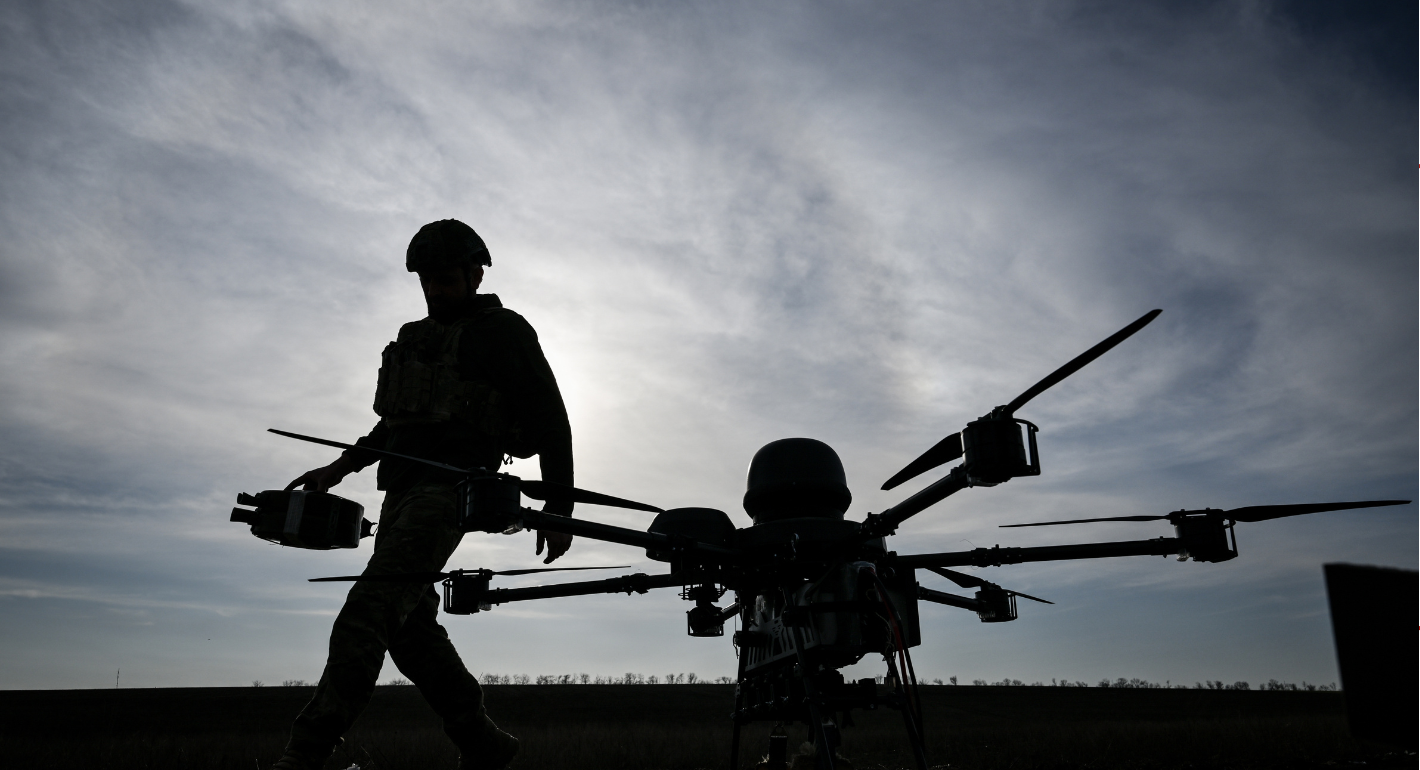
Defense tech innovations will be at the heart of Europe’s new security strategy. But so far, Brussels has been making moves without a broader plan, undermining readiness and credibility.

Raluca Csernatoni

When the U.S.-Iran memorandum of understanding was announced, the UK, France, Germany, and Italy declared their readiness to help demine the Strait of Hormuz and lift nuclear sanctions on Tehran. But does Europe need new tools to recover a diplomatic role?

Rym Momtaz, ed.
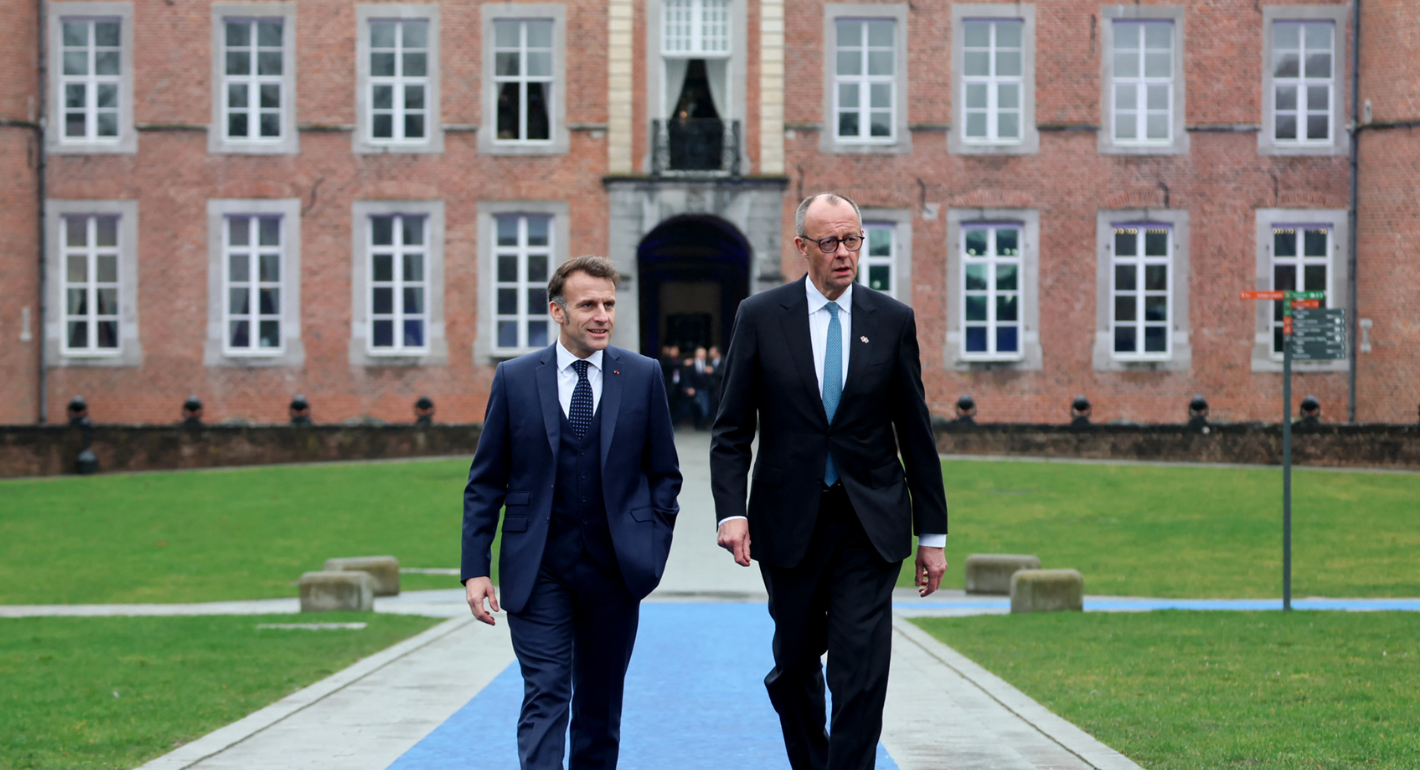
The Franco-German relationship is on the rocks again. But unlike previous moments of tension, the epochal changes on the world stage require that both step up investment in their bilateral ties.
Rym Momtaz