

Other
Wang Yanjia, William Chandler
{
  "authors": [
    "William Chandler"
  ],
  "type": "other",
  "centerAffiliationAll": "dc",
  "centers": [
    "Carnegie Endowment for International Peace"
  ],
  "collections": [],
  "englishNewsletterAll": "asia",
  "nonEnglishNewsletterAll": "",
  "primaryCenter": "Carnegie Endowment for International Peace",
  "programAffiliation": "AP",
  "programs": [
    "Asia",
    "Sustainability, Climate, and Geopolitics"
  ],
  "projects": [],
  "regions": [
    "North America",
    "United States",
    "China",
    "East Asia"
  ],
  "topics": [
    "Economy",
    "Climate Change",
    "Foreign Policy"
  ]
}
REQUIRED IMAGE
U.S.–China climate cooperation is the crucial step toward a global climate agreement. Together both nations produce 40 percent of global greenhouse gas emissions, yet they remain locked in a “suicide pact” -- each demanding that the other take responsibility.
Source: Carnegie Endowment
IMGXYZ1248IMGZYX The United States and China must make accommodations to curb greenhouse gas emissions if both countries are to break their “suicide pact” of self-destructive, energy-using behavior. Together they produce 40 percent of global greenhouse gas emissions, yet both countries demand that the other take responsibility for climate change, meanwhile the threat of environmental disaster grows. For the first time, China is considering an emissions target while half of U.S. states have set their own targets—the time for a deal is now.
In Breaking the Suicide Pact: U.S.-China Cooperation on Climate Change, William Chandler, director of the Carnegie Energy and Climate Program, identifies practical, non treaty-based approaches both countries could take to cut their carbon dioxide emissions across economic sectors—with little financial impact. He argues that China and the United States should work together to set individual, national goals and achieve them through domestically enforceable measures and international agreements that prevent either nation from taking advantage of steps taken by the other.
Key Recommendations for U.S.-China Cooperation:
“U.S.–China collaboration poses no threat to the climate leadership of any region or nation or to global cooperation. It is a complement, not a challenge, to existing and planned emissions cap and trade systems. This act of mutual self-preservation would help the United States and China to avert climate disaster and the eventual sanctions of other nations if they do not act, and lay the groundwork for successful global action,” concludes Chandler.
About the Author
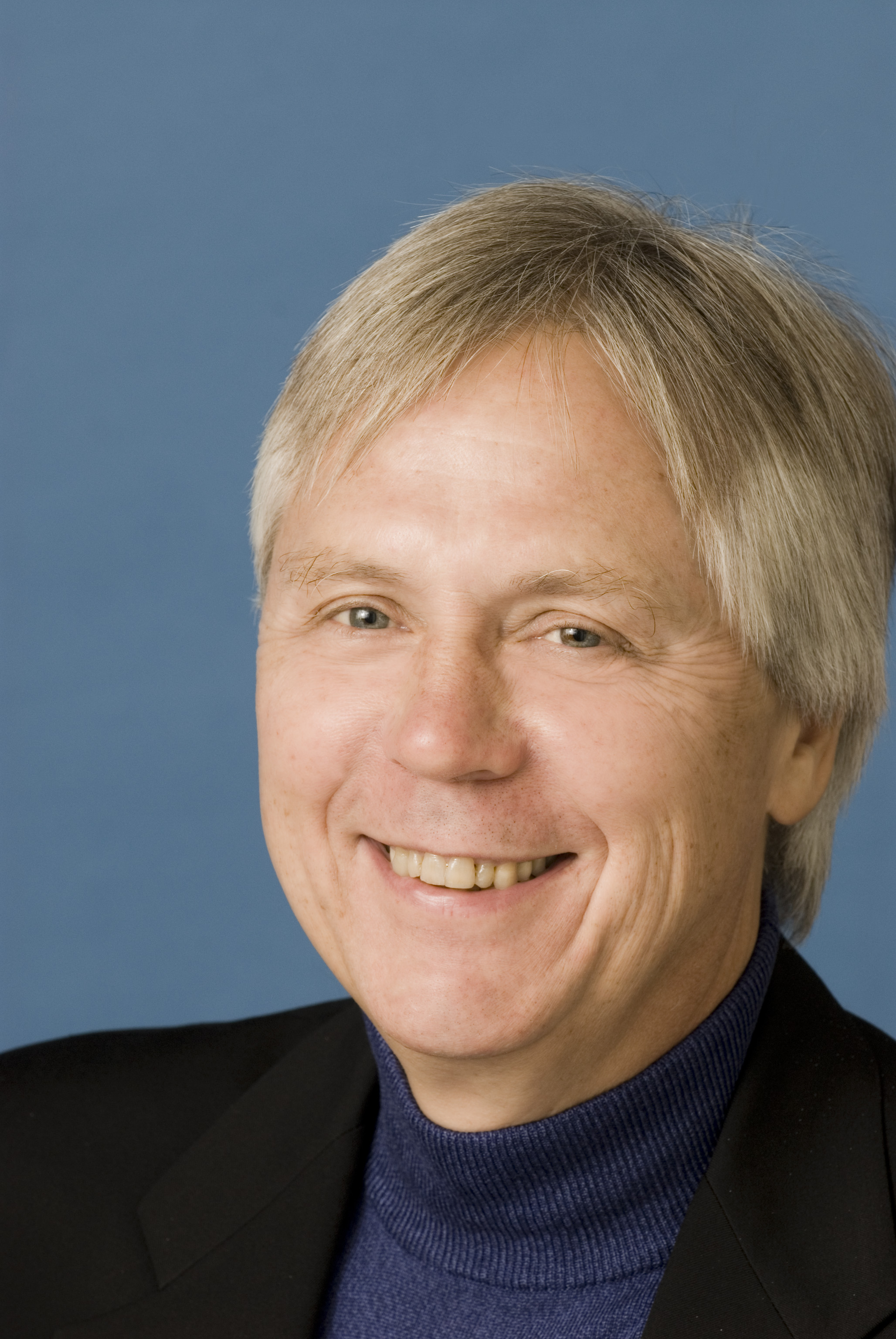
William Chandler is the director of the Carnegie Energy and Climate Program and has spent over 35 years working in energy and environmental policy.
Former Adjunct Senior Associate, Energy and Climate Program
Chandler is a leading expert on energy and climate. As an adjunct senior associate in the Energy and Climate Program he supports Carnegie’s work in these fields, collaborating closely on projects with Carnegie’s offices in Moscow, Beijing, Brussels, and Beirut.
Recent Work
Wang Yanjia, William Chandler

William Chandler, Taiya M. Smith
Carnegie does not take institutional positions on public policy issues; the views represented herein are those of the author(s) and do not necessarily reflect the views of Carnegie, its staff, or its trustees.

Russia is testing the waters of NATO’s mutual defense clause. What do strikes in Romanian and Bulgarian territorial waters mean for the alliance’s posture toward Moscow?

Dimitar Bechev

With its public finances in shambles, the far right polling at 35 percent ahead of the 2027 presidential election, and a growing protest movement, is France’s crisis a threat to the EU’s geopolitical awakening?

Rym Momtaz, ed.

Ahead of a tough winter for Ukraine, Donald Trump’s swing back toward Russia bodes ill. But instead of panicking, Kyiv’s European allies are focusing on action.
Rym Momtaz

Funding Ukraine remains a priority for European leaders. As Russia’s war of aggression heads into another winter, two feasible options to mobilize support for Kyiv should be fast-tracked.


Vladyslav Rashkovan, Gregory P. Wilson

While the EU and European governments are embracing the much-lauded middle-power moment, this entails three difficult conundrums.

Richard Youngs