

In The Media
Josh Kurlantzick
{
  "authors": [
    "Josh Kurlantzick"
  ],
  "type": "legacyinthemedia",
  "centerAffiliationAll": "dc",
  "centers": [
    "Carnegie Endowment for International Peace"
  ],
  "collections": [],
  "englishNewsletterAll": "asia",
  "nonEnglishNewsletterAll": "",
  "primaryCenter": "Carnegie Endowment for International Peace",
  "programAffiliation": "AP",
  "programs": [
    "Asia"
  ],
  "projects": [],
  "regions": [
    "North Africa",
    "Sudan",
    "Southern, Eastern, and Western Africa",
    "China"
  ],
  "topics": [
    "Political Reform",
    "Economy",
    "Trade",
    "Security",
    "Military"
  ]
}
Source: Getty
African activists are resisting China’s growing presence in Africa, citing China’s support for autocrats like Zimbabwe’s Robert Mugabe and importation of Chinese labor as primary concerns. Western concerns about Chinese influence in Africa have nevertheless intensified.
Source: Time Magazine

Western worries about undue Chinese influence in Africa have nevertheless intensified. Though some fears are legitimate, Kurlantzick argues that many Western concerns are absurd. China’s appetite for African commodities has fueled some of Africa’s strongest growth since independence, and the West has its own ties to corrupt African regimes. Most important, however, is the fact that Beijing’s position in Africa is evolving in response to African complaints. Kurlantzick concludes that China may yet rekindle its African romance.
Click here for full text of the article

Former Visiting Scholar, China Program
A special correspondent for The New Republic, a columnist for Time, and a senior correspondent for The American Prospect, Kurlantzick assesses China’s relationship with the developing world, including Southeast Asia, Africa, and Latin America.
Recent Work
Josh Kurlantzick
Carnegie does not take institutional positions on public policy issues; the views represented herein are those of the author(s) and do not necessarily reflect the views of Carnegie, its staff, or its trustees.

Montenegro and Albania are frontrunners for EU enlargement in the Western Balkans, but they can’t just sit back and wait. To meet their 2030 accession ambitions, they must make a strong positive case.


Dimitar Bechev, Iliriana Gjoni
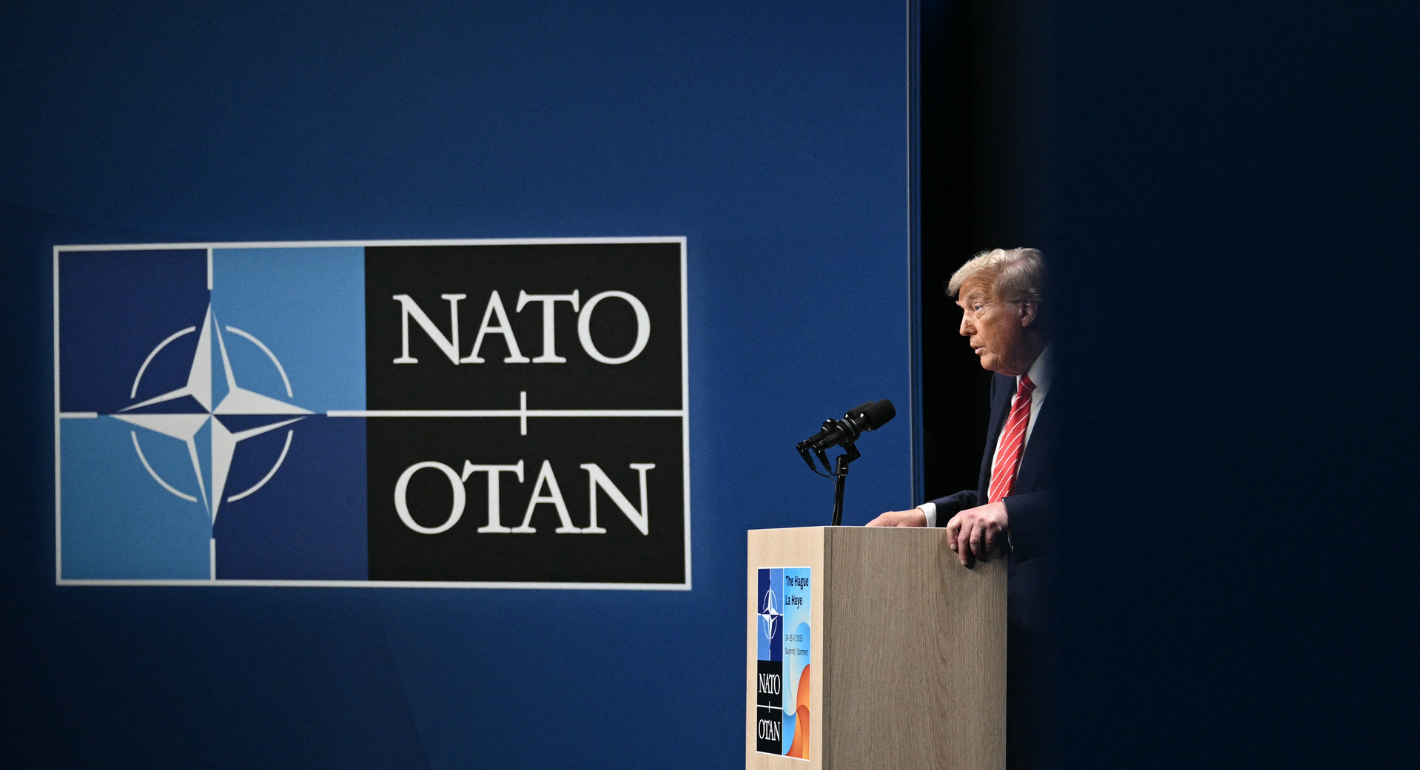
Donald Trump has repeatedly bashed NATO and European allies, threatening to annex Canada and Greenland and deploring their lack of enthusiasm for his war of choice in Iran. Is this latest round of abuse the final straw?

Rym Momtaz, ed.

The U.S.-sponsored TRIPP deal is driving the Armenia-Azerbaijan peace process forward. But foreign and domestic hurdles remain before connectivity and economic interdependence can open up the South Caucasus.



Thomas de Waal, Areg Kochinyan, Zaur Shiriyev

Economic growth is at the heart of a dilemma between planetary and international security.

Olivia Lazard
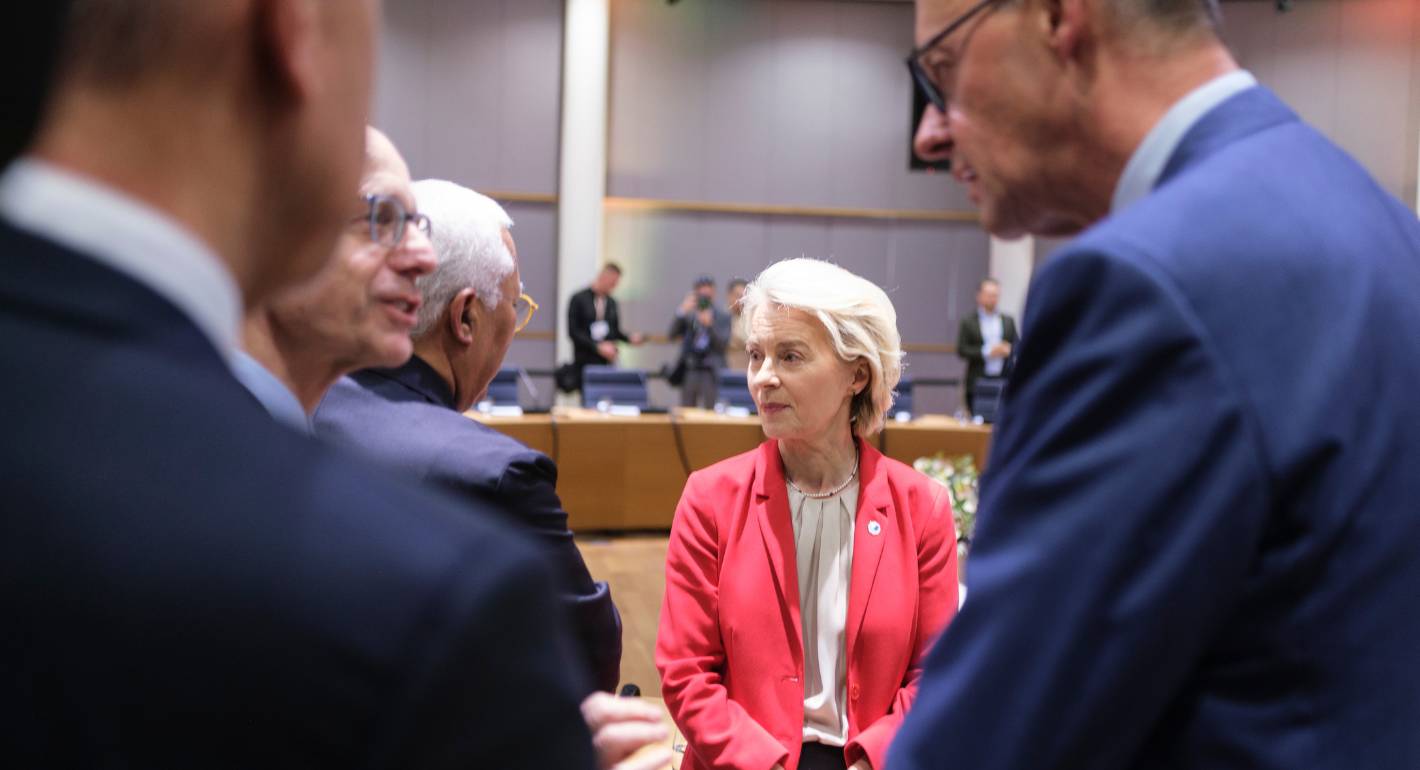
The war in Iran proves the United States is now a destabilizing actor for Europe and the Arab Gulf. From protect their economies and energy supplies to safeguarding their territorial integrity, both regions have much to gain from forming a new kind of partnership together.
Rym Momtaz